


Europe hooked on Hungarian horseradish and new local gin

Change language:
Whether you have a Hungarian family background or just like to enjoy the different tastes of the world, you will always find something delicious when it comes to Hungarian food and drinks. Many people’s knowledge of the country’s traditional cuisine may not go beyond goulash or chicken paprikash even though Hungarian dining has much more to offer than that. In this article, we bring you two surprising local delicacies to try. If you like to experiment with Hungarian flavours, give this savory horseradish purée and Hungary’s new gin a shot!
According to Storeinsider, Hungary is considered the largest grower and producer of horseradish in the EU, even though the majority of the crops are harvested for export purposes. Due to its distinctive aroma, Hungarian horseradish is commonly mixed with other countries’ domestic products in the processing plants in order to enhance their flavour. However, Hungarian horseradish plantations are big enough to meet both foreign and local demands and provide consumers with fresh supplies all year round.
The Hungarian Chamber of Agriculture (HCA) encourages customers to choose premium quality local produce when shopping for the upcoming Easter holidays
In 2021, domestic horseradish lands were estimated to stretch out over a nearly 1267-hectare area in total. Harvesting processes last, in general, from October well into March, until the beginning of the next seeding period.
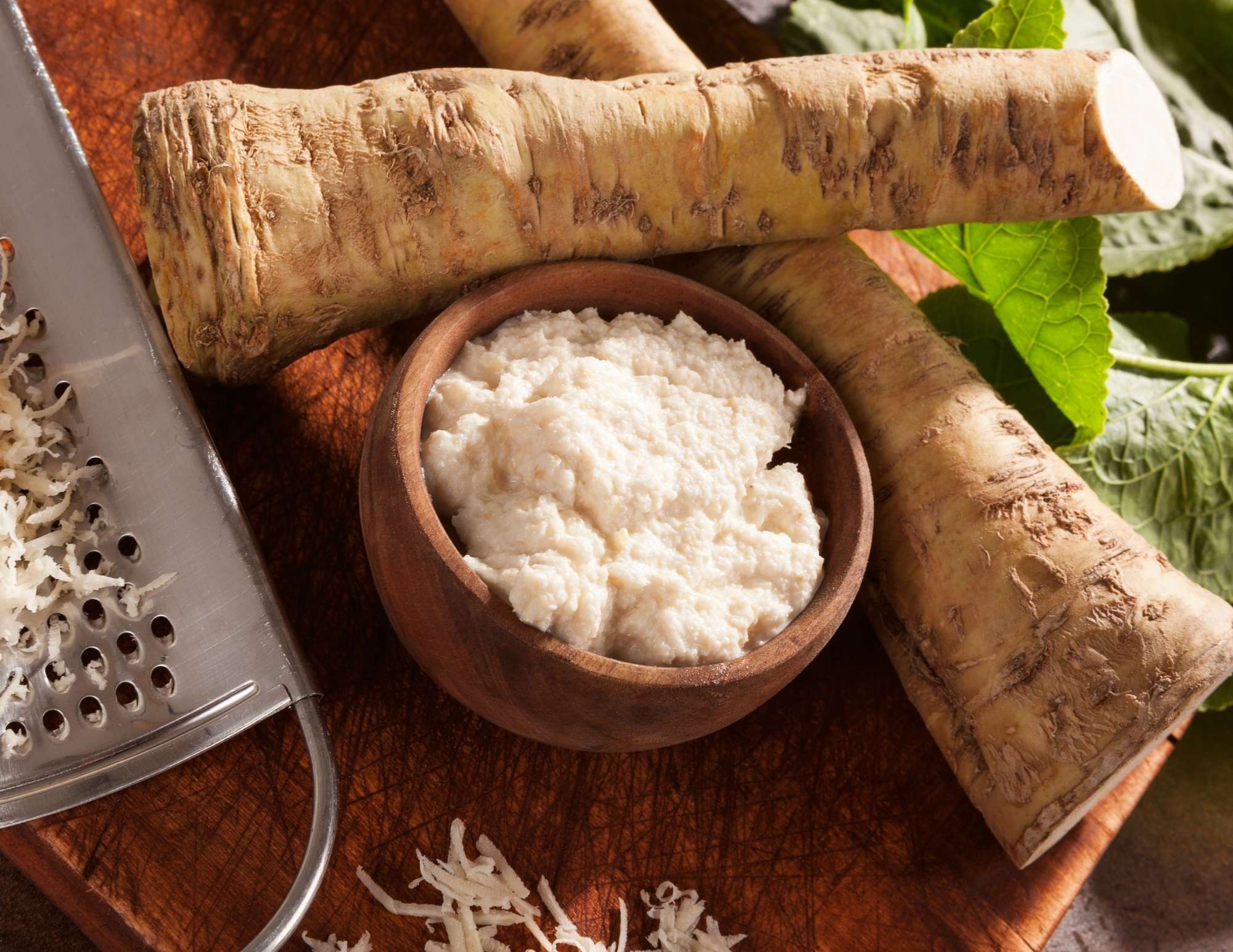
Hungary as horseradish world capital
Based on recent data, the country produced more than 12 tons of horseradish in the last season which takes up approximately half of the global production. This plant has intense water needs, therefore, the latest yield turned out to be smaller in size due to the unusual drought of the past weeks, however, the Hungarian produce still managed to outperform its foreign counterparts. Thanks to the periodic harvest and adequate storage technique, the Hungarian yield covers not only local but also global needs until the next produce. Even though the level of domestic consumption is also significant, the majority of the fresh produce is exported to the UK, Germany, Poland and the Czech Republic. Horseradish is an indigenous plant in Hungary. Back in the day, it was cultivated all across the country but nowadays the main region where it is produced is Hajdú-Bihar county, in Eastern Hungary. The land provides work for many local families all year round.

True antioxidant powerhouse
Horseradish is a quintessential ingredient of the Easter festive menu. The grated root can be used fresh, or it can be dried or powdered. You will often find horseradish added to condiments such as mustard or mayonnaise to lend them an extra bite. Horseradish sauce may simply be grated horseradish in vinegar, or it can be a creamy version.
This beloved local delicacy makes a great companion to savoury fermented vegetables such as cucumber, beetroot, cabbage, and minced paprika, as it brings out their flavour.
Horseradish is rich in allylisothiocyanata, a pungent chemical that gives its distinctive sharp flavour. It is also present in mustard and onion, which is what gives you a runny nose and watery eyes. Horseradish has a high vitamin C content, besides it is naturally antibacterial. It has been shown to kill harmful bacteria and microbes. Horseradish can also potentially cure or mitigate the symptoms of kidney and urinary tract infections, chronic cough and bronchitis.


Gin will NEVER replace a quality palinka !!! EVER!!!