

乌尔米亚湖消失:伊朗环境恶化与忽视
變更語言:
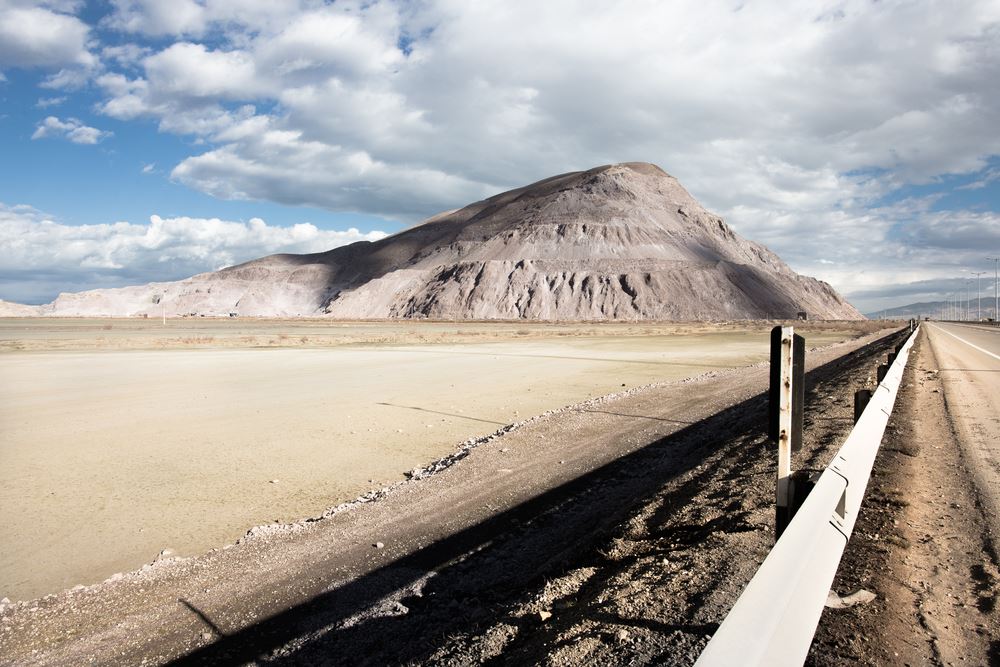
湖(Lake Urmia)位于伊朗西北部,曾经是全球第六大咸水湖,却成为环境退化和政府疏忽的牺牲品,在过去的几十年里,这个曾经充满活力的水体急剧萎缩,留下了荒凉的景观,带来了严重的生态和社会挑战。
乌尔米亚湖的衰落
湖(lake Urmia)的衰落可以追溯到多种因素的结合,包括伊朗伊斯兰共和国实施的破坏性筑坝和灌溉政策。这些政策在农业扩张和经济发展的愿望的推动下,极大地改变了水流入湖中的自然流量,加剧了湖泊的枯竭。而且,与伊斯兰革命卫队(IRGC)有关联的各个公司建设基础设施项目进一步促成了湖泊的消亡。另一个重要方面涉及覆盖。乌尔米亚湖周围的干旱地区变成盐碱地,导致盐的积累。为了减轻这种情况,实施了覆盖过程,其中涉及人为地将受影响地区与湖泊隔离。然而,这种做法也有助于乌尔米亚湖整体表面积的减少。除了上述案例外,构成乌尔米亚湖14条支流之一的巴兰杜兹河被人为阻止注入湖中,这种做法甚至在冬季也得到执行。这些项目往往是在没有进行适当的环境评估的情况下进行的,破坏了该地区生态系统的微妙平衡,加速了乌尔米亚湖的衰落。
尽管当地活动人士和环境专家提出的担忧日益增加,但伊朗政府的应对措施还不够。虽然包括总统马哈茂德·艾哈迈迪内贾德和哈桑·鲁哈尼在内的官员做出了解决危机和复兴湖泊的承诺,但缺乏切实进展。 2024 年 3 月 3 日,在伊朗全国水日之际,伊朗水工业联合会 (IWIF) 向公众展示了一个关于该国水体和供水相关问题的项目,但是 乌尔米亚湖 案(covered cases)中没有。拨款和实施修复项目的努力不足,未能阻止湖泊的稳步下降。最近的报道描绘了乌尔米亚湖目前的严峻景象。卫星图像和航拍镜头显示出干燥的景观,湖床暴露,水位处于历史最低水平。到2023年秋季,据报道,湖泊在水位持续下降数十年之后已经干涸。政府官员声称,面对越来越多的相反证据,正在努力恢复湖环空心。乌尔米亚湖的水位上升是由于该国近几个月降雨加剧,伊朗政府抓住这一机会,将其宣传目的归因于自己的努力。
环境专家,包括德黑兰的马苏德·塔吉里希 谢里夫理工大学示,警告形势严峻,自1995年以来,该湖水位暴跌了八米,恰逢1979年伊斯兰革命后新水坝的建设和农业实践的变化,虽然一些官员和伊朗政府附属媒体试图将乌尔米亚湖的干涸归咎于气候变化,但根源在于数十年的环境管理不善和忽视生态可持续性。
社会和文化紧张局势
除了环境危机之外,乌尔米亚湖的困境还引发了社会和文化紧张局势。根据 2021 年发表的一项研究结果,周边地区的农业活动下降了约 30%,1996 年至 2016 年期间,东阿塞拜疆省超过 12% 的村庄人口流失,大约 500 个村庄人口全部或部分减少。该等式的主要变量之一是阿塞拜疆土耳其人主要居住在湖所在的那些省份。伊朗西北部的阿塞拜疆土耳其人是一个讲突厥语的少数民族,占该国人口的五分之一。他们认为乌尔米亚湖是其遗产和身份的核心。几十年来,当地活动人士一直组织抗议活动,要求保护该湖。然而,他们的努力遭到了当局的镇压和恐吓,凸显了更广泛的政治压迫和侵犯人权问题。该政权不愿解决该湖的衰落问题,可能是因为它担心激发阿塞拜疆人口更广泛的文化和语言权利运动。
The case of Lake Urmia is a perfect example of intersectionality between ethnic and ecological problems. Although it is obviously an issue related to environment and climate change, one cannot neglect the minority rights dimension. The fact that those most affected areas are primarily inhabited by Azeri Turks and to a degree by Kurds, another sizeable minority in Iran, raises the question of discrimination and second-class citizenship issues. The reaction of the central government could have been significantly different, provided that the mentioned provinces had a Persian majority. Worth to note that this ecological catastrophe is not the only problem Azeri community in Iran encounter. The lack of education in Azeri, native language of the Azeri minority, persists to remain unresolved. Even though this issue is mentioned during every election campaign in order to gain Azeri voters’ support, no Iranian politician yet decided to initiate a plan for a substantial change in educational system to make it more inclusive for minorities. Azeri Turkish is prohibited from being used in official documents and as a language of instruction at schools since the Pahlavi dynasty succeeded to get the power in the early 20thcentury. Islamic Republic kept this policy practically intact after the revolution, and therefore, Azeri Turkish eventually lost its charm and prestige, turning into a useless local language that mainly people residing in remote areas are willing to talk. In Iranian Azerbaijan, even assigning Azeri-Turkish names to newborn children is hindered through bureaucratic means; instead, it is incentivized to give names of Persian origin. In one occasion, a decree by the territorial court in Tabriz deemed names of Azeri-Turkish origin were classified as incompatible with Islamic principles. This linguistic dynamics mirrors the current social landscape of the Iranian society, where non-Persian ethnic groups, despite constituting half of the population, lack the privileges enjoyed by the Persian majority.