 EN
EN IT
IT DE
DE



Citadella 重新开放:拥有布达佩斯最佳全景之一的布达佩斯地标再次欢迎游客
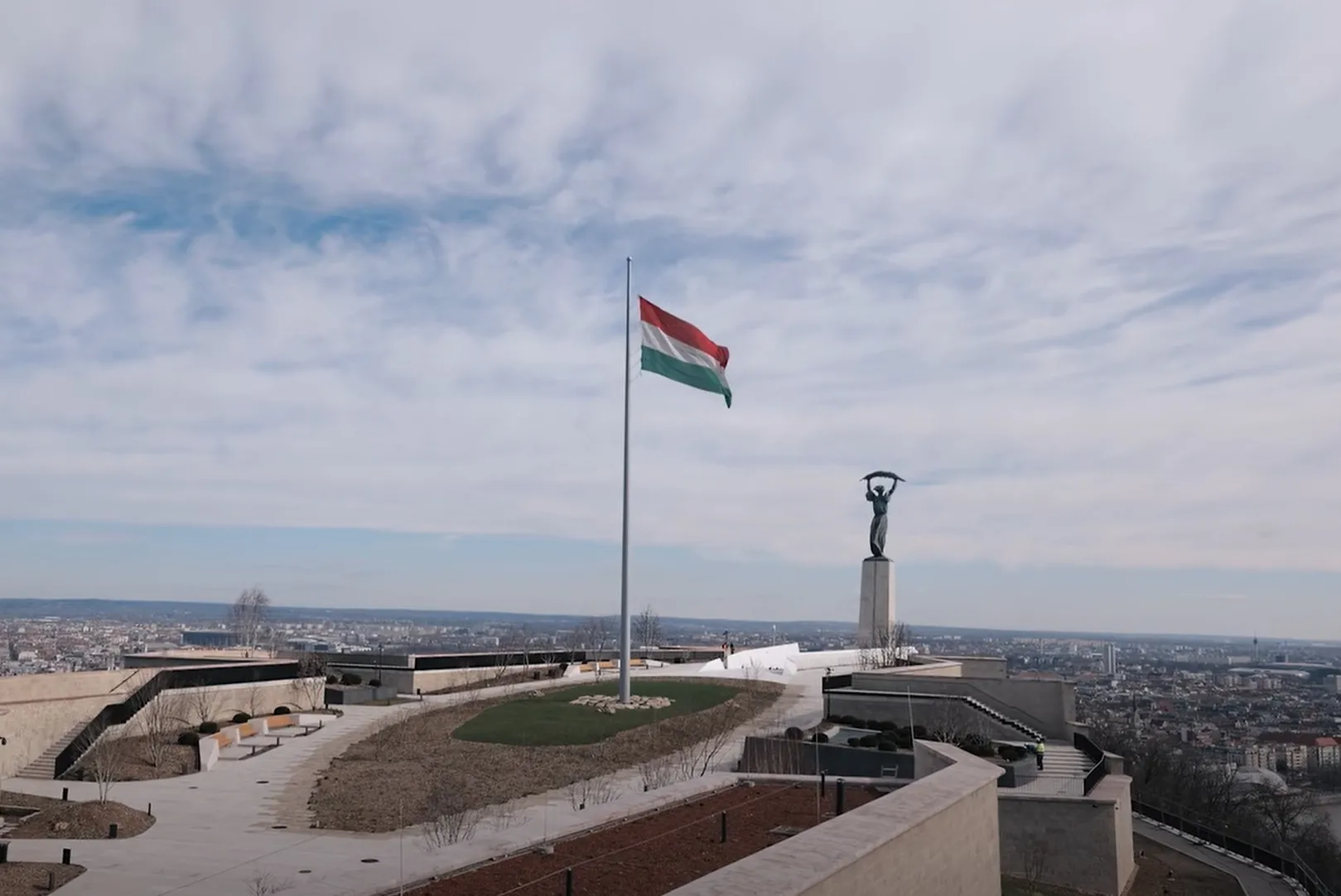
布达佩斯盖勒特山(Gellért Hill)上的地标性建筑城堡(Citadella)在经过大规模的重建工程后,将重新向公众开放,将曾经部分封闭、日渐衰败的堡垒变成一个拥有新的观景点、扩大绿化和游客服务的开放式城市空间。此外,在西侧廊柱内的新展览空间也将首次亮相,开幕周末后将有三天时间免费开放(需提前登记)。
什么是城堡?
对于外国游客来说,城堡是一座 19 世纪的大型堡垒,位于布达佩斯最著名的多瑙河全景点之一的盖勒特山上。它位于布达佩斯被联合国教科文组织列为世界遗产的多瑙河畔,因此对其外观和用途的改变尤为敏感。
为控制城市而修建的要塞
哈布斯堡帝国于1848-49 年粉碎匈牙利革命和独立战争后,于19 世纪 50 年代修建了城堡。与旨在阻挡外敌的边境防御工事不同,这座要塞位于城市上方,在政治局势紧张的年代成为控制佩斯布达的有力象征。
随着时间的推移,该据点的军事意义逐渐淡化,而其在城市景观中的作用却与日俱增。如今,对许多游客来说,城堡与附近的自由女神像(Szabadság-szobor)密不可分–自由女神像是布达佩斯最著名的纪念碑之一,最初于1947 年揭幕,并在不断变化的历史时期被重新诠释。
重建的成果
根据项目信息和相关报道,重建工作的重点是开放部分已无法进入且破旧不堪的区域,同时改善首都最受欢迎的观景点之一的游客体验。在要塞城墙内,修建了一个约 6000 平方米的内部公共公园,该公园将免费开放,并设有观景露台和新设计的步行路线,让游客更轻松地享受全景体验。
周围的绿地也得到了扩建,据报道,景观空间和新种植的植物都有了显著增加。
围绕项目的批评和辩论
与许多备受瞩目的遗产项目一样,Citadella 重建项目也引发了争论。批评者从古迹保护和城市景观的角度提出了担忧,认为某些干预措施–尤其是使要塞结构的某些部分更具渗透性–可能会改变遗址的历史 “要塞特征”。支持者则反驳说,这样做的目的是为了开放以前封闭、被忽视的区域,改善步行穿越山丘的便利性,并创造一个为居民和游客服务的公共空间。
如果您错过了关于匈牙利著名废墟大教堂命运的激烈辩论
老 “城堡:
新服务和更便利的交通
除了公园和观景点外,重新开放的城堡预计还将提供实用的游客服务,如咖啡厅、礼品店和其他面向游客和当地人的便利设施。计划还包括改善交通–这对陡峭的山顶非常重要–新的基础设施旨在帮助游客更舒适地到达要塞的不同楼层。
焕然一新的城堡和自由女神雕像也安装了现代化的节能照明设备,组织者强调了与遗产相匹配的照明设备以及在重要场合使用特殊照明效果的可能性。
新展览”自由的堡垒
最引人注目的新增展览之一是“自由的堡垒”(A Szabadság Bástyája),这是一个安装在西侧大厅的新展览。官方消息称,该展览将全面售票,但参观者如果提前登记,可在 3 月 29-31 日期间免费入场。
该展览旨在利用与更新后的建筑群相关的独特建筑元素,以现代、身临其境的形式展示匈牙利历史上的重大事件和人物。
官方游客信息
有关免费入场日的入口、开放安排和登记的更多详细信息,请访问Citadella 的官方网站。社交媒体网站。
正如我们之前所写,被拆除的布达城堡本维德总部令人惊叹的重生–照片
常见问题 – 重获新生的城堡
When does the Citadella reopen, and what’s free?
The renewed Citadella on Gellért Hill reopens to the public on Saturday, 28 March 2026. The inner public park inside the fortress walls will be free to enter, along with the lookout terraces and walking routes mentioned in the project description.
What exactly is the Citadella, and why does it matter?
The Citadella is a 19th-century fortress on top of Gellért Hill, one of Budapest’s best-known viewpoints above the Danube. It sits in a highly sensitive historic setting: the hill and Danube panorama are part of Budapest’s wider UNESCO World Heritage riverbank landscape, which is why any major changes tend to draw attention.
What’s the site’s historical background in a nutshell?
The fortress was built in the 1850s, after the Habsburg Empire defeated the Hungarian Revolution and War of Independence of 1848–49. It was not designed as a border fortress; its hilltop position made it a symbol of control over the city. Over time its military role faded and it became a city landmark and panoramic destination. Nearby stands the Liberty Statue, unveiled in 1947, whose meaning has been reinterpreted over the decades.
What is the main idea behind the renewal?
The stated aim is to turn a previously partly closed, deteriorating area into a more open, walkable public space. Key elements include: a free inner public park (around 6,000 m²), new or upgraded lookout terraces and routes, expanded green areas around the fortress (reported to be around 20,000 m²), visitor facilities (café/ice cream, gift shop), new toilets and family-friendly amenities, improved accessibility via new lifts to help visitors reach different levels
Why has the project been criticised?
Criticism has focused on u003cstrongu003eheritage protection and the cityscapeu003c/strongu003e. Some argue that interventions—especially making the fortress more permeable with new access points—risk weakening the Citadella’s original “fortress character”. Supporters respond that these changes are necessary to open up neglected spaces and make the site usable as a modern public area.