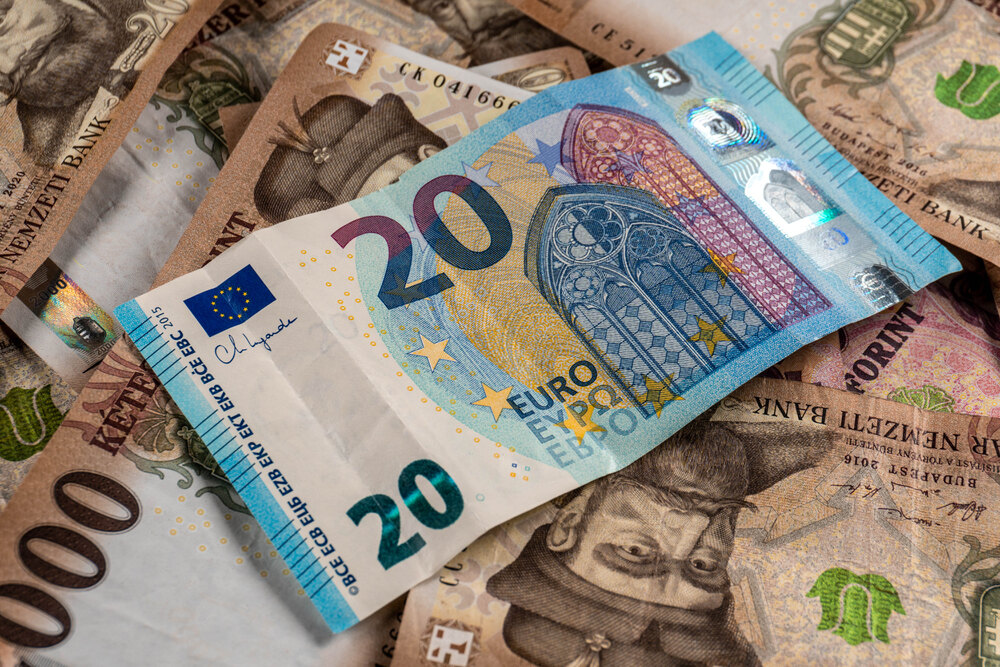
匈牙利国家货币匈牙利福林在四月的最后一天开始走低,周四早盘对所有主要货币的汇率与周三下午的水平相比都有所下降。早上 6 点,欧元报价为 366.30 福林(前一天晚上为 365.21 福林),美元从 312.35 福林升至 314.03 福林,瑞士法郎从 395.41 福林升至 396.69 福林。
不过,上午的短暂下跌对匈牙利货币在本月的出色表现几乎没有影响。4 月份,福林兑欧元和瑞士法郎的汇率上涨了 4.6%,兑美元的汇率上涨了 5.5%–即使以地区新兴市场的标准来看,这一表现也非常突出。
是什么推动了这一涨势?
对于不熟悉福林长期脆弱性的读者来说,一些背景知识会有所帮助。匈牙利是一个小型开放经济体,严重依赖能源进口和欧盟转移支付,这使其货币对政治和地缘政治信号异常敏感。福林历来是中欧波动较大的货币之一,经常会因其他地方几乎不存在的消息而大幅波动。
四月份的 “顺风 “异常强劲。本月伊始,人们对中东可能实现停火持乐观态度,这使得能源价格大幅下跌–这对匈牙利来说是一个直接利好,因为匈牙利的进口账单中很大一部分都花在了天然气和石油上。到 4 月初,欧元已经跌至 374 福林区间,这是自 2023 年夏季以来从未见过的水平。
更大的冲击出现在本月中旬。4 月 13 日匈牙利议会选举产生了决定性结果:佩特-马扎尔领导的蒂萨党赢得了超级多数票,结束了维克托-欧尔班十多年的统治。国际市场立即做出了热烈回应。欧元在一个上午就下跌了近 9 个匈牙利福林,因为投资者对一个更可预测、与欧盟一致的政府的前景进行了定价–更关键的是,布鲁塞尔因对法治的担忧而扣留匈牙利的数十亿欧元被冻结的欧盟资金最终将被释放。
为什么选举对货币有影响?
多年来,匈牙利福林的疲软在一定程度上是政治折扣的结果:由于匈牙利与欧盟的关系、财政透明度以及不可预测的监管环境存在不确定性,外国投资者要求溢价持有匈牙利资产。从理论上讲,如果政府换届发出回归欧盟规范的可信信号,就能逐渐消除这种折价–4 月份的反弹表明,市场至少暂时相信这种转变正在发生。
接下来会发生什么?
四月最后一天上午的疲软提醒人们福林的涨势尚未锁定。一些风险依然存在。在市场完全改变对福林的长期看法之前,新政府需要将政治诚意转化为具体的政策措施,尤其是在释放欧盟凝聚力基金方面。这一过程中的任何延迟或复杂化都可能引发部分逆转。
从外部因素来看,欧洲央行的下一步利率决定、美元走势以及持续的地缘政治不确定性都有可能影响福林的走势,而与匈牙利国内的任何行动无关。
但现在,2026 年 4 月将作为福林重获新生的月份而被人们铭记–这是由能源价格下跌、历史性的选举结果和愿意给予匈牙利疑虑利益的市场等罕见因素共同推动的。五月是否会证实这一判断,还是会使之复杂化,我们拭目以待。
常见问题 – 匈牙利福林
1) What is the forint, and how should readers understand “EUR/HUF 366”?
The u003cstrongu003eHungarian forint (HUF)u003c/strongu003e is Hungary’s national currency. A quote like u003cstrongu003eEUR/HUF 366u003c/strongu003e means u003cstrongu003e1 euro costs 366 forintsu003c/strongu003e. If the number goes u003cstrongu003eupu003c/strongu003e, the forint is u003cstrongu003eweakeningu003c/strongu003e; if it goes u003cstrongu003edownu003c/strongu003e, the forint is u003cstrongu003estrengtheningu003c/strongu003e.
2) Why is the forint often more volatile than other Central European currencies?
Hungary is a u003cstrongu003esmall, open economyu003c/strongu003e that is sensitive to external shocks, especially u003cstrongu003eenergy pricesu003c/strongu003e, global risk appetite, and EU-related political or funding news. That combination can make the forint react faster — and sometimes more sharply — than peers to geopolitical headlines and policy signals.
3) If the forint had a strong April, why can it still weaken on a given morning?
Even in a strong month, the forint can u003cstrongu003edip intradayu003c/strongu003e due to routine market factors: profit-taking after a rally, shifts in the euro or dollar, changes in bond yields, or fresh headlines. A weaker morning print does not automatically cancel a broader monthly trend.
4) What were the main drivers behind the forint’s April strength in this story?
The article links the rally to a rare mix of “tailwinds”: u003cstrongu003elower energy pricesu003c/strongu003e, improved sentiment on geopolitics, and a u003cstrongu003emajor political shiftu003c/strongu003e that investors interpret as potentially improving Hungary’s EU relationship — including expectations around u003cstrongu003epreviously frozen EU fundsu003c/strongu003e.
5) What should readers watch next to judge whether the rally can last?
Key watchpoints include:u003cbru003ewhether the new government turns market optimism into u003cstrongu003eclear policy stepsu003c/strongu003e, especially on EU-related issuesu003cbru003eexternal drivers like u003cstrongu003eECB decisionsu003c/strongu003e, the u003cstrongu003eUS dollar’s directionu003c/strongu003e, and broader risk sentimentu003cbru003eu003cstrongu003eenergy pricesu003c/strongu003e and geopolitical developments that could quickly change Hungary’s import and inflation outlook