Subscribe to our social channels to get the latest news about Hungary!


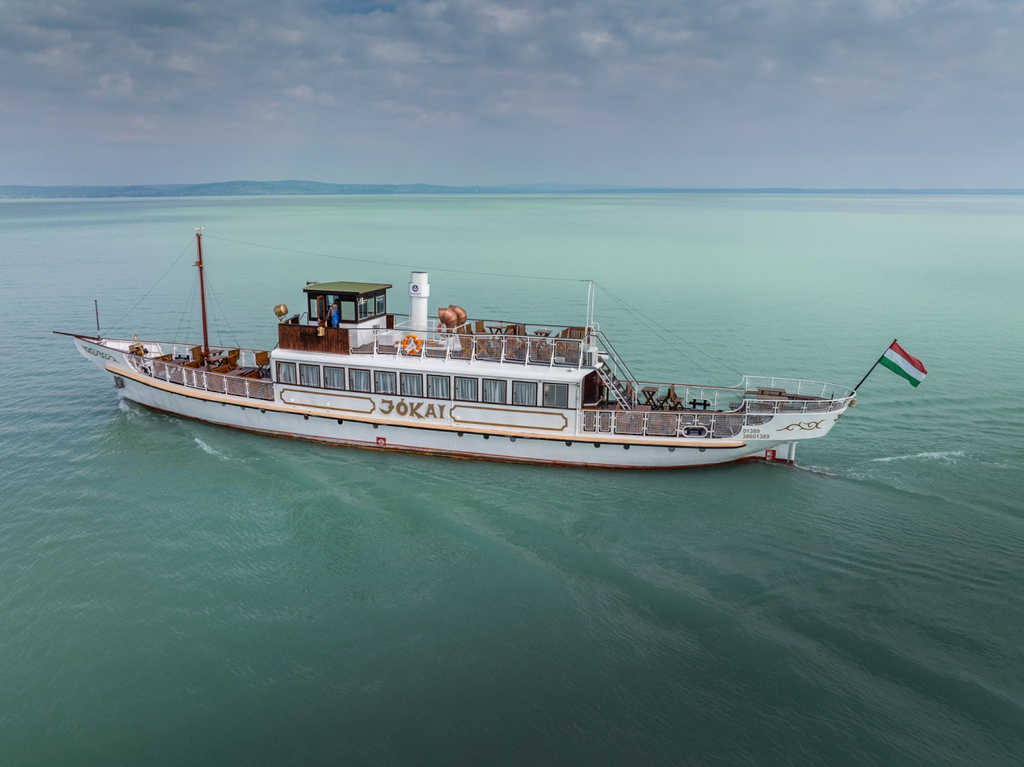
The iconic Jókai nostalgia boat is back to its former glory and is once again owned by the Balaton Shipping Company (BAHART). From 1 May of this year, the ship will be a member of the nostalgia boat fleet, to the delight of tourists visiting Lake Balaton.
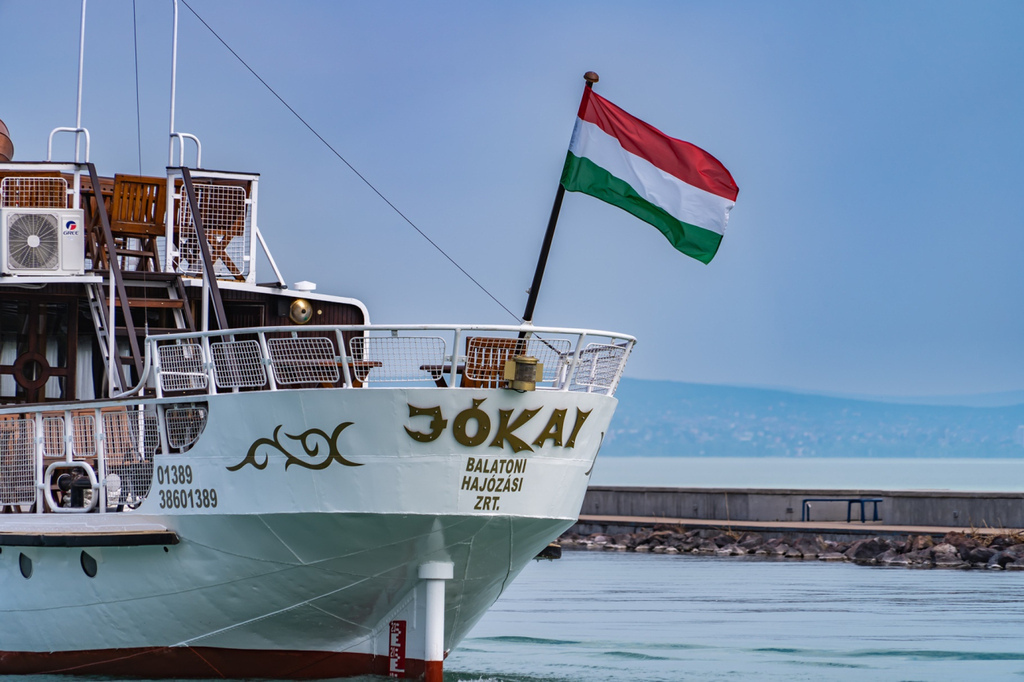
The boat was the fifth steamship to sail Lake Balaton. It was built at the Óbuda Shipyard in Budapest, from where it was transported in pieces to Siófok, to be assembled and launched in June 1913.
It was blown up by retreating German troops in the port of Balatonfüred in March 1945 during World War II, and after heavy repairs was put back into service in 1948.
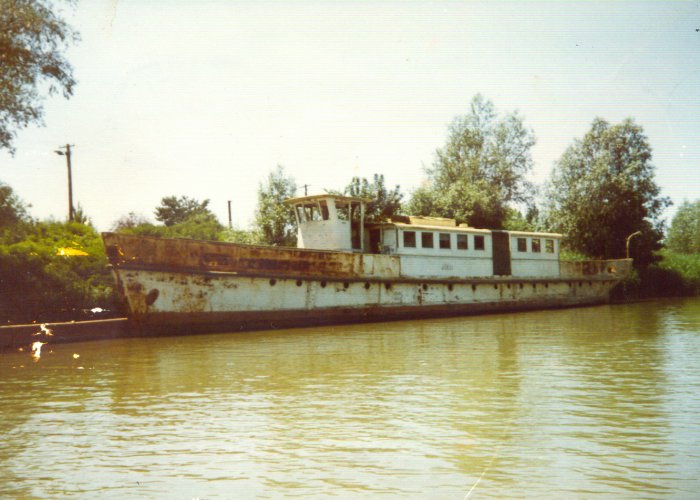
In 1980, the Jókai was donated to the Tisza Water Pioneers, where it was completely ruined. During a flood, it was beached with the stern in the water and the bow out on the bank. For years after, the boat sat in a state of total disrepair.
It was the Vanyolai family, the operators of the Vanyolai Shipping Ltd., who saved it from total devastation. Sándor Vanyolai told vizimentok.hu about the long and complicated process of getting the ship back in working order.
“I saw the boat, neck-deep in weeds on the beach, in the sand. It was a rusty shell plate, nothing else. There were no seats, no engine, propeller or rudder,”
he recalls. He says that he knew immediately that he could help the boat. However, the acquisition process was convoluted, as several people showed interest and came forward saying they were the owners of the boat.
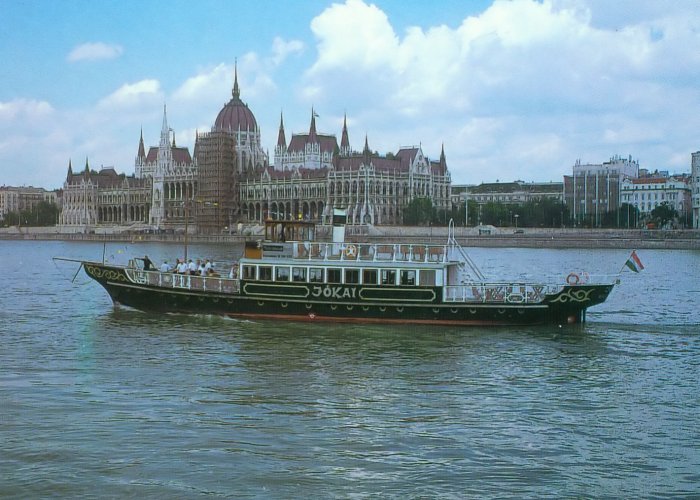
In the end, Vanyolai was successful in his pursuit, and, after financing the renovation with his own money and a loan, the Jókai was once again ready to sail.
However, navigation from the Tisza River to Lake Balaton was a cumbersome process: they were stranded near Szeged for a whole winter, as the Jókai could not pass under the bridge due to high water levels. Then, when the Yugoslav Wars broke out, they could only get to the mouth of the Tisza and the Danube at the cost of considerable “pocket” payments, as the man puts it.
On top of that, it turned out that there was no water in the Sió, which ordinarily connects the Danube with Lake Balaton. Therefore the ship had to spend a year sailing near Budapest. It was during this time when filmmakers rented it for a month and a half for the filming of the famous Hungarian movie The Bridgeman (A Hídember).
Finally, after four years of complications, the boat reached Lake Balaton by land, in 2002.
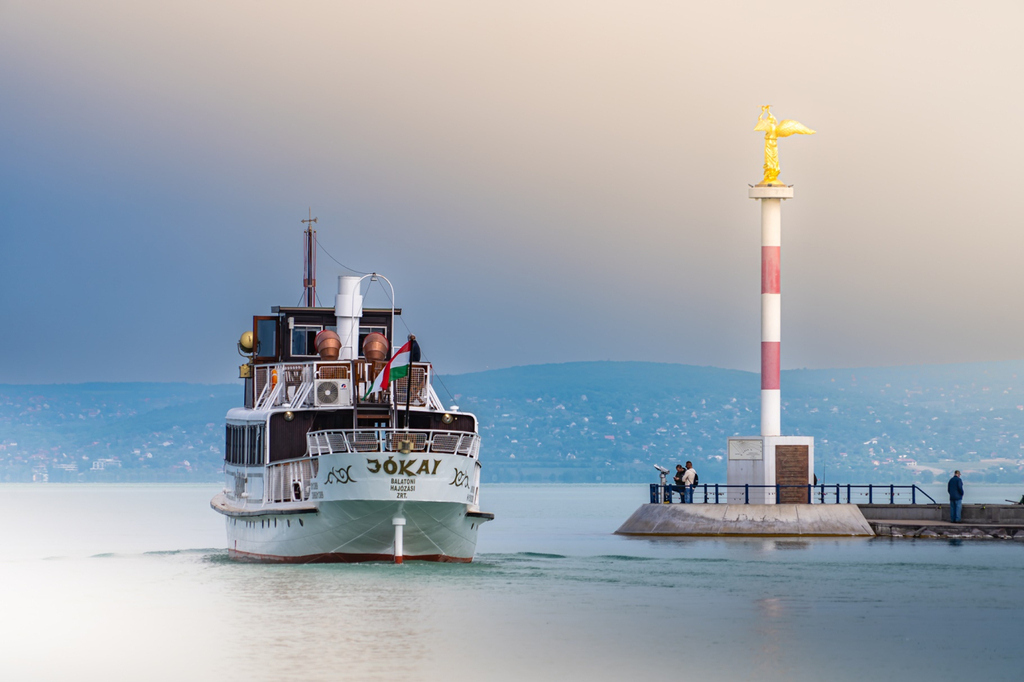
The ship was purchased by the Balaton Shipping Company at the end of 2023 who, according to turizmus.com, upgraded the boat’s electrical system and refreshed its coat of paint in early 2024. It has regained its original colour scheme and is now part of the unified fleet of nostalgia boats on Lake Balaton.
From 1 May, the Jókai will be open to tourists in all its glory – the boat will be available for cruises from Balatonfüred, It will also be available to be rented for private events.
“We are planning to continue the aesthetic and conservation works on the toilets, hulls, and carpentry and we are also planning the technical renovation of the ship,” said Gábor Veigl, CEO of BAHART.
See the full BAHART nostalgia-boat fleet HERE.
Read also:


