Subscribe to our social channels to get the latest news about Hungary!


On October 20, 1882, one of the best-known and most talented Hungarian actors was born. His portrayal of the archetypal vampire in Dracula (1931) immortalised his name, but who is the man behind the sinister monster?
Béla Lugosi was born in 1882 as Béla Ferenc Dezső Blaskó, and he derived his stage name from the town of his birth, Lugos. Today, it belongs to Romania (Lugoj), but at the end of the 19th century, the town was part of the Austro-Hungarian Monarchy.
Lugosi proved himself worthy not only on the screen but also on the battlefield. After the outbreak of World War I, he volunteered for military service on the Russian front where he was wounded several times. Lugosi was awarded a special Wound Medal for his injuries.
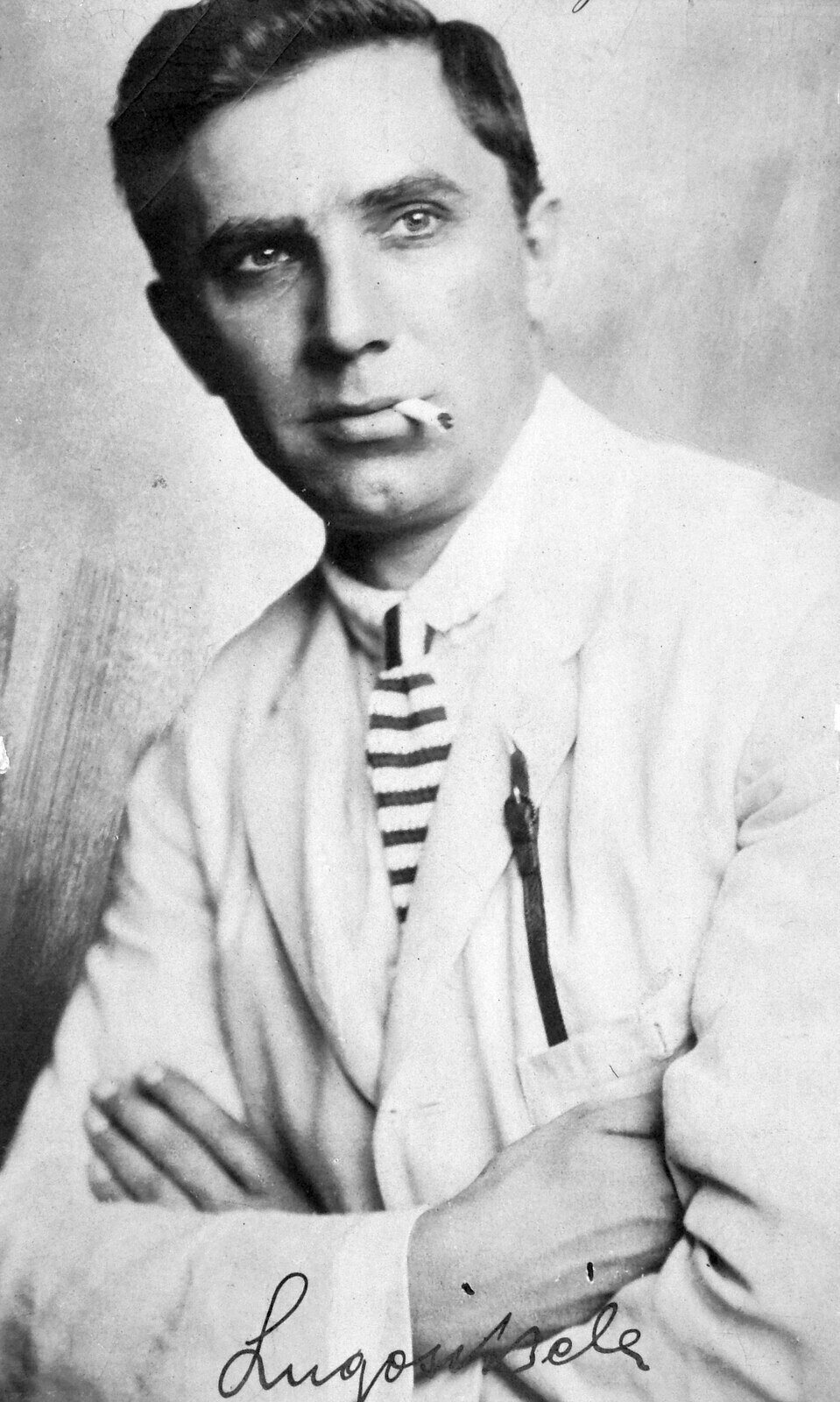
By the early 1900s, Lugosi was an established actor in Hungary. In 1913, he became a member of the National Theatre of Budapest where he was highly regarded for his versatility. Seven years later, he emigrated to the United States. He eliminated his language difficulties by forming his own company with the involvement of Hungarian artists who emigrated overseas. Lugosi’s first English-speaking play was the 1922 Broadway stage play “The Red Poppy”, and he soon drew the attention of American producers. He did not speak English at the time, so he had to memorise and phonetically reproduce every single word that he was supposed to deliver on stage. Nonetheless, his accent and the stiffness of his English made his performance in Dracula (1931) even more memorable.
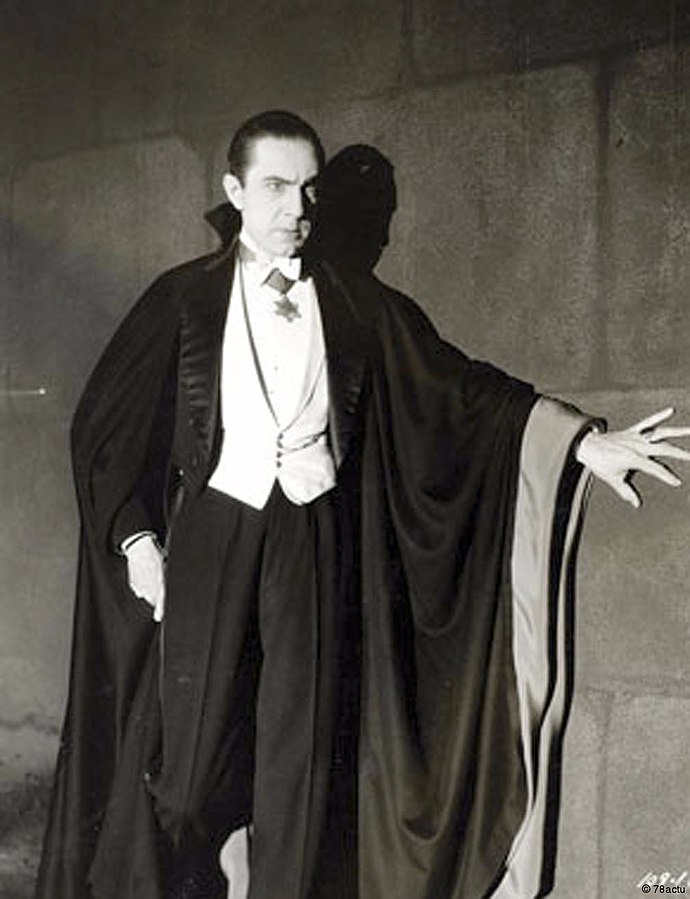
Lugosi’s breakthrough came in 1927 when he was cast in the Broadway production of Bram Stoker’s Dracula, and the show had a total of 261 performances. Two years later, Lugosi played Inspector Delzante in The Thirteenth Chair. The actor’s performance in these productions brought him to Universal Studios’ attention, and Lugosi was chosen for the title role in the 1931 release of Universal’s screen version of Dracula. Through his association with the role of the iconic undead creature, Lugosi found himself typecast as a horror villain in films such as Murders in the Rue Morgue (1932), The Raven (1935), and Son of Frankenstein (1939) for Universal Studios. He was also cast in The Black Cat (1934), The Invisible Ray (1936), and Black Friday (1940).
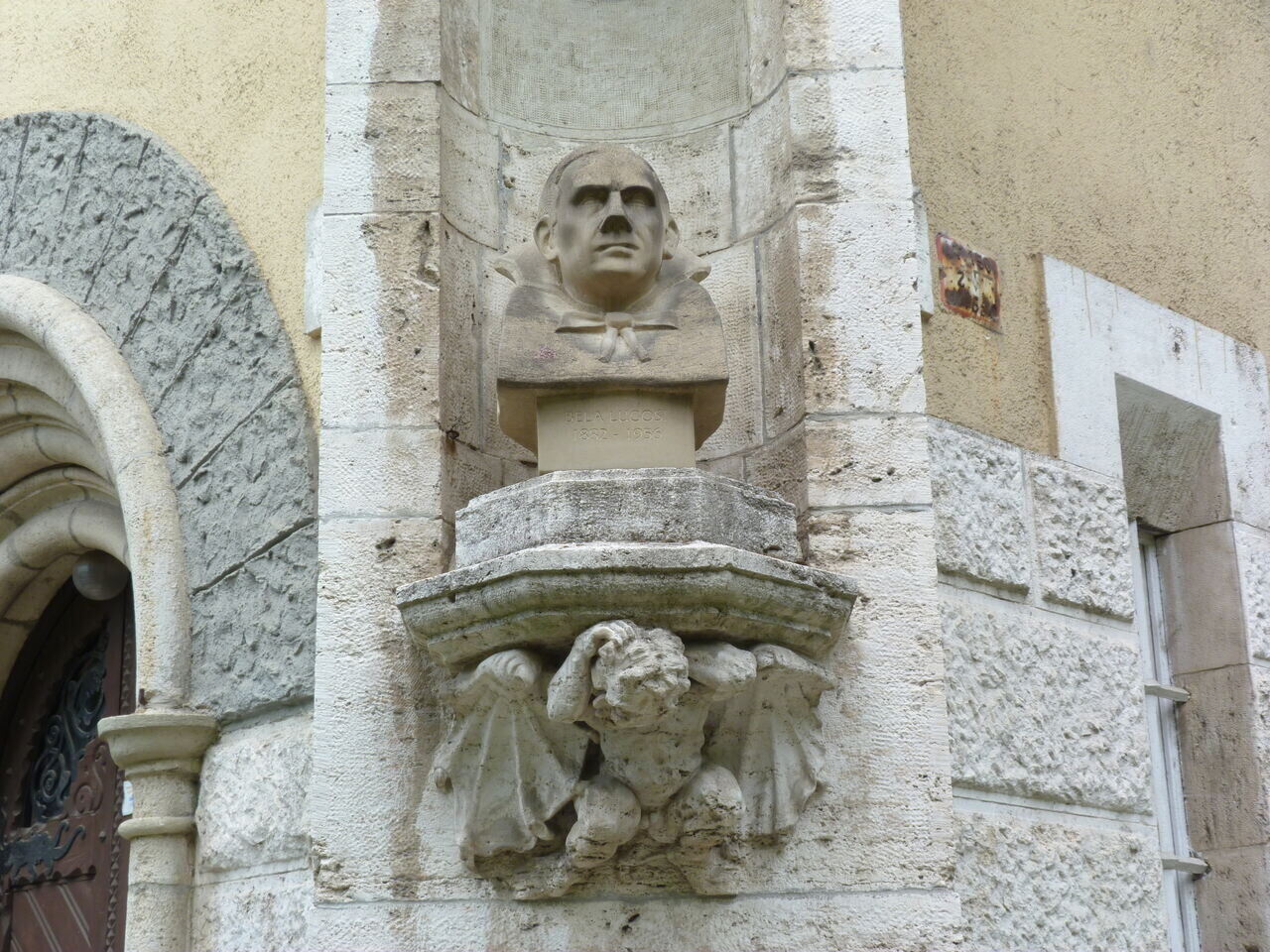
Vajdahunyad Castle is one of the most characteristic and exciting landmarks of the City Park with countless features to be explored. Designed by Ignác Alpár, the beautiful building incorporates characteristics of the architecture of the Romanesque, Gothic, Renaissance, and Baroque periods. If you have visited the City Park, you might have noticed that one of the castle’s wall niches contains a bust of Béla Lugosi. It was made by German artist Hartmut Zech in 2003. When Zech visited Budapest with some of his friends, he also brought the bust with him with the aim of finding the perfect place for the sculpture. In City Park, he noticed an empty niche on the corner of Vajdahunyad Castle and decided to install the bust on the ledge, Index wrote in 2016.
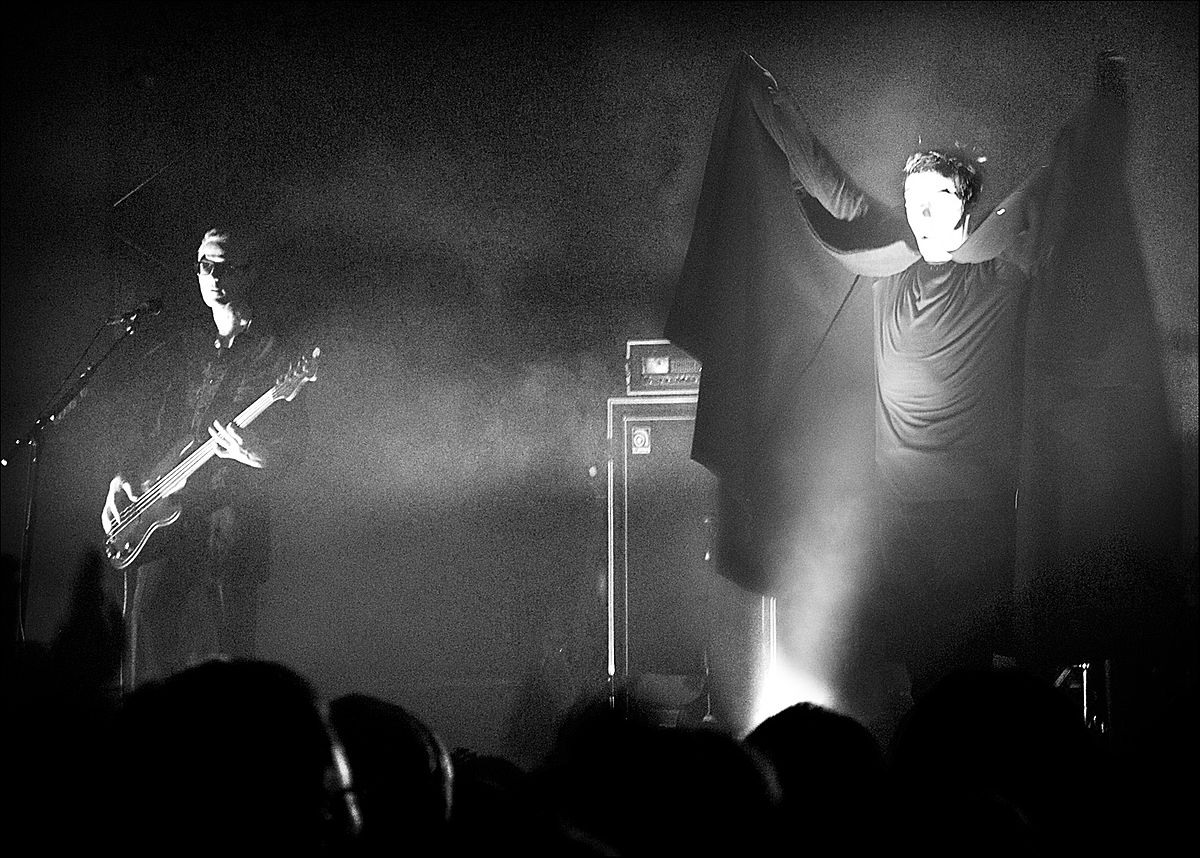
The song was recorded in 1979, and it was the gothic rock band’s first single.
Source: Daily News Hungary


