Subscribe to our social channels to get the latest news about Hungary!


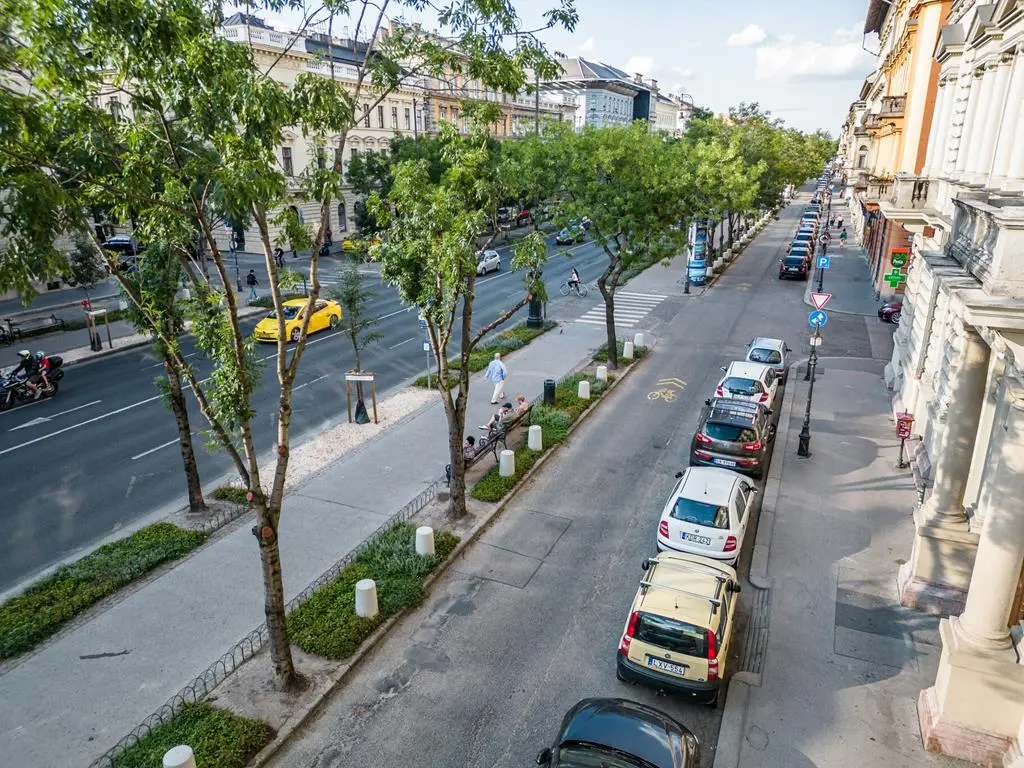
The local government of Budapest’s Erzsébetváros (VII. district) implemented a significant parking fee increase for residents starting 1st January, following a decision made in October 2024. The changes raised the annual fee for the first vehicle from HUF 2,100 (EUR 5.2) to HUF 36,000 (EUR 90) and for the second vehicle to HUF 72,000 (EUR 180). This move was part of a broader effort to address the district’s growing parking congestion.
District mayor Péter Niedermüller justified the decision by pointing out that Erzsébetváros had become overcrowded with vehicles. He highlighted that the number of officially registered cars exceeded available parking spaces and that approximately 19-20% of public spaces in the district were occupied by parked cars. Niedermüller also noted that these spaces were often used at little to no cost, effectively requiring the municipality to subsidise parking for car owners.
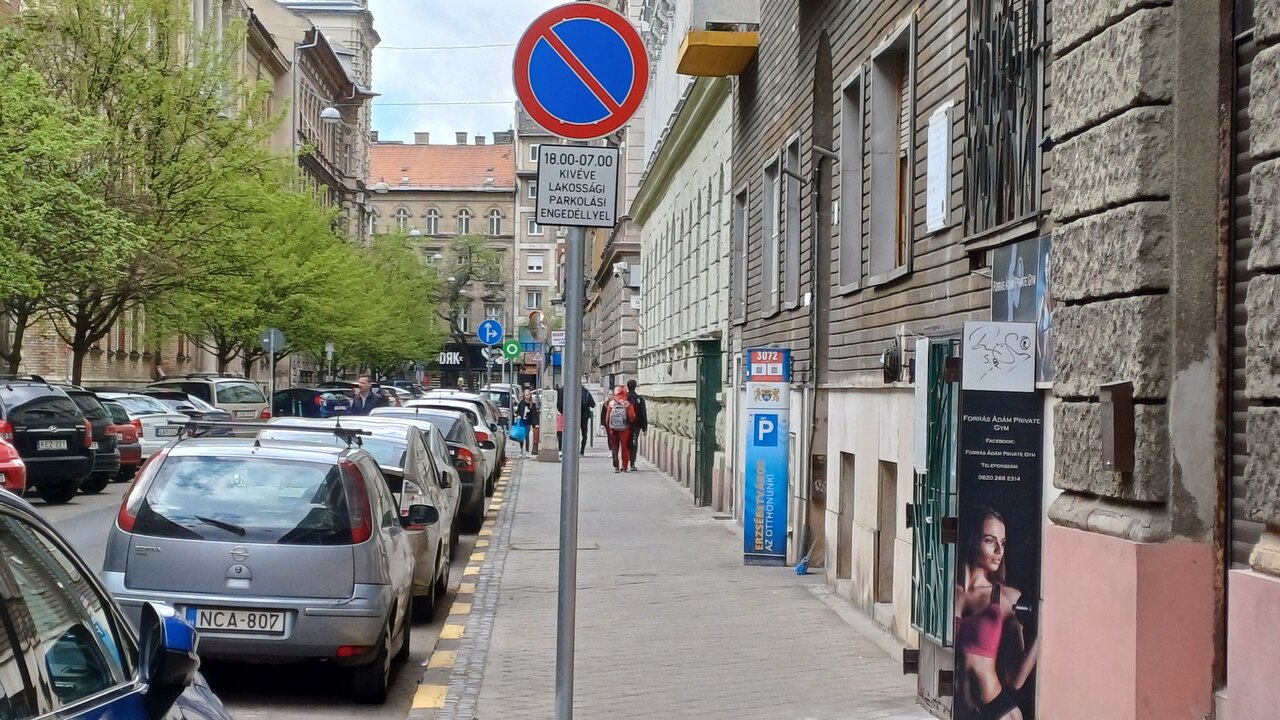
According to 444.hu, the October vote saw opposition from Fidesz representatives, who questioned the intended use of the estimated HUF 400 million (EUR 1 million) annual revenue from the increased fees. The mayor responded that the funds would be allocated towards road improvements and green space expansion, as green areas currently make up only 6% of the district.
Recent data released by Niedermüller indicates that the policy is having its intended effect. The number of residential parking permits issued for first vehicles has dropped by 27%, while second-vehicle permits have declined by over 30%. When factoring in all permit types, including those issued to businesses and institutions, the total number of permits fell from 9,296 last year to 7,481.
Niedermüller emphasised two key reasons behind the reform. First, he reiterated that Erzsébetváros had reached full capacity in terms of parking. Second, he stressed that reducing the number of cars was also an environmental necessity, as the excessive number of vehicles negatively impacted both air quality and the urban landscape. He also pointed out that an inefficiently subsidised parking system disproportionately affects residents who do not own cars.
Erzsébetváros is not alone in its efforts to curb car use. Other districts in Budapest, as well as cities across Hungary, are gradually restricting free parking privileges for green-plated vehicles. As 444.hu wrote back in November, cities such as Győr, Hódmezővásárhely, Sopron, and Siófok have already introduced fees, while in Miskolc, Debrecen, and Pécs, exemptions now come with specific conditions. In Budapest, green-plated cars can still park for free, but Mayor Gergely Karácsony has signalled his intent to introduce restrictions, citing concerns over large, non-electric, and non-local vehicles taking advantage of the system.
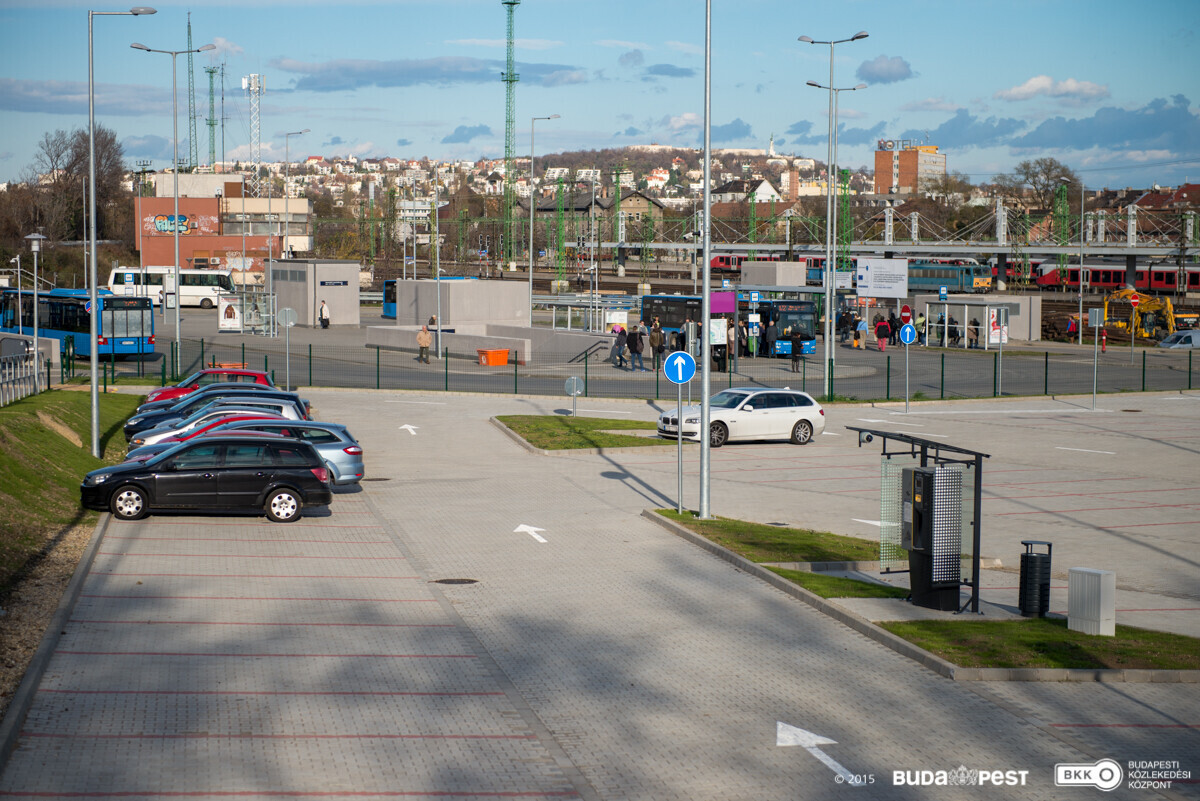
The parking crisis extends beyond Budapest, affecting the entire metropolitan region. Leaders of suburban municipalities argue that the issue is not merely a lack of parking spaces but the sheer volume of cars on the roads. In Érd, for example, an estimated 60% of the city’s active population commutes daily to Budapest, with most using private vehicles, Vezess.hu reports. Mayor László Csőzik pointed out that the number of commuters from Érd to Budapest has surged by 164% since 2001.
The city’s ongoing parking reform aims to address these challenges. While debates continue over who should be responsible for building P+R facilities, the reform package does not currently include such plans. Instead, it focuses on key regulatory changes over the coming years.
Read also:


