Subscribe to our social channels to get the latest news about Hungary!


In the summer of 1946, Hungary experienced one of the worst bouts of hyperinflation in world history. The pengő, once a stable currency during the Horthy era, could no longer serve its intended purpose. War devastation, plummeting production, and erratic monetary policy triggered a total economic collapse.
The destruction caused by the Second World War shattered the country’s economy. Incomes dried up, government revenue collapsed, and spending soared. By autumn 1945, state expenditure was eleven times higher than revenue. Successive governments only exacerbated the crisis by attempting to print their way out of it. Banknote presses worked overtime, churning out more currency, which only fuelled the inflationary spiral.
By the summer of 1946, Hungary’s economy had deteriorated so severely that conventional monetary practices became meaningless. The government introduced the b-pengő, a version of the pengő pegged to the adópengő (tax pengő), but even this could not halt the inflation. Denominations skyrocketed from tens of thousands to millions, billions, and even trillions in dizzying succession, as the currency lost value almost by the hour. To meet printing demands, several Budapest-based printing houses assisted the overstretched national mint. These higher-denomination notes were produced rapidly using simplified offset printing—and in such vast quantities that they were no longer even numbered.

One of the most extreme moments of Hungarian hyperinflation came on 12 July 1946, when the country issued the highest denomination banknote ever printed: 100 million b.-pengő. Despite its staggering nominal value, it was practically worthless upon release and remained legal tender for only three weeks.
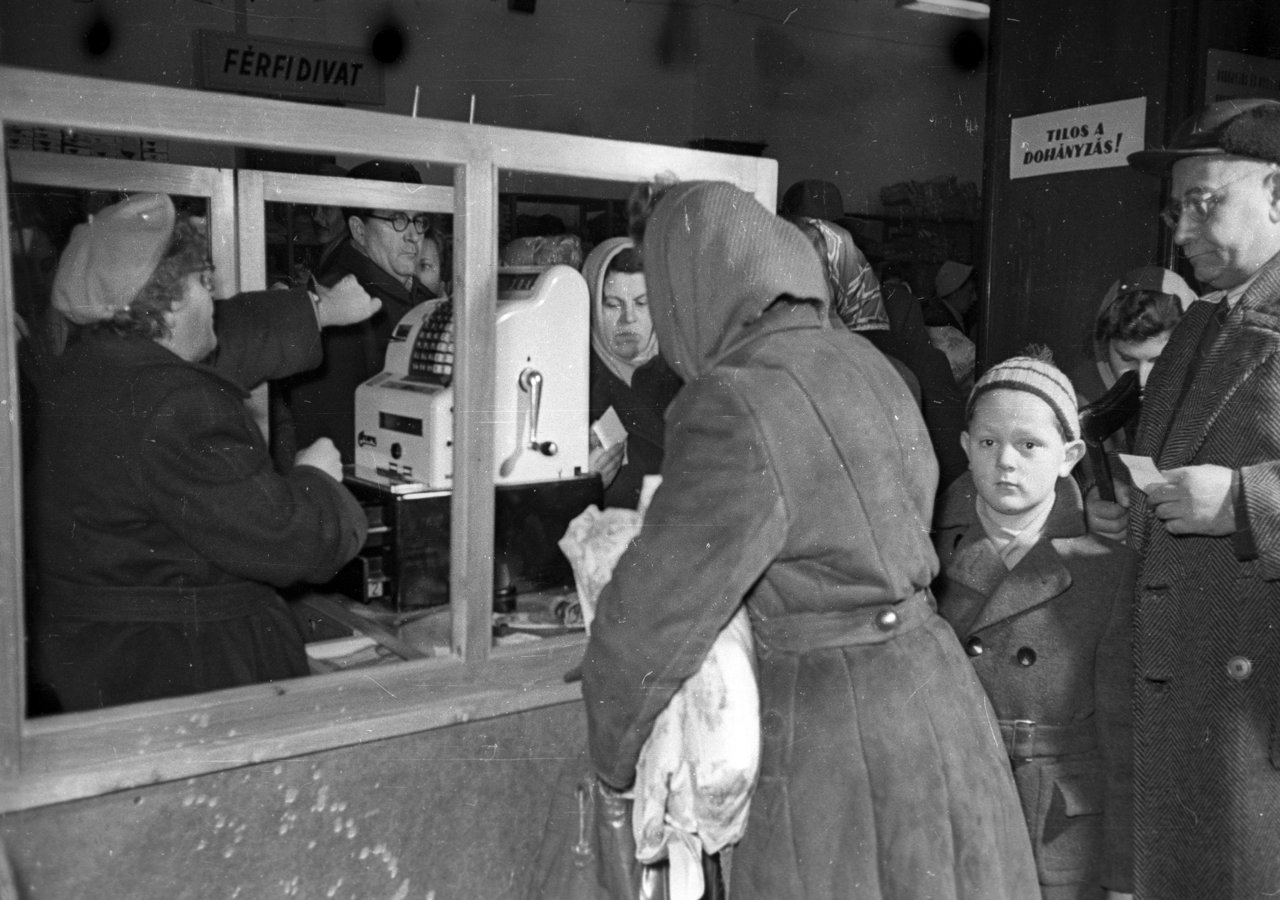
The pace of depreciation was unfathomable. In August 1945, one kilogram of bread cost 6 pengő. By November, it was 90 pengő; in December, 370; and by January 1946, it had surged to 800. By May, it was worth 9,500,000 pengő, and by June, 7,200,000,000 pengő. Shops had to change their price tags several times a day. People were paid daily and spent their wages immediately to avoid further loss in value. It was not uncommon for workers to bring their earnings home in suitcases or wheelbarrows, as even basic purchases required stacks of notes too large to carry by hand.
In less than a year, the pengő had lost so much value that Hungary had no choice but to introduce a new currency. On 1 August 1946, the forint was born—laying a stable foundation for national recovery and ending one of history’s most extreme periods of hyperinflation. The first forint notes were produced under extraordinary conditions by the State Printing Office, where operations were tightly monitored to prevent counterfeiting and public panic. Alongside the new currency, the government restricted the money supply and brought the banking system under strict state control. With the introduction of the forint, Hungary took its first steps towards economic stabilisation and rebuilding.
To read or share this article in Hungarian, click here: Helló Magyar
Read also:


