Subscribe to our social channels to get the latest news about Hungary!


The friendship between China and Hungary has been reflected in the cultural and historical landmarks in Shanghai. These two countries celebrate the 75th anniversary of establishing diplomatic ties this year. Below you may read a report by CGTN Cen Ziyuan.
The link in literature led by a poem written by renowned 19th-century Hungarian poet Sándor Petőfi.
He wrote: “Liberty and love; / These two I must have. / For my love, I’ll sacrifice my life. / For liberty, I’ll sacrifice my love.”
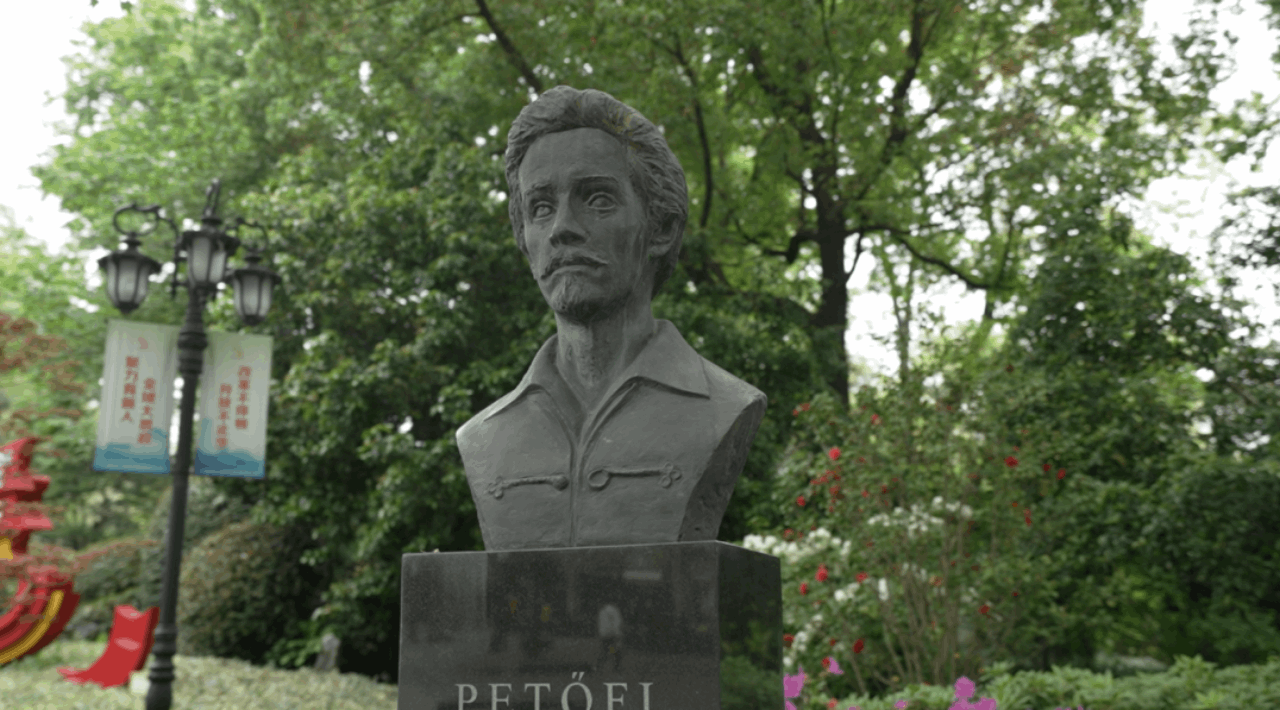
Lu Xun, a Chinese writer, literary critic, and leading figure in modern Chinese literature, popularized it in China. In China, the statue of Petofi stands in Lu Xun Park in Shanghai, Beijing, and Ningbo. The Hungarian government donated this statue in Shanghai’s Lu Xun Park in 2007 to celebrate the country’s long-lasting friendship with China.
Hungarian-Slovak architect Laszlo Hudec is another European name known to Shanghai residents. He lived in the city for around three decades from 1918 and designed more than 60 buildings. Many of them are still standing and marked as the protected historical sites of Shanghai.
The Wukang Masion, which used to serve as the International Savings Society Apartment, is one of the most well-known designs of all. It was located in the former French Concession area of Shanghai. Formerly named Normandie Apartments was renamed in 1953 to Wukang Mansion.
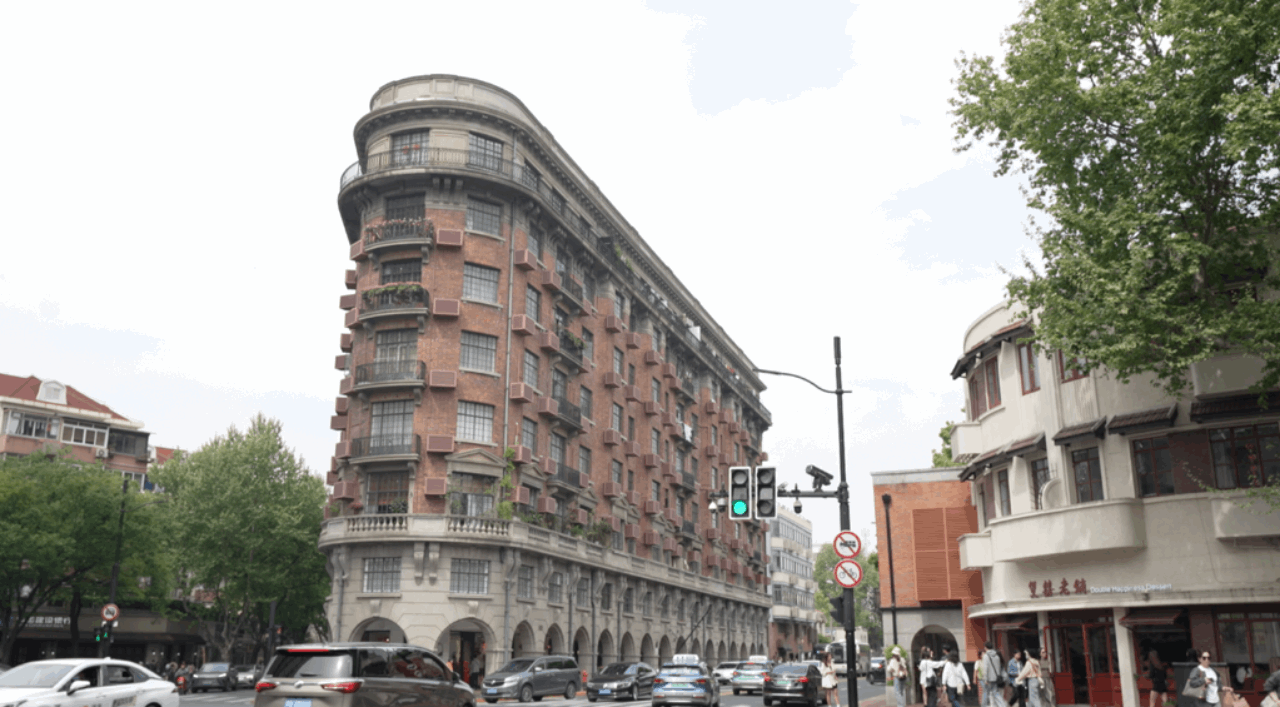
Completed in 1924, the building looks like a giant ship from the outside. It is still used as an apartment building nowadays.
The Grand Cinema and the Park Hotel next to it have witnessed the development and evolution of Shanghai.
Hudec designed the Grand Cinema in 1933 and was seen as a pioneer of Art Deco in China, a style that influenced architecture and design around the world.
The Park Hotel right next to the cinema is another city landmark designed by Hudec. It was Shanghai’s tallest building for more than five decades and was considered the center of the city as Shanghai mapped out the blueprint for its development in early development.
Bence Lengyel, a master’s student at Remin University of China, said he and his friend will tour these buildings when they are homesick.
“I think he is truly inspirational and I am happy that I can share the same cultural heritage as him,” he said, “I think his ideas and designs are what makes him so famous in Shanghai.”
Here is the full video:
Read also:


