Subscribe to our social channels to get the latest news about Hungary!


Budapest’s mayor has said that disputes are likely to dominate in the new political cycle, with “much more door-slamming, Facebook posts, and quarrelling entertaining or boring the public”.
Gergely Karácsony said in a video posted on YouTube on Thursday that over the past five years cooperation and solidarity between district mayors, the Budapest administration and the city assembly had been strong, but now assembly representatives were selected from party lists under the new system and, as such, they were party soldiers.
“I’m not certain this will be a big problem; democracy is a tricky business involving much debate and negotiation,” he said. He added, however, that he was determined to enforce the will of the voters who had given him a mandate to implement a “programme that will make Budapest a better place”. Karácsony insisted that national politics was determined by a power politics “whereby everything happens in line with the decisions of one person or a power elite.”
The mayor noted that
80 percent of assembly representatives were newcomers,
adding that “many good things” were possible, though it would be at the same time “difficult to form new coalitions with new forces, as we don’t know each other … so in recent weeks there has been a bit of door slamming”.
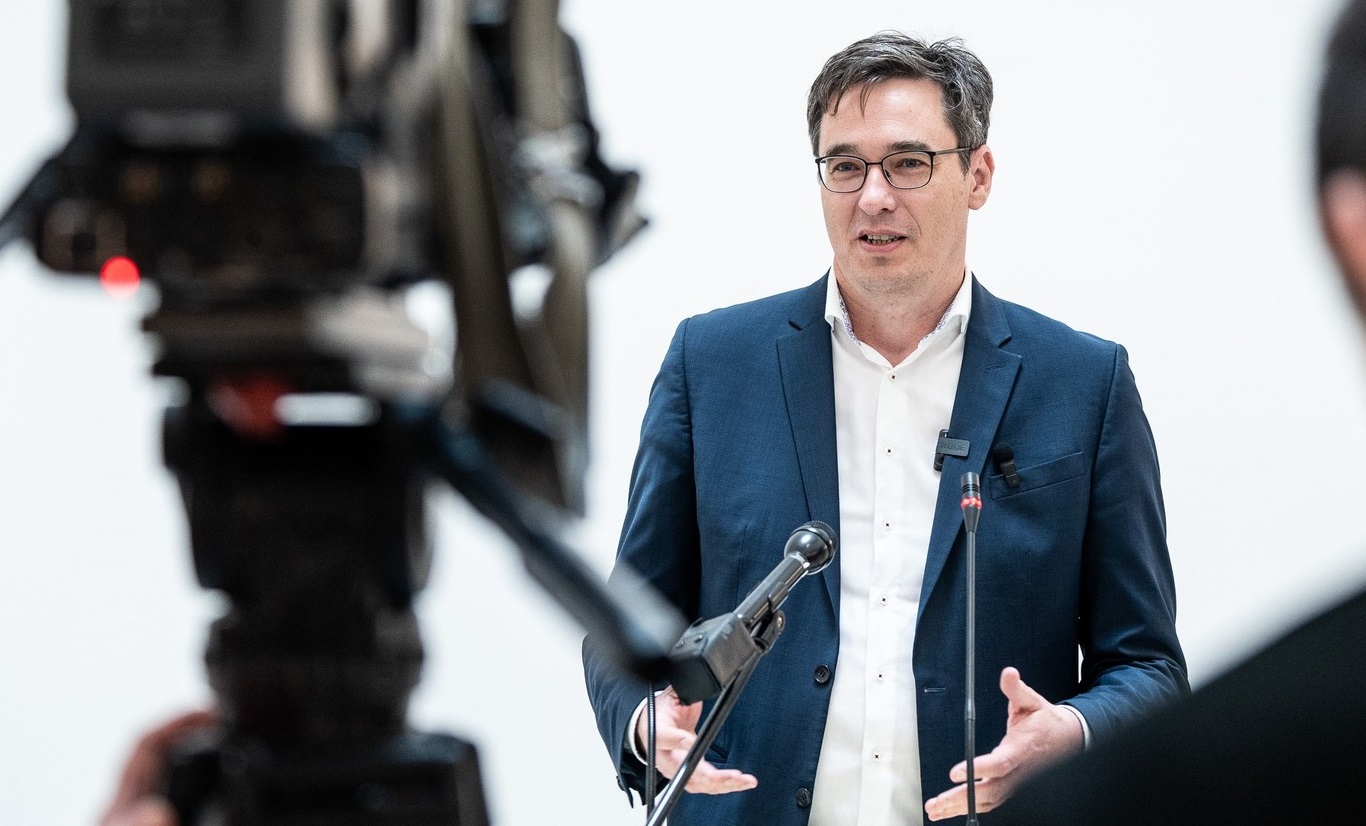
Regarding the wafer-thin majority that he received in the mayoral election, he said that politics in Budapest “has changed a lot” and “certain things” must be done “even more courageously than in the last five years”.
The mayor said there was room for improvement. “We will do better,” he said.
Karácsony said it appeared that he would be starting the term without a deputy mayor.
He noted that he had proposed two deputy mayors, one who represented stability, Ambrus Kiss, while the other deputy mayor should be his erstwhile election rival, Dávid Vitézy, in view of the close result, but for now 17 Tisza Party assembly representatives were unwilling to back his proposal, guided by the party’s national political strategy.
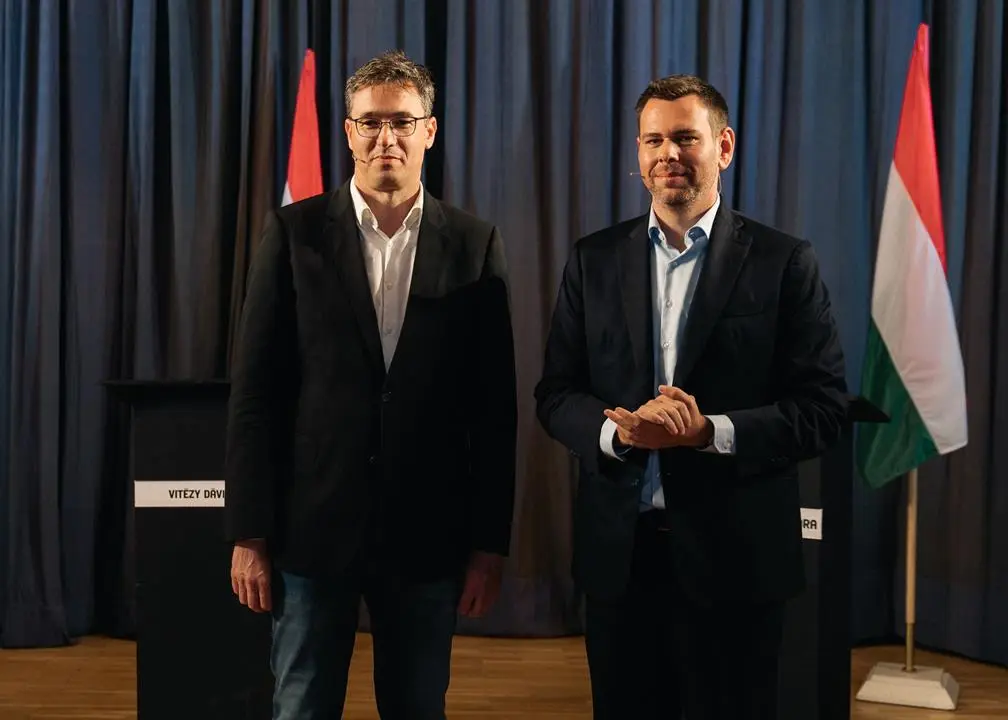
Regarding the first meeting of party groups, the mayor said that all groups were present, and the discussion was “surprisingly good and constructive”.
The Fidesz municipal group’s leader, Alexandra Szentkirályi, told public news portal hirado.hu that she ruled out accepting one of the deputy mayoral posts, saying: “we won’t take part in City Hall pacts of a rainbow coalition”.
Szentkirályi added that she was ready to cooperate “with anyone who wants to work for the people of Budapest” instead of engaging in party political plotting.
According to the law, Karácsony must nominate people for deputy mayor posts, otherwise Botond Sara, the capital’s government commissioner, would do so.
The Fidesz-KDNP group in the Budapest Assembly:
She said the Budapest Government Office exercised legality supervision rights and also checked the legality of Budapest administration decisions.
Szentkirályi said Budapest voters had ushered in a left-liberal majority in the city assembly, and it was up to this majority to solve the question of the deputy mayors.
Today, Fidesz submitted three motions on the “pressing problems” of public safety, homelessness and public cleanliness, she noted, adding that the mayor had achieved little in the past five years to ensure a more livable, safer and cleaner Budapest.
Read also:


