Subscribe to our social channels to get the latest news about Hungary!


The legend of Gül Baba’s death has become a powerful symbol of Islam’s victory in Hungary. On 29 August 1541, Ottoman Sultan Suleiman I’s army captured Buda Castle, splitting the Kingdom of Hungary into three parts and turning the region into a battleground for Ottoman and Habsburg powers for the next 150 years. The once-strong Hungarian state effectively ceased to exist. Following the capture of Buda, Hungary’s main church, the Church of the Assumption (commonly known as Matthias Church), was immediately converted into a mosque.
The first Friday prayer held at the newly converted mosque in Buda marked not only a territorial conquest but also a religious transformation, turning the city into sacred Islamic land. According to legend, Gül Baba—a revered dervish—died during this inaugural service, becoming a symbol of the Ottomans’ commitment to their new stronghold. Sultan Suleiman himself is said to have carried Gül Baba’s coffin.
Little is definitively known about Gül Baba, and much of what has been recorded comes with uncertainties. During his 1663 visit to Buda, Turkish traveller Evliya Çelebi noted that Gül Baba came from Merzifon in northeastern Anatolia. He participated in wars fought by three sultans—Bayezid II (1481–1512), Selim I (1512–1520), and Suleiman I (1520–1566)—before arriving in Buda as an old man in 1541.
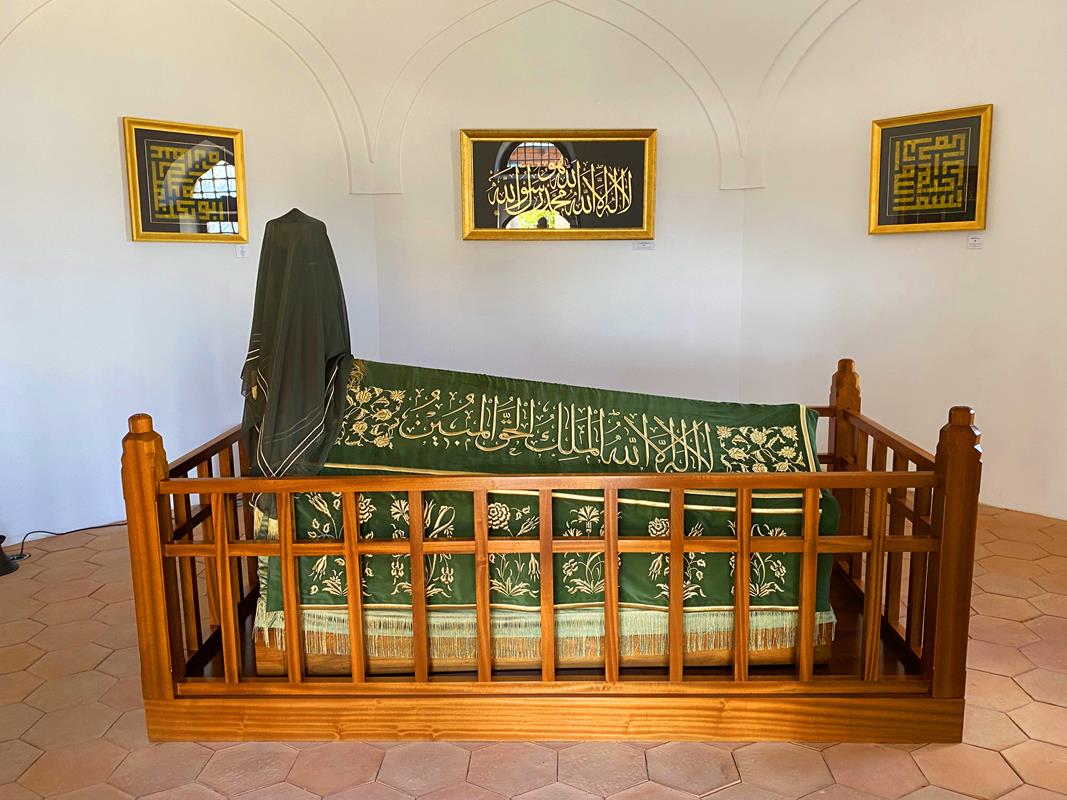
Gül Baba’s monastery appears in Ottoman tax records starting in 1559. His prominence is evident in the generous donations he received, the poems written in his honour, and the legends that formed around him, establishing him as the leading Muslim saint during Ottoman rule in Hungary.
Initially, he enjoyed a prominent cult following among Ottomans, though Hungarians knew little of him. His tomb became a major pilgrimage site where Turkish soldiers offered sacrifices to seek Allah’s favour before heading into battle.
After the Ottomans were expelled from Hungary, Gül Baba’s memory gradually faded and was eventually forgotten. It wasn’t until the 19th and 20th centuries that Hungarians revived interest in him, while Turks remained largely unaware of this renewed fame.
Debates have surrounded his name: “Gül” means “rose” in Turkish, while “baba” is an honorary title for spiritual leaders.
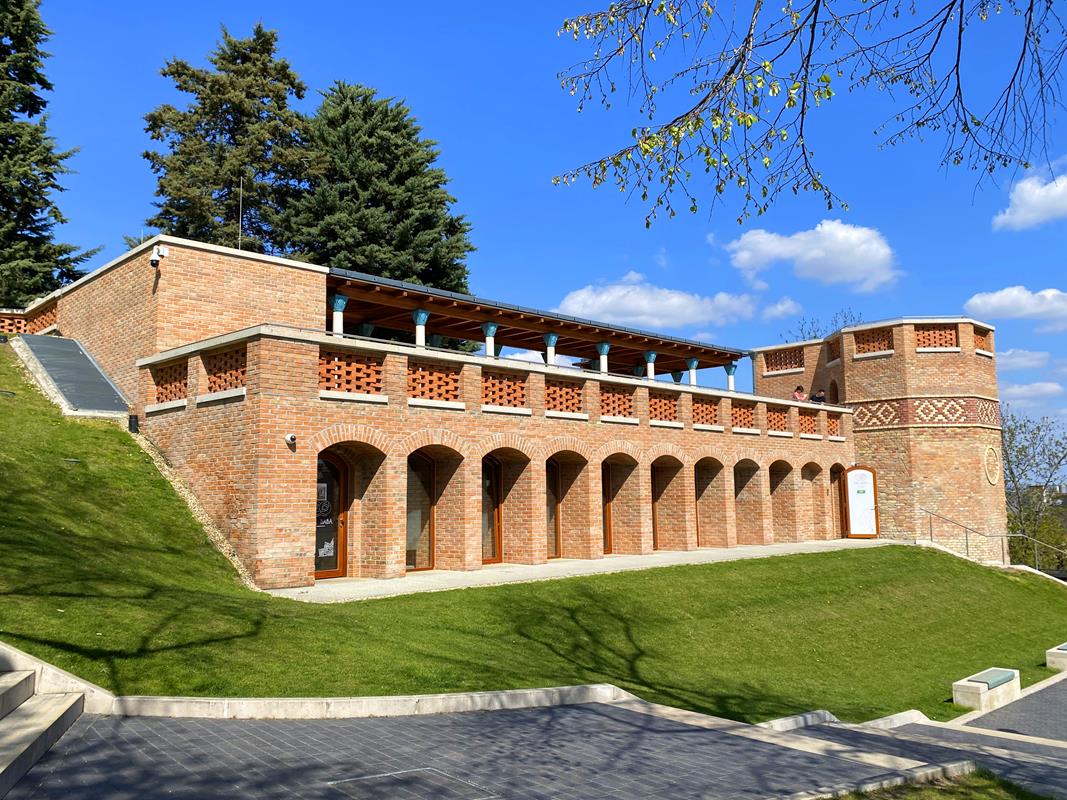
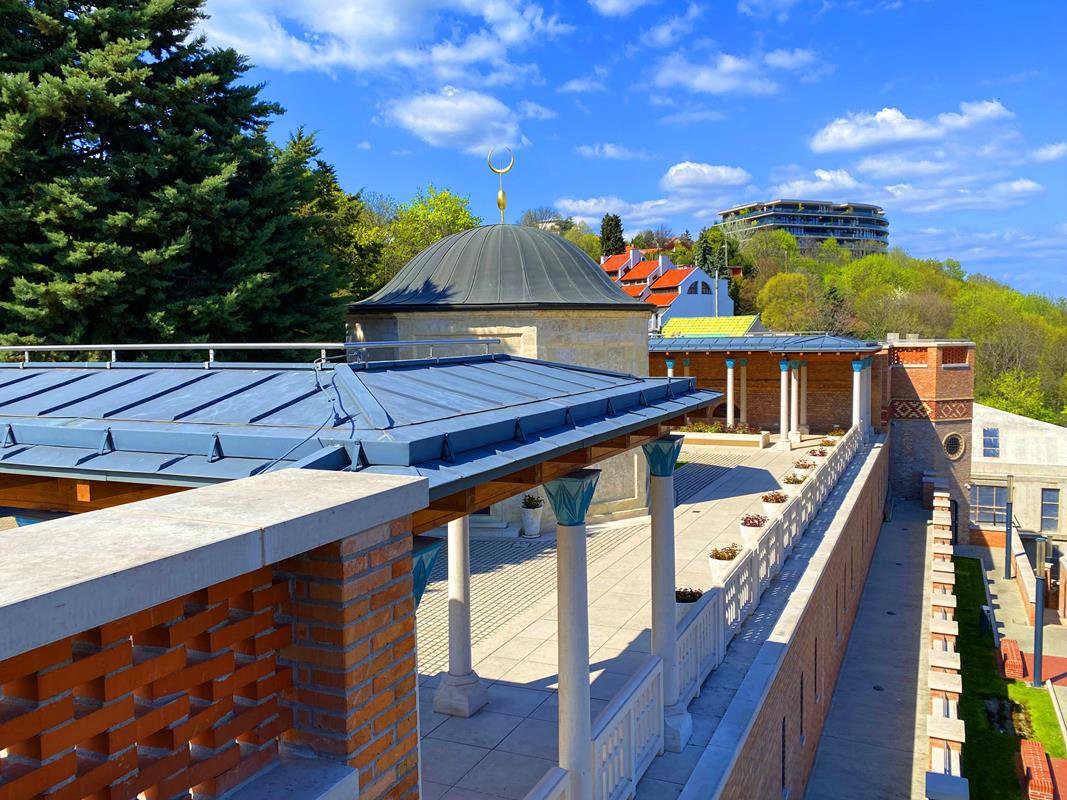
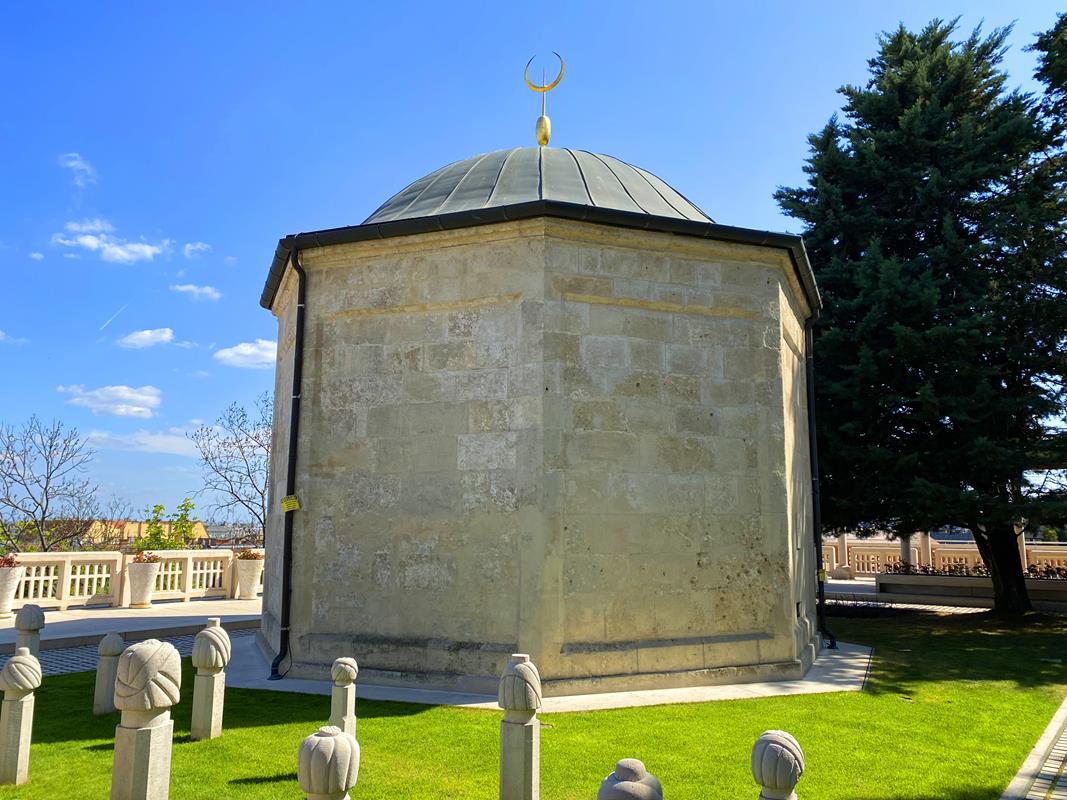
In recent decades, the Turkish government has taken a growing interest in restoring and maintaining Ottoman heritage sites beyond its borders, including those in Hungary. Gül Baba’s tomb (türbe) has played a notable role in Hungarian–Turkish diplomatic relations.
In 1867, Sultan Abdülaziz visited the tomb personally. Sultan Abdülhamid II initiated restoration plans in 1885. Between 1996 and 1997, the building was renovated with Turkish state support. The most extensive restoration occurred from 2015 to 2018 under a bilateral agreement.
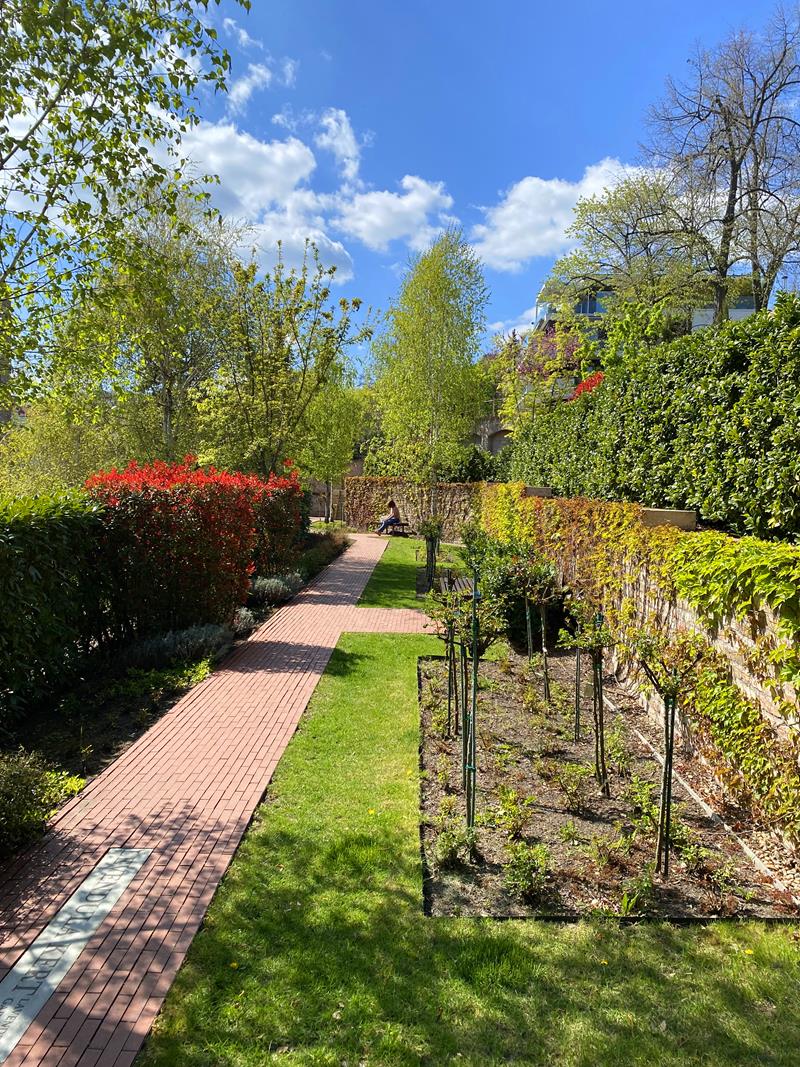
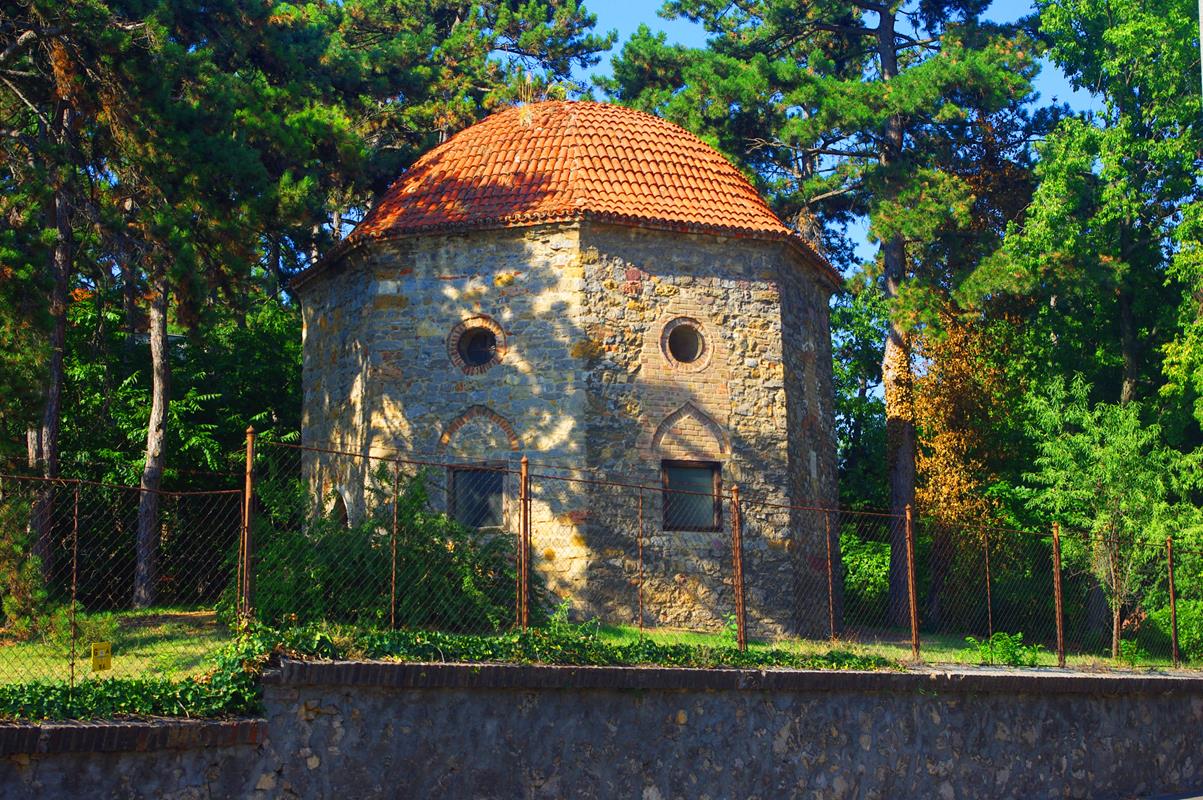
The term “türbe” derives from the Arabic word “turba,” meaning “dust” or “earth,” and refers to a tomb or mausoleum built for prominent figures like sultans, military leaders, and religious heads. Typically, türbes feature octagonal foundations. Only two survive intact from the Ottoman era in Hungary: Idris Baba’s türbe in Pécs and the one in Budapest’s 2nd District.
Hungary’s Ottoman legacy also includes numerous valuable structures, architectural remnants, and artefacts housed in museums, primarily tied to religious life or military architecture. These remain most prominent in regions that stayed longer under Ottoman control and were less affected by military campaigns.
Budapest hosts several surviving Ottoman relics, including bathhouses, the round bastions of Buda Castle, Turkish-style gardens, Ottoman tombstones, and Turkish-era carvings and niches visible in some churches.
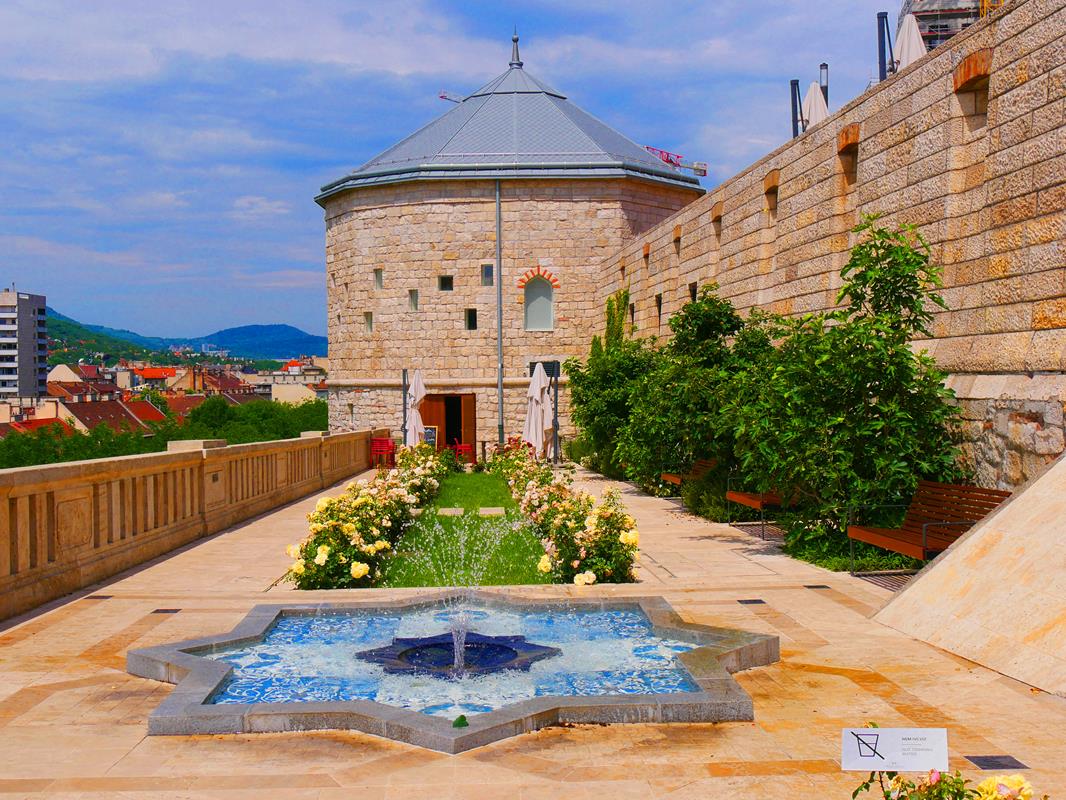
The Gül Baba Cultural Centre and Exhibition Space is officially open to the public free of charge and remains popular with both tourists and Turkish pilgrims, as detailed HERE.
Source:
Balázs Sudár: “The Father of Roses: Gül Baba, A Bridge Between Hungarians and Turks” in Rubicon
To read or share this article in Hungarian, click here: Helló Magyar
Read also:


They ultimately failed, but Europe paid for it with a lot of blood.
Now they are succeeding, with European “leaders'” full complicity and encouragement.
The stomach turns.
Since I saw the article title, I doubted that I will scroll down and not find a disgusting comment from Maria or Steiner!
Well done Steiner, keep moving backwards 😀
Yo, Stone-âge Steiner… are you a Muslim agent in disguise? No one under normal circumstances could be such a bigoted fool.
What a beautiful example of Muslim architecture. It so well speaks of the peaceful soul of Islam.