Subscribe to our social channels to get the latest news about Hungary!


Have you ever wondered what moving to sunny Portugal would feel like? Here are the experiences shared by a Hungarian expat.
Nothing compares to the feeling you get when it is the middle of November and you are on your way to the beach knowing that people in your home country already had to get all the scarves and gloves out of the wardrobe. But other than nice weather, what else does Portugal have in store for someone coming from Central-Eastern Europe? Let us discover all the joy, as well as the nuisances, together.
The small streets of Lisbon. The Portuguese capital has some crazy narrow streets in which it seems extremely tricky to drive for someone that was not born here. I will forever be fascinated by how Uber drivers can drive here so smoothly without evoking fear in the passenger around every corner.
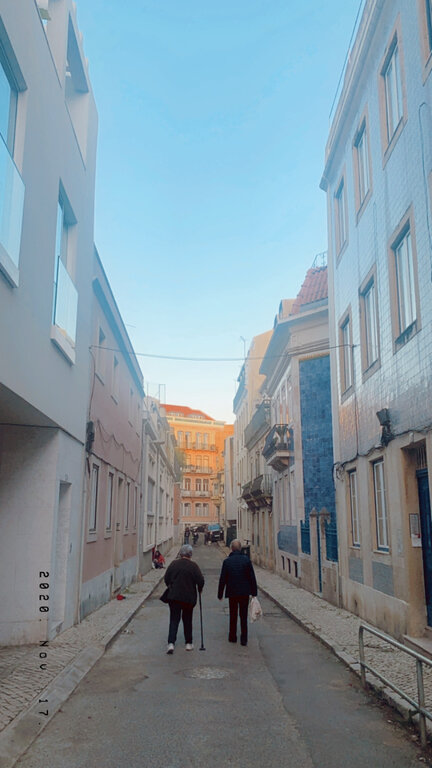
The cobblestones. It is not just driving that seems sketchy, however. I cannot count on one hand how many times I slipped when trying to walk around the neighbourhood in my slippers during my first weeks. Apparently, there is a petition to renovate the old cobblestoned streets because Portuguese people also find them extremely dangerous. The opposing camp, on the other hand, says that cobblestones are part of the city’s appearance and so they have to stay. Whether they stay or not, the lesson, for now, is: however appealing the weather is, do not go walking around in slippers.
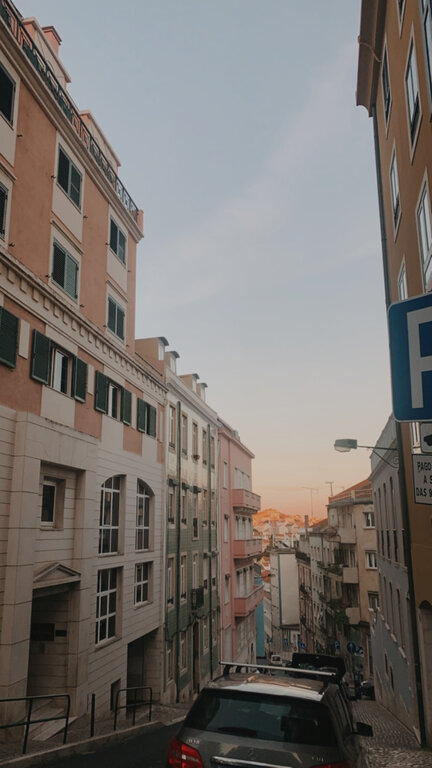
The hills. Let us continue by analysing the streets of Lisbon. The city was built on hills, and basically, a short trip to the local grocery store can equal a proper workout. This is something very difficult – but not impossible! – to get used to for someone that grew up on flat grounds.
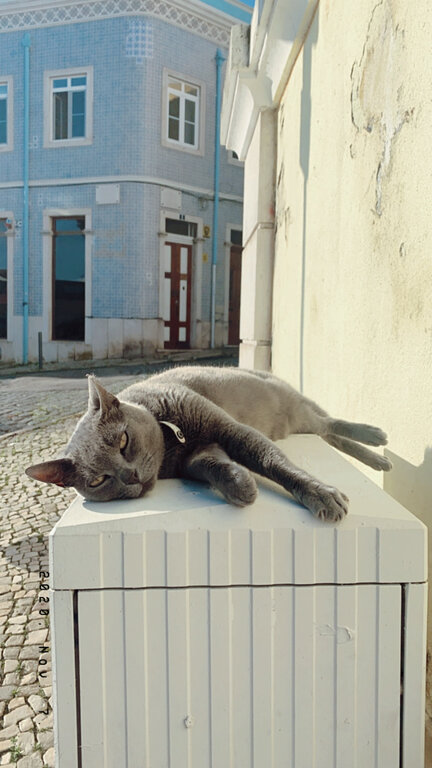
The tricky weather. However sunny the weather may seem when you leave your house, you should indeed take that coat with you. The wind could get pretty cold, and the nights are very chilly as well. Layering is key. Plus, you should also be aware that most houses, especially the old ones, will not be equipped with central heating.
The pastelarias. On every corner of the streets of Lisbon, you will find these typical Portuguese restaurants and pastry shops. They do not necessarily look fancy, and the staff might not even speak English, but even if you have to act out your order, trust me, you must go in there. These places have the nicest, most authentic Portuguese food you can imagine.
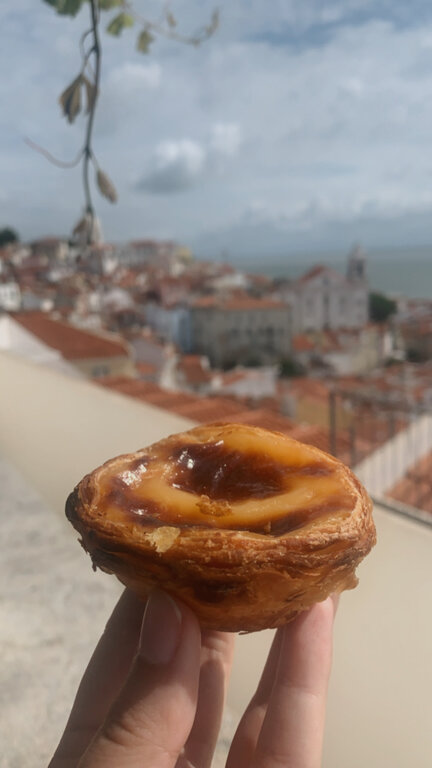
The Portuguese language. Most people you will meet will speak English pretty well, and it is also common that TV shows and films are subtitled rather than dubbed. But there are, of course, exceptions, and there will be situations when knowing and speaking at least the basics will help you out a lot – even though it is not the easiest language to learn, it will be rewarding to speak it.
The people. Portuguese people are very friendly and overall welcoming; therefore, making friends should not be a problem here. They have a very relaxed attitude to life, which can feel relieving but might also be weird for someone coming from another culture.
And the views. Overall, Portugal and the city of Lisbon seem perfectly picturesque with the eyes of an outsider. Everywhere I look, my eyes meet a lot of beauty, let it be nature, architecture, or just the sun reflecting back on some colourful tiles. Be careful because it is easy to fall in love.


From Hu to P what should one expect?
Simple: a free, liberal, fully democratic country instead of a de facto dictatorship.