Subscribe to our social channels to get the latest news about Hungary!


It appears that Hungary is struggling to compete with Türkiye in the labour market—even after welcoming a record 130,000 guest workers. Chinese automaker BYD has unexpectedly announced that mass production at its Szeged plant will be delayed until 2026 and will produce fewer electric vehicles than initially planned. Meanwhile, production is ramping up in Türkiye.
BYD, China’s automotive giant, continues to expand into foreign markets. Its primary target is the European Union, and the company relocated a significant portion of its production to Hungary—along with its European headquarters—to avoid steep tariffs that would render its cars uncompetitive in the EU.
However, according to a Reuters report, while electric cars manufactured in China face a 27% tariff, those produced in Türkiye do not—thanks to the EU-Türkiye customs union. In this context, the deciding factor between Hungary and Türkiye comes down to labour costs—where Hungary appears to fall short, even with its large foreign workforce.
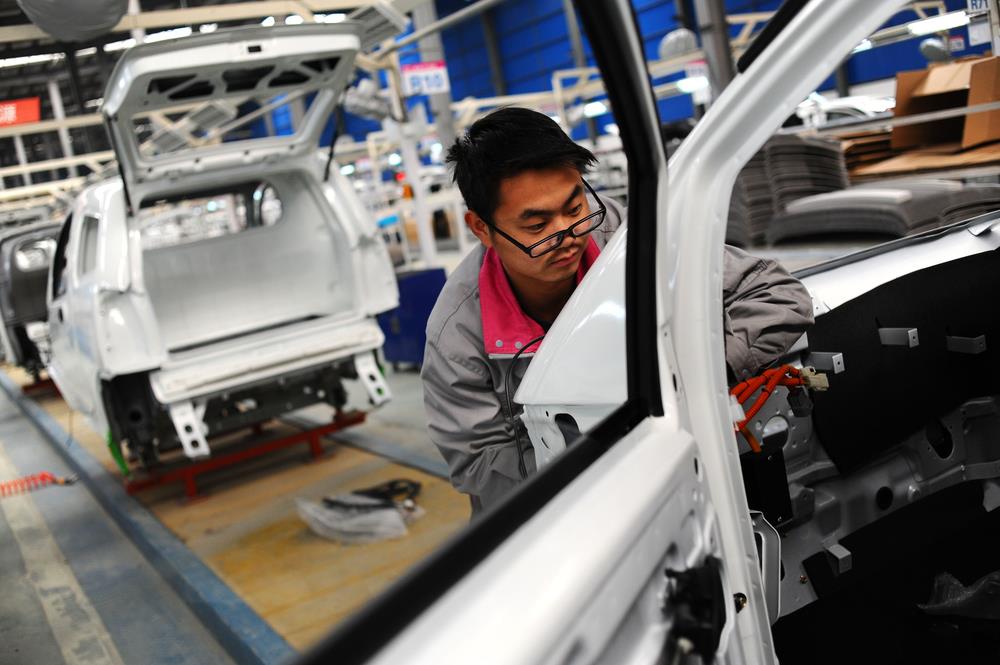
The Reuters article notes that BYD now plans to commence mass production in Hungary only in 2026 or 2027—postponed from the original target of September 2025. Moreover, the company now intends to roll out only tens of thousands of vehicles, despite the Szeged plant’s €4 billion (approximately HUF 1,600 billion) investment and a production capacity ranging from 150,000 to 300,000 vehicles annually. The facility is still scheduled to open in October, but there is no official timeline for scaling up to full production. Some sources suggest this could happen next year; others believe not until 2027.
Meanwhile, BYD’s Turkish plant—built for $1 billion (HUF 342 billion)—is expected to begin mass production by the end of next year, with an annual capacity of 150,000 vehicles. One source states that Türkiye’s output will already surpass Hungary’s next year. By 2027, Türkiye is expected to exceed 150,000 units, with further increases planned for 2028. Most of this production will be exported to the EU.
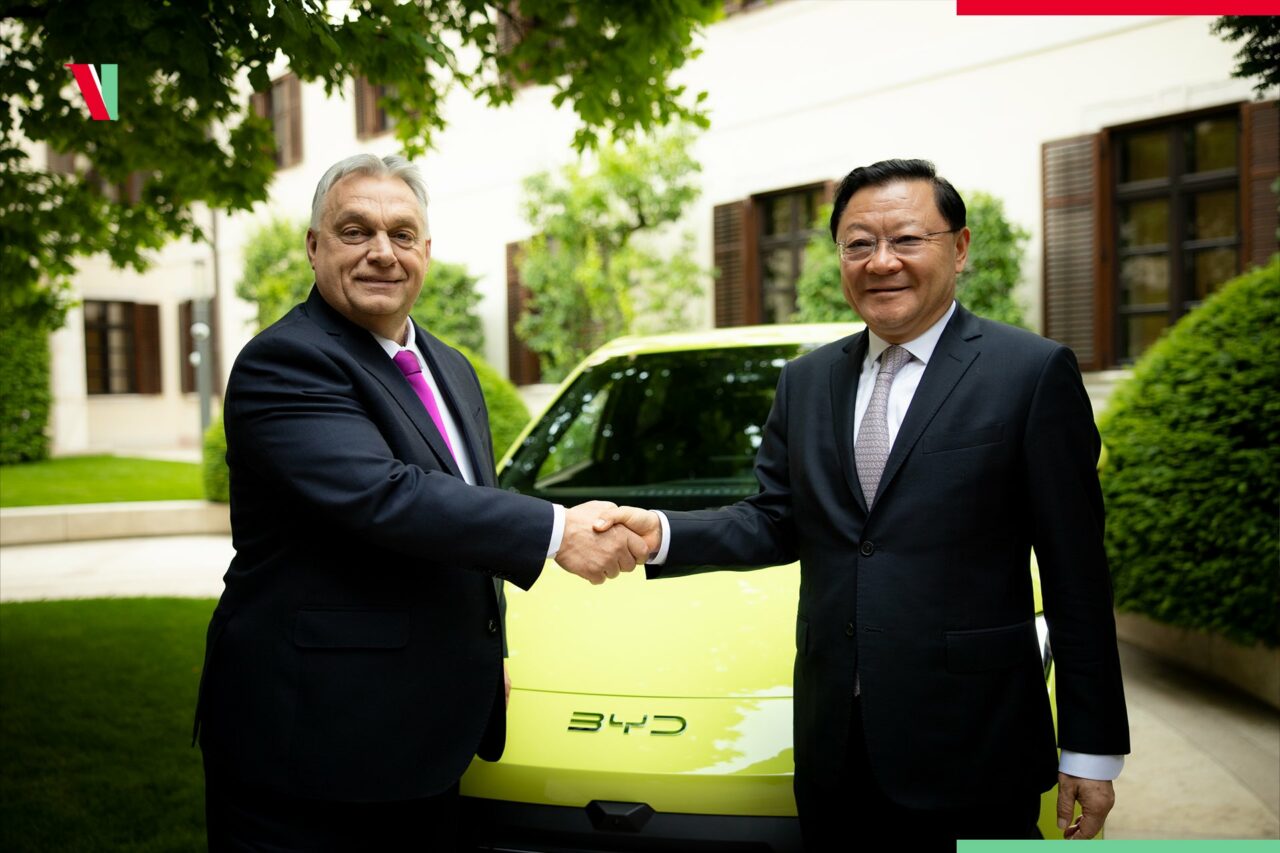
BYD has declined to comment on the changes. However, Reuters notes that the company’s growth in China has slowed due to intense price competition. In contrast, demand is growing in Europe for BYD models, which are priced more competitively than those of European manufacturers. According to S&P, BYD sold 83,000 vehicles in Europe last year—a figure expected to rise to 186,000 this year and reach 400,000 by 2029. Judging by these figures, the Manisa plant in Türkiye may ultimately handle much of the output originally planned for Szeged.
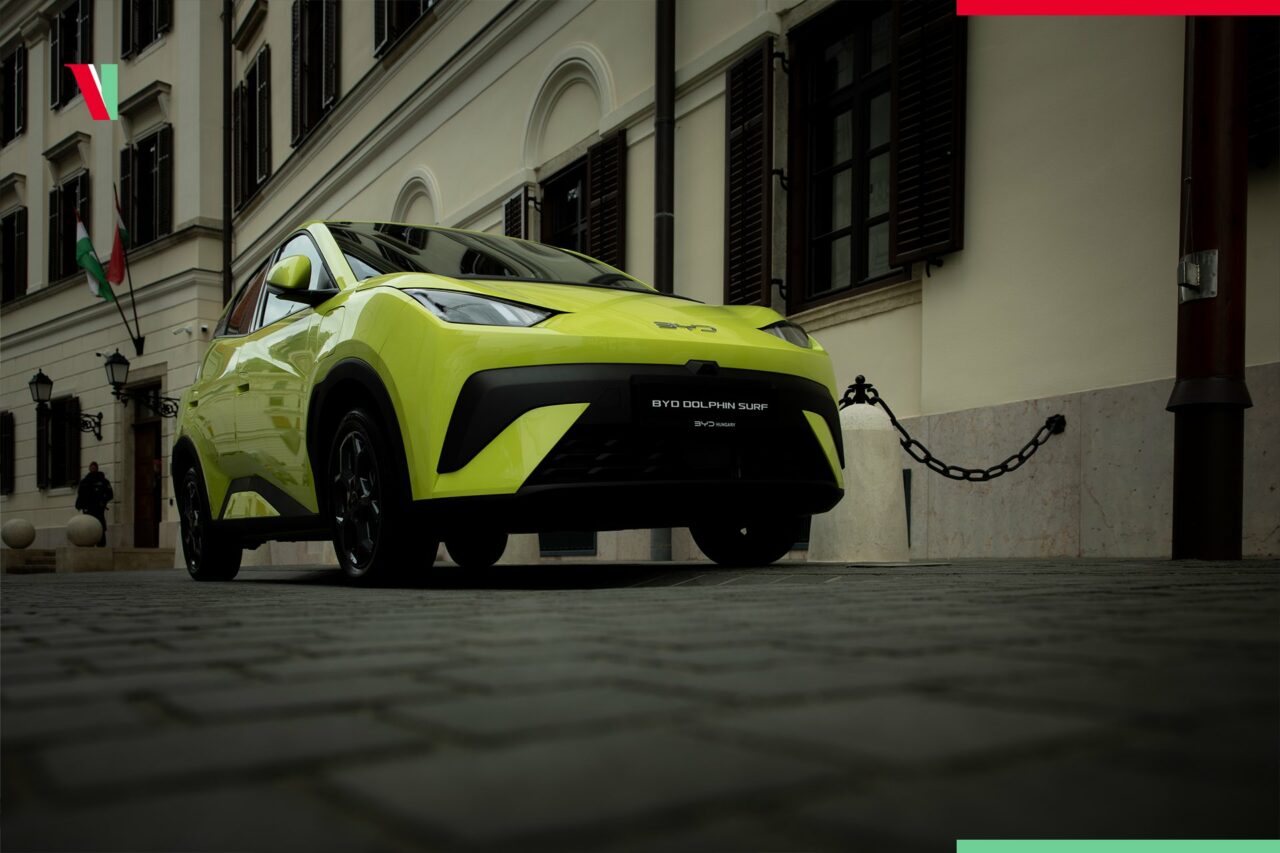
A Reuters source noted that Hungary may still produce BYD’s popular Atto 2, Atto 3, and Dolphin models, while another source said the low-cost Seagull could also be manufactured in Szeged.
According to opposition-linked kontroll.hu, which is close to politician Péter Magyar, the Hungarian government had projected significant tax revenue from the Szeged plant. Any reduction in production capacity could, therefore, deal a painful financial blow.
China’s BYD, which is building its first European car factory in Szeged (southeast Hungary), is sticking with Hungary and has not changed its plans to implement the investment and ramp up production, the head of the Hungarian Investment Promotion Agency (HIPA) said on Tuesday.
HIPA CEO István Joó stated in a post on social media that reports about BYD postponing the launch of production at its plant in Szeged and commencing production at a Turkish plant instead were false. Joó said BYD’s headquarters confirmed on Tuesday that work in Szeged is continuing at full speed.
Joó noted that BYD began construction work in Szeged in 2024 and that the investment will create thousands of high value-added jobs, with local suppliers also set to benefit from BYD’s presence. The company is also establishing a European headquarters and R&D centre in Budapest, he added.
The construction of Chinese vehicle maker BYD’s plant in Szeged (SE Hungary) is “proceeding on schedule”, BYD Hungary told MTI on Wednesday. BYD Hungary said production at the new base was planned to start at the end of 2025. The company added that the planned capacity of the plant, a peak 300,000 vehicles a year, had not changed.
BYD is in the midst of certifying 150 Hungarian and European suppliers to strengthen further its local supply chain, BYD Hungary said. BYD’s plans in Europe are “for the long term”, it added. BYD started construction of its manufacturing base in Szeged in 2024. The company also moved its European headquarters to Budapest and has announced two R+D programmes with local universities with a value of around EUR 250m.
Read more articles on electric vehicles.
To read or share this article in Hungarian, click here: Helló Magyar


