Subscribe to our social channels to get the latest news about Hungary!


In Hungary, a hotel in the popular spa town of Hajdúszoboszló has become embroiled in controversy due to its use as accommodation for Filipino guest workers involved in the construction of a BMW factory near Debrecen. The hotel, known as Hotel Aqua Blue, has been rented out for this purpose since last autumn, despite not holding the necessary permits for such use. This has raised concerns both locally and nationally, highligting issues of regulation, worker welfare, and tax compliance.
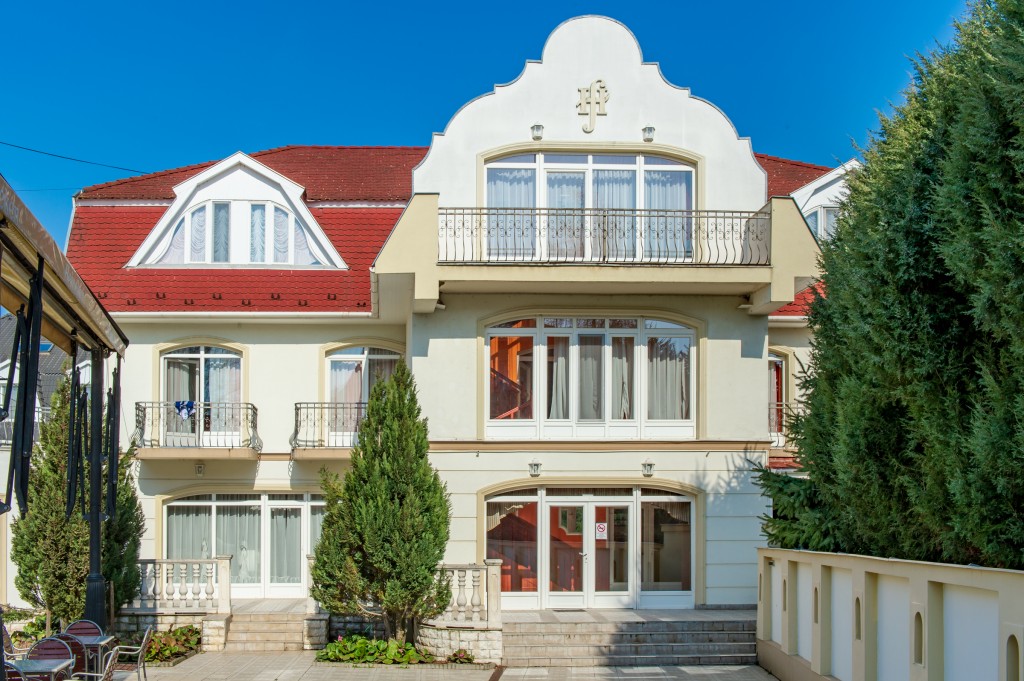
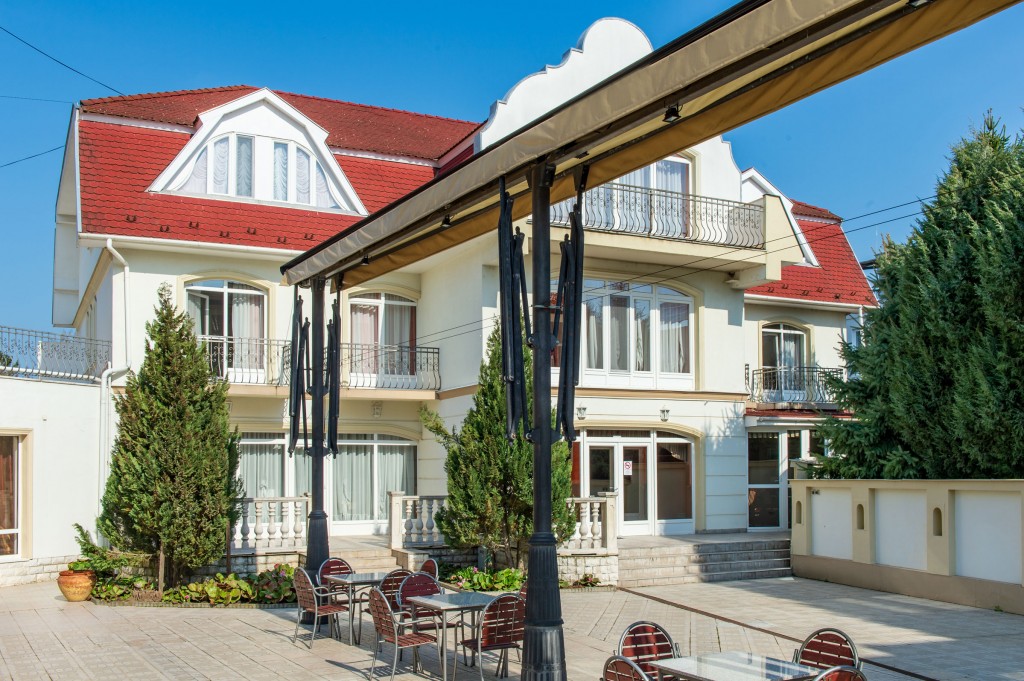
Originally operating under a tourism license, the hotel was previously a popular destination for visitors to the area, located just 150 meters from the town’s main attraction, a thermal bath complex. However, since shifting its focus to housing foreign workers, the facility has faced criticism from local officials. The hotel, with a capacity approved for 158 guests, is reportedly housing around 350 workers, significantly exceeding its legal limit, 24.hu reports.
The controversy deepens with the involvement of Duna Faktor, a debt collection and financial services firm, which acquired the hotel during a liquidation process. The transaction has been described as complex and opaque, with the property being sold for a fraction of its appraised value, largely through debt assumption rather than direct payment. Duna Faktor’s connections extend to several small businesses that have acquired parts of the hotel property, financed through state-backed loans, further complicating the ownership structure.
Local mayor Czeglédi Gyula has been vocal about the issues arising from this arrangement, particularly concerning the lack of tax payments to the municipality. According to Czeglédi, hotel owners or renters should be paying local taxes associated with providing worker accommodations, but this has not been happening. This has prompted calls for stricter regulations and enforcement, particularly in areas designated as therapeutic or world heritage sites, to prevent such properties from being used as worker accommodations.
The situation is further complicated by the Hungarian government’s unclear stance on the regulation of such facilities. Efforts to get clarification from the Ministry of Interior and the Ministry of Public Administration and Justice have been met with silence or vague responses, leaving the local authorities uncertain about their responsibilities in enforcing regulations.
Additionally, there are allegations that Duna Faktor and its associated entities have been involved in dubious business practices, including the sale of so-called health products to elderly individuals under questionable circumstances. This past activity has raised concerns about the ethical standards of the company and its affiliates, further clouding the public perception of their current business operations.
The diplomatic implications of this situation are also noteworthy. The large influx of foreign workers and the conditions under which they are housed can have broader social and economic impacts, potentially affecting Hungary’s international relations, particularly with countries like the Philippines, which supply much of this labor.
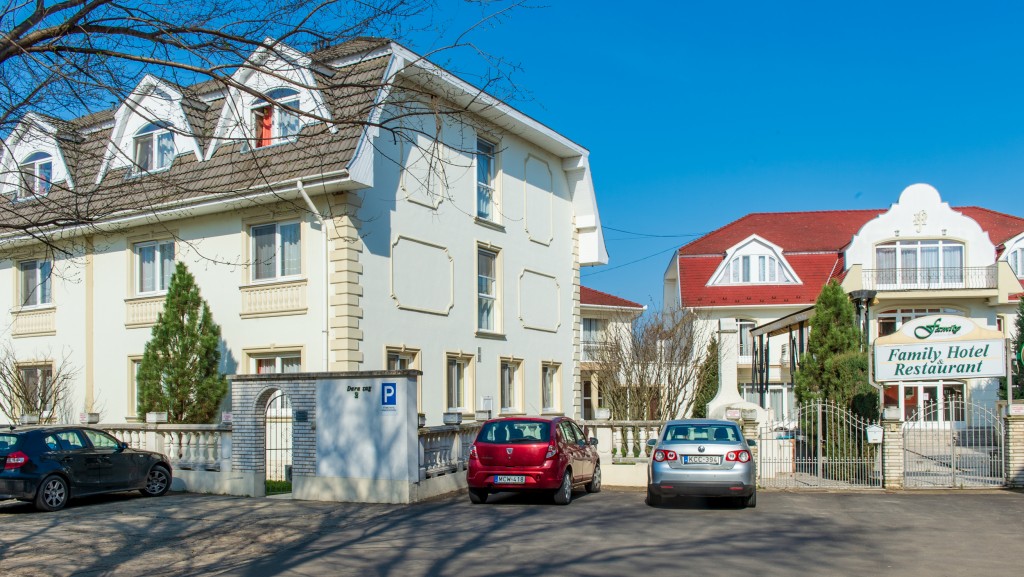
The controversy surrounding the Hotel Aqua Blue and its use as worker accommodation reflects broader issues within Hungary regarding the regulation of foreign labor, the ethical obligations of businesses, and the enforcement of local laws. As the debate continues, local officials and residents alike are calling for greater transparency and accountability from all parties involved.
Read also:


