Subscribe to our social channels to get the latest news about Hungary!


According to G7, these beloved brands, which have been under the ownership of the Swiss-based company since the privatisation period following the regime change, were originally acquired alongside the renowned Szerencs Confectionery Company. Among Szerencs Confectionery’s flagship products, Boci chocolate remains treasured as one of its earliest and most cherished creations.
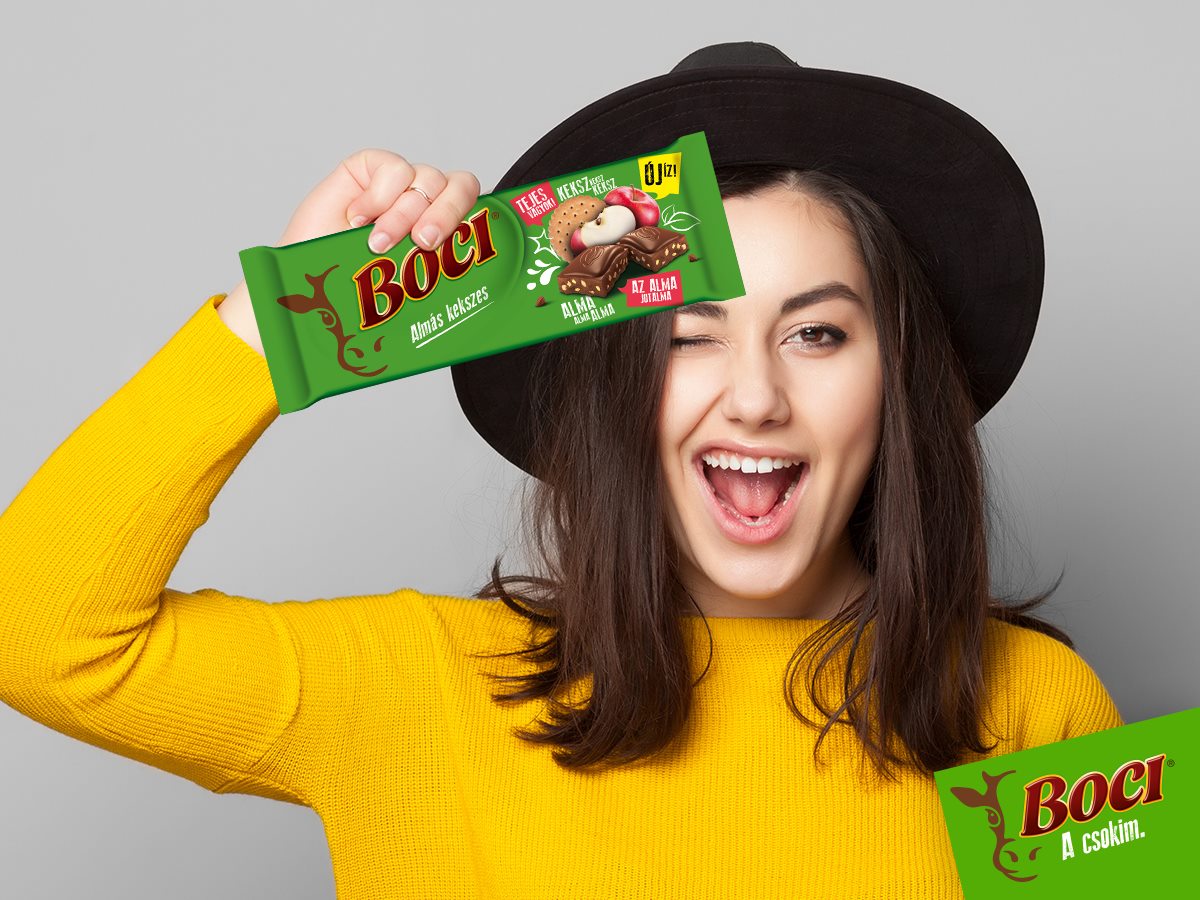
The story of the Boci chocolate bar traces back to 1927 when it first appeared in stores under the name Szerencs. However, its packaging featured a cow, which led customers to affectionately call it “Boci” (Cow in Hungarian), a name, which was later officially adopted by the manufacturer.
Before the Second World War, Szerencsi became the largest confectionery in the country. However, in 1944, the factory faced disruptions as German soldiers invaded the area. Nonetheless, the director then successfully prevented the removal of machinery. Despite this effort, the factory’s cocoa bean supply was interrupted, limiting production to nougat, wafers and sugary confectionery. The factory was later nationalised in 1948, continuing as the Szerencs Confectionery Company.
The resurgence of Boci awaited the mid-1950s, amidst efforts to elevate chocolate quality and variety. By 1955, Boci reappeared, priced at 80 pfennigs (Hungarian currency), swiftly gaining popularity even as bread prices stood at three forints per kilo. This revival marked a return to consumer favour, underscored by its affordability compared to other goods of the times; for instance, peanut chocolate cost 3.6 forints during that period.
In the 1960s, the Boci chocolate bar saw a price reduction to 50 pfennigs alongside quality enhancements. However, by the 70s, concerns arose regarding the diminishing quality of Hungarian chocolate, with journalists questioning what had changed in the production process that led to this decline.
In the late 1980s, efforts were undertaken to renovate the chocolate factory, upgrade machinery, expand the warehouse network and enhance technology to enhance milk chocolate quality and product diversity. Despite these endeavours, some quality complaints persisted, with manufacturers attributing them to storage issues by retailers and distributors, as highlighted by instances such as manually extending chocolate box expiry dates, which raised concerns regarding product integrity and consumer trust.
In 1991, Nestlé acquired the Szerencs Chocolate Factory through privatisation, injecting significant investment, approximately HUF two billion, to elevate its quality. This investment was coupled with robust marketing efforts.
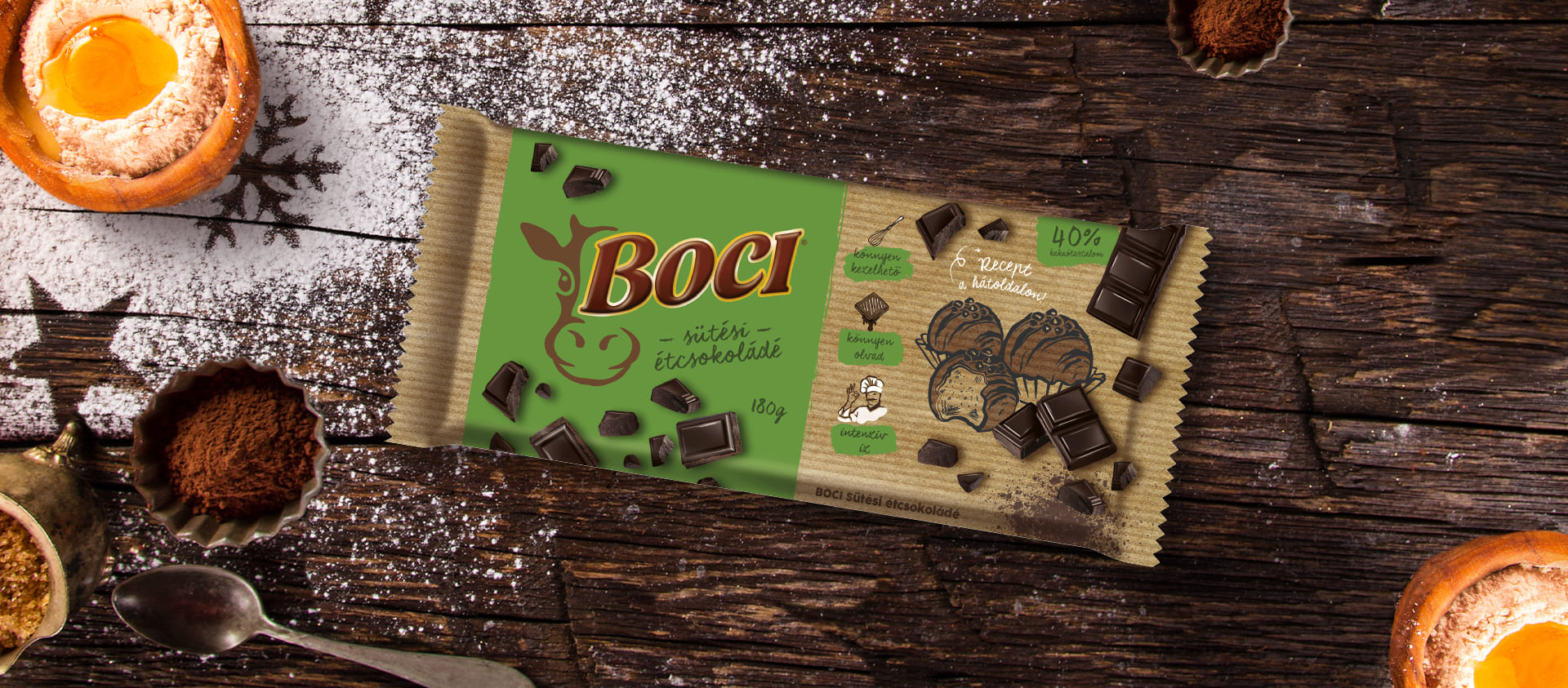
Despite rumors of its decline, the factory manager affirmed Boci’s enduring presence in 1995, citing quality enhancements and effective advertising. The following year, Nestlé expanded the brand with new products. However, in 2004, Nestlé relocated Boci production to the Czech Republic, repurposing the Szerencs factory for Nescafé and Nesquik items.
This move caused notable reactions, echoing similar shifts in the industry, such as Kraft Foods’ relocation to Bratislava, resulting in factory closures in Hungary.
In recent times, a trend has emerged in Hungary where brands, originally Hungarian but later acquired by foreign entities post-regime change, are returning to domestic ownership in the sector. Notable examples include Nestlé relinquishing the “Szerencsi” trademark on its confections in 2018 in favour of the Szerencsi Bonbon Corporation. Additionally, in 2021, Nestlé transferred the Szerencsi cocoa trademark and the iconic red cat with a bow to the city, enabling Szerencsi Bonbon to use them under a free license.
Read also:


