Subscribe to our social channels to get the latest news about Hungary!


Transylvania is truly a land of magic and wonders with its cloudy peaks, bears and wolves, magnificent fortresses and castles (one owned by Dracula himself back in the day) and rich cultural heritage. Here, it happened that the future Hungarian prime minister beat the future Romanian prime minister in an election that was unfortunately filled with tragedies in 1906.
1905 and 1906 were strange years in the Austro-Hungarian Empire. In Hungary, the governing party lost the 1905 general elections, but Emperor Franz Joseph did not nominate a prime minister from the victorious parties. Instead, he began a long and tiresome political crisis by appointing an officer as prime minister. He calculated well. The Hungarian pro-independence opposition rejecting the 1867 compromise became exhausted in the political struggle and gave up their programme.
Following the April 1906 compromise between Emperor Franz Joseph and the Party of Independence and ’48, the strongest opposition party, a new general election was held in the Kingdom of Hungary between 29 April and 8 May. Since the Hungarian electoral system had only districts, those parties had a representative in the Hungarian Parliament who could win a district. Interestingly, a candidate could run for multiple districts.
Pál Teleki was Hungary’s prime minister between 1920-1921 and 1939-1941. In 1906, he was just 27 years old, a jurist who prepared to become one of Hungary’s greatest experts in geography (creating the famous “Red Map of Hungary”). Being an aristocrat meant he had to participate in political life and Géza, his father was the MP of their district (Nagysomkút, Șomcuta Mare in Transylvania) before. In 1906, Géza ran for Nagybánya (today Baia Mare), so his son’s task was to win the “old” district of the family.
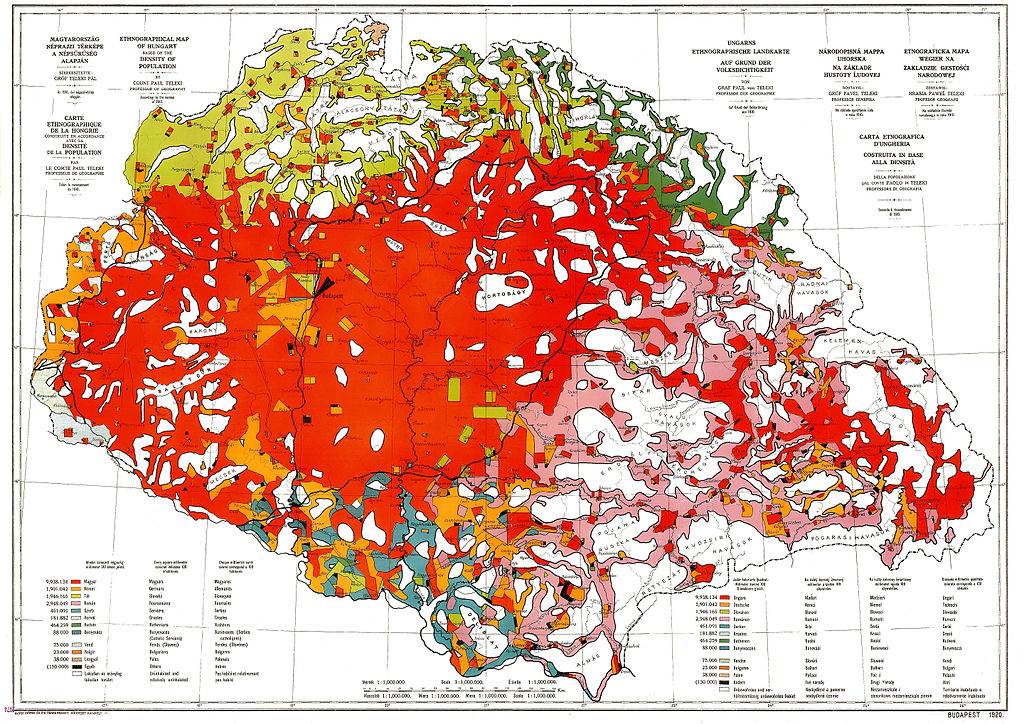
He already did that before. In 1905, when the pro-independence opposition won almost everywhere in the country, he managed to win in Nagysomkút. As an opposition candidate, he did not even have an opponent. But 1906 was different.
Alexandru Vaida-Voevod, one of the prominent politicians of the Romanian National Party, a political community representing the interests of the millions of Romanians living in the Hungarian Kingdom, ran for that electoral district.
Vaida-Voevod campaigned in Romanian, but Teleki also gave speeches in that language which he learnt from the local boys he played with when he was a minor.
The Romanian politician performed relatively well. We cannot discuss universal suffrage, so only approximately 4,000 people could vote in the district in 1906. More than 3,000 took part: Teleki received 1,706 while Vaida-Voevod had 1,342 votes.
The problem was that many soldiers were commanded in the district to “keep up order”. When officers arrested one of the supporters of Vaida-Voevod, some locals in Karulya attacked voters being carried on carts to Nagysomkút to vote for Teleki. Both the attackers and the attacked were ethnic Romanians. Two died, four injured.
Vaida-Voevod ran in other districts and got elected, so he became a member of the new Hungarian National Assembly. He slammed Teleki in his first speech and called him to return his mandate due to the violence. Teleki’s reply was short. He said he had nothing to do with it. After the political attack, he donated lots of money to the relief fund of the victims even if he had no responsibility for what happened.
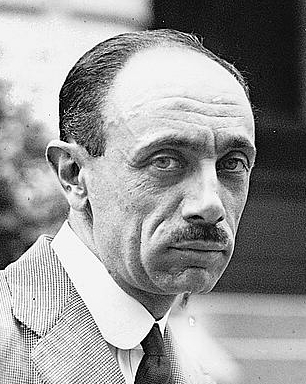
We wrote above that Teleki became prime minister of the Kingdom of Hungary twice. In 1920, he took office after Hungary signed the Peace Treaty of Trianon and lost 2/3rd of its territories and 1/3rd of its Hungarian population. In 1939, he regained the premiership only months before WWII began. On 3 April 1941, he committed suicide because he thought Hungary should not take part in the German attack against Yugoslavia even though hundreds of thousands of Hungarians lived there. That is why Sir Winston Churchill said in a radio speech following the suicide that one seat should be left empty for Teleki on the future WWII peace talks.
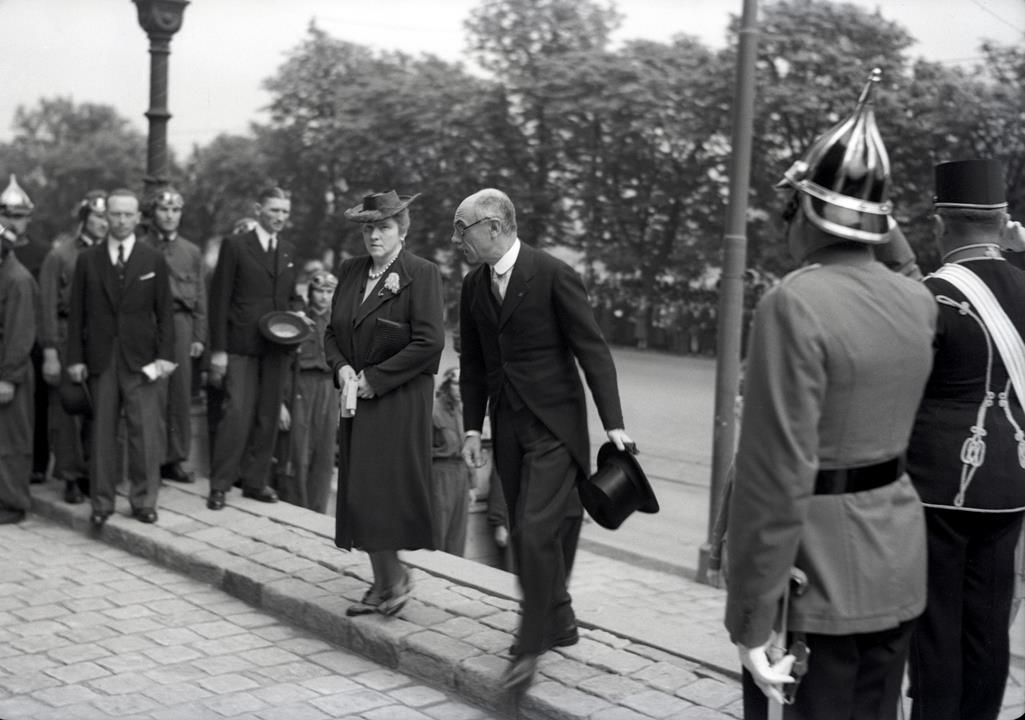
Alexandru Vaida-Voevod was among the strongest supporters of the Austro-Hungarian Empire’s federalisation. After the murder of heir Franz Ferdinand in Sarajevo, he saw no other option for the Romanians living in Hungary than joining the Kingdom of Romania. In October 1918, when the collapse of the central powers was on the horizon, he talked openly about that in the Hungarian Parliament. As a result, he had to leave the national assembly through a back door.
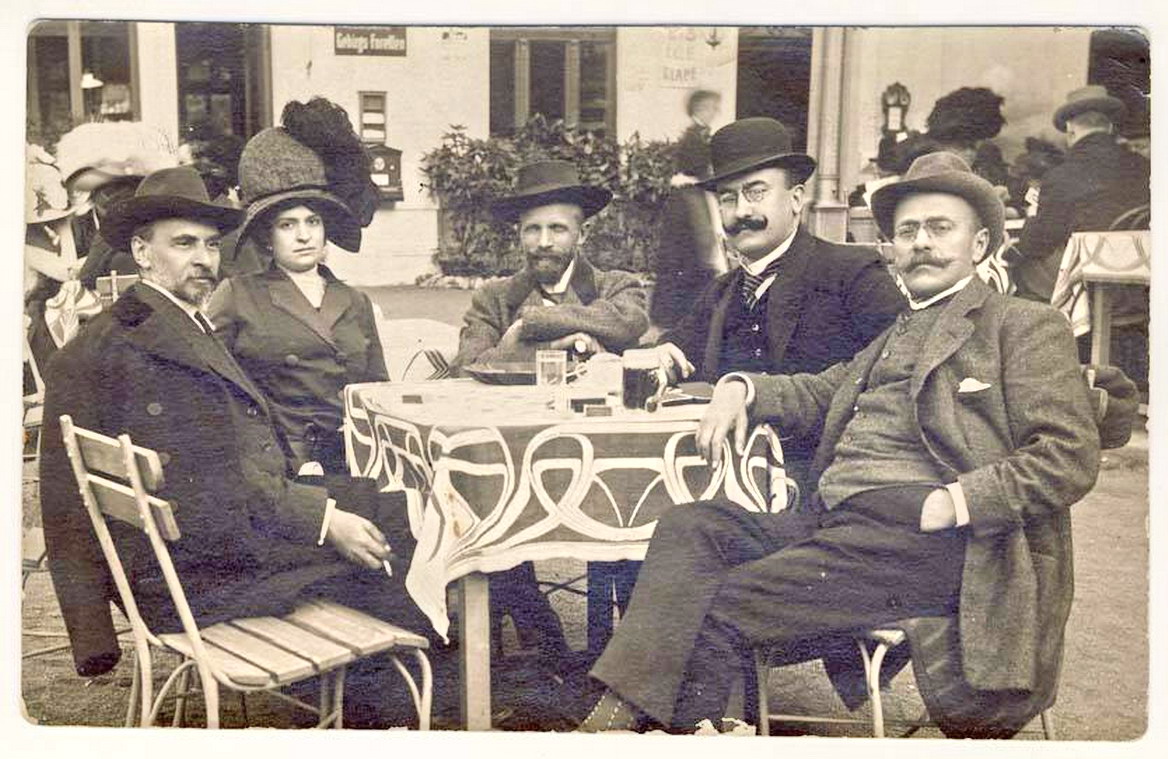
Later he became the prime minister of Romania three times, but only for short periods (1919-1920, 1931-1932, 1932 and 1933). He died in 1950 under house arrest in Nagyszeben (Sibiu), where he had to live after the Communists took power in 1946.
Read also:
Source: Balázs Ablonczy: A miniszterelnök élete és halála (Life and Death of the Prime Minister), Teleki Pál (1879-1941). Budapest, Jaffa, 2018.


