Subscribe to our social channels to get the latest news about Hungary!


Hungary’s motorway network is set for a major upgrade with the introduction of intelligent emergency lane systems (ITS) on key routes, starting with the M1 motorway. This innovative approach aims to alleviate traffic congestion, reduce emissions, and improve road safety, marking a significant shift in the country’s transportation infrastructure strategy.
As we reported earlier, construction on the M1 motorway will begin on 1 September 2025, focusing on expanding the road surface and integrating ITS-equipped emergency lanes between the M0 junction and the Concó rest area. These lanes will function as temporary traffic lanes during peak hours or emergencies, dynamically opening based on real-time traffic conditions. Each lane will match standard traffic lanes in width (3.75 meters), effectively creating a 2×4 lane configuration during high-demand periods, Index writes.
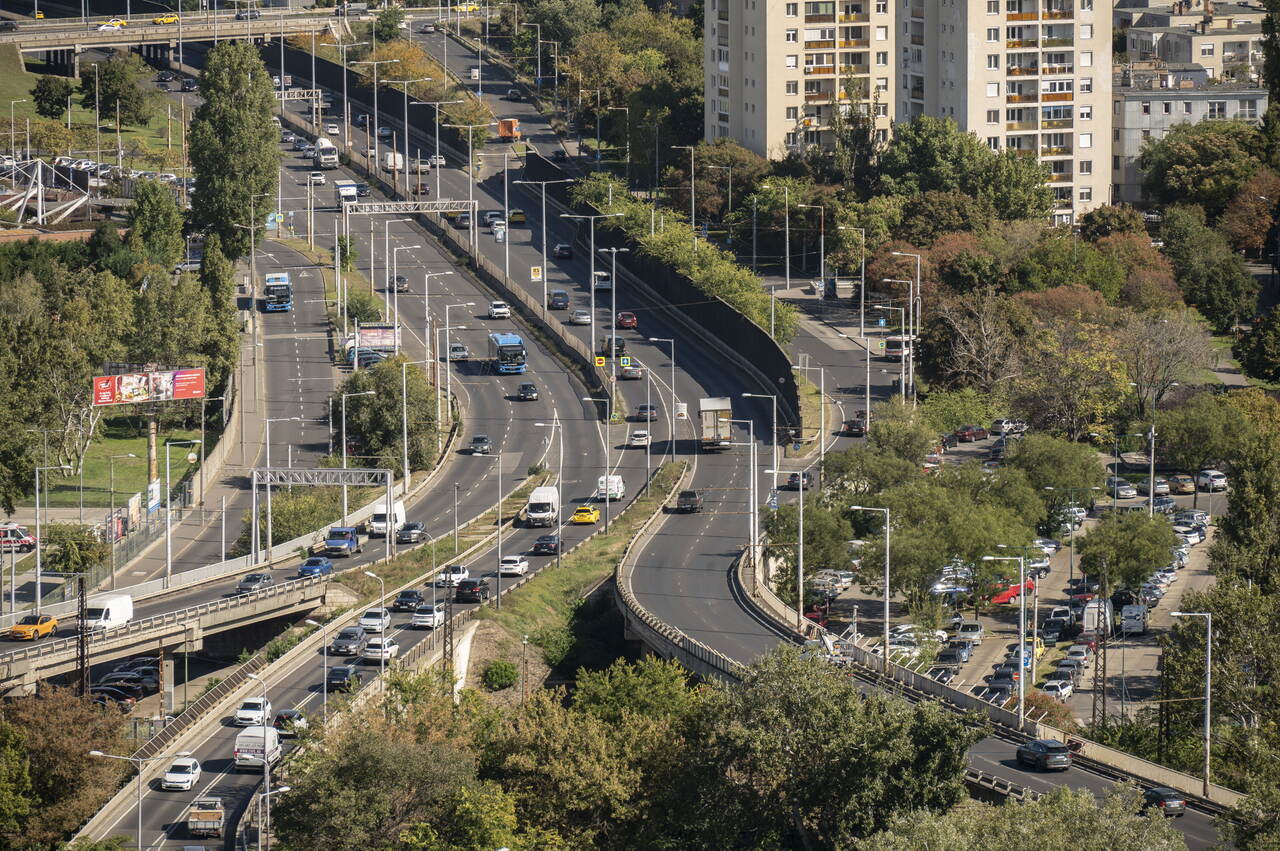
The system will later extend to the M3 and M7 motorways, with the National Motorway Management Company (MKIF Plc.) overseeing implementation. Detailed traffic management plans, including enforcement protocols, will be published after regulatory approvals.
Advantages:
Drawbacks:
According to Nyugat.hu, the M1 upgrades are part of a larger infrastructure plan stretching to 2029. Key phases include:
Hungary’s ITS adoption follows trends in Germany and the U.S., where similar systems have seen mixed success. While they enhance capacity, public awareness campaigns are critical to ensure drivers understand lane usage rules.
Read also:


They did this in Great Britain and many people lost their lives.
Just because they stick the word “smart” in the name don’t make it so!