


Hungary’s Lake Balaton is among the world’s best beaches!

Change language:
BeachAtlas ranked the world’s best beaches, and Lake Balaton is among the globe’s top 100, so it received the Golden Beach Award 2024.
A thorough ranking
According to beachatlas.com, the usual methodology concerning beach ranking considers only powdery sands and clear blue waters, the visual allure of the beach. However, their ranking went beyond the conventional viewpoints. For example, they valued the local community, lifestyle offerings, even cultural significance.
“This broader perspective allowed us to shine a light on those beach gems that typically don’t make it onto traditional, unidimensional ‘best beach’ lists”, they wrote on their website introducing their research. Moreover, they even invited some travel experts and influencers to vote for the best beaches.
The final criteria of the beaches were the following: classic beauty, party and lifestyle, DEI (diversity, equity and inclusion), community, natural diversity, and cultural significance. You may read the detailed explanation of these criteria with examples HERE and check them out on the top of the article.

Germans like Lake Balaton
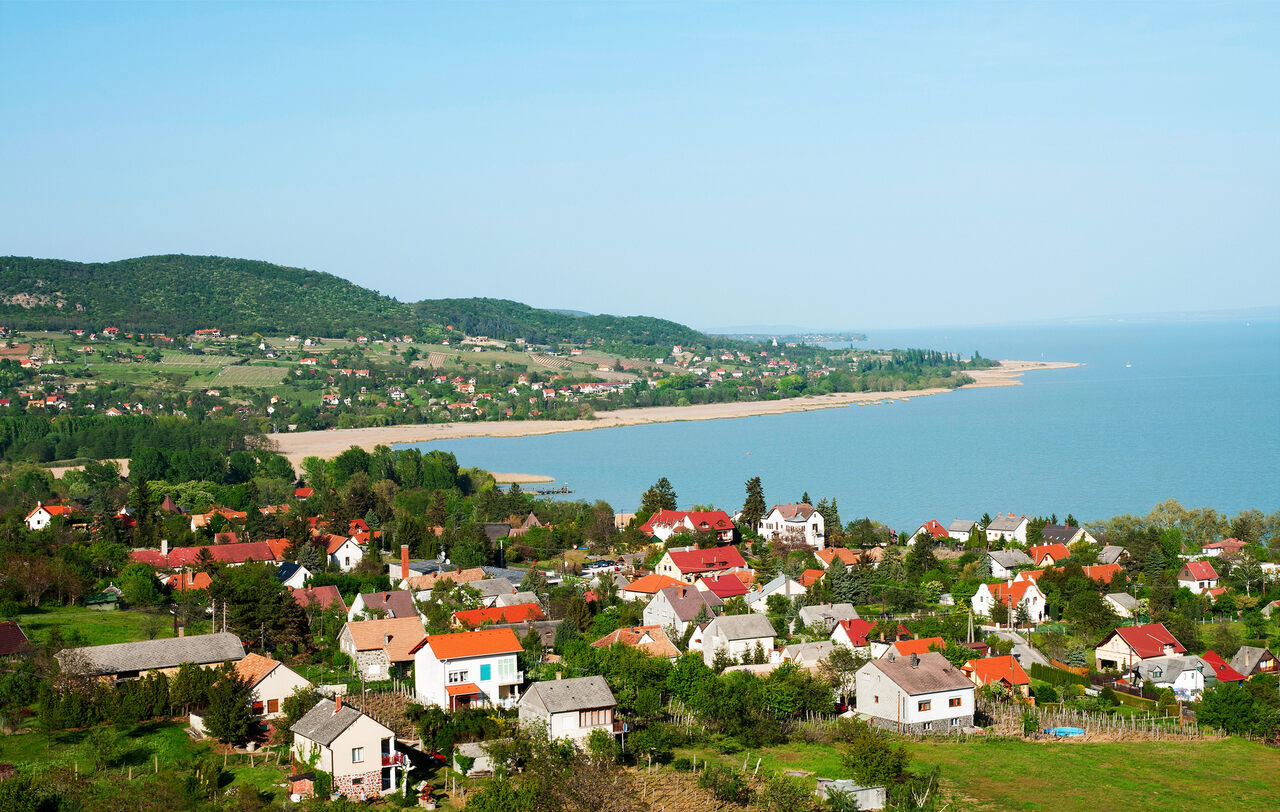
The final list includes beaches from the five continents and many countries nobody would ever think of. Lake Balaton finished at the 60th place. Balaton is the largest water surface in Central Europe and a popular tourist hotspot, especially during summers, welcoming many foreign guests. Germans and Austrians fancy the lake the most due to historical reasons.


If Lake Balaton is aong the world’s top 100 beaches, the why is it that Beach Atlas website doesn’t even have a listing of Hungary beaches, and if you search for “Balaton,” nothing comes up?
This “Golden Beach Award” is practically worthless. If you look at this website, you can see the reason for this on the home page. It says, “THE BEST BEACH EXPERIENCE – POWERED BY CHATGPT.” In other places they talk about their rankings as being “data driven/.” Yet there is no mention anywhere of who runs this publication, what their expertise is or anything else about them other than an anonymous email address. This is not a “legitimate” source of reliable information.