
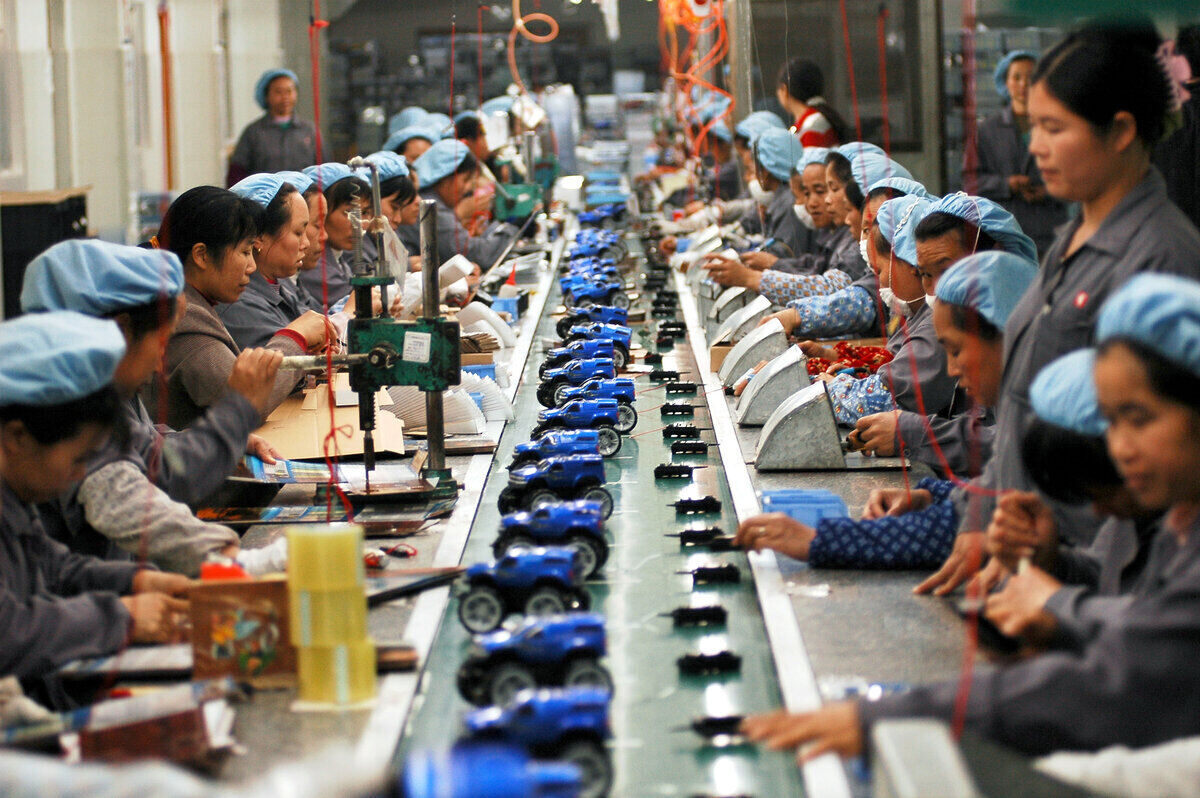
The Orbán administrations built a portion of the Hungarian economy on foreign factories employing guest workers to produce items directly marketable in the European Union cheaply, such as batteries, cars, and the like. In Orbán’s view, this drives economic growth and boosts state revenues. Accordingly, by spring 2026, the number of third-country guest workers—residing in Hungary for fixed terms, typically tied to specific factories or plants—had surpassed 100,000. But what awaits them from the Tisza Party?
Many guest workers ‘vanish’ into the Schengen Area
Though the Orbán governments rhetorically battled illegal migration, they appear to have left two pathways open for those from third countries (non-EEA states) seeking entry to the Schengen zone. Wealthy arrivals were aided by residency bonds, which allowed the purchase of permanent residence permits and free movement across Schengen. For the less affluent, guest worker status provided the route.

Despite repeated tightenings of the rules, more than 100,000 guest workers were employed in Hungary by this spring. Most hail from the Philippines, Ukraine, Vietnam, and Kyrgyzstan, though there are plenty of Indians and Indonesians too. They receive permits for fixed periods, usually two years (extendable), but must work at designated sites—typically manufacturing plants—and remit much of their earnings home. Hungarian citizenship or even permanent residency remains out of reach, even for those who marry locally and have children. We previously reported the case of Rena, a Filipina, against whom Hungarian authorities acted with particular callousness.
In recent years, however, reports have emerged of guest workers in Hungary preferentially ‘absorbing’ into the Schengen Area via Western European networks. This has led, for instance, Hungarian firms to grow wary of hiring Vietnamese workers.

Péter Magyar, the incoming prime minister, issues stark warning to guest workers
Péter Magyar, Hungary’s prime minister-in-waiting, addressed domestic guest workers in his New Year’s speech. He signalled that, upon taking power, he would impose a full stop on arrivals of non-Hungarian guest workers from outside the EU from 1 June until further notice. This would bar further Filipinos, Vietnamese, Indians, and others for an indeterminate period, effectively dissolving the current community of more than 100,000 within two to three years. Such a move would spell severe disruption in certain sectors, particularly manufacturing, but also in pockets of agriculture—like the dairy industry, where Sikh workers currently tend much of the Holstein herd.

Why does Magyar wish to keep guest workers beyond Hungary’s borders? “Because Hungarians do not want a country where Asian firms, flouting environmental rules and gorging on vast subsidies, manufacture batteries using mostly non-Hungarian labour,” he declared in his New Year’s Eve address. In his view, Hungary needs genuine jobs, not the dread that “NER-linked criminals are stealing them with economically migrant labour imported from Asia.” Rather than importing workers, he argues, Hungarians working abroad should be lured home.

A different economic model on the horizon
Magyar said little about the fate of existing factories reliant on guest workers, or those workers already here. Yet his words make plain a desire to reshape the economy. The Tisza Party aims to build a nation of high-value-added jobs amid rising living standards. The Polish example illustrates this need not preclude guest workers entirely: though one of the EU’s development frontrunners, Poland’s economy depends on them—albeit from Ukraine, not Asia.
If you missed our previous articles concerning guest workers:
EU immigration hits record high as foreign-born population surpasses 64 million

The real cost of guest workers in Hungary: hidden tax traps many companies miss



The model was conceptually erroneous from the start. With a tight labour market in evidence (due in part to high levels of emigration as well as increasing workforce participation), the government continued to hose money in the direction of foreign investors seeking to set up assembly plants. Latterly these were frequently Chinese ventures seeking a foothold in the EU in order to avoid having to pay import duties. The investors will have done their due diligence and the tight labour market was obviously a concern for them. To allay their fears they’ll have been assured that there’s plentiful opportunity to bring in workers from abroad to plug the gaps the already employed local Hungarians cannot fill. This will have been music to the ears of the investors who prefer to employ a servile community of foreign workers that don’t speak the local language and when cut off from their families prefer to occupy themselves with overtime if it’s offered. They won’t speak up, join a union or be able to enforce their legal rights, partly out of fear of having their work permit terminated prematurely and being sent home. Many of these workers had to borrow thousands of Euros in the first place to pay fees to placement agents in their home countries in order to be offered the position so they’re indebted from the get go and the last thing they can afford is to be sent home early.
These jobs were low skilled, low economic value added assembly line jobs in the main, generating little in the way of tax revenue for the government (versus the huge grants provided at the outset to generate extra jobs for the non-existent local labour pool). In order to make the investment even more appealing the Forint was gradually depreciated to a level where it was undervalued, stoking inflation and eroding the value of real wages across the whole economy. Investment in the shape of grants and low-interest loans that could have been directed to current and future Hungarian economic champions that would offer higher productivity employment while retaining profits in Hungary and, in time, seeking to export was instead spent on encouraging yet another foreign enterprise to set up an assembly line, staffed up with foreign workers on temporary work permits.
It smacks of a feudal system whereby you make decisions over the head of the community and take the easy option of selling them into low-paid servility because that’s the low effort option, all the meanwhile deducting 33.5% of gross wages even from minimum wage earners and whacking 27% VAT on groceries as well as the extra profit tax on grocers in foreign ownership where most Hungarians do their weekly shop, ensuring that much of what low income earners take home ends up in the treasury, leaving these people leading destitute lives. It’s no surprise that 40% of young people were planning to emigrate after graduation despite the various tax breaks, grants and low interest loans available to young people, for those having children and first time property buyers. It’s a lesson that none of these were enough to stop them voting overwhelmingly for change. Smart youngsters will have seen that in accepting these bribes now they’re destroying their own future in the shape of an unsustainable budget deficit and ballooning interest bill on state debt which became the highest in the EU as a percentage of GDP, something that they’re on the hook to pay for one way or another over the next decades when their often Fidesz voting parents and grandparents are no longer economically active.
I’m pleased there’s now light at the end of the tunnel for this nightmare to end and the economic potential of Hungary and by extension its people can be properly harnessed.