Subscribe to our social channels to get the latest news about Hungary!


‘Szent György-hegy’ (Saint George Hill) is one of the characteristic buttes of the Balaton Uplands, and it has huge basalt columns around its sides. The hill is named after the chapel of St. George that once stood at its feet, and some of the legends about the mountain are also intertwined with the legend of St. George and the dragon.
The bedrock of the mountain came from the sediments of the Pannonian Sea, and circa 3-4 million years ago, basalt and basalt tuff layers were deposited on it due to a series of volcanic eruptions. As the sediments eroded away from the basalt deposits, it became a hill, but in reality, the height of the mountain testifies to the height of the former surface. The conquering Hungarians named the formation ‘Magashegy’ (Tall Hill). ‘Hegymagas’, a village at the foot of the hill, still preserves its memory today.
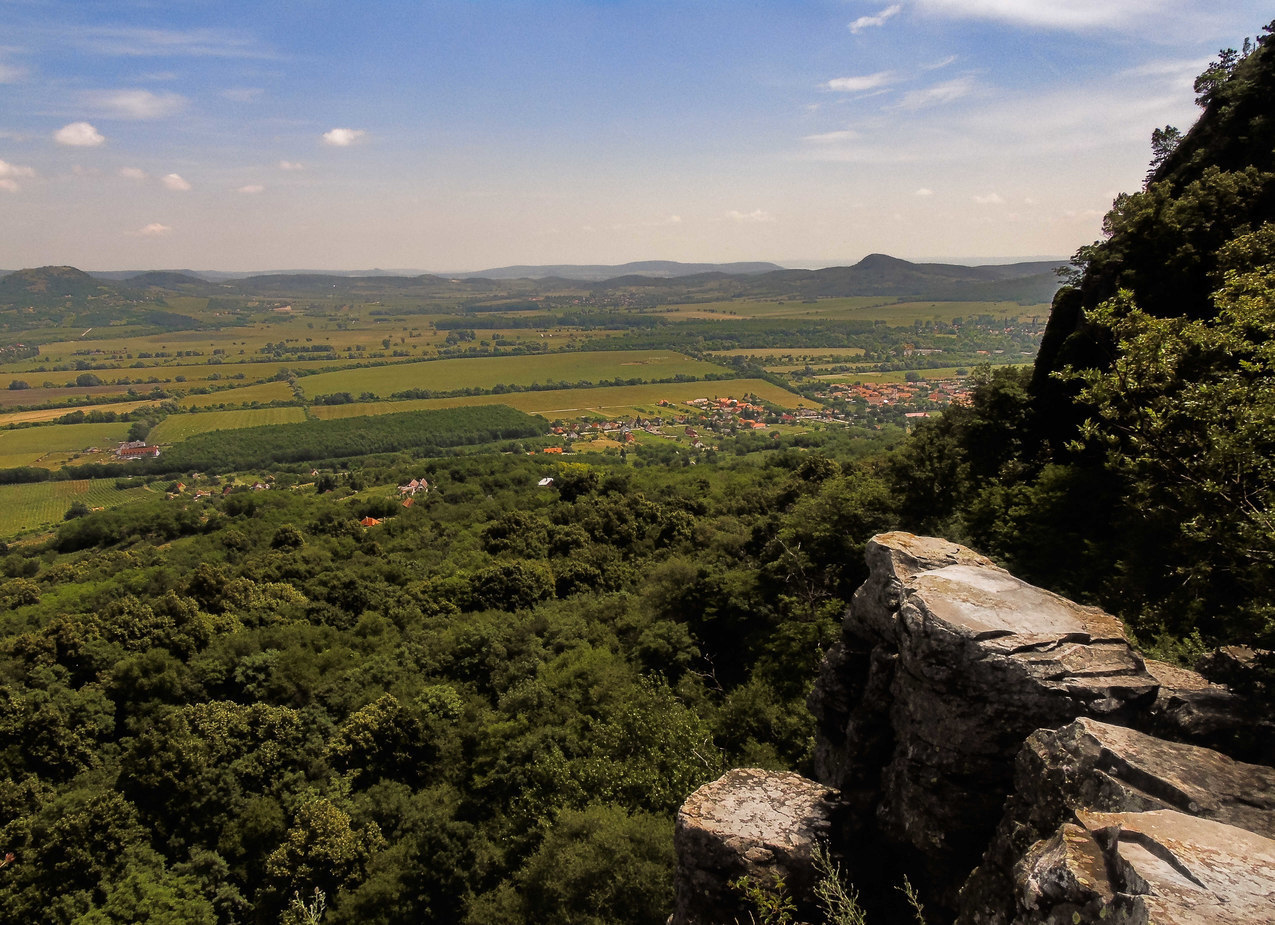
Due to one of its unique natural formations, several legends were born about a dragon and St. George in the Middle Ages.
The icy cold cave fissure on the northeast side of the mountain called the ‘Sárkány-barlang’ (Dragon Cave) or ‘Sárkány-lik’ (Dragon Pit) was the supposed lair of the legendary dragon. The vineyards of St. George Hill are part of the ‘Badacsony’ sub-region of the wine region of Lake Balaton as the soil is extremely good for viticulture.
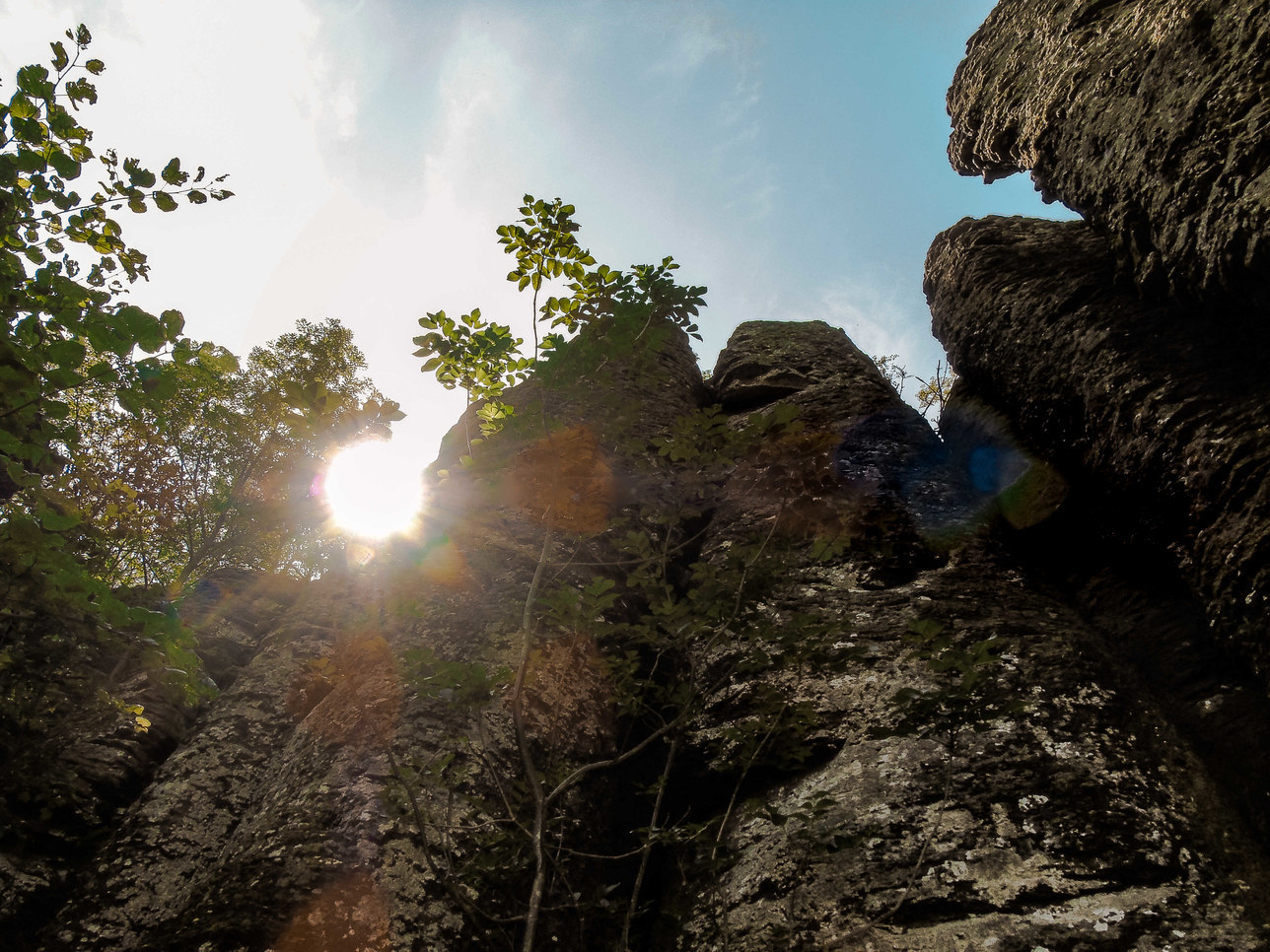
As the hot lava rapidly cooled down, it split into polygonal columns. These formations were further shaped by centuries of weather conditions and today have taken the shape of interesting columns that look like one gigantic organ. The most beautiful such formations are located on St. George Hill where these basalt columns can be 30-40 metres high.
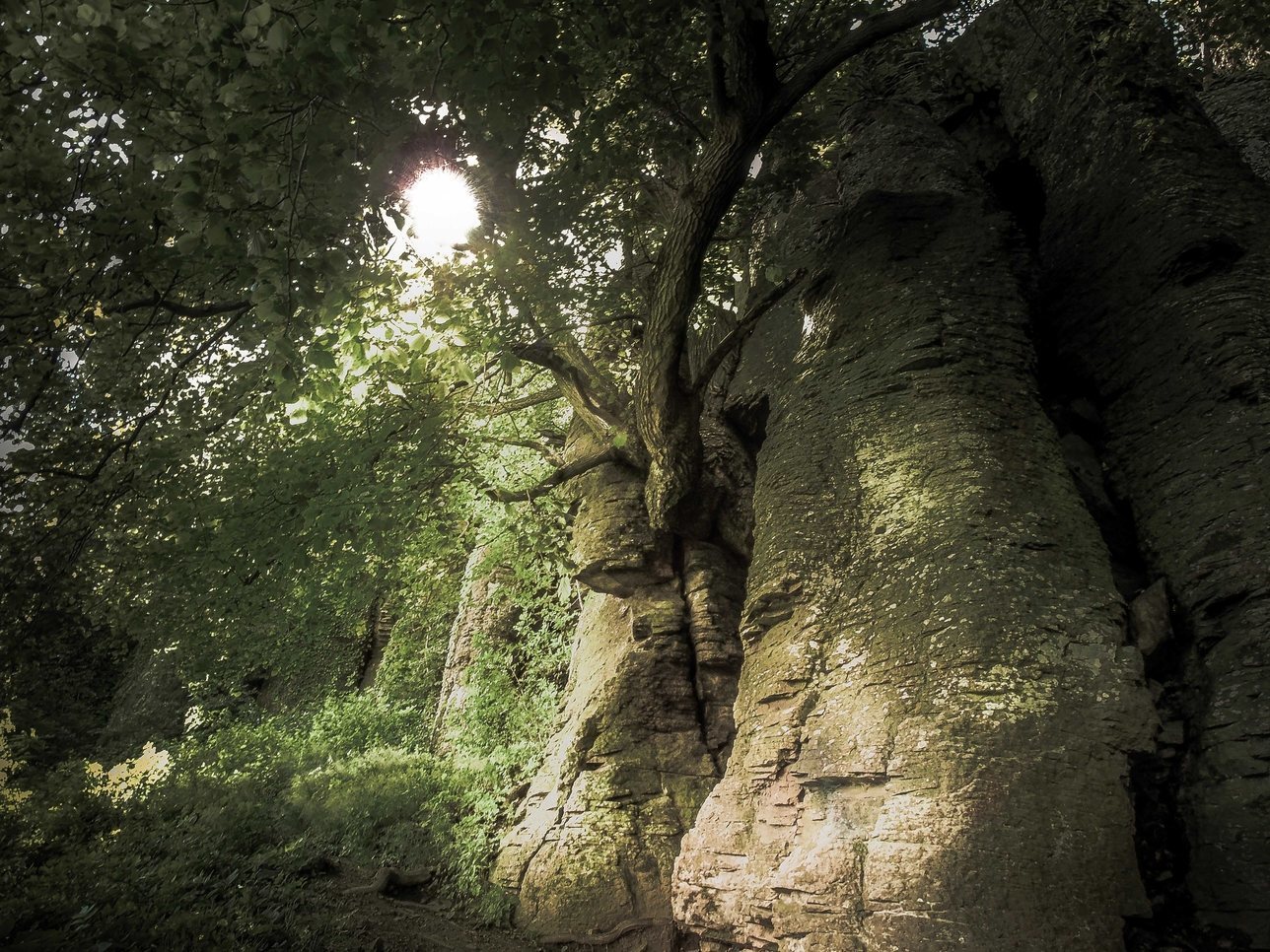
If you want to know more about these beautiful formations, click on the article below.
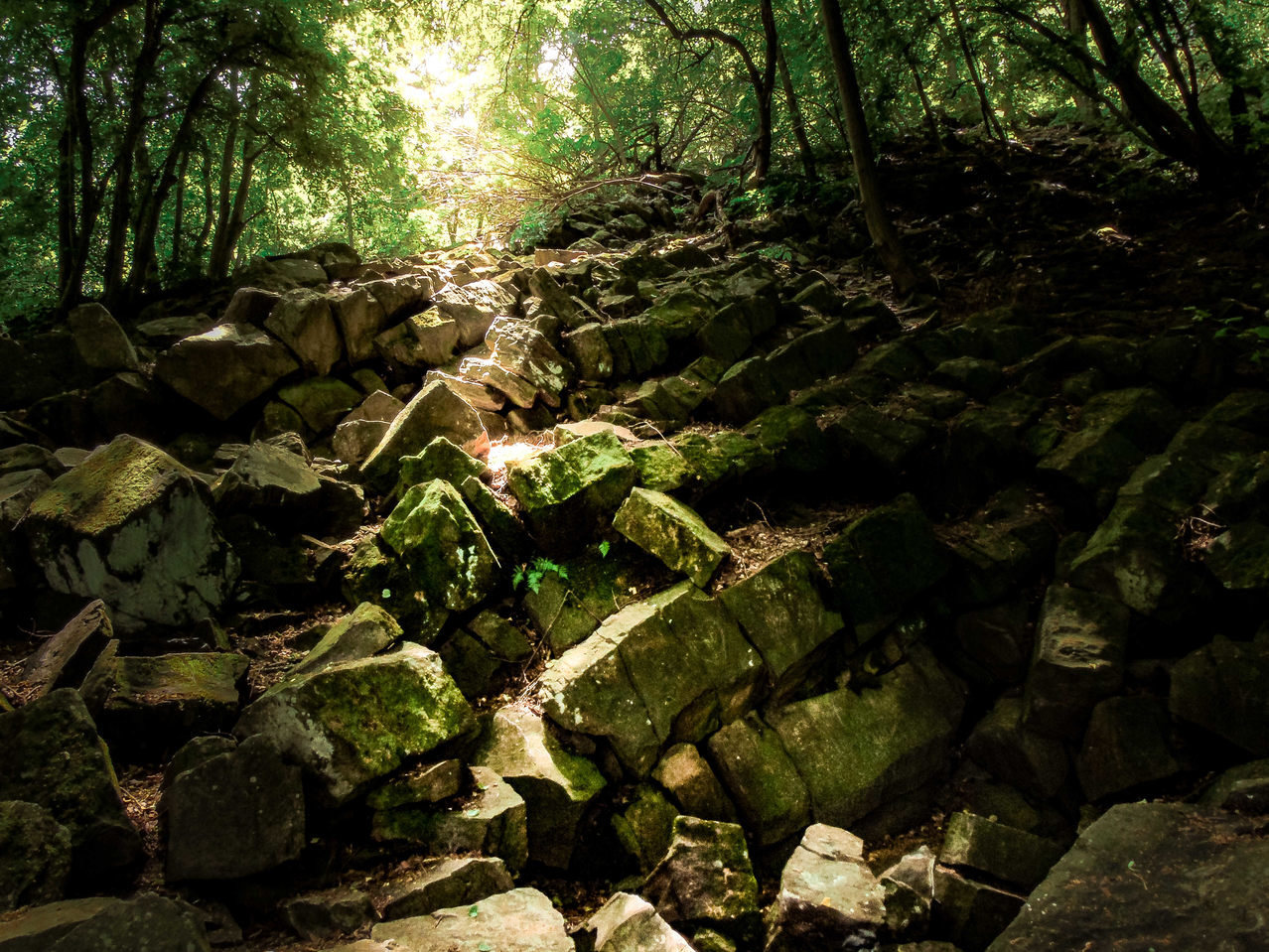
The Dragon Cave is an interesting geological formation on the hillside. The cavity created by the debris from fallen basalt organs is about 10 metres deep. During the winter, snow can accumulate in these gaps and can often last until summer. As the basalt debris is an excellent insulator, the cold air gets trapped there, and it flows out of the gaps during the summer, which is why folk tradition also calls it the ‘jégbarlang’, meaning ‘ice cave’.
The name Dragon Cave stuck because several legends say that a dragon once lived here.
Several legends have been born about the cave. According to Kisapáti, there was a dragon living on St. George Hill who demanded from the inhabitants of the nearby village that a beautiful girl marry him every year. He threatened the villagers that if they did not comply with his request, he would destroy the whole village. Every year, when the dragon took a girl, the whole village was struck by sorrow, until one day, the dragon did not come.
The villagers wondered what might have happened to the dragon and decided to go up the mountain and venture into the dragon’s lair. They found out that the dragon had gotten sick. The villagers hated the dragon for taking their girls; however, the people did not leave him, instead, they nurtured and healed the creature. One day, the dragon said: “Because you have been so good to me, I will never threaten the village and never ask for another wife again.”
The villagers were very happy that they were no longer threatened by the beast, and the villagers and the dragon lived in peace: the people in the village, the dragon on the mountain. As the years passed, the dragon grew old, he could no longer walk nor fly. One night, the dragon died, and as his soul left his body, his last breath turned the whole cave into ice. It is believed that it was that very night when the ice cave was formed and that the dragon sleeps its eternal dream in the cave.
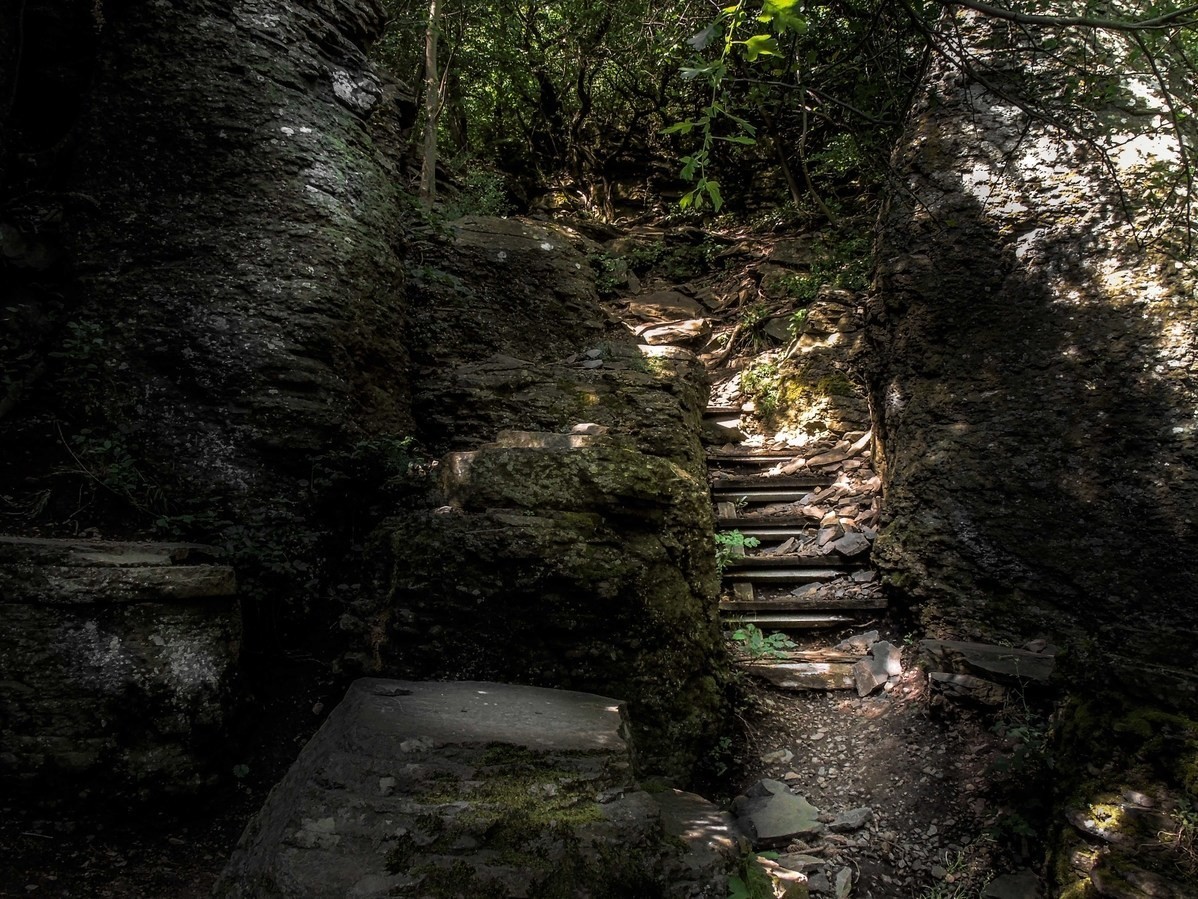
According to Hírbalaton, another legend says that the dragon was not alone, and the creatures never turned good. The affliction of the village was ended by St. George himself, who defeated the evil dragons. There is also another version where the dragon was healed by an elderly village lady, and to show her his gratitude, the beast protected the village and even helped them if they were in need.
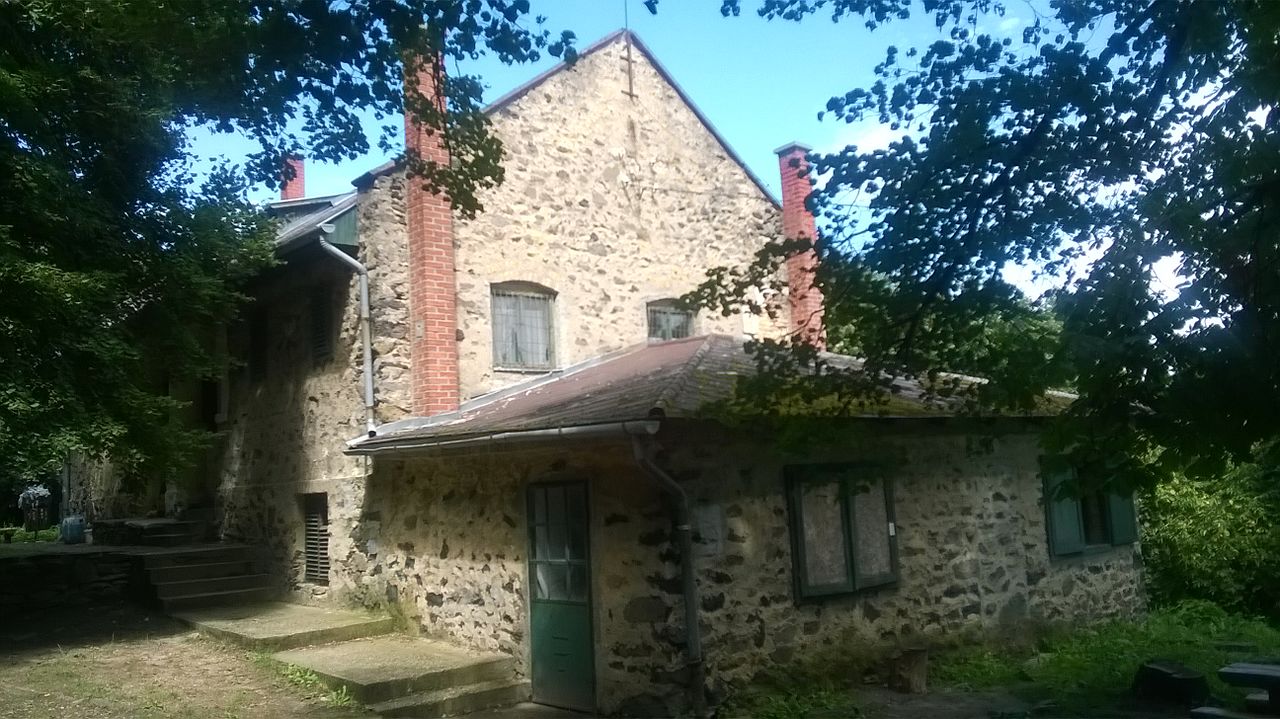
On the northeast side of the mountain is the Kaán Károly tourist house. The tourist accommodation was inaugurated on 24 June in 1934. The building complex, which can accommodate 30 people, operates as a chalet and a tourist hostel. The key to the building can be requested at the local municipality of Kisapáti. The tourist house is one of the stops of the fifth stage of the Hungarian National Blue Tour.
The most famous and one of the most beautiful buildings near the hill is probably the Tarányi Press House, built in 1780. The Tóti-Lengyel family built the Baroque building, but it got its name from its later owners, the Tarányis. The press house has very characteristic Baroque features. The building is decorated with Baroque stone sculptures depicting Greco-Roman mythological figures related to viticulture and wine. Unfortunately,
it was left to the elements for decades, and its condition rapidly deteriorated. It burned down several times and became life-threatening,
but five years ago, Miklós Szoják bought the historic building and began renovating it. Today, the press house, which has been a feature of St. George’s Hill since the 18th century, can be admired in all its glory.
“The original coat of arms was restored by Vidor Kőfalvi and then placed on the wall of one of the interior rooms of the building. A copy of the coat of arms can be seen on the facade of the press house where the original once was. The stone walls and vaults were excavated and then structurally reinforced, and the walls were insulated. We have completely restored the Baroque stone balcony and the facade sculptures of the building,” Miklós Szoják told Origo.
Thanks to Miklós Szoják and his business partners, the building has now become an elegant restaurant, called Tarányi Press House 1780. They have only been open for the past two weeks as a test run, but the restaurant will be fully open soon. The interior of the restaurant is very harmonious; old engravings and maps decorate the interior walls that shed light on the history and beauty of the place and the entire region. The original family stone coat of arms is decorating the private room. Guests can admire the breath-taking panorama on the huge, shaded terrace, and visitors can taste delicious dishes made with seasonal, fresh ingredients, complemented exclusively by the wines of local winemakers.
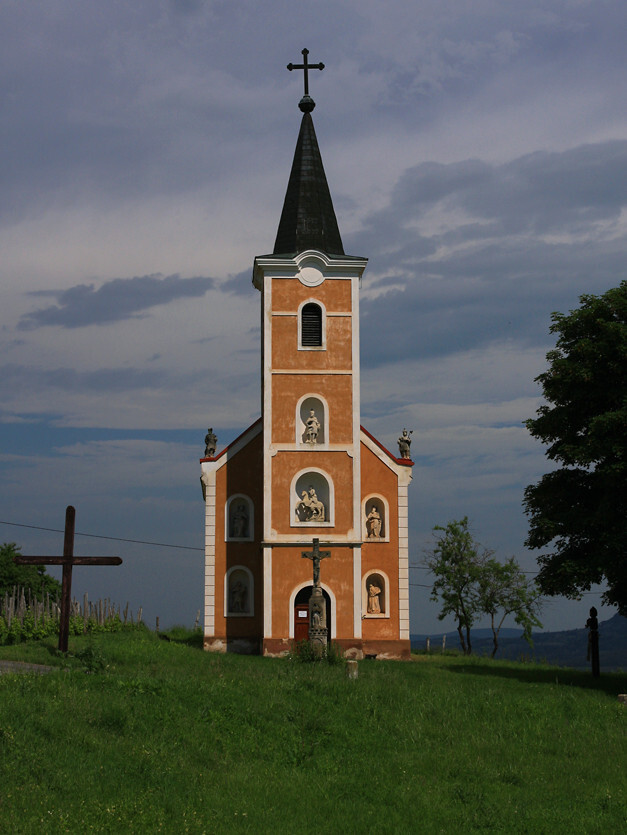
The chapel on the southern side of the hill was built around 1760 by the Tóti-Lengyel family, just like the Tarányi Press House we mentioned earlier. The chapel was dedicated to honouring the Virgin Mary. Its most notable and valuable element is the wooden-carved Baroque-Rococo altar, above which are statues of St. Stephen, St. Ladislaus, and the Virgin Mary. The tower of the chapel was a later addition, and it was built in 1880. The tower is also richly decorated with the sandstone statues of St. George, St. Emeric of Hungary, King Saint Stephen, St. Ladislaus, St. Peter, and St. Paul.
On the southern slope of the mountain, among the vineyards, on the route of the National Blue Tour, stands a natural spring called the Lion’s Head Fountain. The name of the spring comes from its design that resembles the head of a lion. The water is cool and safe to drink.
Source: Origo.hu, Hirbalaton.hu, Kisapati.hu, Daily News Hungary


