Subscribe to our social channels to get the latest news about Hungary!


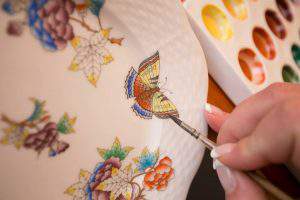
The Herend Porcelain Manufactory has been following the same traditions in its craft since its foundation in 1826, according to Őseink Hagyatéka, Örökségünk. Some time ago this porcelain was called “white gold” and it was an honourable privilege to own some of this precious treasure. Every process of forming the porcelain mass through melding and burning to the painting is done manually in Herend, even today. The porcelain of Herend is a Hungaricum, a part of the Hungarian Heritage.
Everyone heard about Zsolnay, the famous ceramic manufacture, but there is another prestigious porcelain producer enterprise in Hungary. Herend Porcelain Manufactory became the royal producer of porcelain during the time of the Austro-Hungarian Monarchy. The Hungarian aristocracy ordered the replacement of their china sets only from Herend. These replacing processes preserved motifs in the porcelain art which are not applied by any other manufactures. Herend has 16,000 different white forms, 4,000 different painted patterns and 64 million products.
Herend Porcelain Manufactory was represented in many world exhibitions — in London in 1851 and 1862, in Paris in 1867 and 1937, in Vienna in 1873 and in Brussels in 1935 — and it was often awarded.
The turning point was its first World Exhibition in London, where the chinoiseries met with great acclaim. Queen Victoria purchased a set with butterflies and purple peonies on it for her castle in Windsor. This pattern became the symbol of Herend afterwards.
Herend Porcelain Manufactory resides on three main pillars: profitable economy, social responsibility and solidarity. The brand symbolizes luxury, elegance, constant renewal, the best quality and uniqueness.
History did not always appreciate the manufactory’s art: during World War I, for example, most of the workers were recruited by the army, so the workshop was running at a minimum.The manufactory was busier during World War II, as electric insulators and medical equipment were produced there at that time. Herend Porcelain Manufactory was nationalized in 1948 and it was operating as a part of the Fine Ceramic Works until 1981.
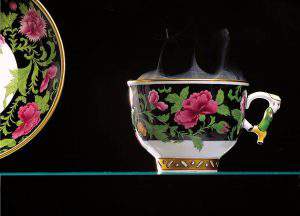
The manufactory has been participating in the Frankfurt International Fair since 1980.
Herend was the first porcelain manufactory in Europe that received the European Union’s ISO 9001 quality label in 1995.In 1996, the elegant Raffles Hotel in Singapore was the venue of the inauguration of the first Herend shop abroad, which was followed by another in Berlin in 1997.
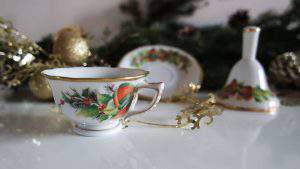
Porcelanium was built between 1998 and ‘99, which included a new shop, a mini-manufactory showing the art of Herend, and Apicius restaurant and caffé.
In 2006, Luxury Institute in New York revealed that Herend was the favourite porcelain brand in the USA.
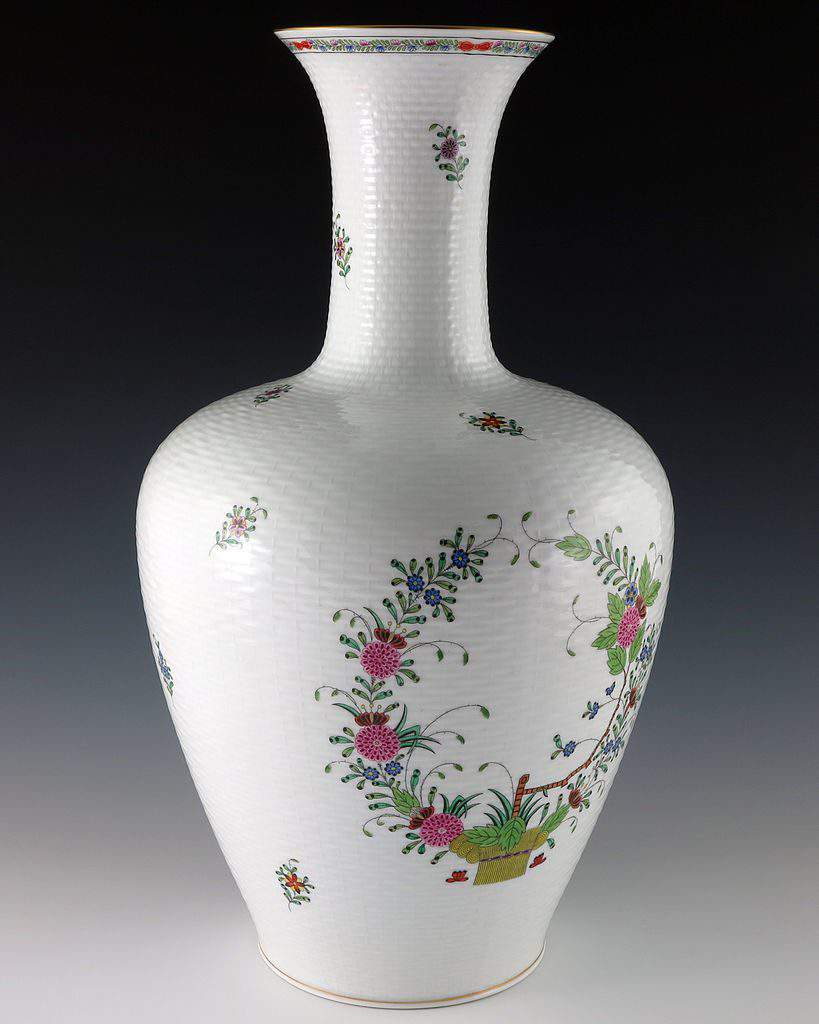
A representative exhibition was opened in Saint Petersburg in 2007 in the summer residency of the tzars. Herend also hosted an art exhibition in Ariana Museum, Genoa in 2008. Herend was the first Hungarian brand that managed to have an exhibition in the Kremlin in Moscow in 2009. To celebrate this, Herend Porcelain Manufactory delivered a 2-meter-tall vase to Russia as a gift.
2011 was the year when the manufactory became a member of Comite Colbert, the French Luxury Association. Herend hosted several international exhibitions in 2012: in the Slovakian National Museum; in Paalmse Castle, Estonia; at the Hungarian Embassy of Berlin; in Esterházy Castle; and in Laveno-Mombello, Italy.
By 2013, Herend Porcelain Manufactory became the world’s largest porcelain manufactory, as well as a keeper of traditions and a profitable enterprise.
This year brought a lot of important events for Herend: the new product of Herend Porcelain Manufactory, the Polka brand was acclaimed at the Ambiente in Frankfurt. The porcelain of Herend officially became a Hungaricum. The Hungarian state sent Herend porcelain with Royal Garden pattern to the newborn British heir to the throne, George. Herend Porcelain Manufactory also began to cooperate with the Hungarian National Museum.
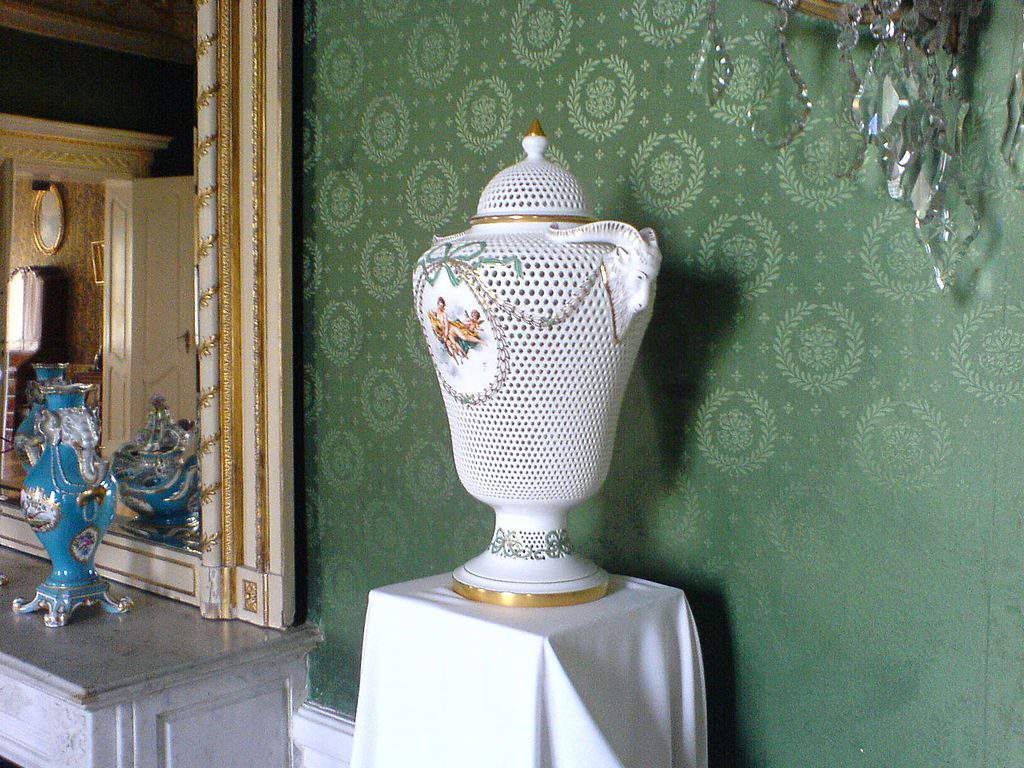
In 2014, an art exhibition was hosted with the historical relics of the manufactory in Vienna and in the European cradle of porcelain, Hohenberg. 2015 was busy for Herend Porcelain Manufactory with hosting several exhibitions in Kolozsvár (Cluj-Napoca), Szabadka (Subotica), Sárospatak, Budapest, Hatvan, Tata, Körmend, Pápa and Szeged.
Herendi Porcelanium began to host temporary exhibitions. The 13th brand shop of Herend Porcelain Manufactory was opened in Klotild Palace in Budapest. The birth of the new princess is also celebrated by sending Herend porcelain to the British Royal Court.
Herend has been the embodiment of the balance between tradition and innovation for more than a century. This way, Herend’s traditions managed to live on in the modern world of the 21st century.
Featured image: www.facebook.com/HerendiPorcelánmanufaktúraZrt.
Source: Őseink Hagyatékai, Örökségünk


