Subscribe to our social channels to get the latest news about Hungary!


Margaret Island (Margitsziget), located in the heart of Budapest and surrounded by the Danube River, is a unique green oasis with a rich historical past and stunning natural beauty. Today, it is a popular destination for relaxation, sports, and cultural activities, but its history reveals a remarkable transformation over the centuries.
Margaret Island is a natural formation created by sediment deposits from the Danube River. Initially composed of smaller islands, it was artificially unified into one landmass over time. The island was known during Roman times, but the first written records date back to the 12th and 13th centuries. King Imre used it as a royal retreat, and in 1225 it was referred to as “Nyulak szigete” (Island of Rabbits), likely because it served as a royal hunting ground.
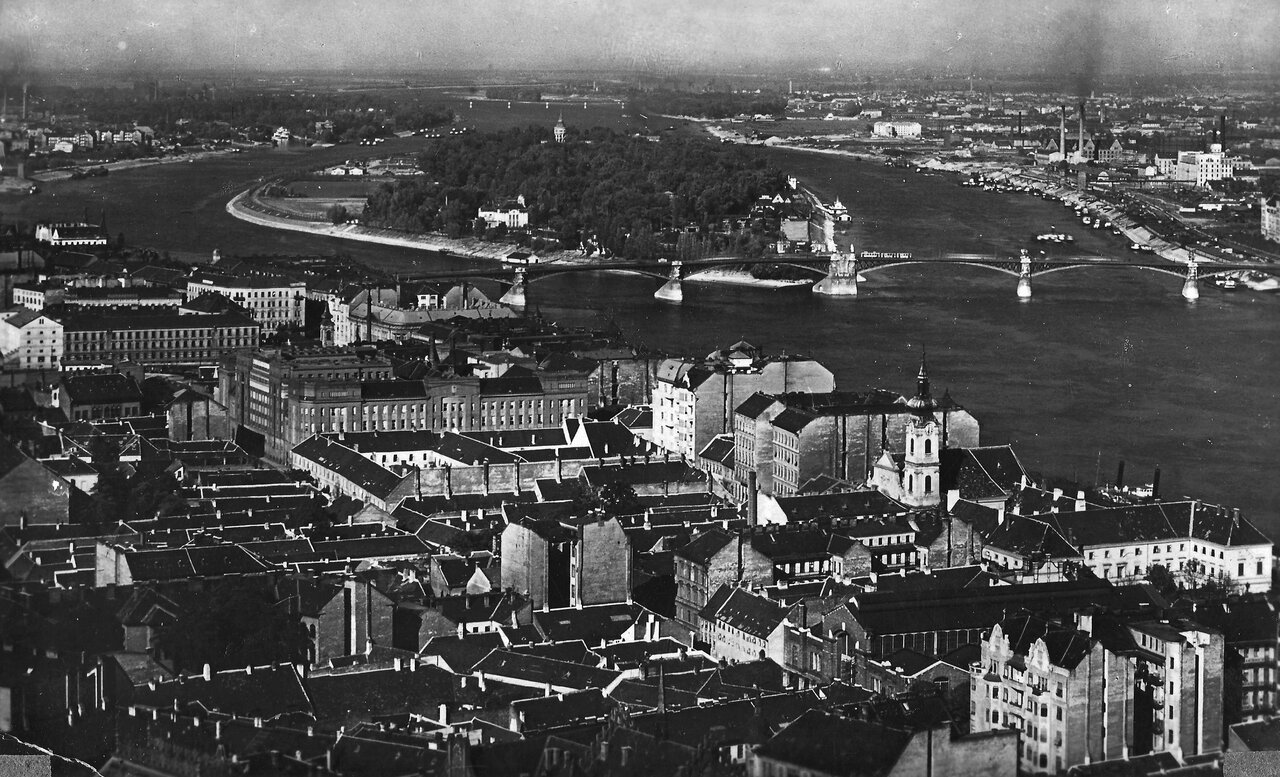
The island’s golden age began in the late 12th century when it became home to Dominican nuns. King Béla IV founded a convent here following the Mongol invasion of Hungary in 1241. He vowed to dedicate his daughter Margaret to God if Hungary survived the devastation. True to his promise, Margaret lived on the island as a Dominican nun from childhood until her death at age 27. After her canonisation as Saint Margaret in 1943, the island was named in her honour.
During this period, monasteries, churches, and even a small village flourished on the island. However, under Ottoman rule in the 16th century, these structures were abandoned or destroyed, and the island fell into decline.
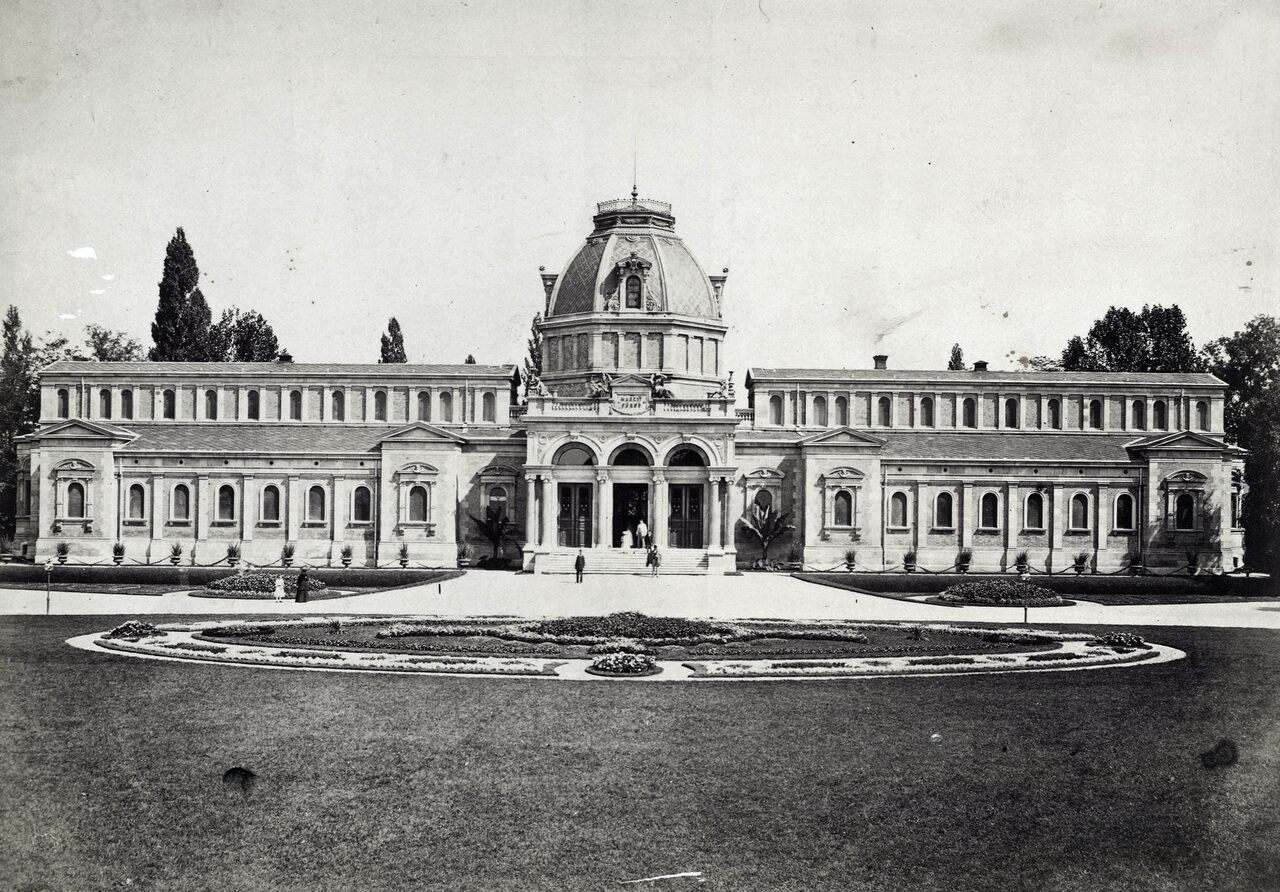
In the 18th century, the Habsburgs rediscovered Margaret Island and transformed it into a summer residence for royalty. Joseph I officially named it “Margaret Island,” and infrastructure development began. By the late 19th century, Margaret Bridge (Margit híd) connected the island to Budapest, making it accessible to visitors. The discovery of hot springs led to the construction of baths and hotels, turning it into an exclusive health resort.
In 1908, Margaret Island was declared a public park, ushering in an era of leisure for residents and tourists alike. During World War II, the island suffered significant damage but was rebuilt afterward. In the 1980s, car access was restricted to preserve its peaceful atmosphere.
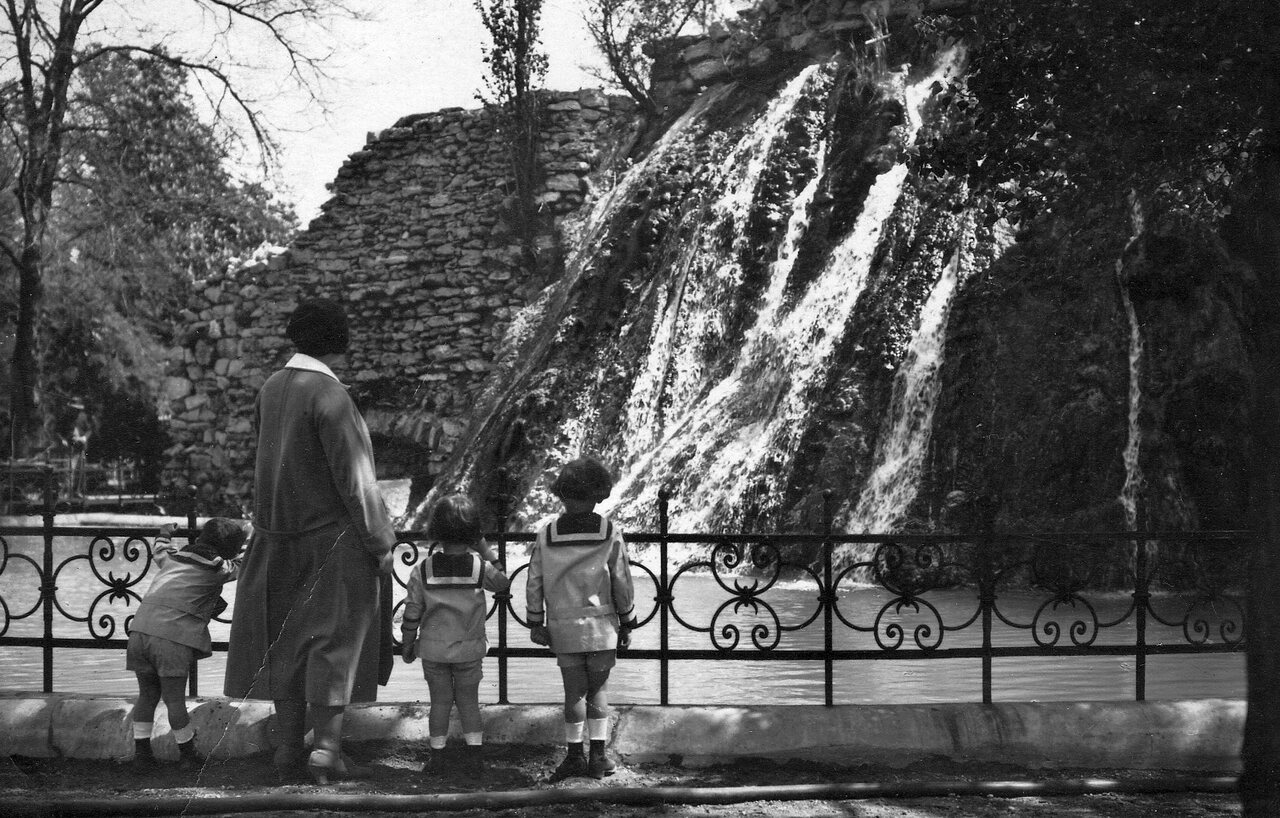
Today, Margaret Island is a haven for relaxation and recreation within bustling Budapest. Visitors can enjoy:
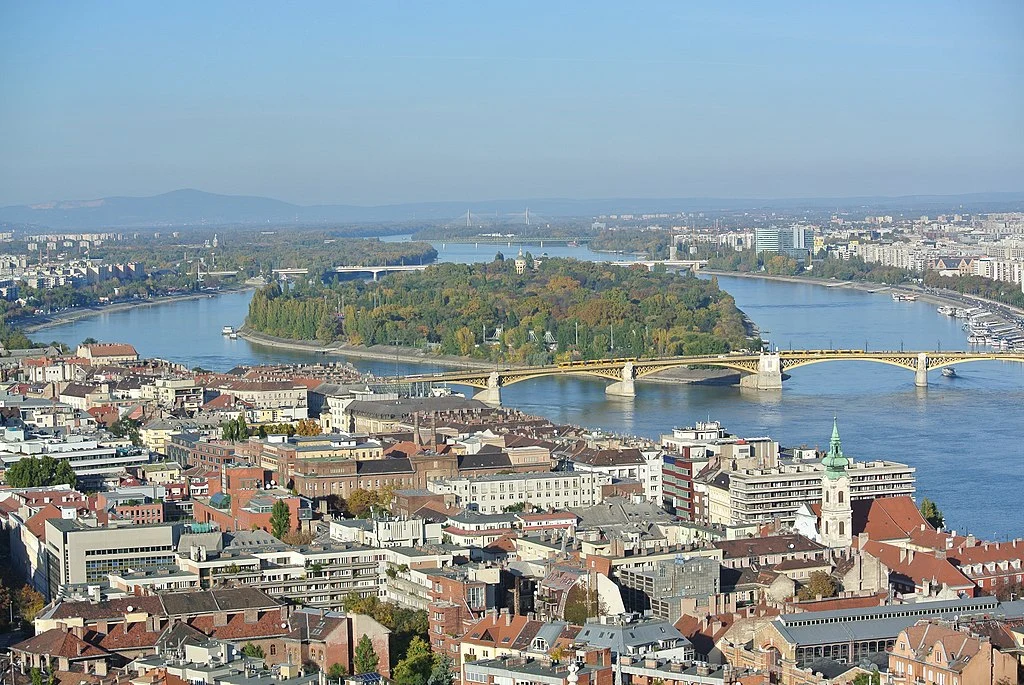
Margaret Island continues to be a cherished retreat for locals and visitors seeking peace amidst Budapest’s vibrant city life. Whether you’re looking for romantic walks, family picnics, or active sports opportunities, this green jewel offers something for everyone while emphasising environmental sustainability for future generations.
The Hungarian version of the article can be read HERE.
Read also:


