Subscribe to our social channels to get the latest news about Hungary!


During the reconstruction of Buda Castle, experts have made yet another fascinating discovery. The partial removal of the northern wing has provided an opportunity to uncover and preserve original elements of the palace from the Hauszmann era. As a result, an intricately decorated architectural detail, concealed for decades, has now come to light.
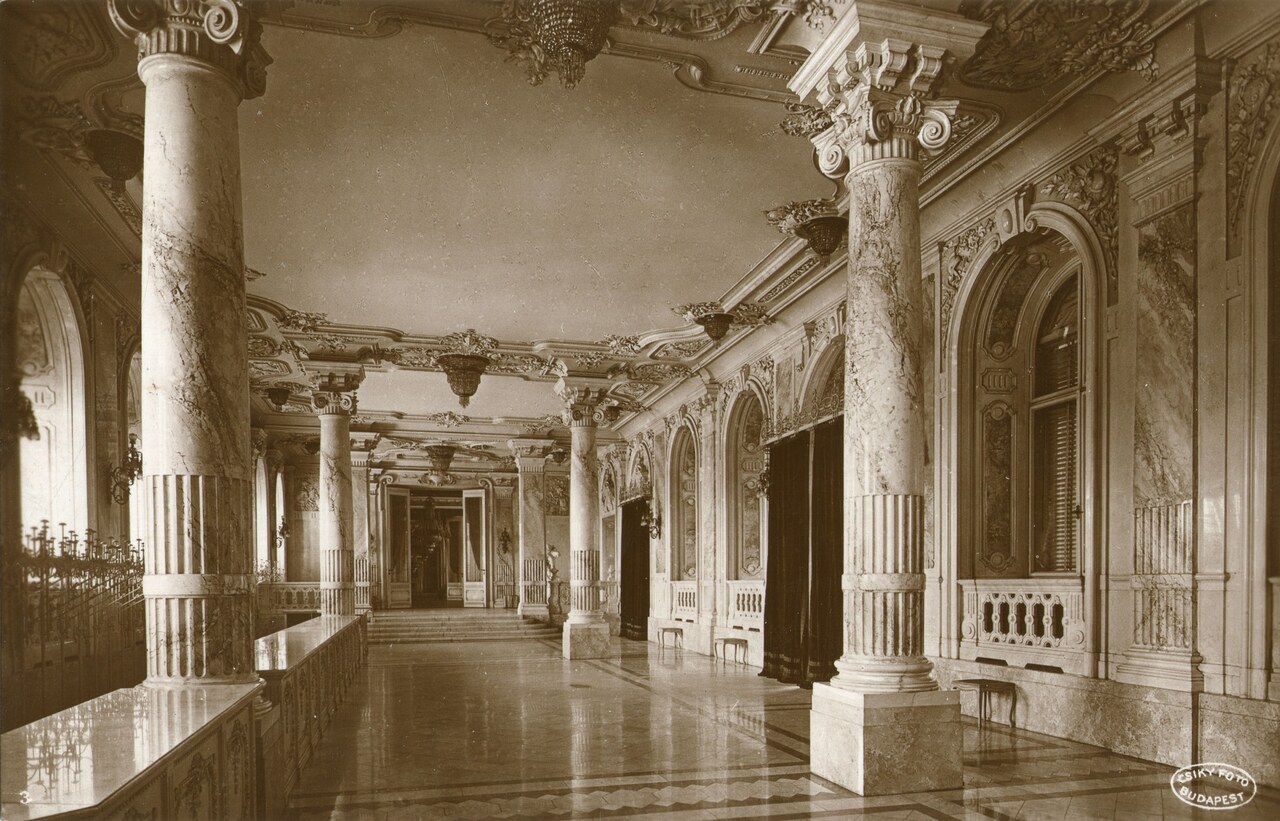
As part of the Buda Castle renewal project, specialists conducted a thorough examination of the northern wing’s walls and found that a section of the eastern façade, facing the Danube, is part of the original Hauszmann-era masonry, the National Hauszmann Programme wrote in a Facebook post. This valuable architectural element has been preserved and reinforced with a special steel structure during the reconstruction. However, an even more remarkable detail has emerged during the renovation work.
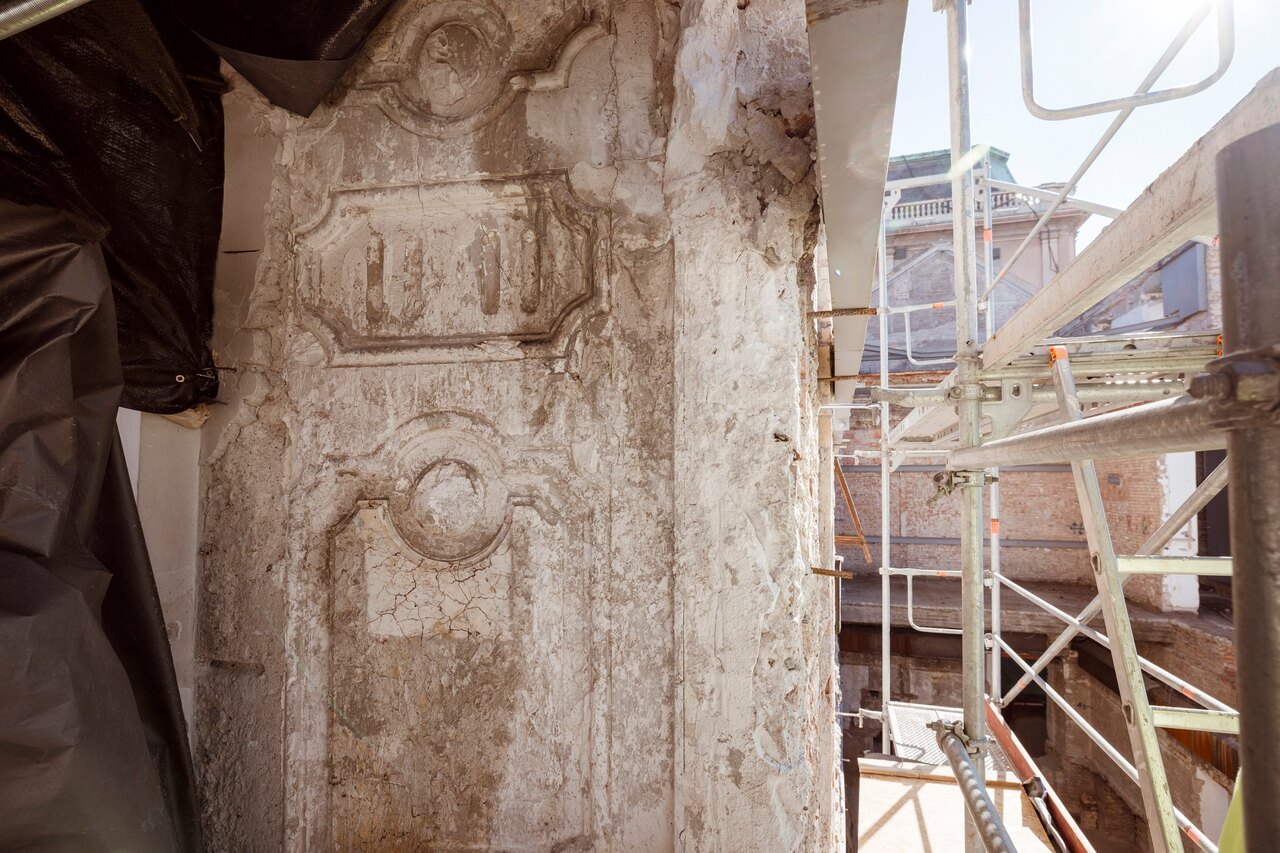
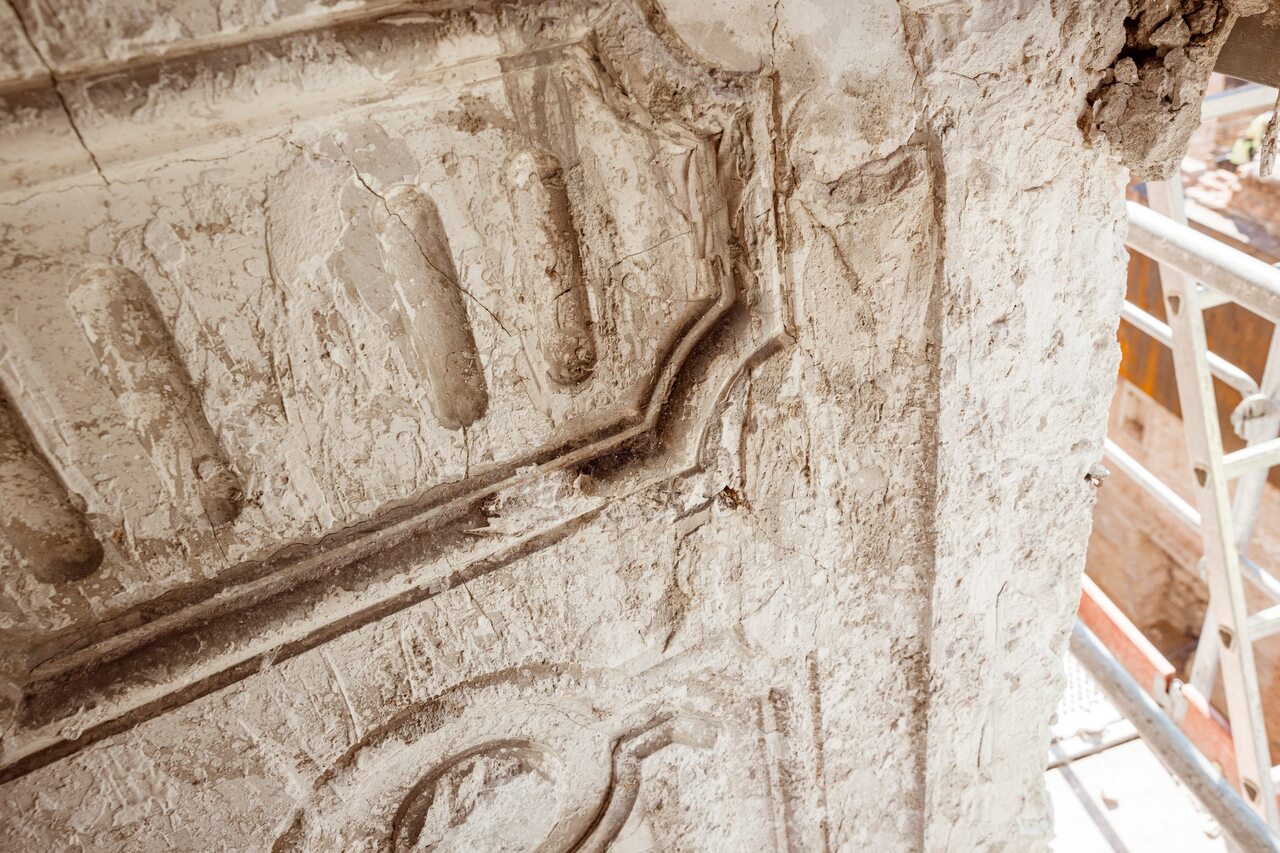
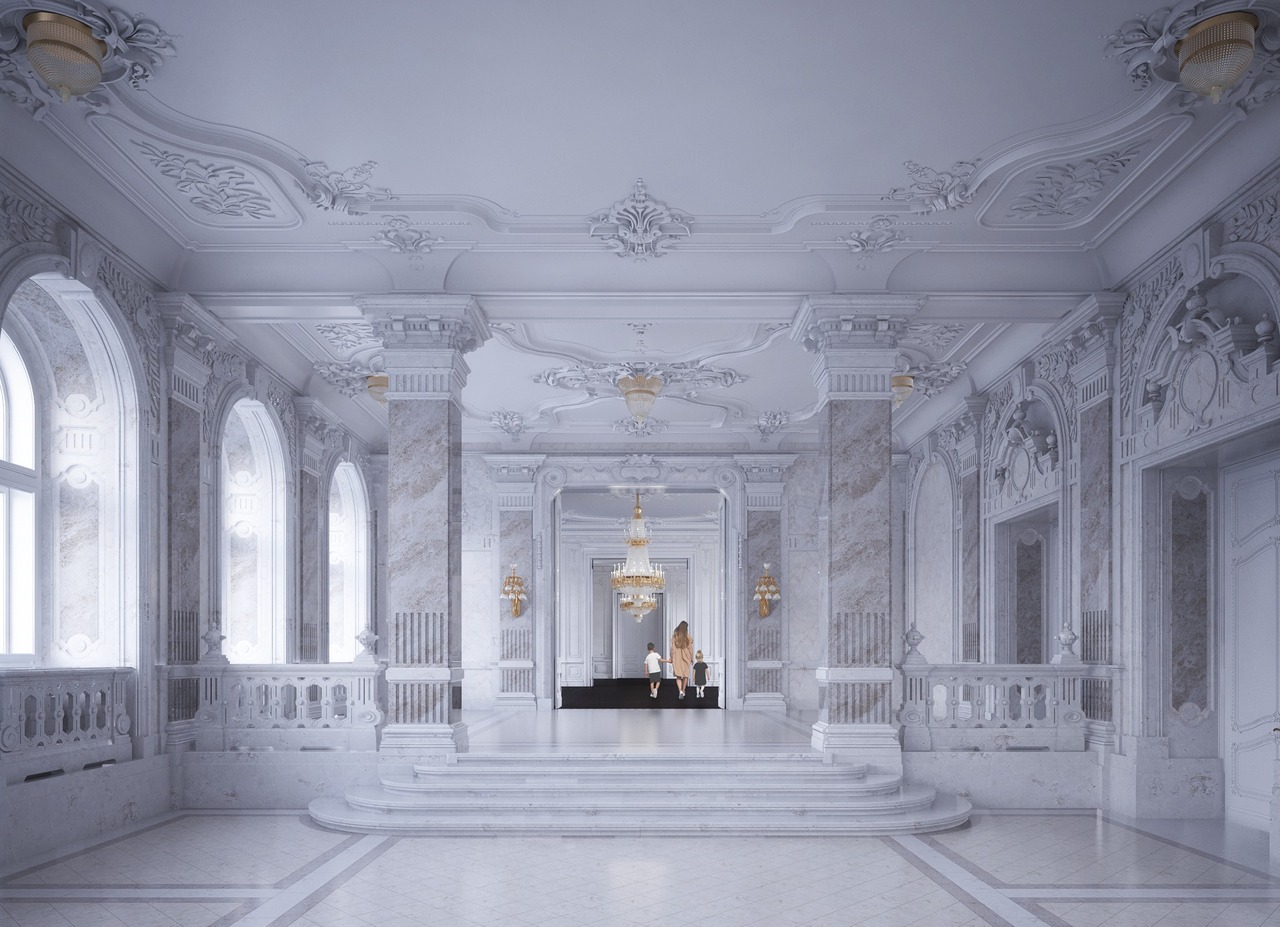
During the dismantling of a first-floor window casing on the Danube-facing façade, experts uncovered an original decorative element hidden beneath several centimeters of plaster. The wavy coffered design, adorned with faux marble and elaborate moldings, was originally part of the cloakroom lobby of the palace designed by Alajos Hauszmann. Created by the workshop of Antal Detoma, this architectural masterpiece had been lost from sight following the communist-era alterations of the 1960s. During that period, many surviving decorative elements were either removed or concealed under thick layers of plaster and secondary walls.
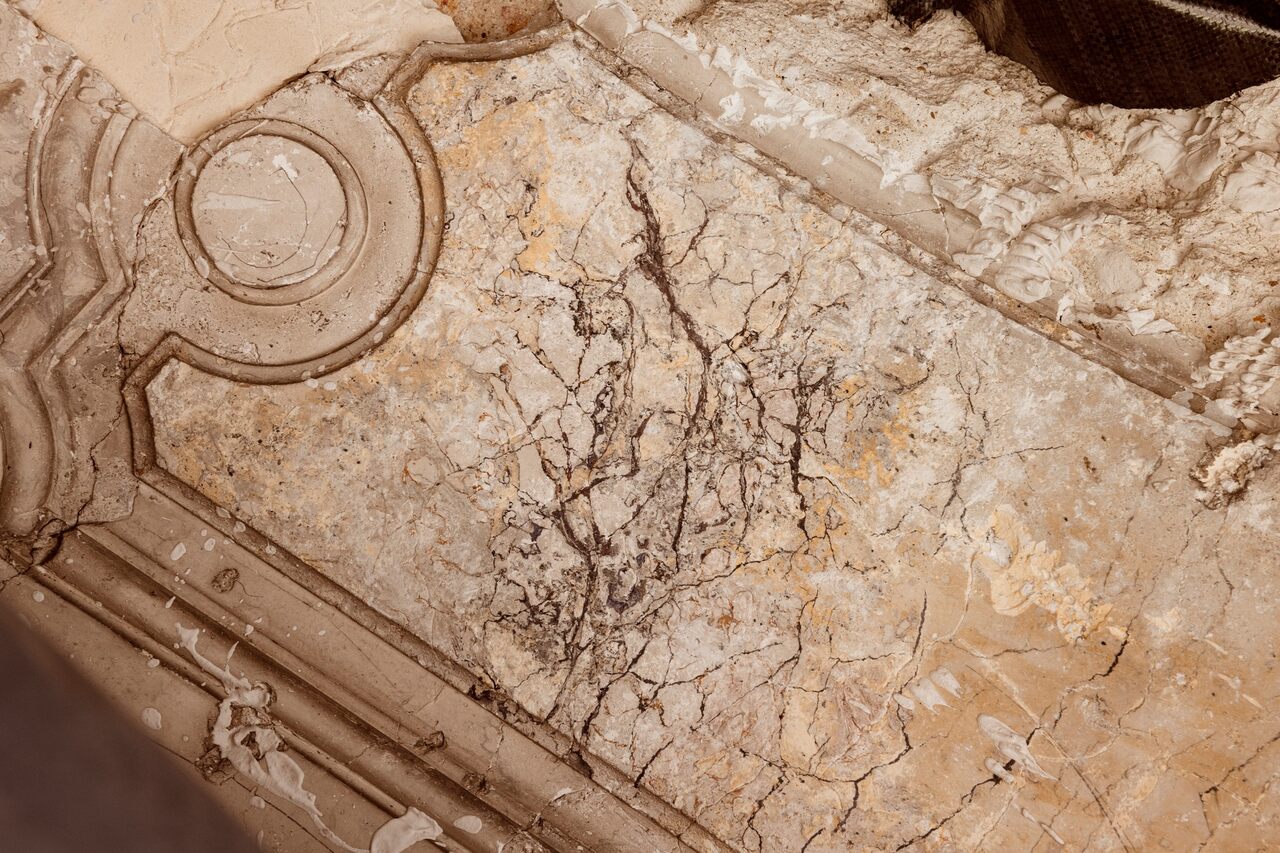
This newly discovered faux-marble decoration holds immense significance for the ongoing restoration of the Buda Castle. Along with previously found fragments, this find provides a more precise understanding of the original colours, materials, and textures of the palace’s expanded cloakroom lobby from the early 20th century. The discovery paves the way for an authentic and historically accurate reconstruction.
As the restoration progresses, the northern wing’s structure is set to reach its highest point later this year, and the building will soon house a new exhibition on the history of the palace. This remarkable find not only deepens our understanding of Buda Castle’s past but also brings us one step closer to reviving its original splendour and elegance.
Read also:


