Subscribe to our social channels to get the latest news about Hungary!


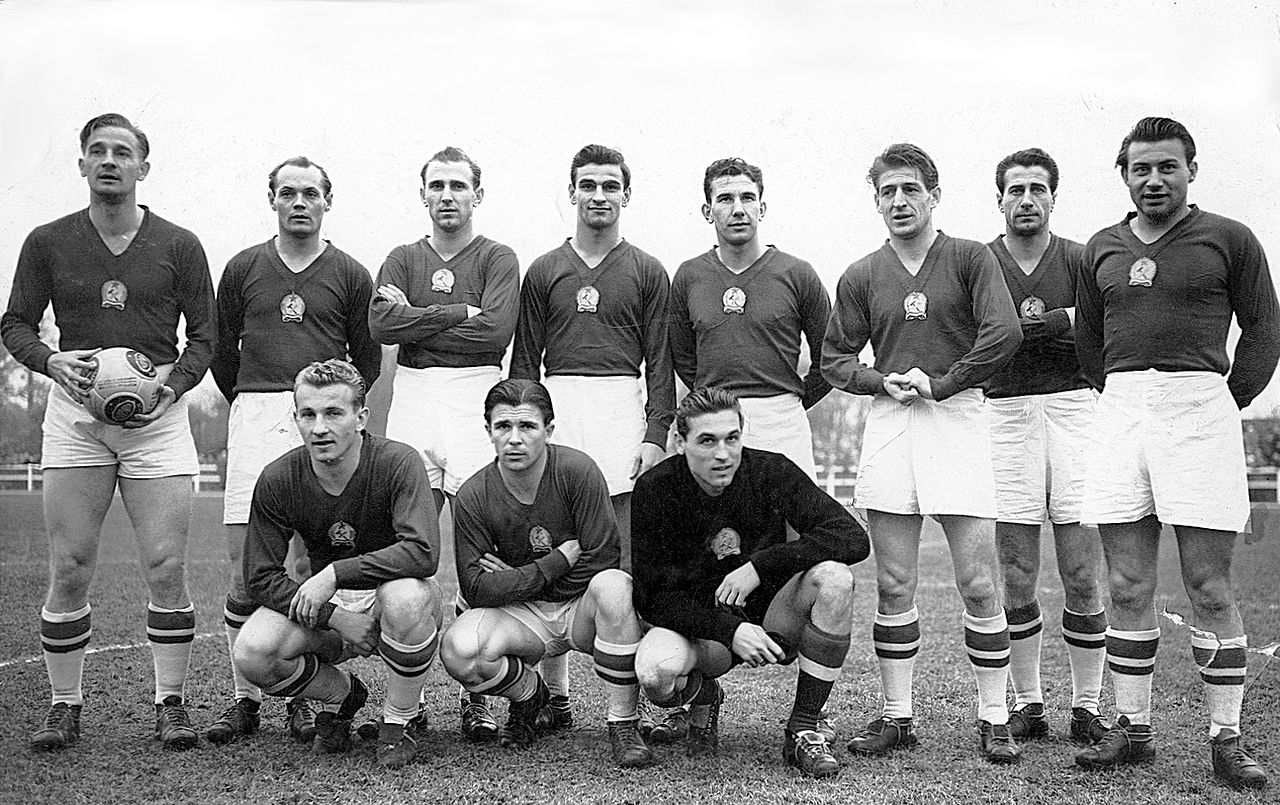
Ferenc Puskás is probably the most famous Hungarian in the world. His Golden Team, the “Mighty Magyars”, secured victory after victory for years, even defeating the English national team at Wembley in London. In 1954, the odds were in their favour to win the UEFA World Cup in Switzerland. They overcame West Germany, Brazil, and the reigning champions Uruguay, but in the final, they lost to West Germany. But what happened to the team after that?
Talking about the magnificent victories of the Hungarian Golden Team warms the hearts of all Hungarians. If a foreigner knows some of the names of the players who were part of the team during its heyday, from 1950 to 1954, they might even receive a free drink in Hungarian pubs.
The Hungarian national football team struggled during WWII, suffering significant defeats against Germany and Sweden, for example. After 1945, Hungary experienced a brief period of limited democracy, but ultimately, the Soviet occupation brought the Communist regime to power. The Communists ruled with the cruelty of the worst monarchs and landlords of the Middle Ages, and the people needed something to escape the hardships and absurdities of everyday life. They found that in football.
Between May 1950 and July 1954, the Hungarian Golden Team was undefeated. They overcame England at Wembley in 1953, won the Olympic Games in 1952, and were poised to win Hungary’s first UEFA World Cup in 1954. Hungary had reached the final in 1938 but lost to Italy in Rome. In July 1954, everyone was tuned in to György Szepessy’s broadcast, but Hungary lost to West Germany. Public outcry followed, and despite the Communist dictatorship, masses marched through the streets to protest the defeat. It took three days for the Communist police to quell the riots, during which angry football fans, for example, smashed shop windows in Budapest. Authorities had to smuggle the national team into Budapest, rather than allowing them to arrive moderately sad but proud of their silver medal.
In October 1956, the Hungarian people launched a revolution against the Soviet occupation and the Hungarian Communist regime. The revolution initially succeeded, but the Soviets retaliated, turning it into a fight for freedom. The Hungarian national team chose not to participate in the 1956 Summer Olympic Games in Melbourne, which were held between 22 November and 8 December. The backbone of the Golden Team, the players from Honvéd, travelled to Vienna in early November to arrange matches with Athletic Bilbao, FC Barcelona, and Sevilla FC.
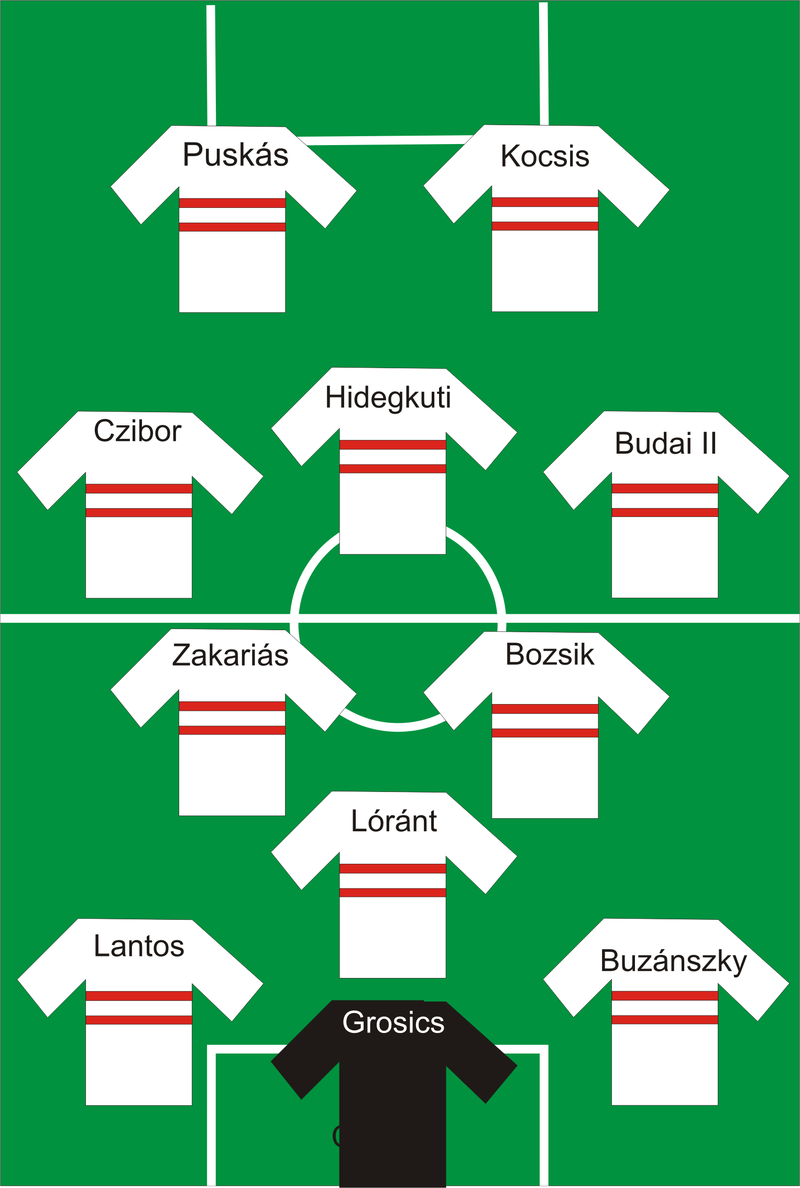
Honvéd lost to Athletic Bilbao, so they had to travel to Brussels to play there in order to stay in the competition. Afterwards, they went on an unauthorised tour of South America. When they returned to Vienna in January 1957, three members, including Ferenc Puskás, decided to remain abroad. These three players had scored 176 goals between 1949 and 1956, so their departure was a significant loss for Hungarian football. As a result, the Golden Team disbanded. In 1958, at the UEFA World Cup in Sweden, only five members of the Golden Team played for the Hungarian national team, and Hungary failed to progress beyond the group stage.
The first member of the Golden Team to pass away was József Zakariás, in 1971, at the age of just 47. The last surviving member was Jenő Buzánszky, who passed away in 2015, aged 89.
Read also:


