Subscribe to our social channels to get the latest news about Hungary!


József Váradi, CEO of Hungarian low-cost airline Wizz Air, has announced ambitious plans for a 20% rise in passenger numbers in 2025, as the company positions itself to surpass rival Ryanair. The airline also revealed a raft of long-awaited, customer-focused improvements aimed at enhancing the passenger experience.
In an interview with Turizmus.com, Mr Váradi outlined Wizz Air’s strategy to grow passenger numbers by 20% in 2025, despite challenges in 2024 stemming from issues with Pratt & Whitney engines, which left 20% of the fleet grounded. Nonetheless, the airline managed to increase passenger numbers from 60 million to 62.8 million during the year.
The carrier operated close to 300,000 flights in 2024 and expanded its fleet by adding 34 new aircraft, bringing the total to 226. Plans for further growth include acquiring an additional 50 Airbus A321neo and A321XLR aircraft by 2026. Wizz Air also carried 6.4 million passengers on Hungarian flights in 2024, a 23% increase on the previous year, according to figures shared with the Hungarian News Agency.
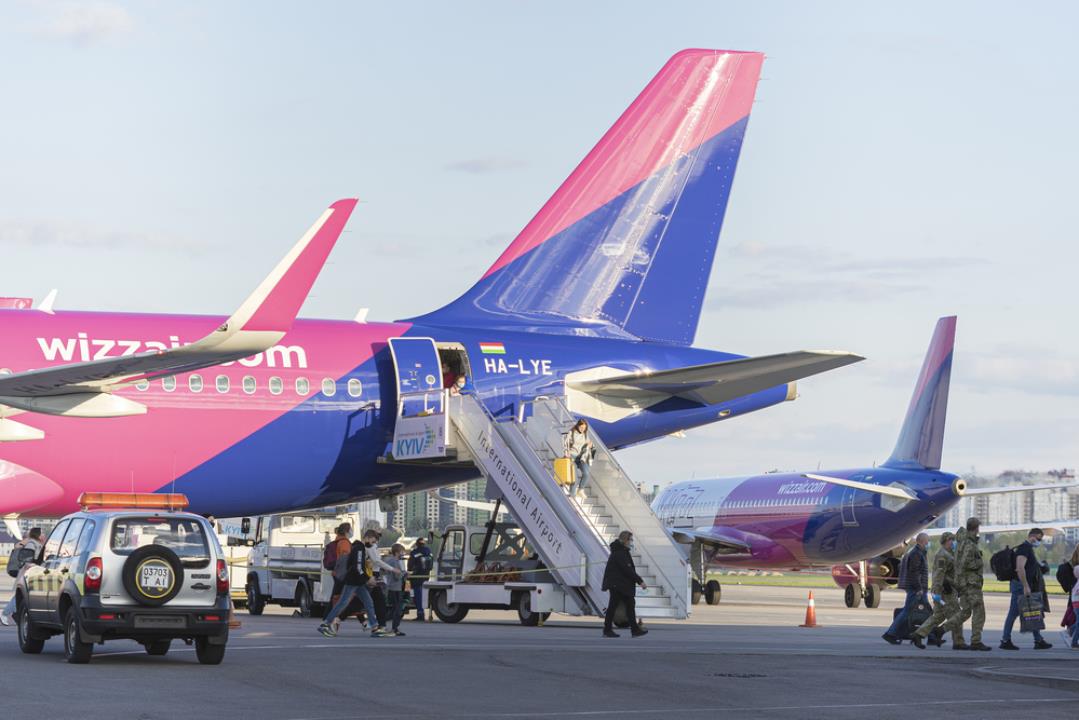
Váradi stated that Wizz Air plans to carry 20% more passengers in 2025, equating to 75 million tickets sold. He expressed hope that the year would be free from major disruptions such as the COVID-19 pandemic or ongoing conflicts. While their projections do not factor in a resolution to the war in Ukraine, he noted that an end to the conflict could significantly boost the airline’s expansion efforts.
Váradi addressed competition with Ryanair, noting that the Irish carrier enjoyed an advantage in 2024. However, he predicted that this advantage would diminish in 2025, as Boeing’s delivery delays leave Ryanair unable to receive new aircraft on schedule.
He also welcomed the Hungarian government’s decision to phase out its controversial windfall tax on airlines, describing it as a “nonsense” that had placed carriers at a disadvantage.
Váradi revealed that three of their aircrafts remain stranded in Ukraine, though they are unharmed. He estimated it would take six months to restore them to operability once they can be retrieved.
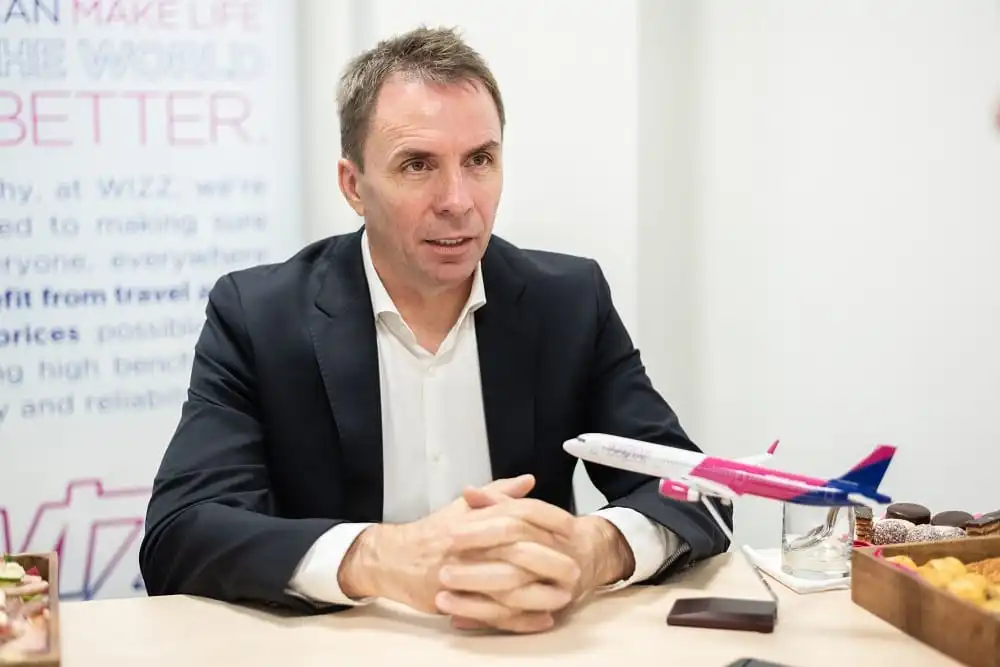
Contrary to speculation, Wizz Air has no plans to launch services to Pakistan, Váradi clarified. Instead, the airline’s next focus is India, with the new, longer-range Airbus A321XLR aircraft enabling routes such as London-Jeddah and Milan-Abu Dhabi.
Rejecting the idea of acquisitions, Váradi reaffirmed his belief in organic growth, which he said has kept Wizz Air free of debt. He also highlighted the popularity of the airline’s innovative Multipass and All You Can Fly subscription services.
According to iho.hu, in a move welcomed by passengers, Wizz Air will scrap its premium-rate customer service phone number from 28 January. The airline plans to restructure its help centre, making it easier for customers to resolve issues related to flights, bookings and luggage.
The carrier’s chatbot, Amelia, available 24/7 in English, German and Italian, will continue to handle straightforward enquiries, while live chat and phone support—charged at local rates—will assist with more complex issues.
“Wizz Air is committed to introducing innovative solutions and providing the best possible service for its customers,” the company said in a statement.
Read also:
Featured image: depositphotos.com


