Subscribe to our social channels to get the latest news about Hungary!


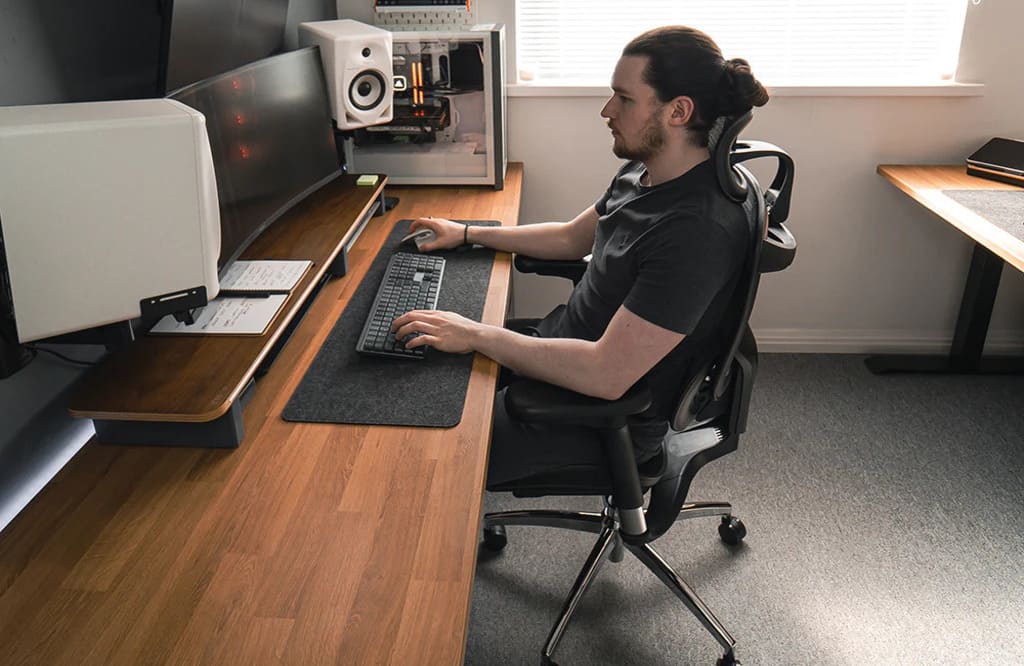
It’s 3:15pm, your shoulders have crept upwards, and the small of your back is whispering threats. It isn’t just workload; it’s your set-up. Most British homes weren’t designed as offices, so we perch at the dining table, hunch over laptops, and wonder why focus fades by mid-afternoon. An ergonomic chair isn’t a luxury here; it’s the simplest way to give your body less to fight against.
Ergonomics steps in as everyday relief rather than a gimmick: a smarter desk height, better lighting, and an Ergonomic chair that supports the spine’s natural curve and keeps micro-movement alive. Put those pieces together and you finish the day with energy left for your life.
Fit the work to the human, not the human to the work. In practice, that means three habits: support the spine’s natural S-curve, share load across multiple contact points, and keep micro-movement alive throughout the day.
You don’t need a spare room or designer kit. Start with these fundamentals:
UK homes are compact and multipurpose. Aim for a set-up that deploys in the morning and disappears at six:
Heroic intentions fade; micro-moves stick. Try the 30/30 cue: every ~30 minutes, do ~30 seconds of something — stand for the first minute of a call, heel raises while a file loads, shoulder rolls before “Join meeting”, look 20 feet away for 20 seconds to relax eye muscles. Tiny resets keep blood flow and concentration steady.
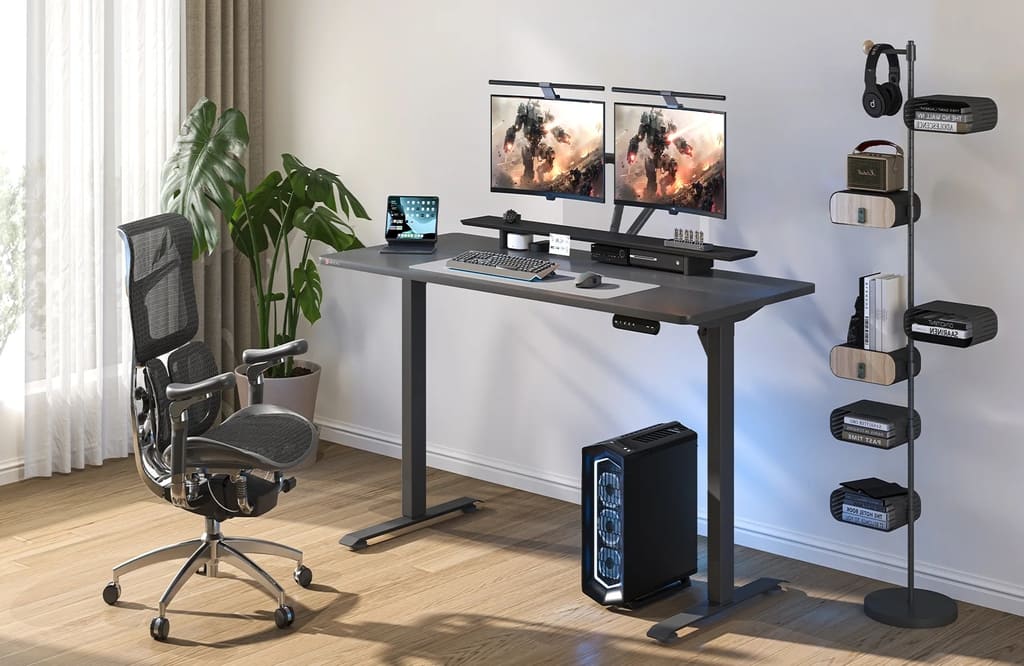
Comfort isn’t only joints and angles.
Your chair is the only part of your set-up that touches you for hours. The right one doesn’t force a pose; it follows you through real tasks — leaning in to type, sitting tall for a call, reclining to read. Use this quick buyer’s lens:
Once those fundamentals are in place, certain chairs make the routine effortless. As a reference point — not a hard sell — consider a model that pairs self-adjusting lumbar support (it “tracks” your lower back as you move) with multi-way armrests, a breathable mesh back, and a recline with a few sensible stop points. That spec is what many hybrid workers in the UK find to be the sweet spot: supportive for heads-down tasks, forgiving for reading and calls, and cool enough for long stretches.
One chair that fits this brief is the Sihoo Doro C300. It keeps lumbar contact as you shift, lets you place your arms where your keyboard demands, and stays understated enough for living spaces — useful if your office is also your lounge. Treat it as a yardstick while you compare options at your budget; if another model matches the adaptive back, armrest range and breathable comfort, you’re in good territory.


Consistency beats intensity.
Ergonomics isn’t about perfection; it’s about reducing friction so you finish the day with energy left for your life. Start with screen height, elbow support, lumbar contact, feet grounded, frequent movement and humane lighting. Then pick a chair that follows your day rather than dictating it. If you want a concrete benchmark as you try options, the Sihoo is a sensible reference for adaptive support and low-fuss comfort.
Sit well, finish strong — and make home feel like home again at six.


I used to think that there were almost no good slot sites in Canada. But after trying North Casino , I realised I was wrong. There is a huge selection of slots here, everything works smoothly, and you can even win real money. So I can confidently recommend this site to others, because you can win money here.