Subscribe to our social channels to get the latest news about Hungary!


Hungarian State Railways (MÁV) reported its worst annual performance since adopting a revised delay-tracking methodology in 2018, with trains accumulating 6.9 years of total delays in 2024. While the company’s public communications emphasised that 78.5% of its 1.14 million trains ran “on time,” critics argue the statistics mask systemic issues, particularly on regional routes.
Since 2018, MÁV has counted trains as “on time” if delays remain under six minutes—a threshold critics call misleading, 444.hu writes. Even by this lenient standard, 21.5% of trains (244,000) missed the target in 2024. Delays exceeding 20 minutes—which will qualify for partial refunds starting summer 2025—affected 5.9% of services (67,656 trains).
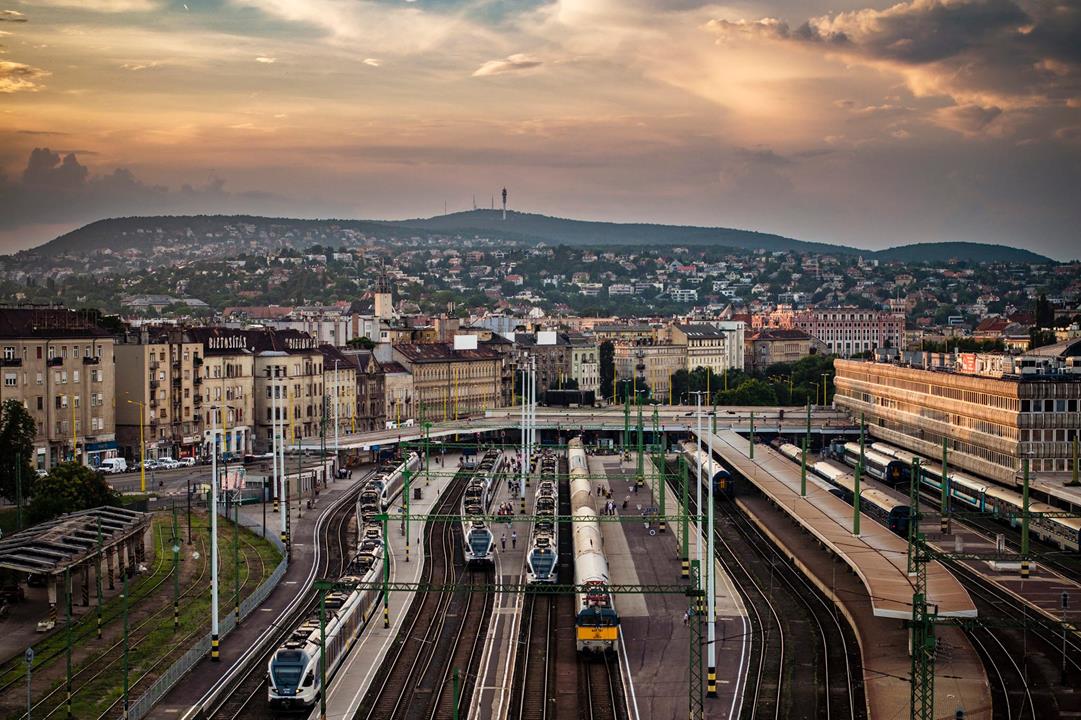
The total delay time reached 3.6 million minutes (3.8% of all travel time), a sharp increase from pre-pandemic levels. For context:
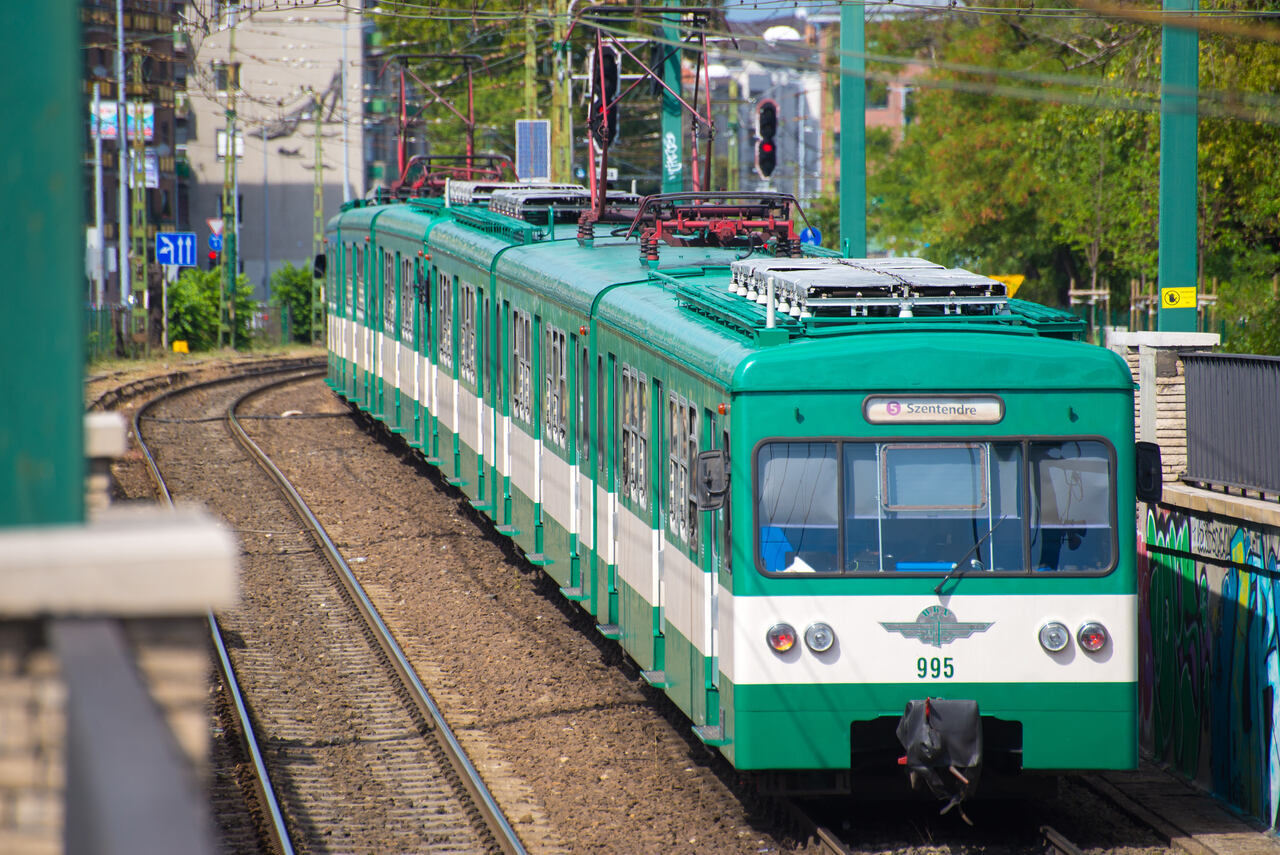
Urban-suburban routes, such as Budapest’s HÉV lines, skewed national averages with 99.6% punctuality. Meanwhile, rural services lagged dramatically:
| Route | Punctuality (sub-6-min delays) |
|---|---|
| Székesfehérvár-Szombathely | 45.3% |
| Budapest-Győr | 74% |
| Budapest-Esztergom | Over 90% |
Analysts like Dávid Vitézy note that MÁV’s aggregated data obscures poor regional performance by emphasising high-frequency suburban services.
MÁV attributed delays to ageing infrastructure and increased demand following 2024’s fare reforms, which boosted passenger numbers. However, Construction Minister János Lázár admitted the system’s dire state, likening modernisation efforts to “building castles from mud”.
While trains faltered, MÁV’s bus services achieved 97.7% punctuality, with regional buses outperforming Budapest-agglomeration routes. HÉV suburban railways maintained world-class reliability at 99.6%.
MÁV’s pledge to refund tickets for 20+ minute delays marks a transparency shift, but experts question whether financial penalties alone can address infrastructure decay. With rural delays persisting and urban networks straining under demand, 2025 will test the viability of Hungary’s rail modernisation promises. The 2024 data highlights a stark difference: while Budapest’s commuters enjoy relative efficiency, regional passengers face a reliability crisis—one that revised metrics and refund policies alone cannot resolve.
Read also:


A Canadian civil engineer I know travelled on the Szentendre HEV recently and remarked that she saw things that would never pass safety regulations back home like a misshaped track that could cause derailment. The carriages themselves are operating East-German museum pieces. Maintenance needs to be done on railway lines before an accident happens. We already had a recent derailment at Keleti.