South African site makes a list of Hungary’s most attractive sights

Change language:
An article was published recently about Hungary on the South African news site Iol.co.za. This publication concludes a short list about the “8 reasons to visit Hungary.” It emphasizes how well the different cultures that affected Hungary throughout its history – from Ottomans through Italian artists to the German baroque – mixed together. Let us see what IOL claims to be Hungary’s eight best aspects.
-
Széchenyi Baths
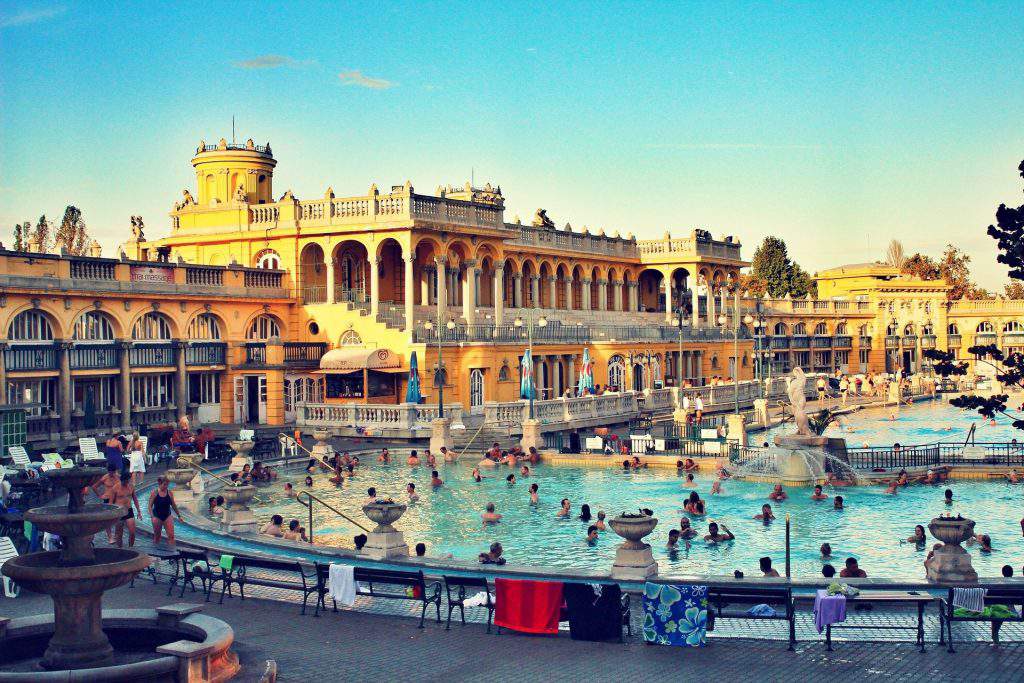
Named after the great developer politician Count István Széchenyi, these thermal baths fulfill both health and entertainment purposes. Hungary’s favorable water conditions and plenty of spring water sources make it possible to have dozens of spas across the country: Budapest alone has around 15, and Széchenyi is the biggest among these.
-
Goulash
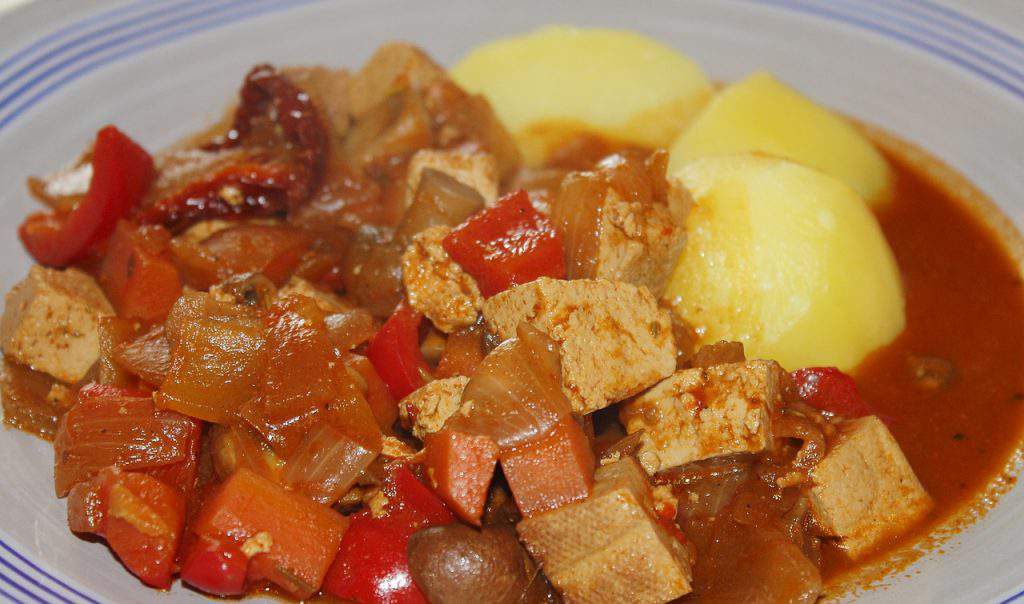
Hungary has several iconic dishes from Somló cake through mákos guba (sweets with vanilla syrup and poppy seeds) to meat pancakes á la Hortobágy, but goulash is probably the most famous of all. Don’t mix it up with the “goulash” that can be ordered in restaurants abroad: the real “gulyás” contains meat stew, potatoes and other cooked vegetables, and, of course, lots of paprika and sour cream.
-
Matthias Church
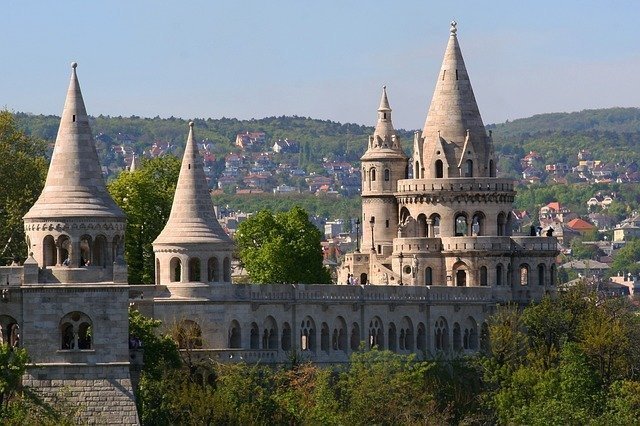
Gothic is not a common style across Hungary concerning churches, but there are still splendid exceptions in some rare places. One of the finest Gothic religious buildings in the country is Matthias Church, named after Mátyás Hunyadi, probably one of the most successful kings of Hungary’s history.
-
Győr
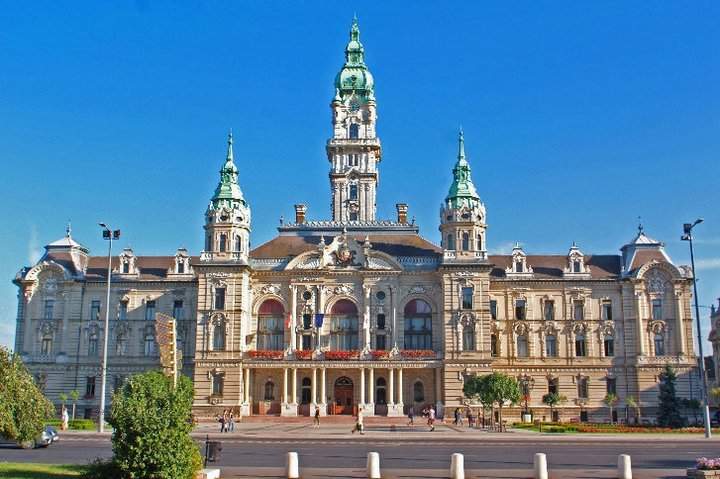
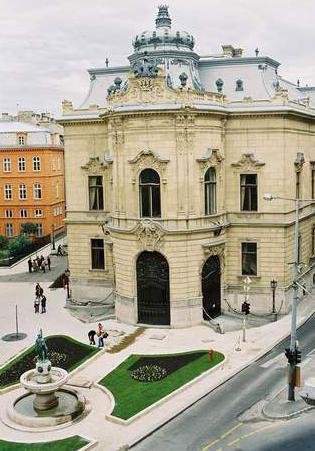
This city, which lies in the northwestern edge of Hungary, is one of the most spectacular cities of the countryside. Its fashionable stores, majestic churches and some other eye-catching buildings that show a great Austrian impact – due the city’s close location to the border – create the impression of a true European major city.