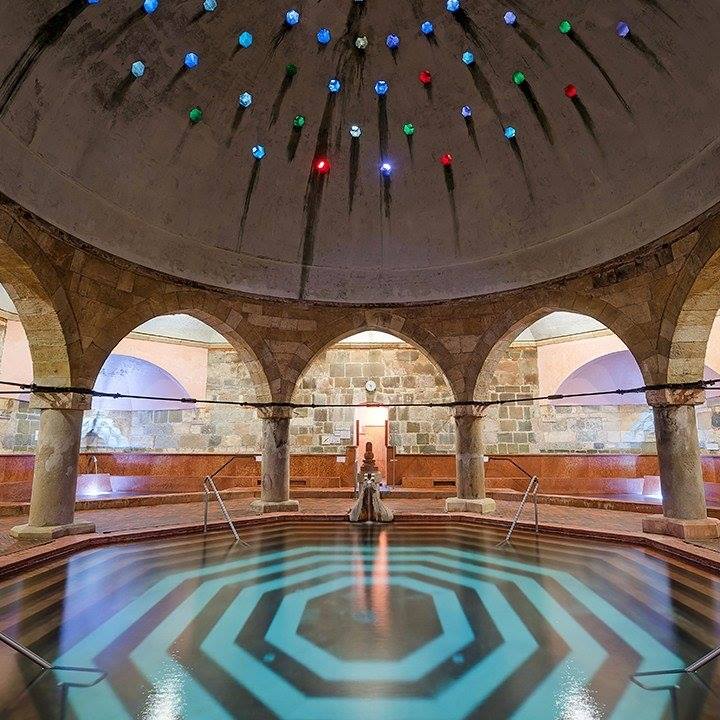
Experience the Turkish side of Budapest! – photos, video
Change language:
The Kingdom of Hungary fought against the Ottoman Empire for almost 300 years and was under the rule of the sultan for more than 150 years. However, apart from soldiers, weapons, and armies, many elements of the Ottoman culture also came to Hungary, and marvels were born.
The Tomb of Gül Baba
Though not much is known about his life, it is sure that Gül Baba was an Ottoman Philosopher, poet, and writer, who was at the same time a Muslim monk, a Bektashi dervish. He took part in many Ottoman invasions in Europe from the reign of Mehmed II onwards. He is thought to have died in Buda, in August 1541, after the Ottoman Empire occupied the castle by a trick: janissaries walked into the castle to admire its beauties but did not leave it until 1683 when the city was finally freed of the Ottoman rule.
His tomb became one of the northernmost Muslim pilgrimage destinations. Allegedly, Gül Baba died in the fight below the walls, and his funeral was the first Muslim religious ceremony held in Budapest (then Buda). Allegedly, Sultan Suleiman was one of his coffin-bearers and declared him the patron saint of Buda.
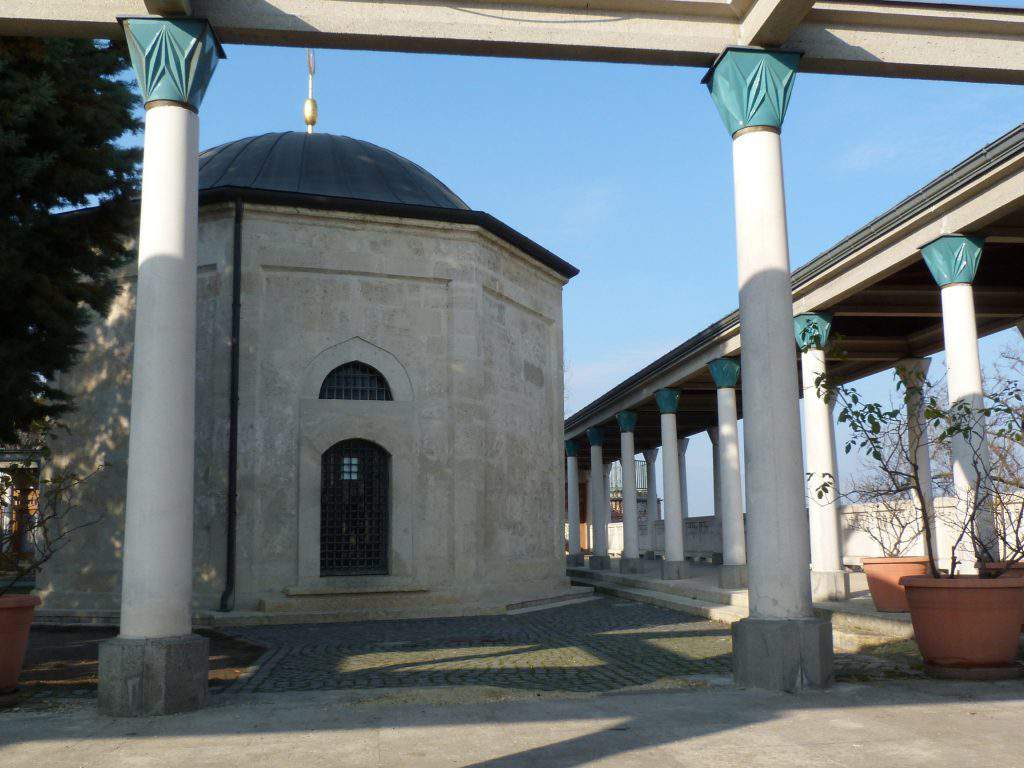
After the retake of Buda by Christian forces, the tomb was converted into a Roman Catholic chapel and was renovated several times. In 2016, the tomb and its neighbourhood were rebuilt and renovated with the financial help of the Hungarian and the Turkish governments.
The tomb is located on Mecset Street in Budapest, a short but steep walk from Margaret Bridge in the district of Rózsadomb (Hill of Roses). Here is a short video compilation about the tomb with beautiful photos, and HERE you can find some further details about the issue: