Subscribe to our social channels to get the latest news about Hungary!


After sixty-six years, Hungary reveals another monumental arena in Budapest. With the friendly football game against Uruguay, Central Europe’s biggest and most modern stadium named after the legendary football player, Ferenc Puskás, will be officially opened.
HVG reported that the stadium’s measurements are its most monumental feature. The full coverage of the stadium and its environment is 208,010 square meters while the building itself covers 60,703. The highest point of the building is 50.7 meters, its widest point is 261.3 meters, and its longest measurement is 316.5 meters.
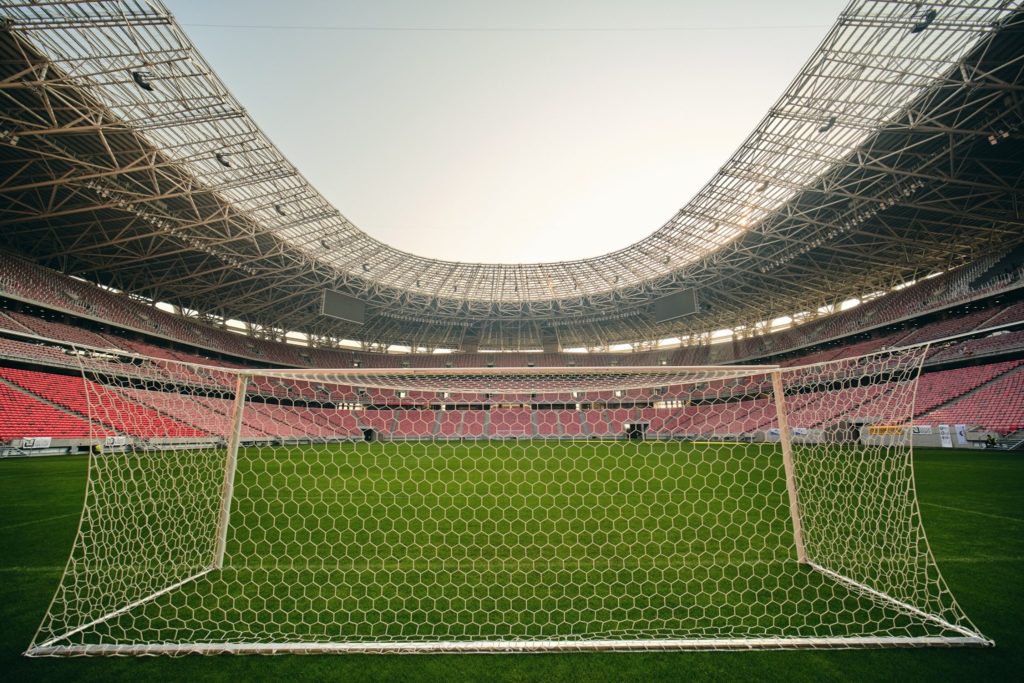
The arena of the stadium covers 11,150 square meters, and the football field out of this is 105×68 meters.
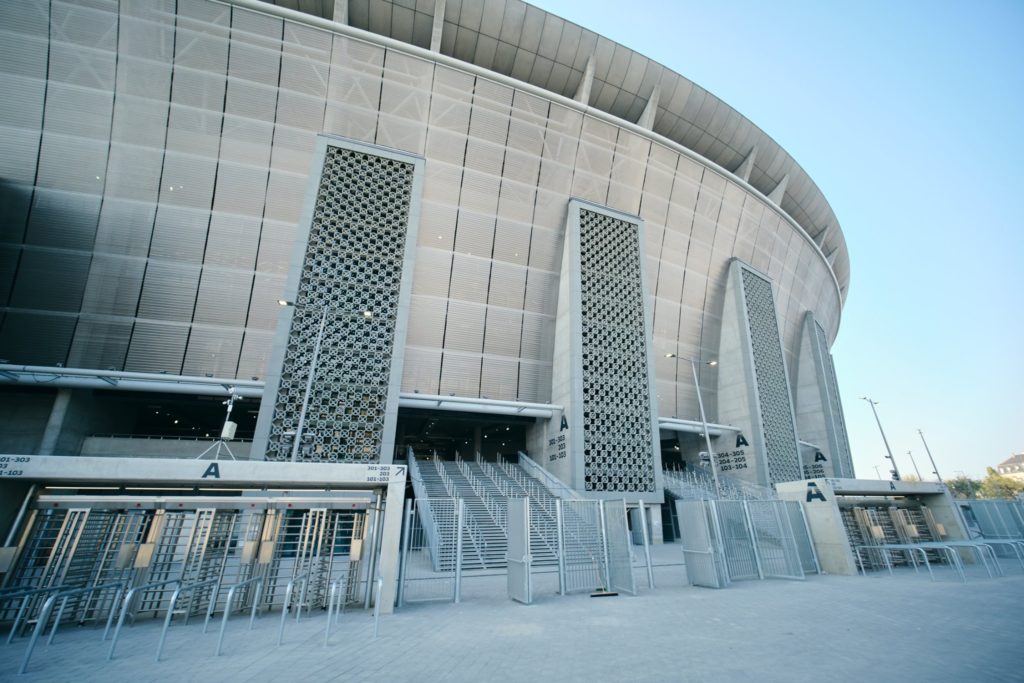
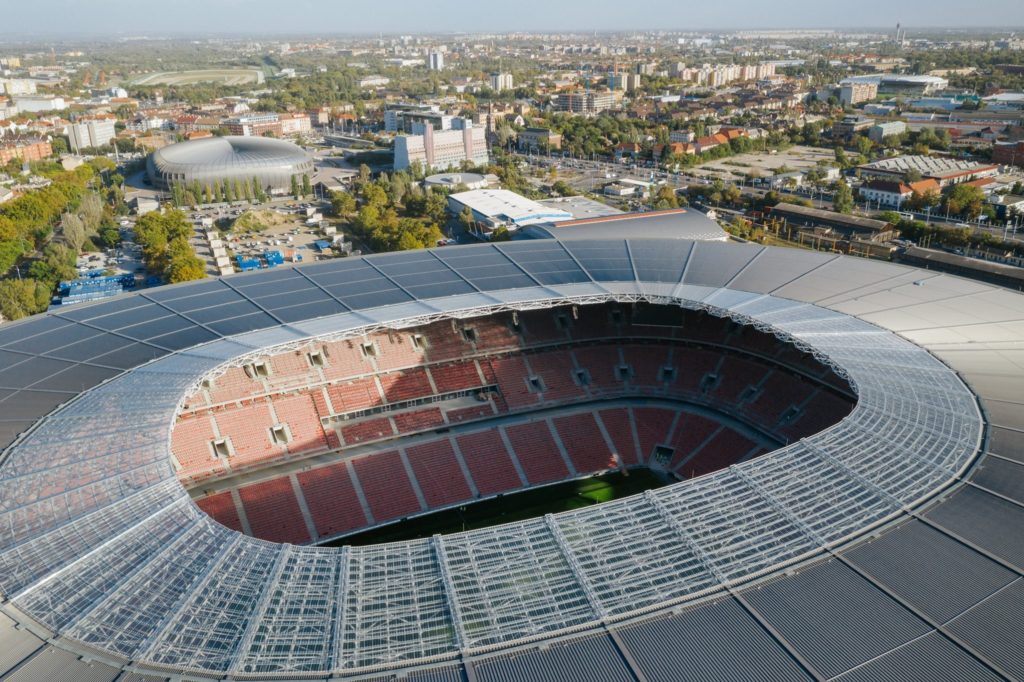
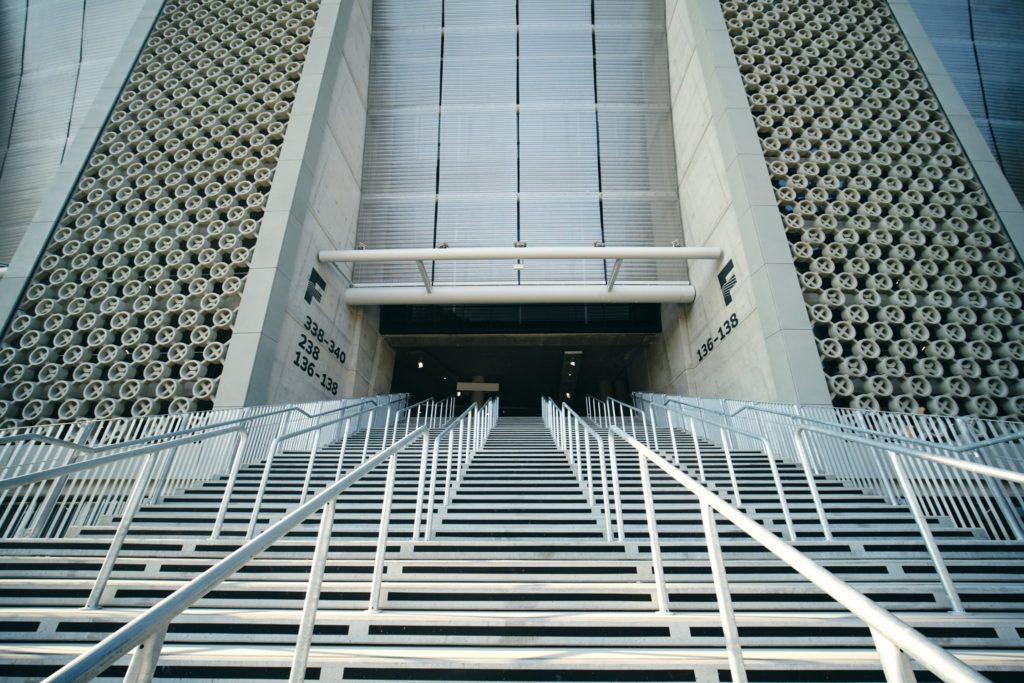
The grandstand of the stadium was built to three levels. On an area of 36,374 square meters, it is covered by a 57,142-square meter roof. The lowest point of the grandstand is not covered, though; those who sit in these places need to prepare for getting wet when it rains. Architects kept the memory of the old stadium in the newly built one. The round-shaped circle of the stadium remained in its original place, and the tower next to the statue park was also kept. Here, the planned Puskás Museum will be opened soon.
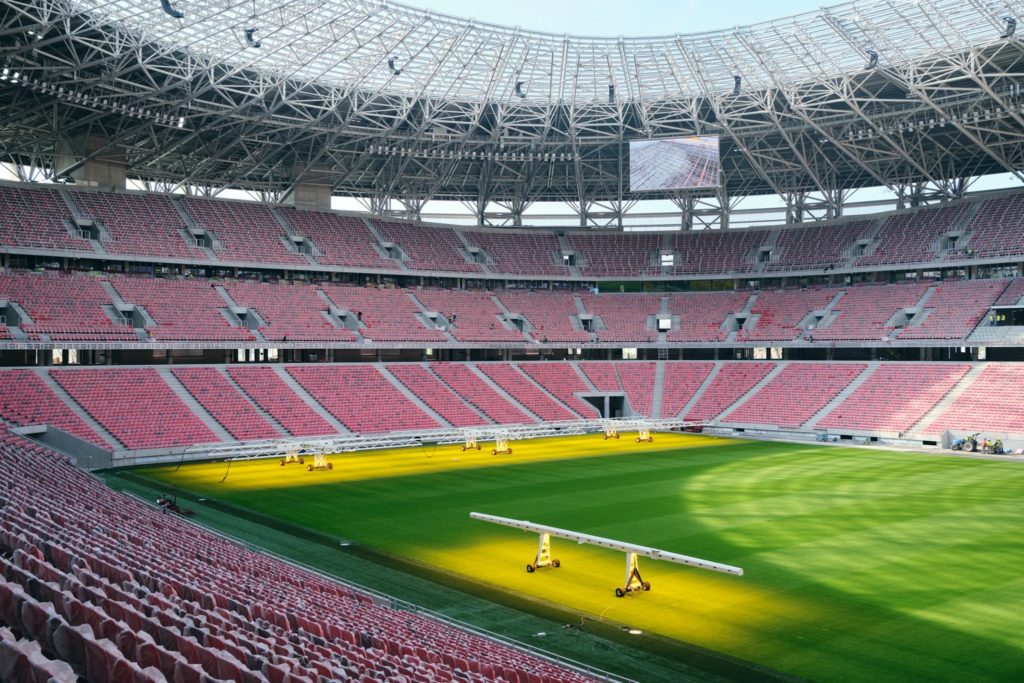
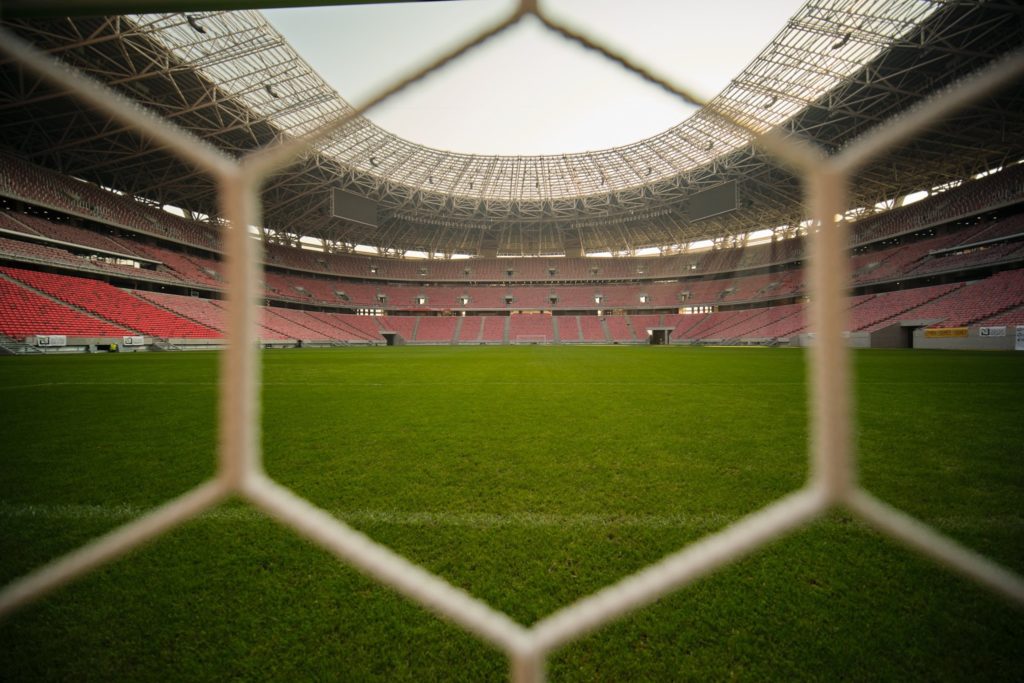
Over the course of three years, approximately 15,000 people worked on the Puskás Arena. 19,000 tonnes of rebars were used, which would be enough for 75 houses with 10 floors. Furthermore, 150,000 tonnes of concrete and 12,000 tonnes of steel structure were needed, which would be enough to build to Elizabeth Bridge. Last but not least, 1,700 kilometres of cable was used, which is the distance between Budapest and Ankara. The biggest challenge of the construction was the stadium’s roof, which required a special crane from abroad.
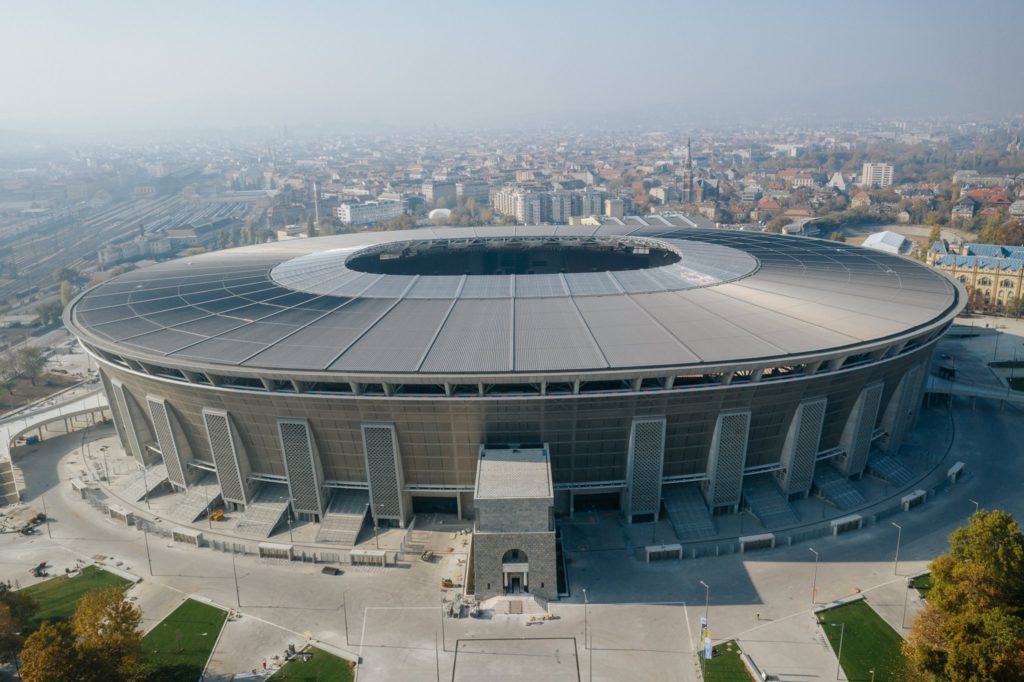
The new building has 67,155 seats. With this capacity, it is the 19th biggest stadium in Europe. In the world, it is not in the top ten biggest sports buildings, it is only in 56th place. According to the project’s plan, the new stadium’s budget was originally 150 billion HUF (435 million EUR), but eventually, it was reduced to a smaller amount because the planned one would have been too expensive for the Hungarian state.

The Puskás Stadium’s final budget is an estimated 143 billion HUF (415 million EUR). This includes the most modern and unique hybrid lawn coverage of the stadium.
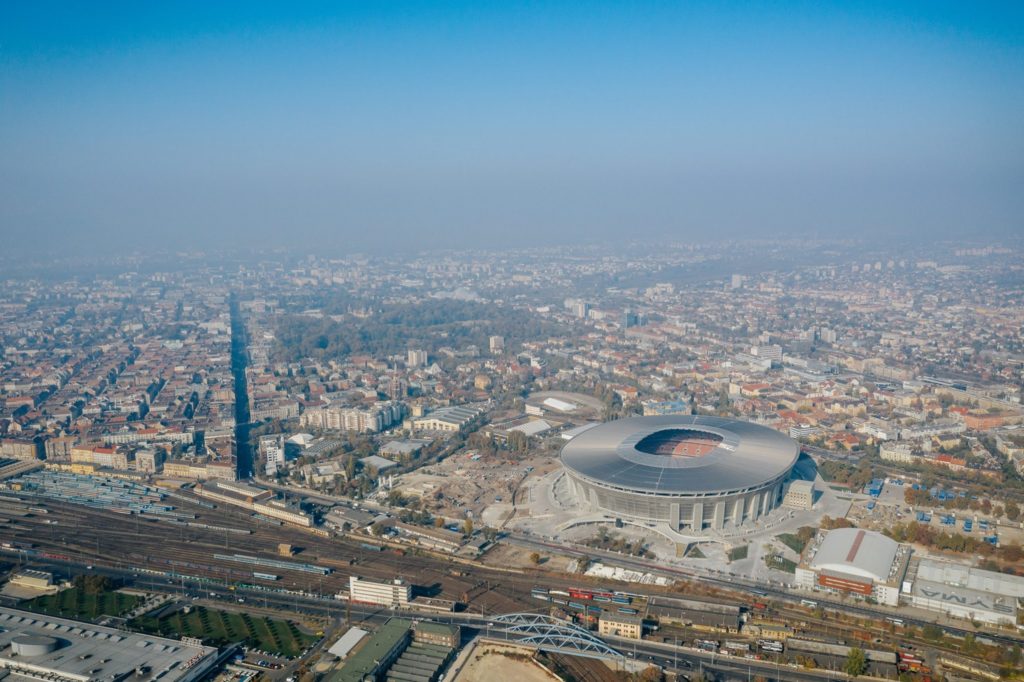
The stadium will give place to several football games under the wings of the European Championships next year. Another interesting fact about the stadium is that visitors can only pay inside the building by credit cards.