Subscribe to our social channels to get the latest news about Hungary!


Hungarians are proud of their scientists and inventors, but few people know that the world owes much to Hungarians when it comes to gastronomy as well. A Hungarian scientist spread soy in the Western world, a Hungarian count naturalised grape and wine in California, and Hungarians played a major role in the emergence of top American gastronomy. Origo presents six Hungarians who have contributed greatly to the development of food and drink culture from America to South Africa.
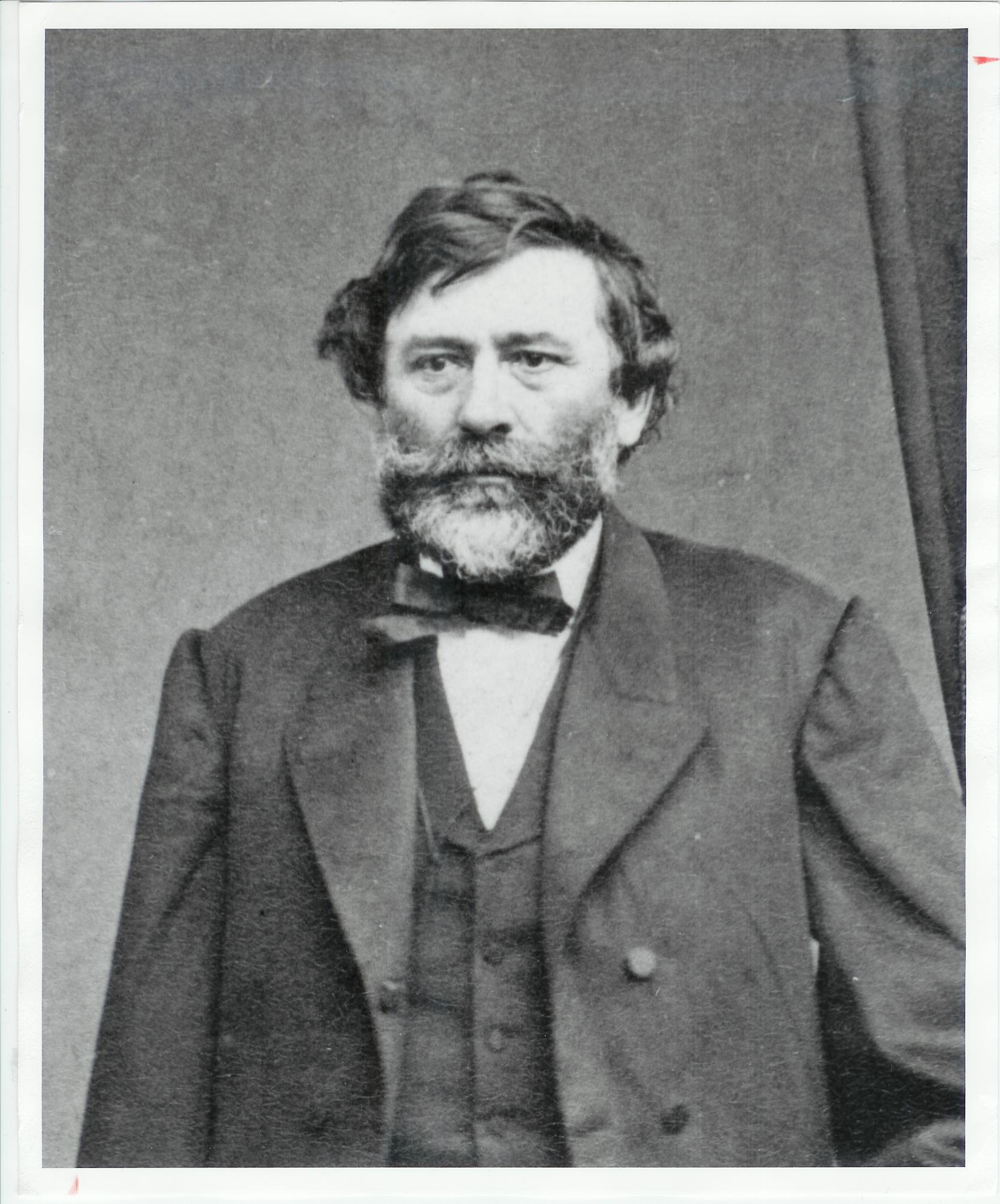
As a nobleman who was the ambassador of Bács County in the Parliament of the Reform Age, he began to travel, touring Britain and the United States. He emigrated to the United States with his family in 1840 and first settled in the state of Wisconsin, where he founded the Haraszthy Village (now known as Sauk City).
He embarked on the intensive development of the newly founded city, building roads, bridges, and mills. He started hops and sheep breeding and established the area’s first regular steamboat service. He even founded a winery, but after several years of trying, he was not satisfied with the quality of the wine produced. So, in 1848, in the hope of finding a better wine-growing area, he moved to California.
Haraszthy and his family settled in San Diego at the end of 1849, where he bought land and planted orchards. He soon took an active role in local business and politics. Named in honour of him, Haraszthy Street existed until the 1960s, when it disappeared because of the construction of a highway. He was even elected the sheriff of San Diego.
In 1857, he made a visit to the Sonoma Valley, where he immediately recognised the excellent qualities of the area. He named his vineyard and winery of 226 acres Buena Vista. Haraszthy believed it was possible to produce quality wines in this area that could compete with their most famous European counterparts. In 1861, he visited Hungary and other European wine-growing countries, returning to the United States with more than 300 grape varieties.
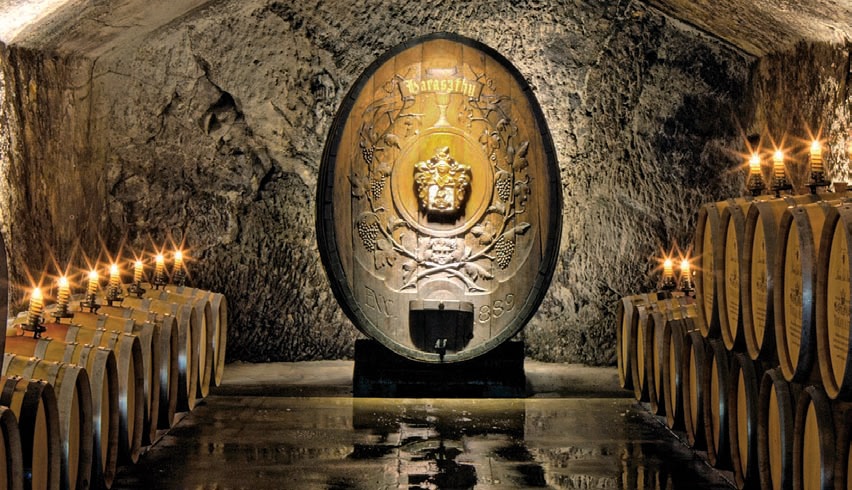
However, the European species were not resistant to American pathogens and pests. In 1866, the Buena Vista Winery was facing serious financial difficulties when a significant part of the vineyard was destroyed. As a result, Haraszthy resigned from running the farm, and in 1867, he went bankrupt.
Ágoston Haraszthy is most respected for laying down the very foundations of what is now world-famous Californian grape and wine culture. The Buena Vista Winery, which he founded, still operates in Sonoma.
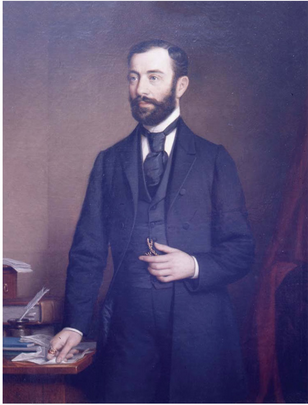
A medical professor from a wealthy Jewish family fought to eradicate hunger. He graduated from the University of Budapest, and from 1918 to 1920, he conducted research on blood proteins in a Berlin-based research laboratory led by the famous Professor Wassermann.
Later, his main research was to develop a low-cost, mass food option that he wanted to achieve by making soybeans fit for human consumption.
Between 1922 and 1936, he managed to produce the necessary nutrients at the nutrition-chemistry institute in Vienna where he was in charge. His invention was accepted by the League of Nations, and in France, a method of mass production was developed together with chemist François Arnold.
Back in 1913, Berczeller first encountered soy, one of the main ingredients of Oriental cuisine which was unknown in Europe, in a Japanese restaurant in Berlin. He later developed soymilk, soy meal, and cheap soy bread. But his patents were infringed unscrupulously, especially by the Nazis, who used soy to feed their soldiers. Berczeller died in a poor home in absolute poverty with a clouded mind in 1955.
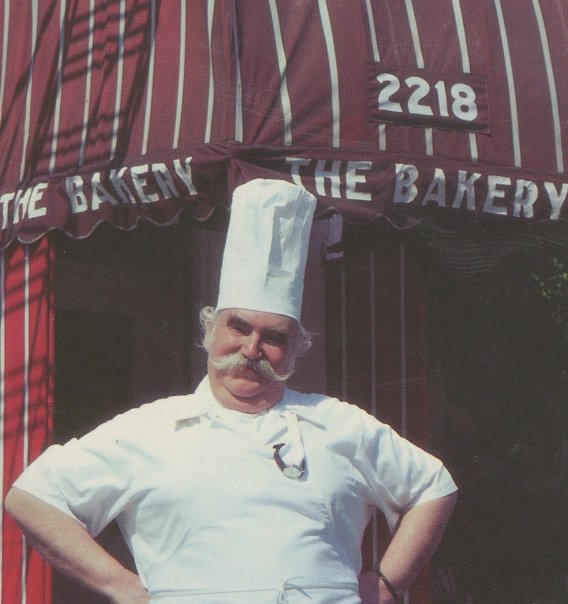
He was born on a train while his Transylvanian family fled from the Romanian army. He graduated from high school in Sárospatak, then enrolled at Pázmány Péter University in Budapest and applied to the College of Journalism which had just started.
In the fall of 1944, he enrolled in the army, and he and his corps moved west. The end of the war found him in the American occupation zone in Germany. He graduated with a doctorate in psychology, then emigrated to the United States in 1951. He worked on kitchens, then developed frozen and packaged meals at a Chicago company, which NASA used. He founded his own restaurant, The Bakery, which was one of the city’s most popular places for decades.
If you like Hungarian street food, we have an article for you with 5 recipes, so you can try and recreate the experience in the warmth of your home. But if you are really adventurous, you can check out the top 10 weirdest Hungarian dishes. These might sound strange, but if someone makes them properly for you, they are very tasty.
He made his first major success with his book, Secrets of a Chef (Chicago, 1971), which was on the bestseller list for quite a long time. In his writings, he recalled the memories of Transylvania, Szeklerland, and primarily of Târgu Mureş with emotional, warm, and welcoming expressions.
He was the first celebrity chef in America to perform in commercials, countless radio and hundreds of television shows, including Oprah Winfrey’s.
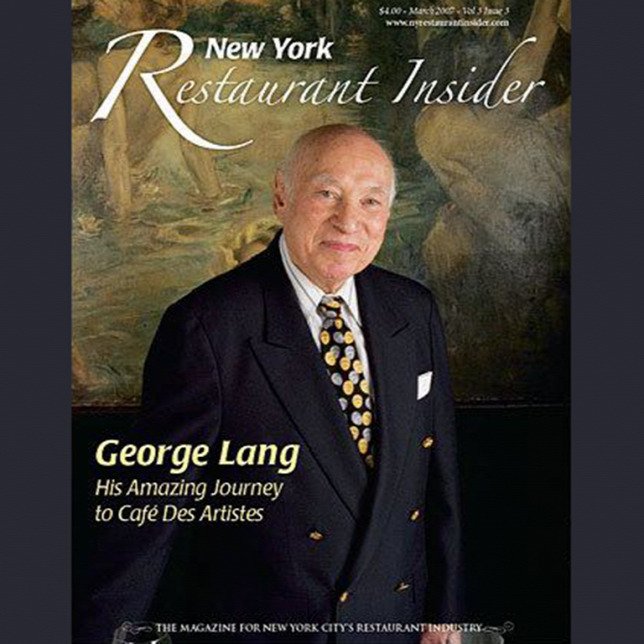
He escaped from a forced labour camp during World War II. He then emigrated to America in 1946, where he pursued a career as a chef and then as a restaurant manager.
He was the co-founder of the Four Seasons in New York, the first American high-end restaurant to offer a seasonal menu in English instead of French, paired with American wines, and he asked the world-famous abstract painter, Mark Rothko, to decorate the guest area.
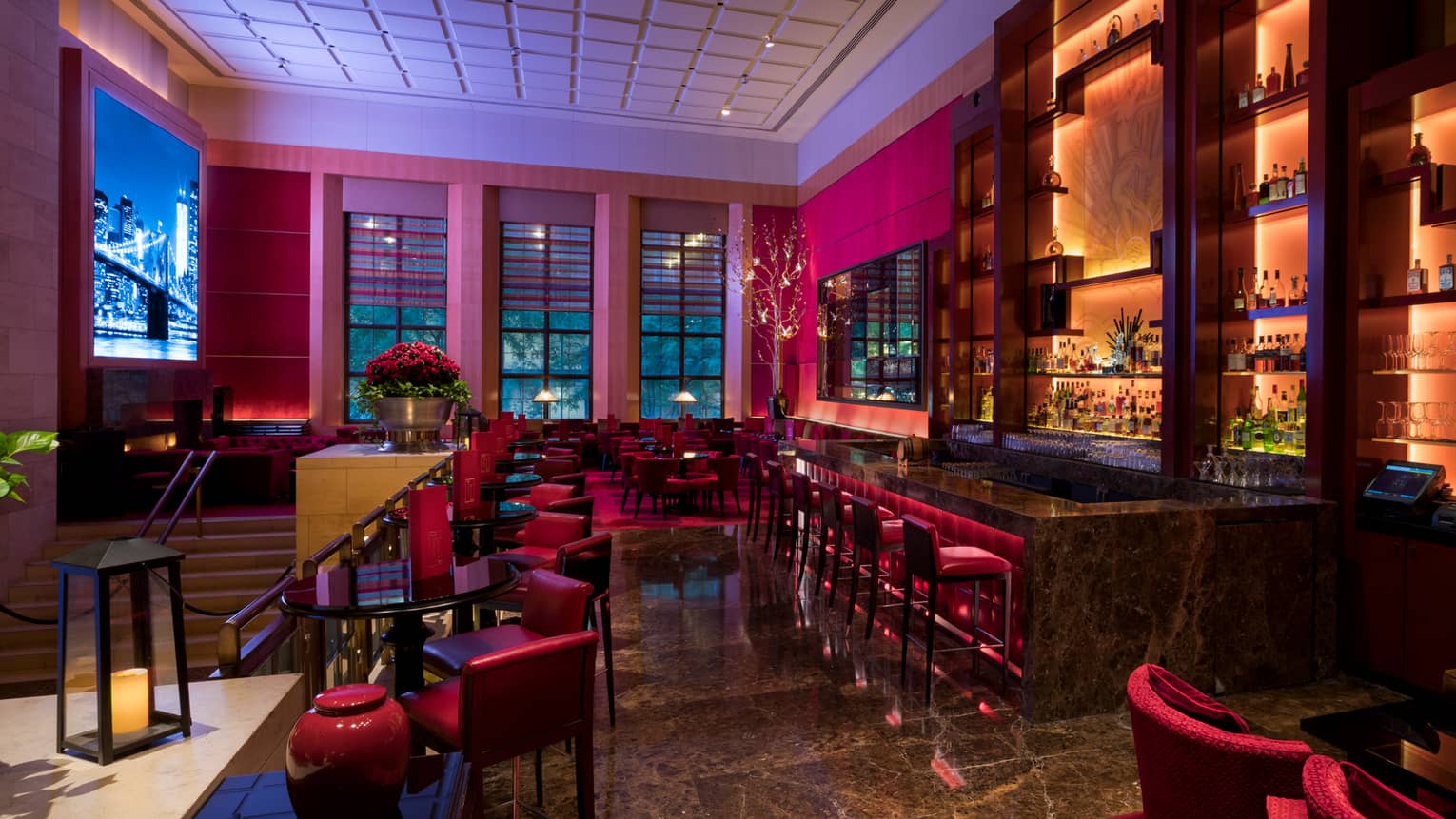
Also linked to his name is the launch of the Hotel des Artistes restaurant next to Lincoln Center, which was originally intended as room service, but within a short time became one of the Big Apple’s best restaurants. Láng successfully avoided the intimidating atmosphere of exuberance that was so typical of a high-class New York restaurant and, in his own words, created an “elegant bistro”.
The restaurant – no longer under his control – operated for a long time but was closed because of the recent financial crisis in August 2009. Láng, who once had lunch at the old Gundel in Budapest when he was a student, returned home after the regime change, bought the restaurant, and managed to revive it.
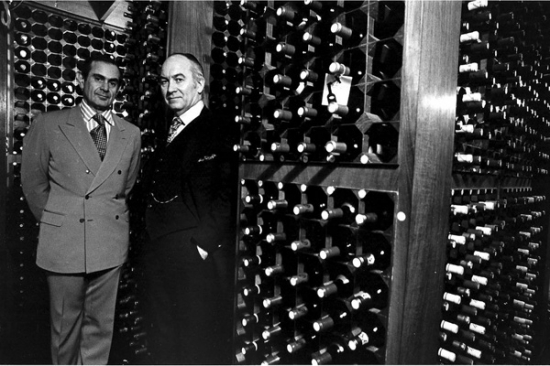
He was an agricultural engineer and soccer player who emigrated in 1947 and ran a restaurant in the Italian capital while playing in AS Rome. In 1950, he moved with his family to New York, where he graduated in hotel and catering. In 1966, he and Tamás Margittai took over the Four Seasons from George Láng. They ran the restaurant for nearly twenty years, during which time they had elite guests, such as George Bush, Henry Kissinger, Muhammad Ali, Pele, Woody Allen, Kurt Vonnegut. They sold the restaurant in 1995. He also researched Transylvanian cuisine and published his cookbook, Transylvanian Feast, in 1980.
He was fully recognised by the professional circle, who considered him to be a caterer in every sense. He was always calm, confident, and kind, which made his guests calm, but he was always careful with and even distrustful of his staff. He had the ability to recognise hundreds of his regulars without a mistake and was able to chat instantly with anyone in half a dozen languages, though he could never strip his distinctive Hungarian accent. A writer once described Kövi as well-mannered, calm, elegant, like an old movie star.
When he inquired about Kövi’s method for keeping himself so well, he admitted to dieting. Hungarians are used to suffering anyway, Kövi added.
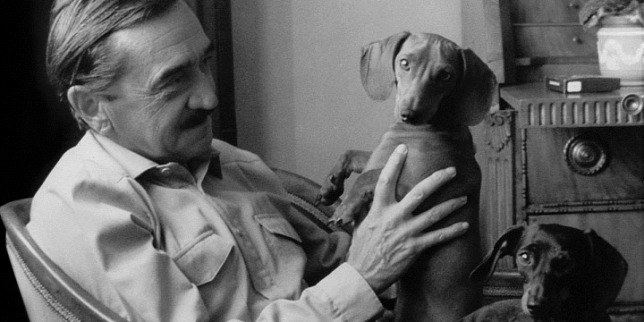
Dezső Pongrácz, who is of aristocratic descent, aspires to a novel throughout his adventurous life, though his peak is undoubtedly the fact that they named a champagne manufacture after him due to his influence on South African wine production. After graduating in Budapest in oenology and after the revolution in 1956, he was brought to a Namibian farm through his noble relations. From here, he moved his headquarters to Africa’s most important wine region, Cape Town.
As a professor at Stellenbosch University, he has done much to revitalise local wine culture, and his textbooks are still used today. He has naturalised chardonnay, pinot noir, and sauvignon blanc in South Africa, as well as champagne production using the Champagne method.
The winery bearing his name still operates today.
With his spirit and fresh ideas, he had a great career as an agronomist, researcher, textbook author, and industry leader, and he had been a decisive influence on the development of South African wineries. For recreation, he listened to Beethoven’s symphonies or spent his spare time with his beloved dachshunds until he died in a car accident at the age of 61.
Source: Origo.hu


