Subscribe to our social channels to get the latest news about Hungary!


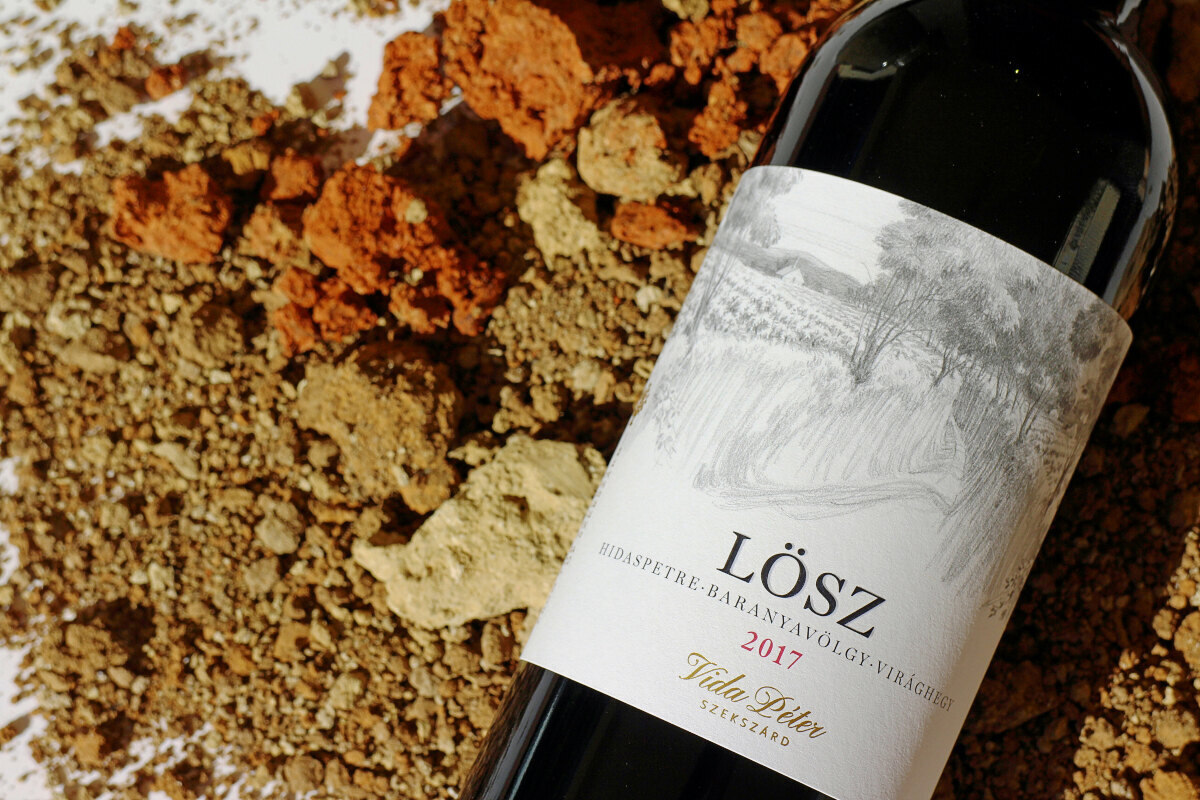
The Szekszárd based Vida Winery is launching a new red in September that highlights the main soil type of the region, loess. The reason why the Vida Family decided to name their wine after loess is because it has a major influence on the style of Szekszárd wines.
In the world of wine it is a widely accepted view that the character of a wine is strongly determined by the conditions the grapes are exposed to during their growth and ripening process. A region’s microclimate, topography and the composition of its soil are the most important factors in determining the style of a wine, a winery and overall that of a wine region.
Loess is an important soil type in many leading wine regions of the world. It is the major soil type of the Rhône Valley in France, several regions along the Rhein in Germany, Wagram in Austria, Central Otago in New-Zeland and of course Szekszárd in Hungary.
Loess is a loosely packed soil type, therefore its water retention capacity resembles that of sponges.
Stored water is gradually released which is a benefit for vine plants. Because of its loosely packed nature the amount of air it contains is relatively high and that is vital for healthy soil life and great for vine roots.
Experts claim that wines coming from loess soils are typically expressive with fruity, floral aromas, round acidity and tannins. They don’t need particularly long ageing, even the more serious, weightier wines give full pleasure at a relatively young age.