Subscribe to our social channels to get the latest news about Hungary!


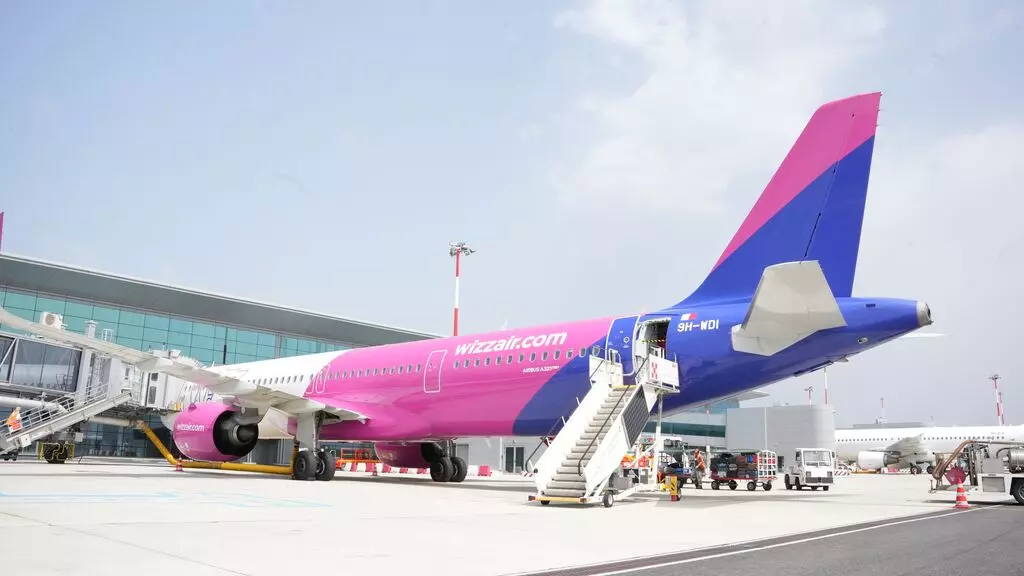
Hungarian low-cost airline Wizz Air has unveiled a significant increase in weekly flights to Türkiye.
Commencing in March, the route between Budapest and Istanbul will see a rise from seven to nine flights per week, with ticket prices starting at HUF 15,590 (EUR 41).
Major refurbishments have been underway at Ferenc Liszt International Airport since May, focusing on aviation safety and compliance. Completed in November, projects included renewing asphalt and concrete pavements on taxiways B3, B4 and B5, covering over 37,000 square metres. Additionally, apron AG, primarily used for aircraft parking and ground handling equipment storage, saw renewal on over 16,000 square meters. Upgrades to storm drains (over 5000 meters) and lighting substructures of taxiways B3-B5 (over 4000 meters) were part of this extensive initiative, as reported by bud.hu.
November marked a bustling month for Budapest Airport, with 1,149,078 passengers recorded, an 18.5% increase compared to the same period last year.

As Budapest Airport approaches the end of another year of progression, the strength of its cargo development remains robust. Having seen 112% growth in volume from 2015 to last year, 2023 continues to produce an increase in cargo traffic with new records set. Handling 22,206 tonnes in November alone, a whopping 25.9% rise when compared to the same month last year, BUD is experiencing the strongest quarter in its cargo history. The volume handled in the last 12 months has also therefore surpassed all previous records to reach 198,264 tons, while cargo traffic registered between January and November showed a 47% increase, compared to the same period before the pandemic.
Hundreds of people took part in a simulated rescue during a full-scale emergency exercise at Budapest Airport. As an international airport, any potential emergency must be responded to immediately, accurately and in close cooperation with all stakeholders, so it is crucial to test the preparedness and effectiveness of cooperation between the competent units, authorities and organisations at regular intervals. In accordance with international standards, Budapest Airport organises a full-scale emergency exercise every two years, preceded by several months of planning. The purpose of the exercise is to test the emergency plan in real life and to harmonise rescue and communication processes, so that all participants are fully aware of their roles and responsibilities in the event of a real incident.

During the simulation, which took place on the night of 22nd November this year, an unused training aircraft was employed to imitate an accident. In the simulated event, the cargo aircraft made an emergency landing at Ferenc Liszt International Airport due to a fire on board. More than a hundred of people took part in the lifelike exercise, including 8 volunteers, who acted as the staff of the aircraft, while the rest of the participants were from the authorities plus the airport and rescue organisations involved in the emergency operation. According to the scenario, the incident involved several casualties, and the emergency was further complicated by the fact that the aircraft was carrying 20 tons of highly flammable fuel and other dangerous goods. The exercise was handled successfully with useful lessons drawn to further ensure that in the event of a real emergency, the BUD community are ready and fully capable.


