Subscribe to our social channels to get the latest news about Hungary!


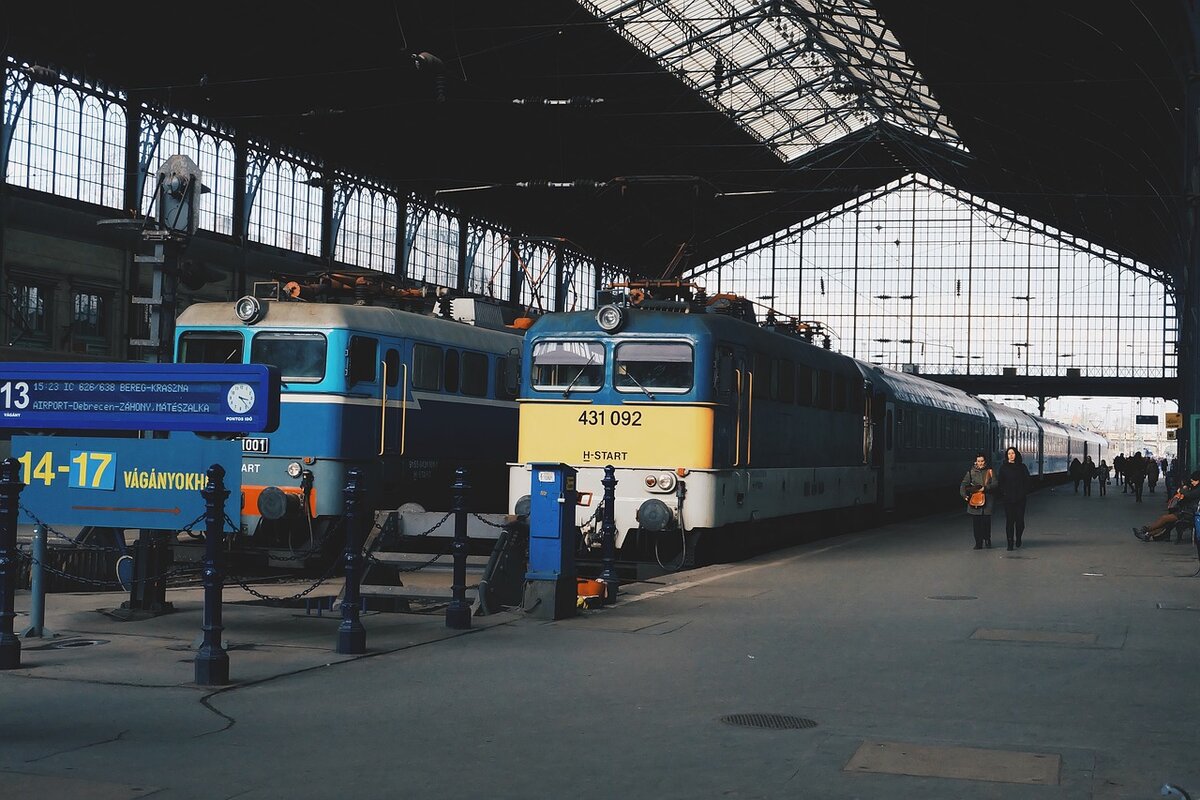
Even closing some railway lines due to the lack of railway vehicles couldn’t fix the issues MÁV had with managing their diesel vehicles. It seems that the number of diesel trains that could be put into service only continued to decrease.
According to a statement sent to Telex by the non-governmental organisation Közlekedő Tömeg, the number of MÁV diesel locomotives running on non-electrified railway lines has only continued to decrease, even after last year’s low numbers. As they report, there are certain lines where replacement buses have been in operation for weeks now.
The number of trains replaced by buses due to vehicle failure operating on branch lines increased dramatically after the appointment of János Lázár as Minister of Transport, they added. They also think that the destruction of competitive public transport is another sign that the government is neglecting rural Hungary.
As Index reports, since January 2021, the number of vehicles replaced by buses due to the fact that multiple units were unable to operate, skyrocketed in June 2023 marking the lowest point in a long time, as 15 times as many trains were missing (856) than the year earlier (56).
The number of trains missing and requiring replacement at the last minute only fell to the 2022 level by the end of last year, below 100 per month, but approximately 3,000 trains per month are currently missing due to railway closures, or they are also replaced by buses.


