Subscribe to our social channels to get the latest news about Hungary!


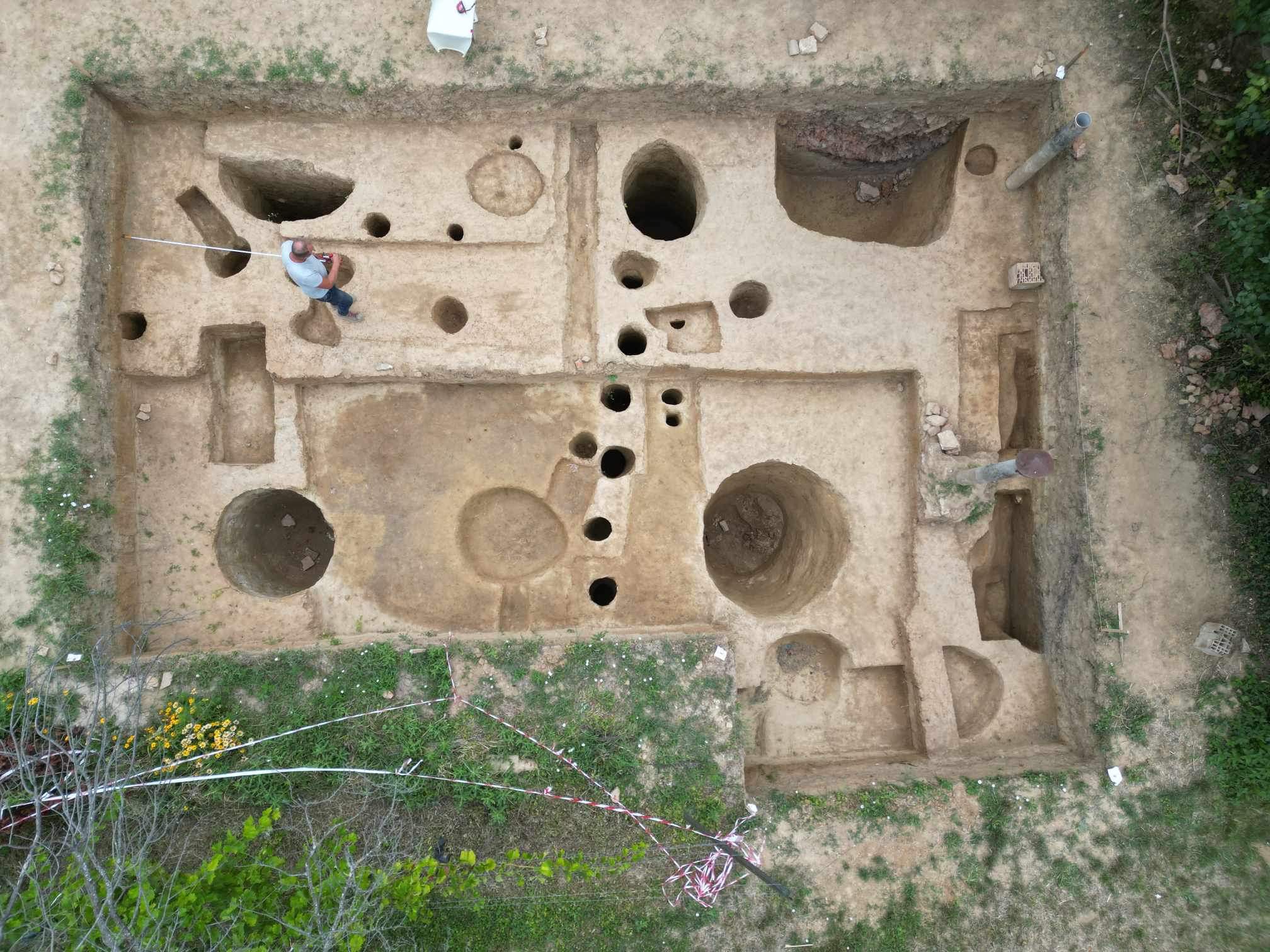
The Turkish government is planning to build a museum near Szigetvár, Hungary, at the site of Sultan Suleiman the Great’s tomb. Sultan Suleiman died during the siege of the city, and part of his remains were buried there. Hungarian archaeologists are currently excavating the remains of the tomb chapel, which was destroyed in the late 17th century, along with the city that developed around it.
The discovery of Suleiman I’s mausoleum (türbe) in 2015 was a global sensation. Since then, excavations around Szigetvár have continued, revealing valuable artefacts. According to Index, archaeologists have reconstructed aspects of the former Turkish settlement of Turbek from jewellery and plant remains. However, Norbert Pap, the head of the research team, noted that “there is still much work to be done to create an archaeological park here.”
By autumn 2015, the türbe had been uncovered and excavated. By 2019, archaeologists Erika Hancz and Máté Varga, along with students from the University of Szeged and occasional contributions from Turkish archaeologists, had also excavated parts of the surrounding buildings and fortifications. Records indicate that the area was used for cultivating various crops, including fruit, vegetables, and grains. Detailed documentation of daily life and the death of Sultan Suleiman has also been discovered.
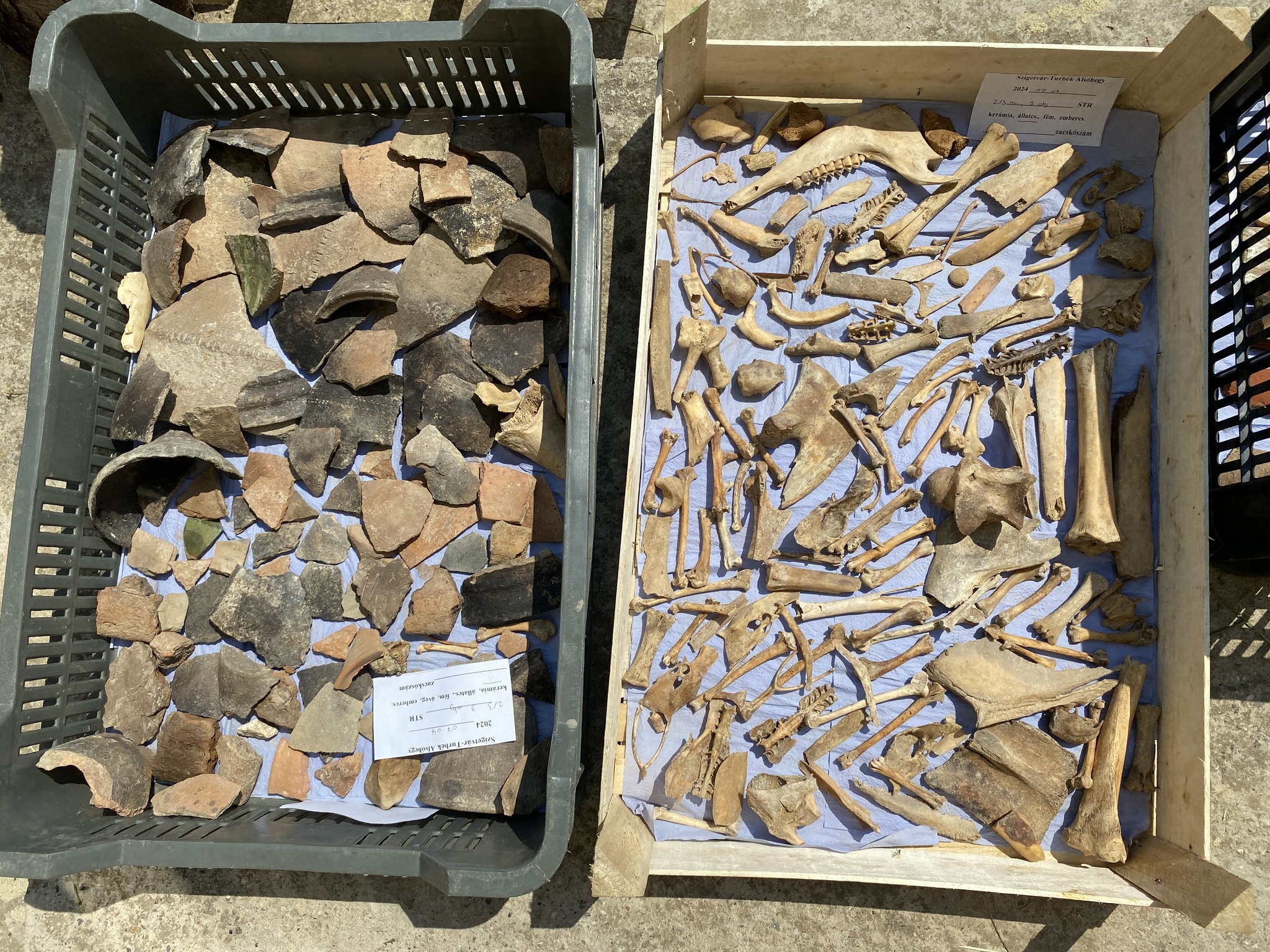
Norbert Pap highlighted that, thanks to Professor Pál Sümegi’s archaeobotanical team, a comprehensive picture of the crops grown in Turbek has emerged. The research revealed that, in addition to cereals, the gardens produced beans, peas, celery, and aniseed. Identified flowers include carnations, roses, and lilies, while the orchards yielded cherries, plums, walnuts, and hazelnuts.


To a Hungarian this is as exciting as an Israeli seeing a bust of Hitler erected in Jerusalem.