Subscribe to our social channels to get the latest news about Hungary!


Hungary is widely recognised as a beautiful country with rich landmarks and a profound history, but not everyone is aware of which specific sites have earned a place on the UNESCO World Heritage list. These eight sites offer an in-depth look at the country’s cultural and natural heritage. Each tells a unique story of human achievement and natural beauty, from historic urban landscapes to ancient vineyards. Thanks to legal protections and careful management, these sites will continue to inspire and educate for generations to come. Here are Hungary’s eight UNESCO World Heritage Sites.
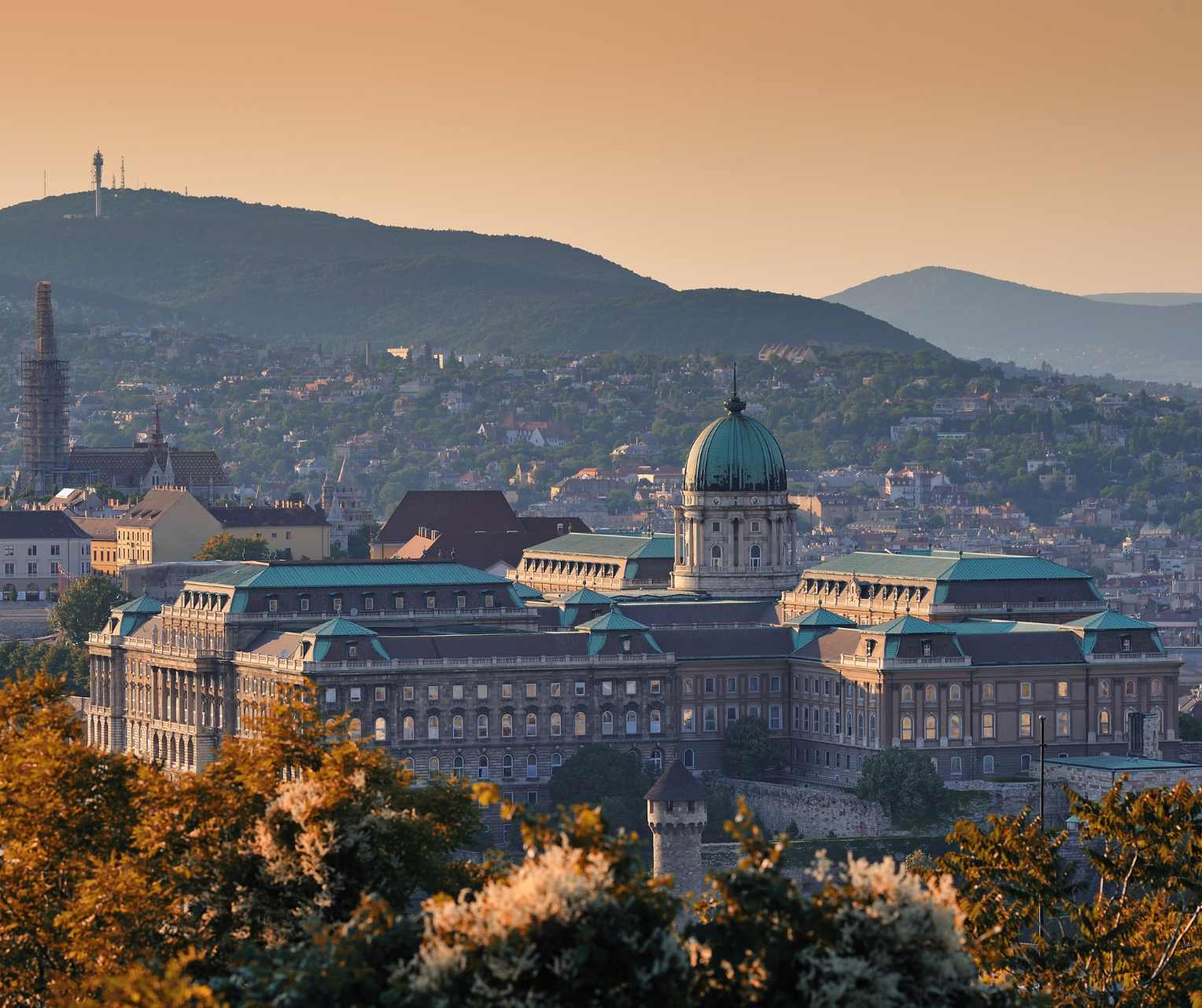
Budapest, the capital of Hungary, has been an important city since the Palaeolithic era. Located along the River Danube, this Hungarian World Heritage site has witnessed numerous historical events, including the Roman city of Aquincum, the Hungarian Monarchy, the Turkish occupation, and the construction of the neo-Gothic Parliament. The city was first inscribed on the UNESCO list in 1987 when the Banks of the Danube and Buda Castle were recognised as World Heritage Sites.
Famous landmarks include the Gothic-style Buda Castle, the Parliament building, and Andrássy Avenue, known for being home to Europe’s first underground railway and symbolising the city’s development into a modern metropolis. Despite challenges such as building decay and environmental risks, Budapest has successfully preserved its historic character through meticulous planning and conservation efforts, allowing it to maintain its rich cultural heritage while embracing modern growth.
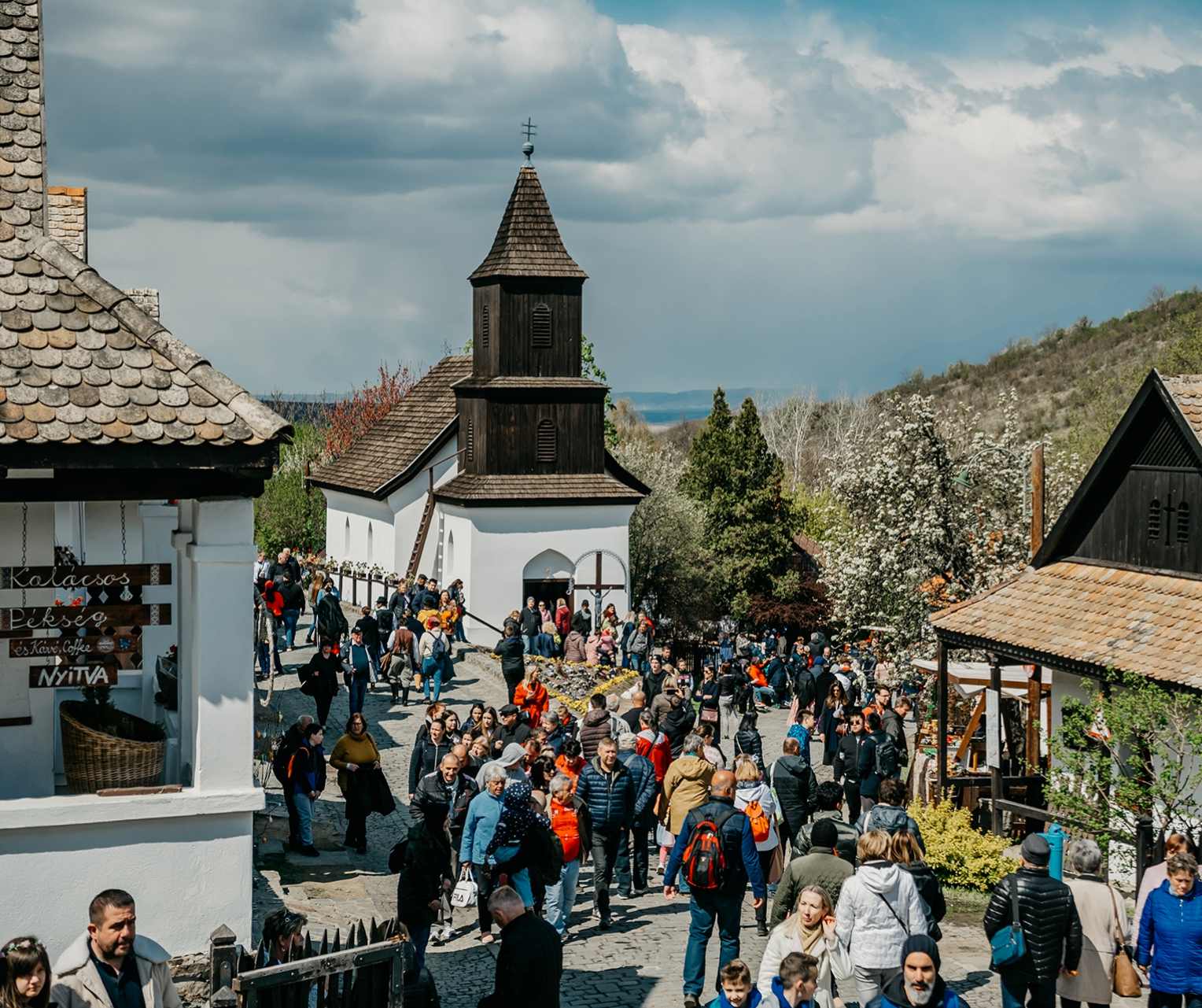
Hollókő is a small village in northern Hungary, about 100 km north-east of Budapest, which offers a glimpse into rural life as it was before the 20th century. The village features 55 traditional residential and farm buildings, along with a church, all harmoniously integrated with the surrounding farmland and woodlands. Hollókő is renowned for its traditional thatched-roof houses, which have largely remained untouched since the 17th century.
Although parts of Hollókő were reconstructed after fires in the early 1900s, the village has retained its traditional layout and agricultural practices. It remains a living community, carefully balancing tourism with preservation to maintain its cultural charm.
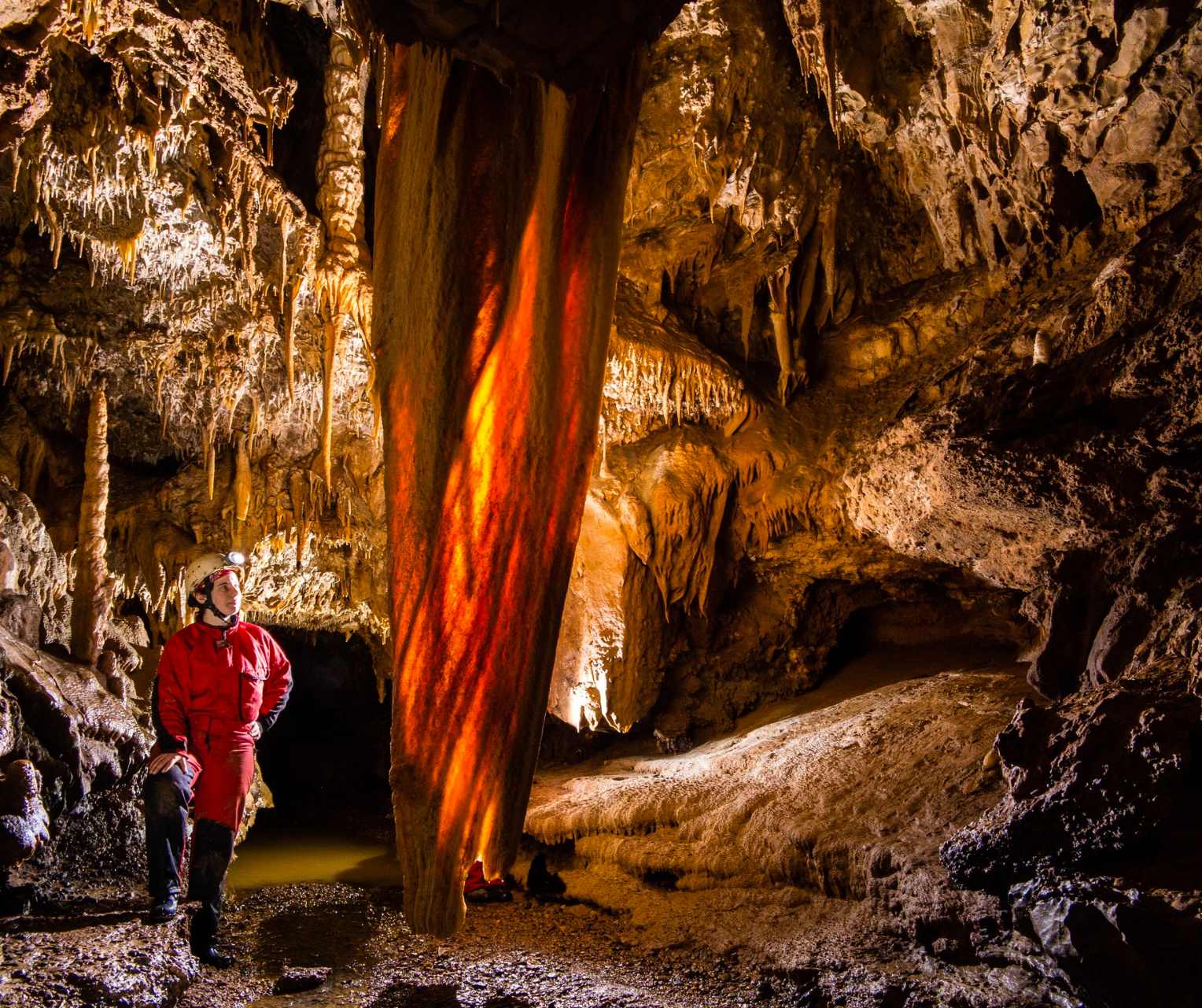
Situated on the border between Hungary and Slovakia, this Hungarian World Heritage site comprises over 1,000 caves formed by natural processes. Notable formations include the Baradla-Domica system and the Dobšiná Ice Cave, which are significant for their unique geological formations and ecosystems.
The Aggtelek caves offer a window into the Earth’s past, featuring elements from both tropical and ice ages. Protected by national laws, efforts are concentrated on minimising environmental damage and managing tourism to preserve this exceptional cave system.
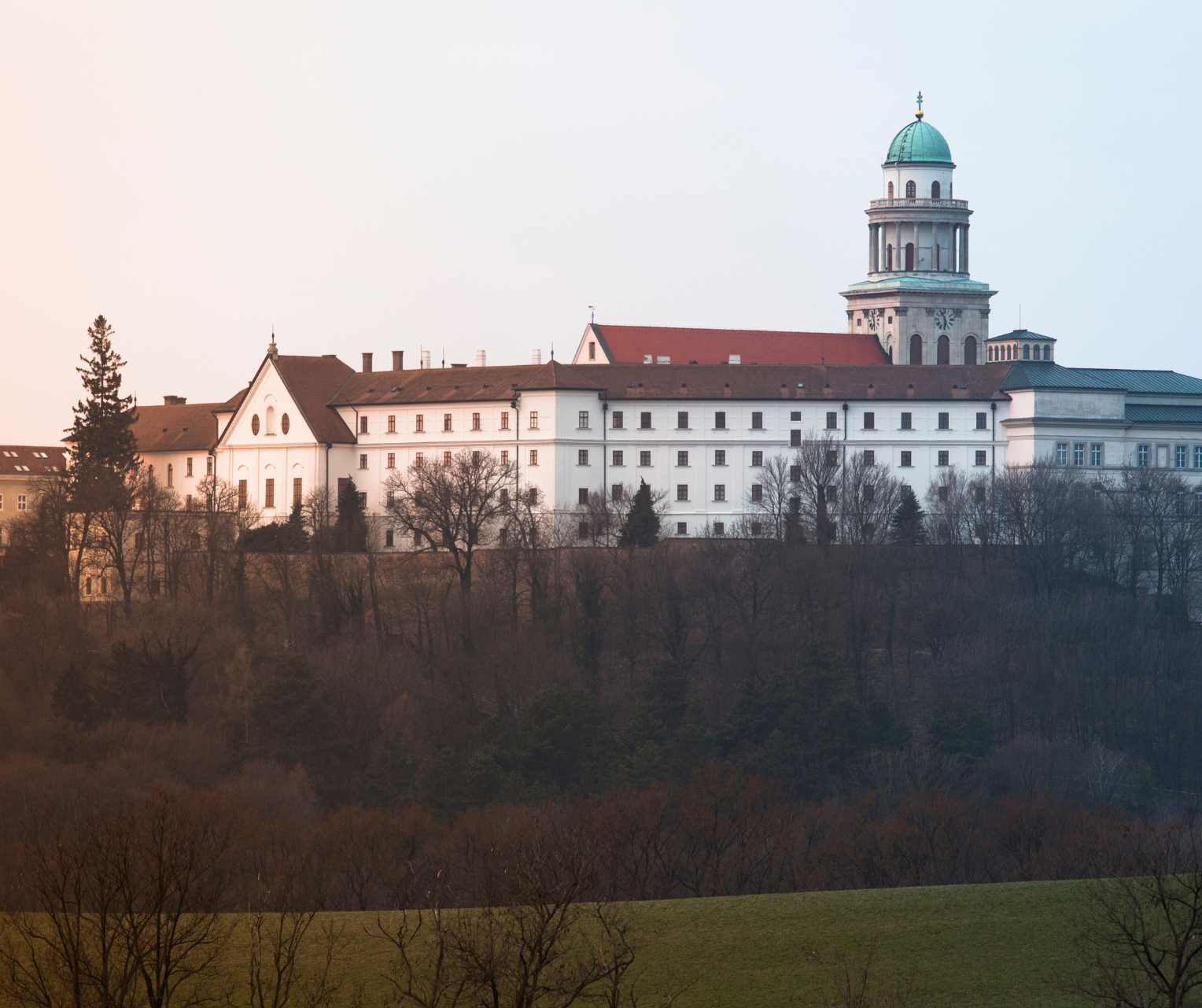
Founded in 996, the Benedictine Abbey of Pannonhalma played a crucial role in spreading Christianity throughout Central Europe. The site includes remarkable buildings such as a Gothic cloister, an 18th-century refectory, and the Basilica, all surrounded by forests and botanical gardens.
The abbey remains a functioning monastery, home to monks who adhere to the Rule of St Benedict. Despite modern updates, it has preserved its historic appearance and continues to serve as a religious and cultural centre. A carefully devised plan ensures a balance between public access and the preservation of monastic life.
Read more: Top 5 Hungarian towns to visit this autumn
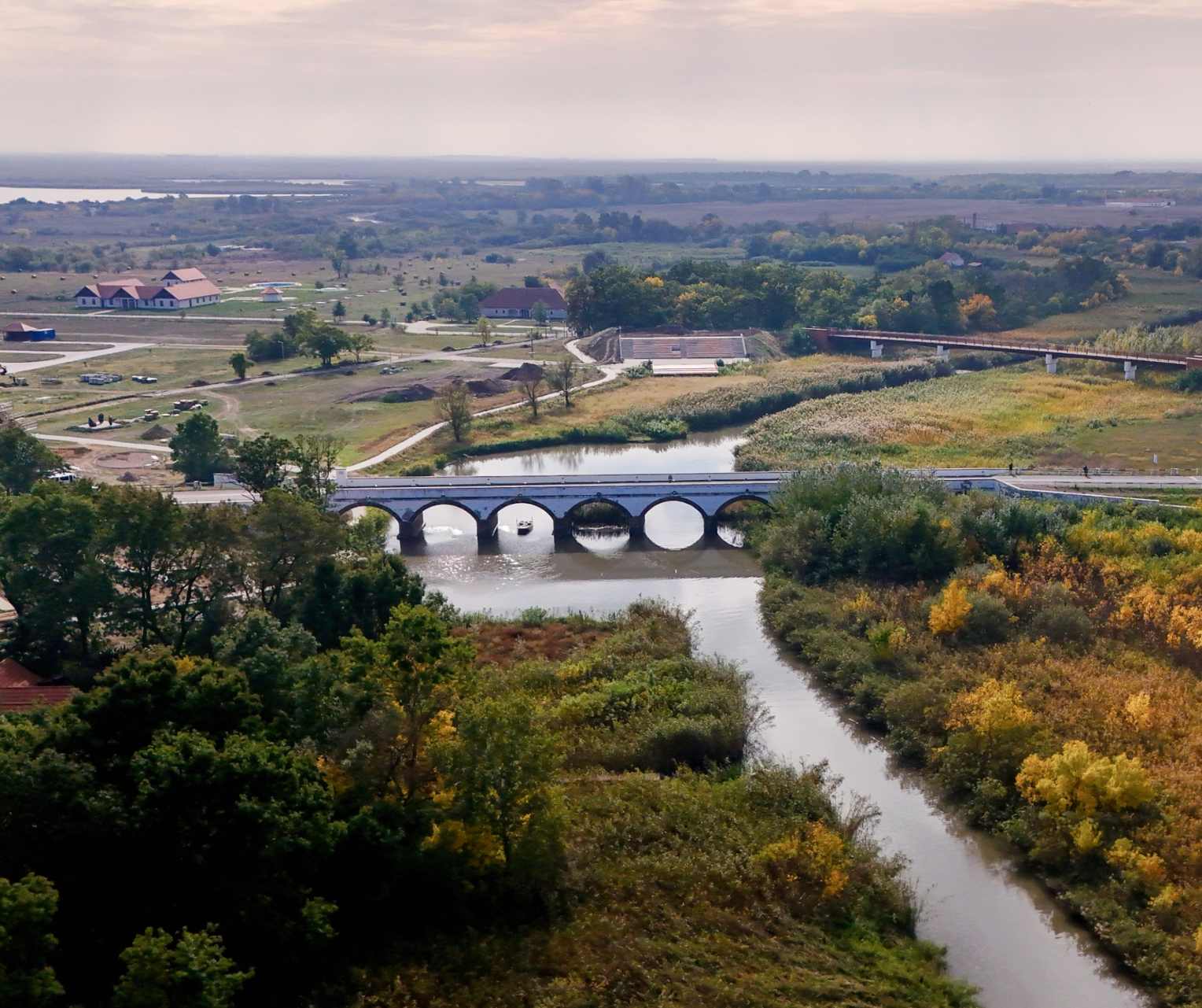
Hortobágy National Park, or the Puszta, is an expansive grassland region in Hungary’s Great Plain, where traditional pastoralism has been practised for over 2,000 years. The landscape, shaped by grazing animals, exemplifies the harmonious coexistence of humans and nature.
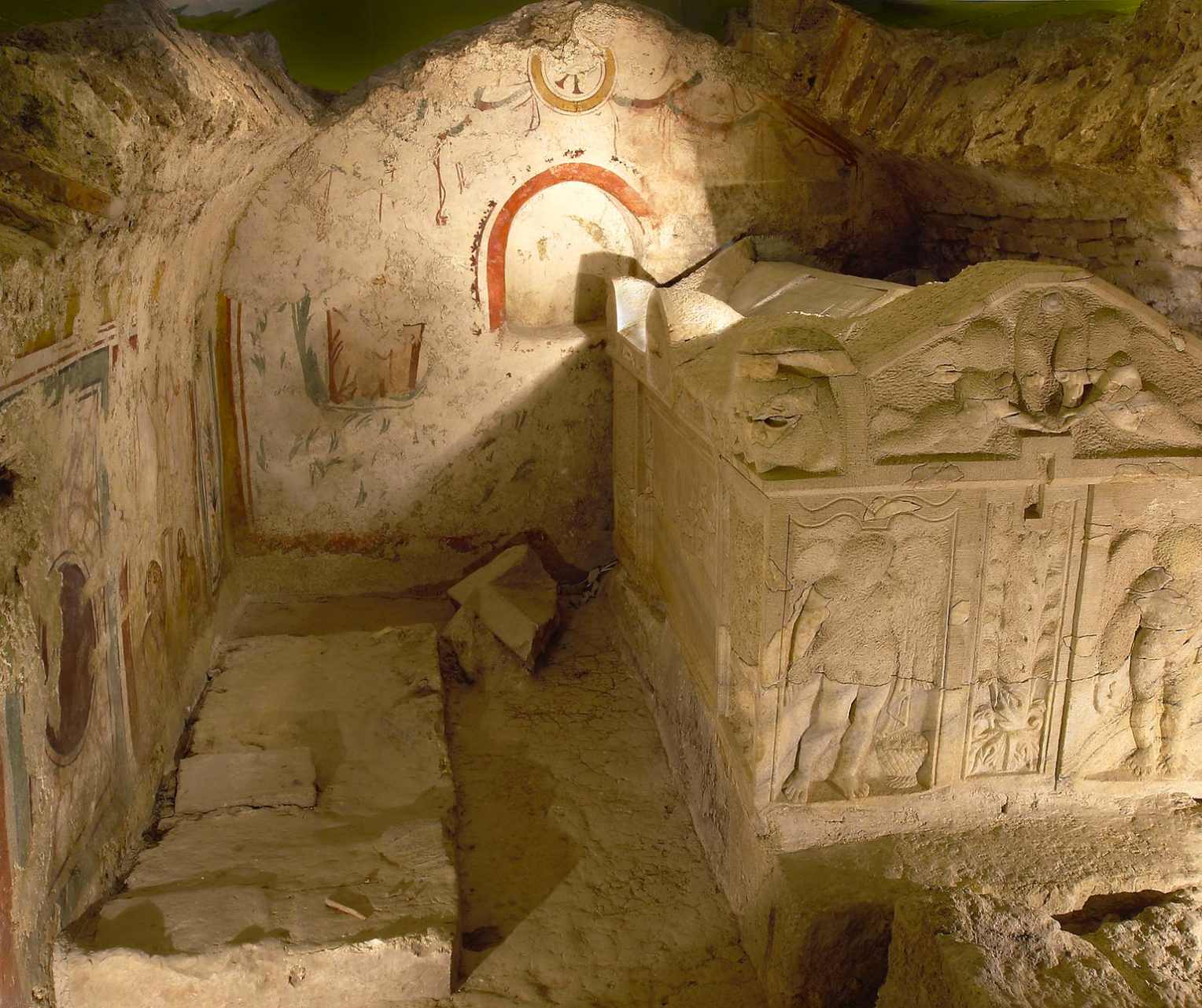
Dating back to the 4th century, the Early Christian Necropolis in Pécs comprises a collection of intricately decorated tombs and chapels that reflect early Christian beliefs. This site is particularly significant for its combination of burial chambers and memorial chapels adorned with Christian art.
Ongoing research and careful restoration efforts have preserved 16 monuments, with the potential to uncover even more insights into this ancient Hungarian World Heritage site.
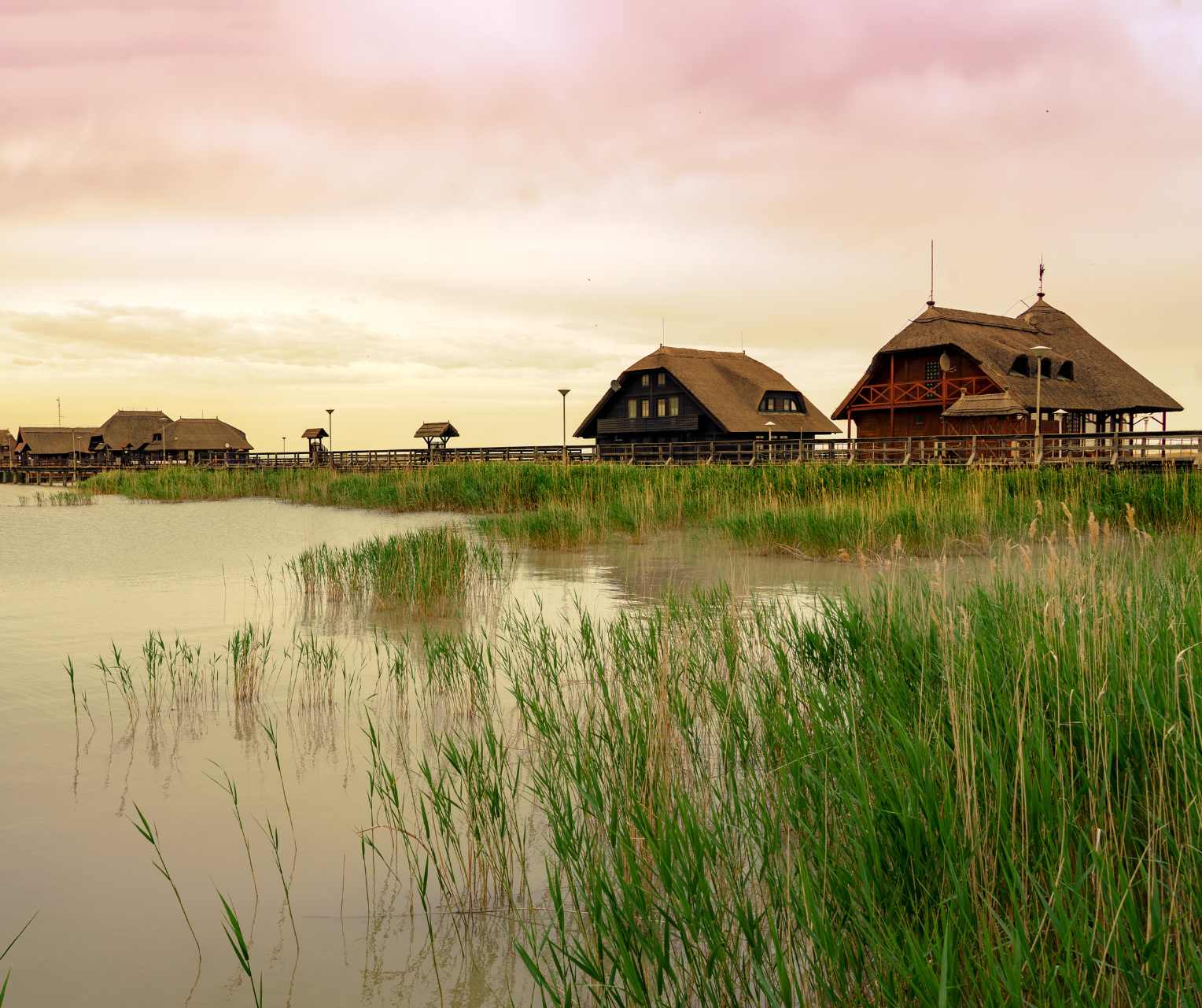
The Fertő/Neusiedlersee Cultural Landscape, located along the Austria-Hungary border, is a unique Hungarian World Heritage site shaped by human activity for over 8,000 years. This region, characterised by lakes, reed beds, and farmlands, has a long history of viticulture and livestock farming.
Dotted with Roman villas, medieval market towns, and 18th-century palaces, the landscape is protected through sustainable tourism and management practices that aim to conserve its natural and cultural features while regulating development.
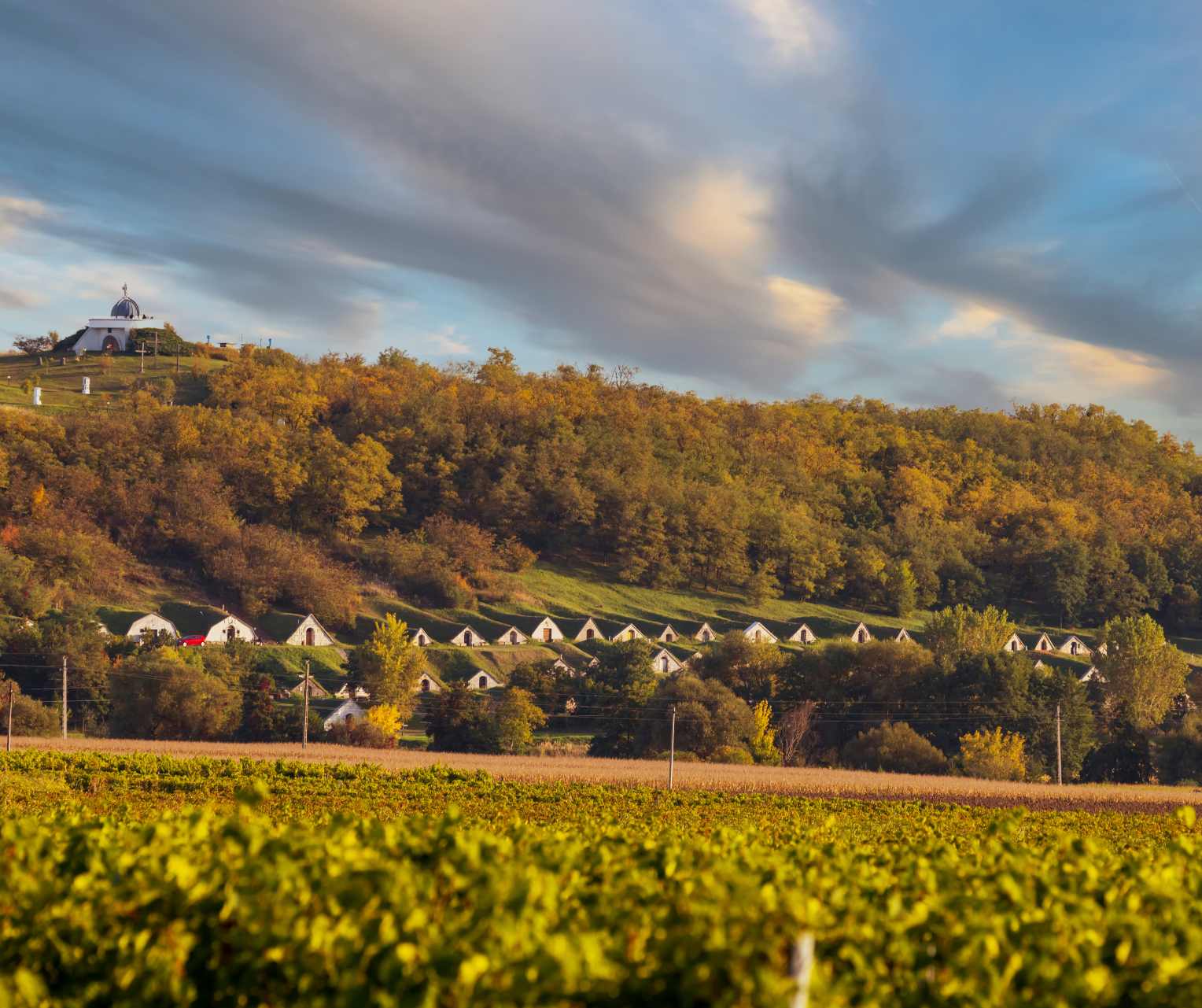
The Tokaj Wine Region is globally renowned for its wine, particularly the sweet Tokaji Aszú. Nestled in the Zemplén Mountains, this Hungarian World Heritage site benefits from volcanic soil and wetlands, ideal conditions for grape cultivation.
Wine production in the region dates back to at least the 12th century, and its vineyards, villages, and historic wine cellars have largely remained unchanged. Legal protections and management plans are in place to safeguard the region’s heritage while addressing contemporary challenges such as climate change.
Read more: Hungary’s stunning lakes beyond Lake Balaton – PHOTOS
Author: Réka Rancsó


~*Simply💖Fabulous💖Thank You💖 for this*~