Subscribe to our social channels to get the latest news about Hungary!


The famous thermal baths in Budapest hold fascinating stories beyond their soothing waters. From Turkish-era relics to Art Nouveau elegance, each historic bath offers a glimpse into the city’s rich and varied past. Discover some of the lesser-known facts that make the baths in Budapest true cultural landmarks.
Termálfürdő writes that the Császár Bath, one of the oldest thermal baths in Budapest, boasts a fascinating history dating back to the Turkish occupation when it was famed for its powerful hot springs that fuelled a mill year-round. Rebuilt in the elegant neoclassical style by architect József Hild, it became a leading spa in 19th-century Pest and Buda, offering visitors a lively social experience with music in its courtyard. The setting by the Danube, surrounded by vineyards and lush greenery, made it an enchanting destination. In 1853, Császár introduced Hungary’s first modern steam baths, followed by separate swimming pools for men and women, setting new standards for thermal baths in Budapest.
The Lukács Baths in Budapest, once a modest facility frequented by the city’s working class, later evolved into a popular meeting spot for artists and intellectuals. Established in 1884 under private ownership, the baths continued to innovate, launching Budapest’s first complex spa care unit—a day hospital—in 1979.
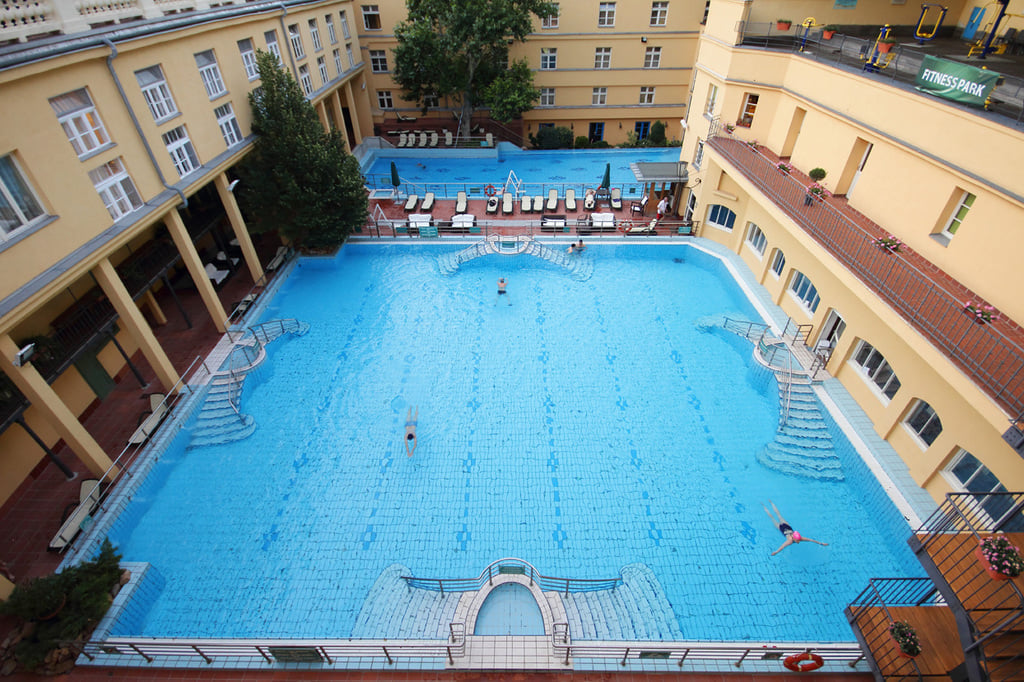
The historic Rudas Thermal Bath in Budapest, fed by springs at the foot of Gellért Hill, has long been popular due to its central location along the Danube. Known as the “Green Column Baths” during Turkish rule, they feature green stones marking this legacy within their walls. Once a modest spot in the 19th century, the baths welcomed a diverse clientele, benefiting from nearby harbour traffic. Despite flooding in 1838, they remained structurally sound, later adding a steam bath in 1881 and a swimming pool in 1898. In the 20th century, following WWII damage, the Rudas Baths were expanded with new facilities, further cementing their role in the vibrant landscape of baths in Budapest.
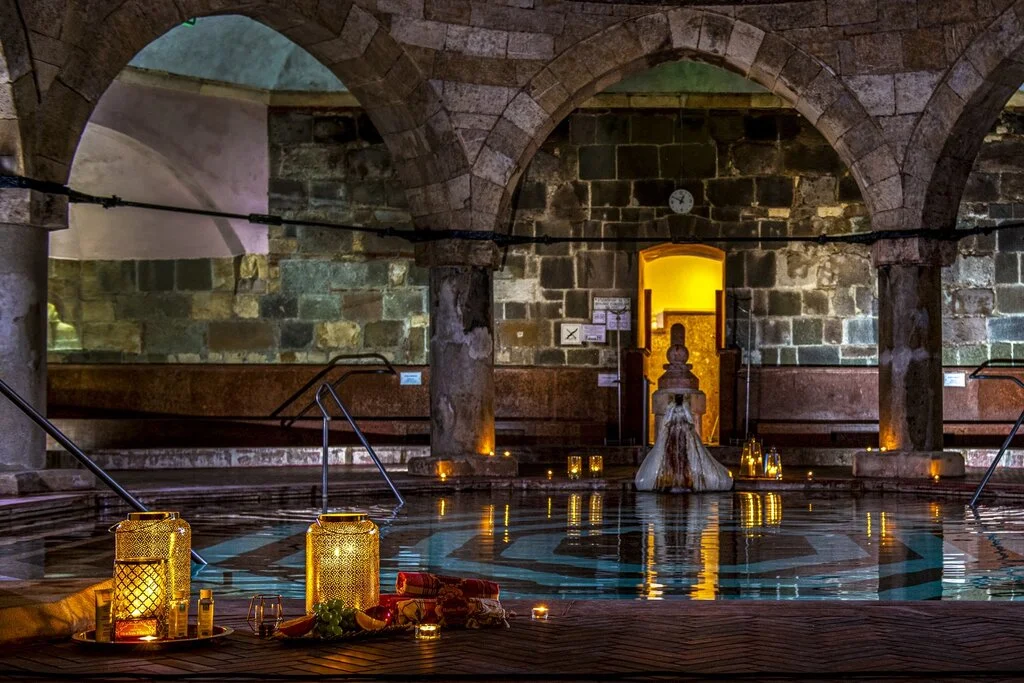
The Gellért and Széchenyi Baths in Budapest each boast unique legacies in spa history. Originally a haven for the working class, Gellért Spa emerged as Europe’s most modern bath in the 19th century, later transforming into the iconic Art Nouveau complex loved worldwide. Opened in 1918, it attracted notable visitors like Richard Nixon and Yehudi Menuhin and even hosted Queen Juliana of the Netherlands on her honeymoon. Széchenyi Spa, opened in 1913, quickly became one of the world’s largest spa complexes, drawing nearly a million guests by 1919. Expanded in the 1920s with outdoor pools, it has welcomed celebrities like Madonna.
The historic Király Thermal Bath, one of the oldest baths in Budapest, was built by the Turks between 1565 and the late 16th century to ensure a bathing facility within the Buda Castle walls during sieges. Interestingly, a Turkish poet who admired Buda once resided in the bath’s annexe, writing verses that reflect the Turks’ fondness for these baths. Despite its rich history, the Király Thermal Bath suffered severe damage during the siege of Budapest. It remains in need of restoration, preserving a lesser-known chapter in the story of baths in Budapest.
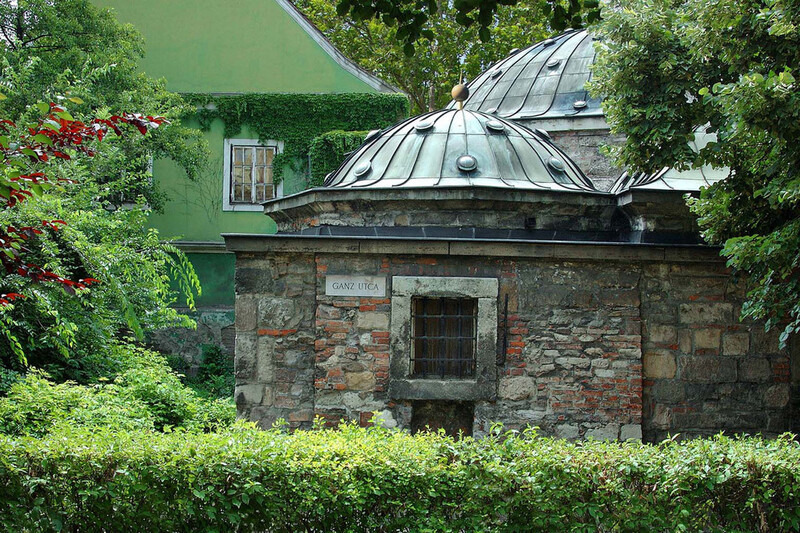
Opened in 1930, the Dandár Thermal Bath in Budapest offered affordable and hygienic bathing facilities, becoming the most budget-friendly option for both therapeutic patients and casual bathers. It catered to a wide audience with services like a barber for men, a hairdresser and manicurist for women, and even dedicated children’s baths with lockers. Though relatively undamaged in WWII, the baths underwent a major renovation and reopened as a spa in 1978.
Source: László Kósa -Fürdőélet a Monarchiában
Read also:


