Subscribe to our social channels to get the latest news about Hungary!


Analysts do not expect the euro exchange rate to return to levels below 400 forints in the longer term, and trends suggest that it could reach a level of around 415-420 forints by the end of 2025.
According to Economx, the weak forint has a significant impact on consumer confidence, which is exacerbated by high inflation and expensive food prices. Although inflation is expected to moderate to 3.8% in 2024, households will continue to face declining purchasing power. This trend reflects the steady weakening of the forint in recent years, mainly due to high inflation, low consumer confidence and external economic and political uncertainties. The weak forint is also leading to further increases in the prices of imported goods, putting sustained pressure on household spending.
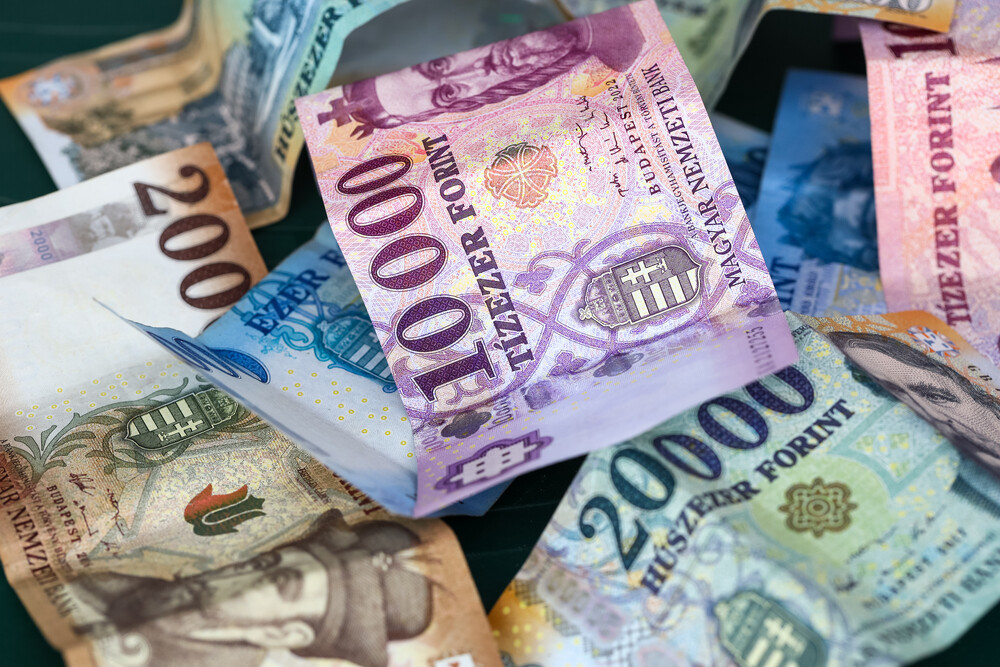
Inflation, which exceeded 20% in 2023, may fall to 3.8% in 2024, but price levels will remain persistently high. The weakening of the forint will further increase the cost of imported goods, including energy and food, which could generate further inflationary pressures. This will slow the recovery of purchasing power and undermine the stability of the forint.
The fall in the yields of Premium Hungarian Government Securities may also have an indirect impact on the forint. Retail investors may shift their money into other assets, such as government bonds issued in foreign currencies or foreign investments. This could reduce demand for the forint, causing further weakening. The central government debt management agency may try to introduce more attractive interest rate conditions, but higher yields on government bonds in the market could still provide strong competition.
The undervaluation of the Hungarian equity market offers investors new opportunities, but the shift here does not necessarily strengthen the forint. Indeed, the increase in demand for equities is mainly driven by domestic investment, while inflows of foreign capital remain uncertain. The position of OTP, Mol and Richter shares, especially given their exposure to the Russian market, remains vulnerable to international economic influences.
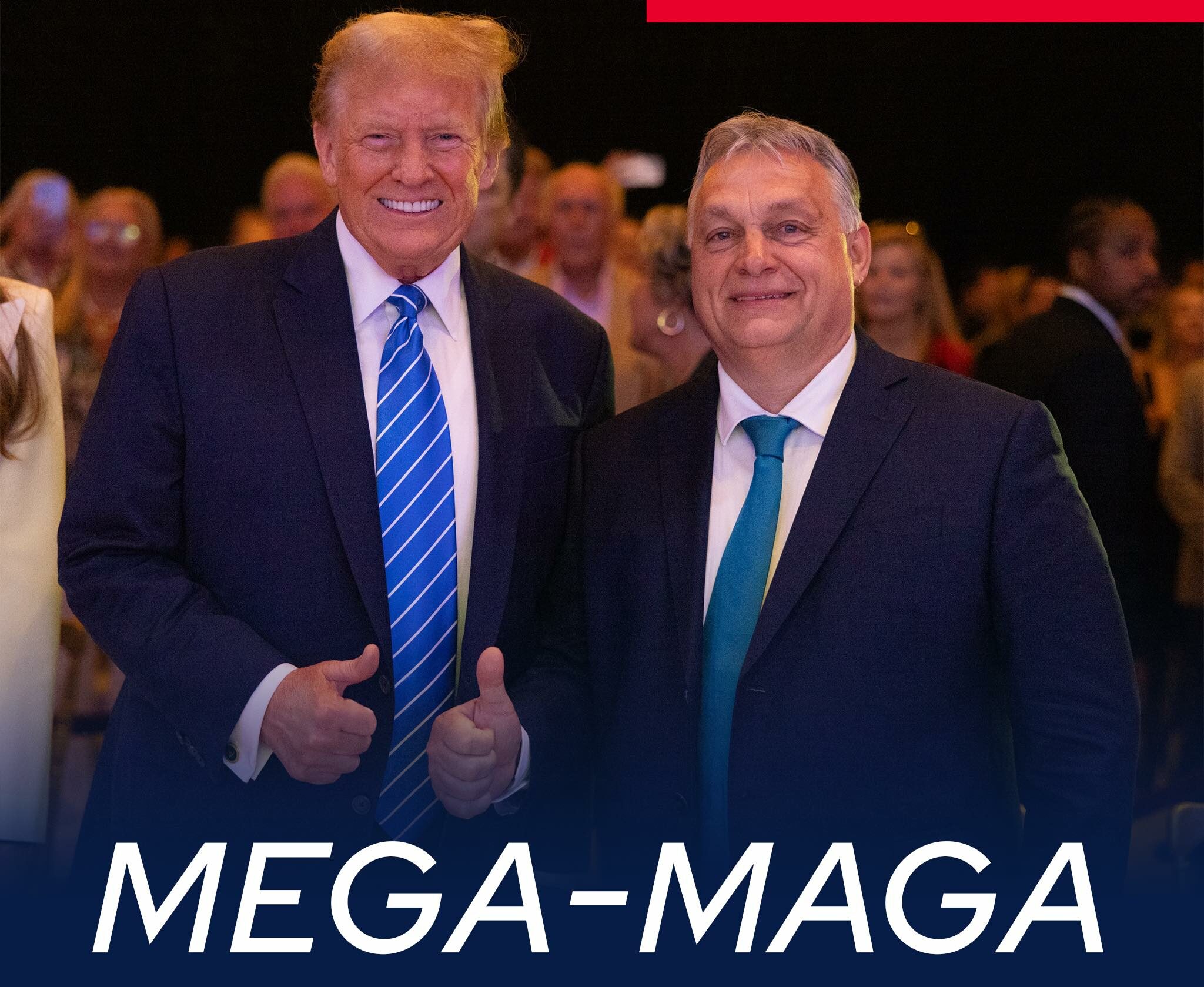
Global economic trends, such as the policies of Donald Trump’s second presidential term, may indirectly influence the forint exchange rate. The US-China tariff war and protectionist US economic policies could put pressure on emerging markets, including Hungary. Problems in the European automotive industry could also affect Hungarian export performance, which could further reduce the stability of the Hungarian forint.
The outlook for the Hungarian forint is weakening in the years ahead, mainly influenced by domestic economic problems, challenges in the international environment and household investment decisions. Persistent exchange rate depreciation and inflationary pressures will further complicate the achievement of economic stability, while global trends and policy decisions will pose new risks. Coordinated action between fiscal and economic policies and the mitigation of external and internal risks would be key to improving the position of the Hungarian forint.
Read also:
Featured image: depositphotos.com


