Subscribe to our social channels to get the latest news about Hungary!


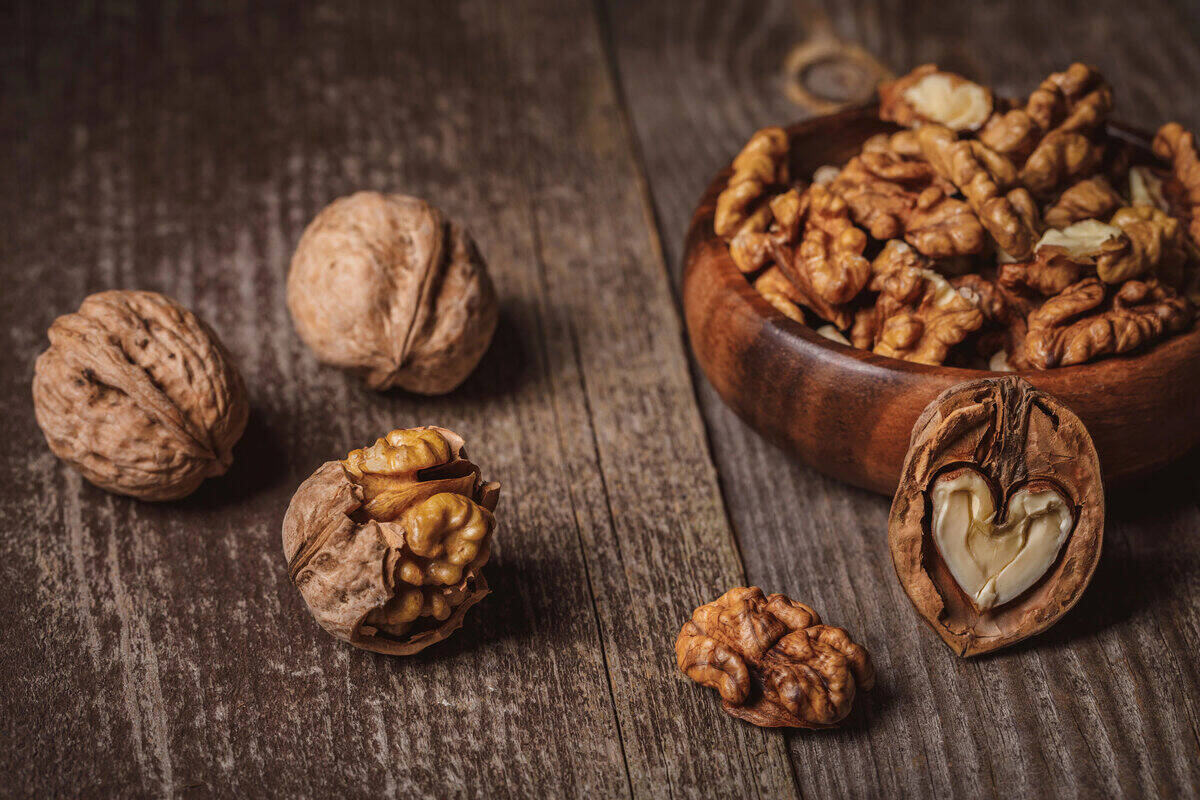
A Hungarian Christmas wouldn’t be complete without walnuts—a festive favourite steeped in tradition and lore. From pretty ornaments gracing Christmas trees to fortune-telling rituals rooted in Hungarian folklore, walnuts bring a sprinkle of magic and meaning to the holiday season. Beyond its symbolic ties to St Augustine and the nativity story, the walnut doubles as a culinary star and a staple of good health.
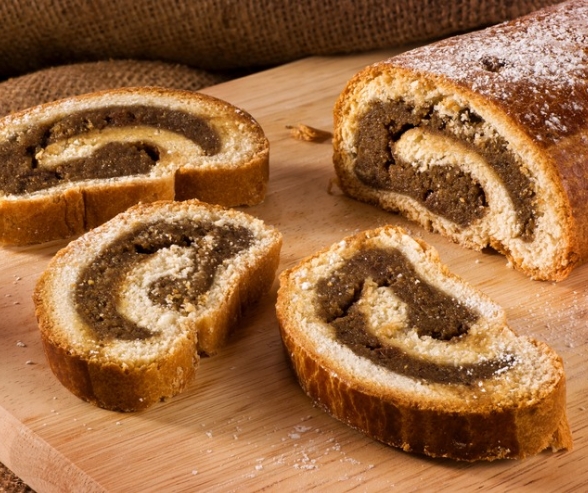
As 24.hu writes, nuts, particularly walnuts, hold a cherished place in year-end holiday traditions. Many families adorn their Christmas trees with walnut decorations, ranging from gold-sprayed and ribboned ornaments to intricate creations like a baby Jesus figurine nestled in a walnut shell. St Augustine linked the walnut to Christ, symbolising the Saviour’s life from the womb to the tomb, which may explain its Christian associations. Beyond decoration, walnuts are a festive staple, featured in celebratory dishes across households during the season. We could not imagine a Hungarian Christmas without bejgli with walnut-filling… In addition, walnuts hold a unique place in Hungarian folklore as well.
In Hungarian folklore, walnuts transcend their culinary and decorative roles, believed to possess magical properties and serve as tools for divination. Without religious connotations, walnuts were used to predict health, wealth, and fate for the coming year. Family members would crack open their designated nuts, interpreting their condition (rotten or good) as omens. Moreover, the weather for the following year was foretold using walnut shells; water poured into 12 half-shells represented each month, with evaporation levels predicting rainfall.
Beyond Hungarian folklore, walnuts have long been celebrated for their health benefits. Ancient Greeks used walnuts to treat wounds and parasites, while mediaeval remedies employed them for rheumatic and nervous system ailments. Hungarian folk medicine praised walnuts for cleansing the blood and addressing intestinal and gastric issues. Today, their high nutritional value makes them a staple for vegetarians, offering a calorie content comparable to beef. Modern research highlights their role in reducing heart disease risk, with walnut oil providing vasoprotective properties, lowering cholesterol, preventing atherosclerosis, and delivering antioxidant effects, cementing walnuts as a nutritional powerhouse.
Read also:
Featured image: depositphotos.com


