Key changes in Hungary from January 2025 – What you need to know

Change language:
As the new year begins, Hungarians are bracing for a mix of financial challenges and opportunities that will shape their daily lives in 2025. While rising costs in various sectors are expected, significant wage increases, pension adjustments, and enhanced family support programs aim to offset the financial burden for many households. Here is a detailed look at the key changes taking effect on 1 January 2025.
Rising costs across sectors
Fuel prices are set to increase due to higher excise taxes. Petrol will see a rise of HUF 10 per litre, while diesel will climb by HUF 11 per litre. Although the increments are modest, they could add up for frequent drivers and logistics companies, potentially impacting the broader economy, Világgazdaság reports.
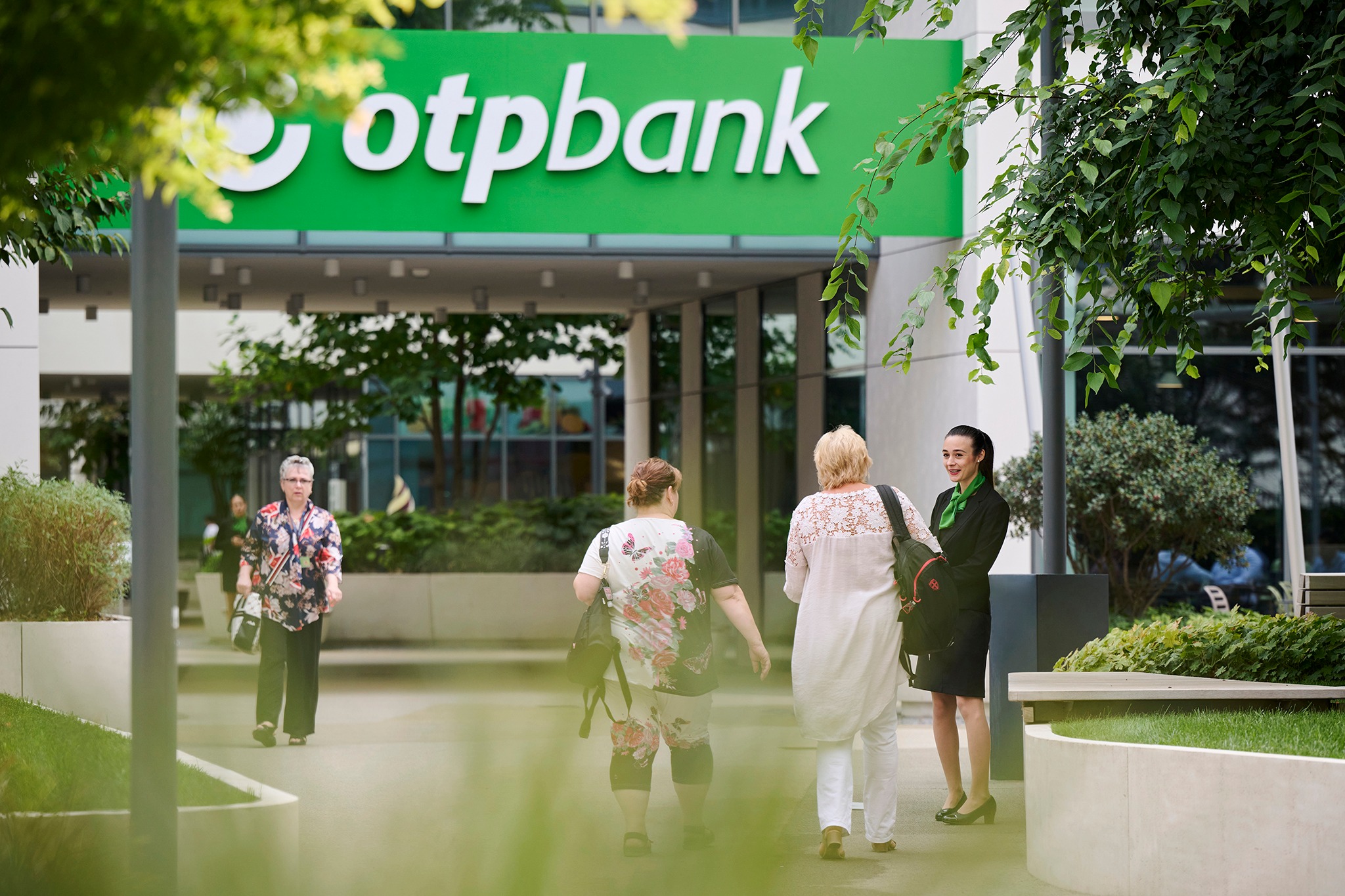
The banking sector is also introducing higher costs for its services. Following the end of a temporary freeze on transaction taxes in 2024, fees for transfers and direct debits will rise. Major financial institutions like OTP Bank and MBH Bank have already announced adjustments to their pricing structures. These changes are expected to affect households and businesses alike, with increased banking fees adding to monthly expenses.
Highway tolls will also become more expensive, with a 3.4% increase coming into effect. The prices for weekly, annual, and county-specific passes are all set to rise, impacting commuters and frequent travellers. For example, national yearly vignettes for cars will now cost HUF 49,190 (EUR 120), while a weekly pass will be priced at HUF 6,450 (EUR 16).
Smokers will face further financial strain as excise taxes on tobacco products are scheduled to climb by 9.5%. This continues a broader trend of rising cigarette prices aimed at reducing tobacco consumption and aligning with EU regulations.
Wage increases bring relief
Amidst rising costs, many workers can look forward to higher wages. The minimum wage will increase by 9%, reaching a gross HUF 290,800 (EUR 707), while the guaranteed minimum wage for skilled workers will rise by 7% to HUF 348,800 (EUR 878). These changes are expected to benefit hundreds of thousands of employees across various sectors.