Subscribe to our social channels to get the latest news about Hungary!


The Mohács Busó Festival (Busójárás), featuring over 100 events across 24 locations—including parades of costumed ‘busós,’ masked children, and folk performances—kicks off on Thursday. The highlight days are Sunday and Tuesday, when the costumed groups parade and light a massive bonfire in Széchenyi Square.
According to organisers speaking to MTI, Hungary’s largest winter farewell and spring-welcoming folk tradition will be held from February 27 to March 4 this year. The event will feature more than 2,600 participants and 73 busó groups.
The festival starts on Thursday morning with the “Young and Old Wear Masks” programme at the local youth centre, where kindergarten and primary school children join in. At noon, a folk art and craft fair opens in the city centre. Just before 3 PM, the first carnival parade of the Busó Festival begins at Sokackör, followed by masked children—such as the ‘jankelék,’ known for their rag costumes and ash or sawdust throwing—and smaller busós taking over the city streets. Folk dance and busó groups perform in the main square, introducing traditional Busó tools and accessories. Later in the day, an art exhibition titled “Mohács Souls: Crossing the Danube” by Viktória Villányi opens at the Kanizsai Dorottya Museum, while the Glasovi band performs in the marketplace in the evening.
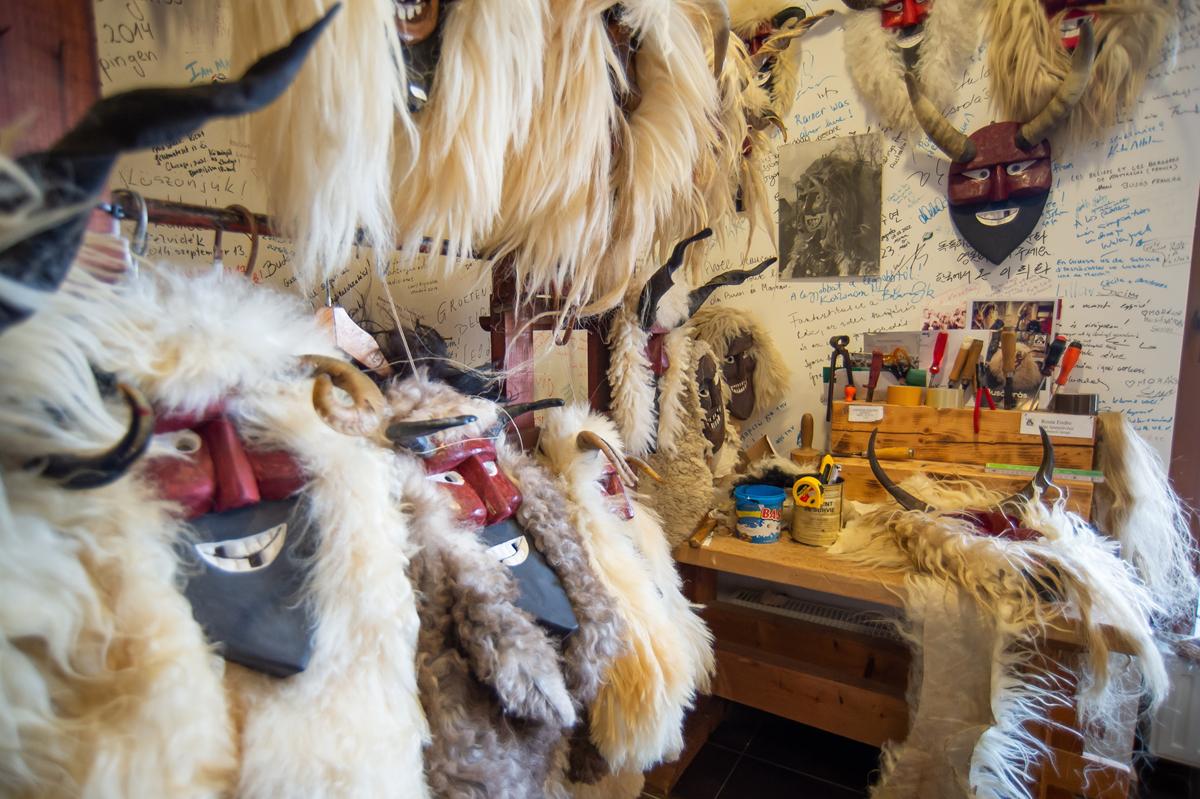
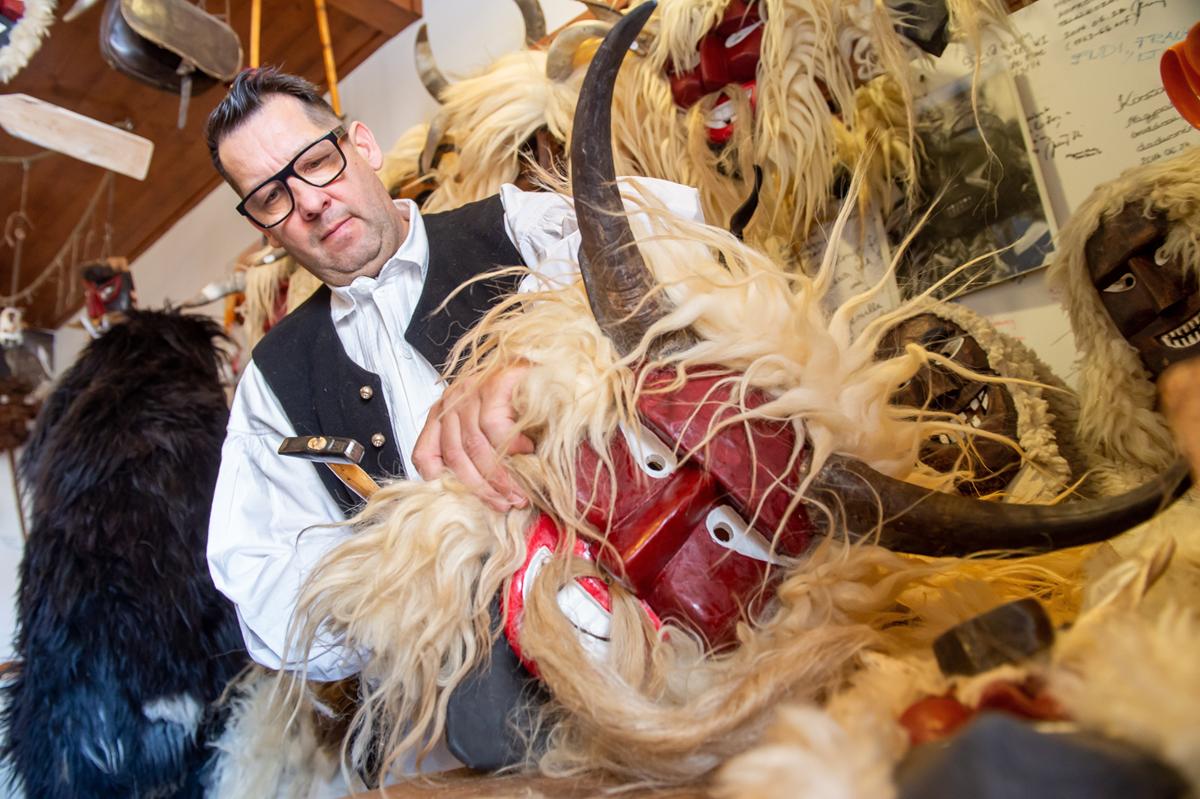
On Friday, a children’s drawing contest exhibition opens in the morning, followed by a folk singing competition and meetings with folk artists. Exhibitions of carved Busó masks and folk crafts take place at Kossuth Theatre, while folk dance groups and bands perform on Széchenyi and Deák Squares.
Saturday’s schedule includes a workshop on making traditional Sokac costumes. Throughout the day, tambura bands, dance ensembles, and busó groups perform, and open-air cooking displays entertain the crowds. Programmes for families and children include a theatrical performance at Kossuth Theatre, a lecture on the history of the Busó Festival by ethnographer Tünde Minorics, and an interactive exhibit with the Sebaj Busó group. Visitors can join mask-making experiences at the ‘MesterPont,’ sample South Slavic cuisine in the Serbian churchyard, and witness a traditional Busó wedding reenactment by the Botos Busó group. The evening concludes with a concert by the Poklade band in Deák Square.

As tradition dictates, the most spectacular events take place on Carnival Sunday. On 2 March, costumed busós cross the Danube by boat at noon, parade through downtown, launch the symbolic ‘carnival coffin’ into the water, initiate new busós, and light a massive bonfire in the city’s main square. The day begins as early as 9 AM, with visitors getting a glimpse into the “Winter Chasers” busó group’s preparations on Vörösmarty Street.
Across the Danube, attendees can familiarise themselves with the ‘Danube Crossing’ and ‘Big Bang’ busó groups. Throughout the day, there will be live mask carving, tambura bands, dance performances, and food tastings, culminating in free-spirited carnival celebrations and concerts in the evening.
Monday’s events include an interactive carnival session for children, while busós continue the tradition of house-to-house visits in Kóló Square and surrounding streets.
On Shrove Tuesday, ahead of the traditional ‘carnival funeral,’ a Busó-themed craft house opens in the Busó courtyard. In the afternoon, the grand Busó parade sets off from Kóló Square to Széchenyi Square, where open-air carnival celebrations begin. The festival concludes with the lighting of the city’s giant bonfire, burning the symbolic coffin of winter.
Organisers expect about 100,000 visitors over the six-day event, with 40,000 attendees anticipated on Saturday and Sunday alone. Large crowds are also expected on Tuesday for the festival’s grand finale along the Danube.

Due to ongoing infrastructure projects in the city, parking options will be limited. Visitors are advised to plan their trips in advance and, if possible, opt for public transport. Those arriving by car via the motorway are recommended to use the Nagynyárád exit on the M6 instead of the Mohács exit. From there, visitors can reach the city more conveniently from the south, parking on the Újmohács side and using a ferry or passenger boat to enter the heart of the festivities.
The famous carnival tradition brought to Mohács by the Sokac ethnic group is first mentioned in a 1783 record. According to legend, their ancestors, fleeing Turkish occupation, hid on Mohács Island across the Danube. Disguised in terrifying masks, they later returned to ambush the superstitious Turks, who fled the city in fear. The winter-chasing, spring-welcoming festival has remained unchanged for centuries, with adult participants donning shaggy Busó coats, linen trousers, boots, hand-carved wooden masks, and carrying signature accessories like satchels, maces, giant noisemakers, and bells.
In 2009, UNESCO recognised the Busó Festival as Hungary’s first element on its Representative List of the Intangible Cultural Heritage of Humanity.
For detailed event schedules, directions, and practical information, visit www.mohacsibusojaras.hu or follow updates on the festival’s Facebook page.
To read or share this article in Hungarian, click here: Helló Magyar


