
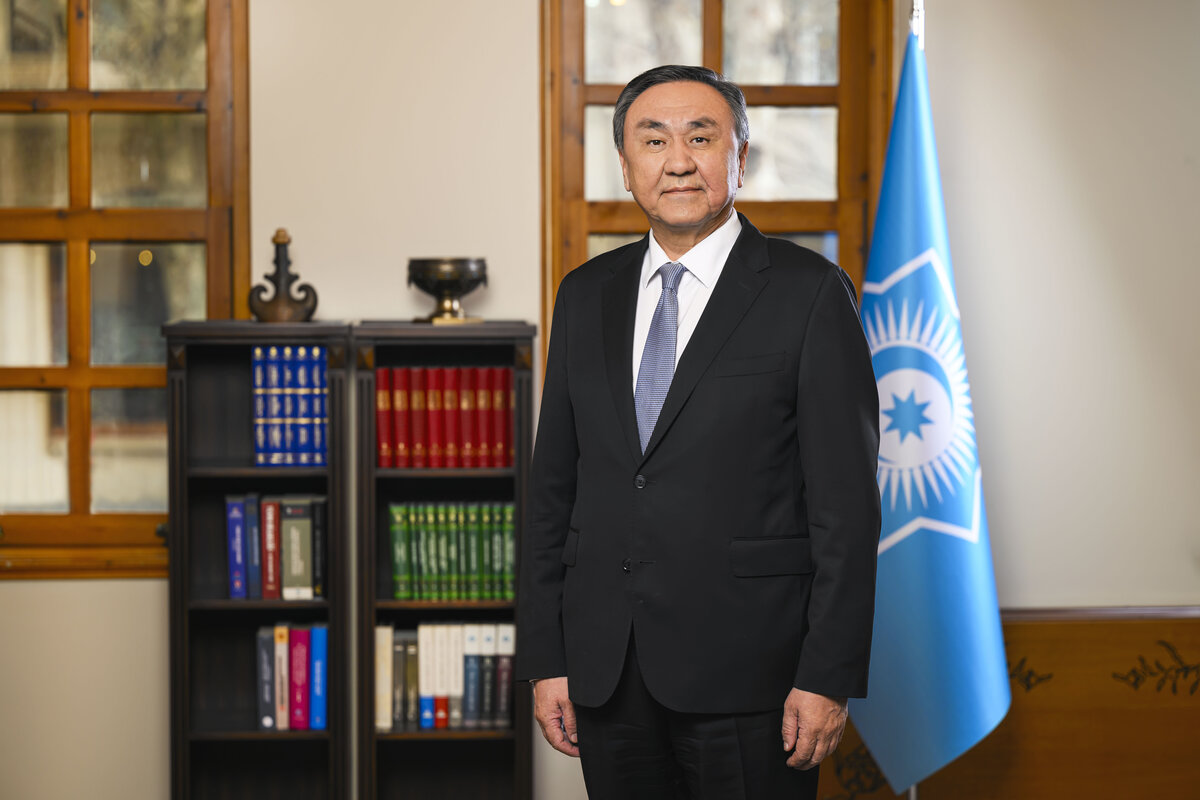
The Organization of Turkic States (OTS), headquartered in İstanbul, Türkiye, has been operating for 15 years and has gained international recognition as a fully-fledged intergovernmental entity. Within its framework, numerous projects are being implemented to strengthen cooperation among its member states.
In an interview, Mr. Omuraliev shared his assessments on the Organization’s key initiatives, achievements, future prospects, and other key issues.
Daily News Hungary: Last year marked the 15th anniversary of the Nakhchivan Agreement, the key document that laid the foundation for the Organization of Turkic States. How has the organization evolved over the years?
OTS Secretary General Kubanychbek Omuraliev: The development of the Organization of Turkic States has been a truly remarkable process, reflecting the shared aspirations and vision of its member states. While the Nakhchivan Agreement in 2009 officially marked the establishment of the Cooperation Council of Turkic Speaking States, the roots of Turkic cooperation extend much further.
In the early 1990s, the first Summits of the Leaders of the Turkic-Speaking States were held. These Summits symbolized the collective resolve of our nations to unite, foster mutual understanding, and build a framework for collaboration across diverse fields.
This sense of unity led to the landmark signing of the Nakhchivan Agreement in 2009, when the leaders of Azerbaijan, Kazakhstan, Kyrgyzstan, and Türkiye met in Nakhchivan (Azerbaijan) and agreed to establish the Cooperation Council of Turkic Speaking States. In 2021, at the Summit in Istanbul, the Turkic Council was transformed into the Organization of Turkic States, becoming a full-fledged international structure.
The organization, which initially comprised four founding countries, has expanded over the years to include a total of nine members and observers, with Hungary among them as an observer. This broader participation makes the OTS more impactful on the regional and global stage.
A key element of the OTS’s evolution is the shift in the bilateral relations between member states, now rooted in the shared identity of OTS membership. This new approach to cooperation underscores a spirit of “brotherhood” that strengthens our ties and enriches the partnership between our nations.
Today, the OTS is active in over 35 areas, spanning diverse fields such as foreign policy, trade, energy, the green economy, digitalization, space exploration, and artificial intelligence. Despite its relatively short history, the OTS has already established itself as a significant player, not only in the region but also on the global stage.
Since 2011, we have consistently held leaders’ Summits, where pivotal decisions are made on a wide range of issues, from trade and economic cooperation to education, culture, and social policy. In recent years, these formal summits have been complemented by informal gatherings, further fostering closer dialogue and strategic cooperation.
What truly sets the OTS apart is that it is not merely a platform for economic cooperation, trade, or regional integration. It is founded on a much deeper bond—one rooted in centuries of shared history, a common language, cultural heritage, and enduring traditions that unite our nations. The OTS is more than just a strategic alliance; it is a brotherhood built on trust, solidarity, and a collective vision for the future.
DNH: You mentioned the Summits of the leaders. Could you share more about the recent Summit in Bishkek and its key outcomes?
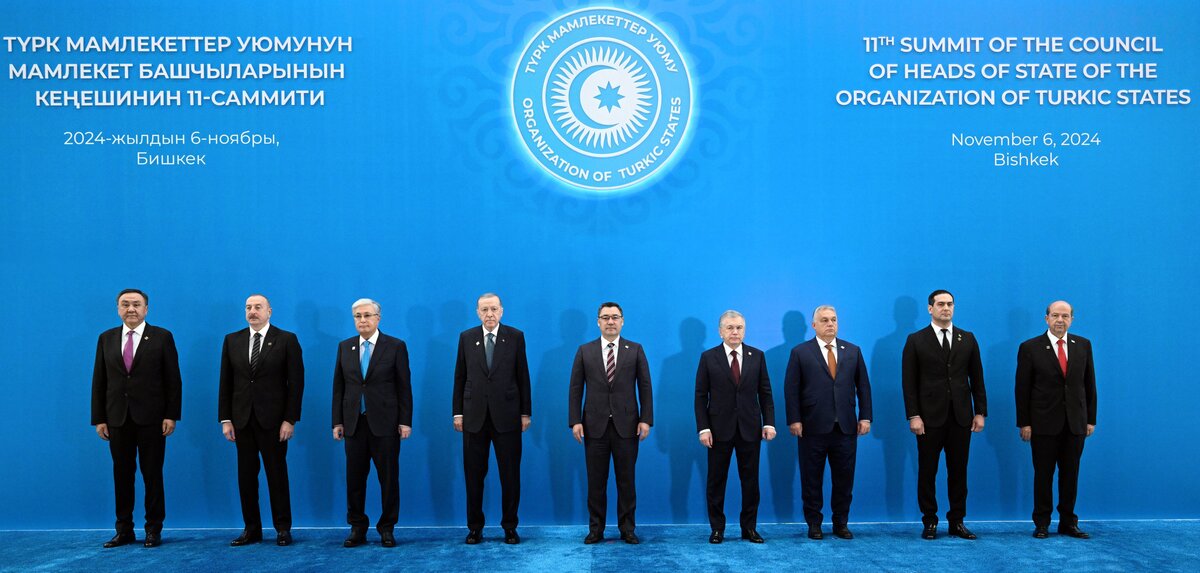
OTS Secretary General Kubanychbek Omuraliev: The 11th Bishkek Summit, themed “Empowering the Turkic World: Economic Integration, Sustainable Development, Digital Future, and Security for All,” directly addressed today’s challenges and set strategic priorities for the Turkic world.
One of the most significant outcomes of the summit was the adoption of the Bishkek Declaration, which defines the key areas for future cooperation. This document covers crucial sectors such as the economy, digital transformation, environmental sustainability, and security, while outlining concrete mechanisms to achieve our shared goals.
Strategic agreements signed at the summit promise to transform the economic and technological landscape of the region. Highlights included a Digital Economy Partnership Agreement (DEPA) to secure digital trade and electronic interactions, a Civil Protection Mechanism Agreement for coordinated disaster response, and a Memorandum of Understanding on Space-Related Activities to foster cooperative ventures in space technology.
Another major agreement was the establishment of the Turkic Green Finance Council, paving the way for sustainable growth and accelerating the digital transformation of our economies. The creation of the Council of Central (National) Banks of Turkic States is another important step forward, strengthening financial cooperation across the region. Moreover, the “Turkic Green Vision: Unity for a Sustainable Future” document was signed, laying the foundation for a unified environmental policy.
Bishkek also earned the prestigious title of Digital Capital of the Turkic World for 2025, which will position the city as a central hub for key international meetings and events on digitalization, reinforcing the shared aspirations of the Turkic countries for technological development.
In addition, two important documents were signed – the “Charter of the Turkic World” and the “Regulations on Permanent Representatives of the OTS,” which strengthen our institutional structure and create the conditions for effective and coordinated continuation of our cooperation.
Overall, our leaders, Foreign Ministers, and Sectorial Ministers signed and adopted 16 different agreements, decisions, and protocols across various fields, all aimed at enhancing integration and cooperation among our member states.
A particularly significant moment at the Summit was the presentation of the “Supreme Order of the Turkic World” to Hungarian Prime Minister Viktor Orbán. This prestigious award recognized his outstanding contributions to fostering multi-dimensional cooperation between Hungary and the Turkic States, as well as his unwavering support for OTS. Hungary’s growing role in shaping the future of OTS cooperation was also acknowledged, with its engagement extending beyond economic and political ties to include cultural and historical connections.
DNH: How do you assess the current state of economic cooperation among the member states? What key initiatives and projects within the OTS are focused on expanding trade, strengthening regional integration, and improving economic collaboration?
OTS Secretary General Kubanychbek Omuraliev: The economic cooperation among the Member States of the Organization of Turkic States is an essential and dynamic aspect of the overall integration and collaboration within the Turkic world. The efforts towards fostering mutually beneficial economic ties, increasing intra-trade, and diversifying economies through small and medium-sized enterprises (SMEs) have provided a sound foundation for long-term growth and development.
Strategic frameworks like the “Turkic World Vision – 2040” and the “OTS Strategy for 2022-2026” play a crucial role in guiding these efforts and ensuring we stay on course for long-term, sustainable economic collaboration.
One of the main mechanisms we have established to enhance cooperation is the Turkic Chamber of Commerce and Industry (TCCI), which acts as a key platform for strengthening business relations across our member states.
Additionally, the Turkic Investment Fund (TIF) is another milestone. Initially launched with a capital of $500 million, the fund has now grown to $600 million, supporting mutual investments, fostering innovation, and nurturing entrepreneurship, particularly within SMEs.
Another major development is the Trade Facilitation Committee (TFC), which works to streamline trade processes, remove barriers, and improve the overall business environment in the region.
While the potential for expanding trade in our region is enormous—given its strategic position at the crossroads of East and West, North and South—there are still hurdles to overcome. Currently, OTS member states rank 12th globally in total GDP, with a combined external trade volume of $860 billion. However, intra-OTS trade currently accounts for only 5% of that, or about $42.3 billion. A few years ago, this was only 3%, so we’re seeing encouraging growth. Our goal now is to increase this share to 10% as quickly as possible.
To achieve this, we need to address key barriers, particularly in transportation and logistics. Active work is being done in this direction, with long-term projects being implemented by the UN and the International Road Transport Union.
One of the most significant developments is the growing importance of the Trans-Caspian International East-West Middle Corridor—also known as the Middle Corridor. Passing through our member states, it offers unparalleled advantages. It is 2,000 kilometers shorter than the Northern Corridor and can deliver goods from China to Europe three times faster than sea routes—within just 15 days.
Infrastructure enhancements along the Middle Corridor are expected to triple the volume of cargo transported by 2030, reaching 11 million tons. A vital component of this corridor is the China-Kyrgyzstan-Uzbekistan railway project, which will significantly reduce transit distances and has the potential to transport up to 15 million tons of cargo annually.
We have also made significant strides in transport and customs cooperation. Agreements such as the Simplified Customs Corridor, International Combined Freight Transport, and digitalization initiatives like E-Permit, E-CMR, and E-TIR are helping to streamline logistics and enhance trade efficiency. All these efforts are contributing to our broader goal of deepening regional economic integration and improving trade flows among our member states.
DNH: Could you briefly touch upon other important initiatives in areas such as education, culture and tourism?
OTS Secretary General Kubanychbek Omuraliev: Education and culture are also very important for our organization. One great example is the Turkic Universities Union, which brings together over 100 universities, including Szeged University from Hungary. We are looking forward to expanding this network and hope to see more Hungarian universities joining the union. This cooperation not only facilitates student and faculty exchanges but also helps implement common educational standards, fostering a shared academic environment among our countries.
Additionally, the World Nomad Games hold a special place in our organization. First initiated by Kyrgyzstan in 2012, these games have grown into a global celebration of our culture. The last games in Kazakhstan were a success, and we are now looking forward to the 6th World Nomad Games in Kyrgyzstan in 2026.
Tourism is another important area. Projects like the Turkic Silk Road and Tabarruk Ziyarat bring together the cultural heritage of our nations, while the “Turkic World Tourism Capital” program highlights the cities of our member states and observers. Our efforts in this area have been recognized internationally, and we were awarded the World Tourism Leader Award 2024 for our multilateral innovative initiatives.
We are also seeing a growing interest in winter tourism. The establishment of the Union of Turkic Ski Resorts has been an important step in unlocking the potential of our natural landscapes. On February 18, Uzbekistan hosted the first-ever Turkic Ski Cup at Amirsoy Resort, with ski resorts from all OTS member countries taking part.
DNH: What steps is the OTS taking to strengthen its international influence and expand cooperation with global organizations?
OTS Secretary General Kubanychbek Omuraliev: The Organization of Turkic States has significantly expanded its international cooperation in recent years. Following the directives of our Heads of State, we have successfully established interactions with international organizations based in Geneva, Vienna, Brussels, Paris, and New York, as well as their regional offices.
The Secretariat developed and signed targeted work plans and MoUs with key international bodies, including UN institutions such as UN-Habitat, WHO, FAO, and UNIDO. Notably, we signed an MoU with UN-Habitat to promote urban development and sustainability, and a Joint Declaration with UNIDO focusing on clean energy and sustainability. Additionally, the 2024-2025 Action Plan with WHO will guide our collaboration on improving emergency preparedness, strengthening health systems, and promoting well-being across our region.
Our cooperation with other international organizations such as OSCE, GCC, OIC, ECO, ASEAN, OECD, and the African Union has not only strengthened our political potential and visibility but has also enhanced our diplomatic influence, economic resilience, and connectivity globally. This comprehensive approach is vital in addressing shared challenges and advancing mutual interests.
Furthermore, to promote our mission and values through public diplomacy, we collaborated with the UN Office in Geneva to organize ‘Turkic Week’ in April 2024. This event showcased Turkic cooperation on the international stage, with several activities held alongside other Turkic Cooperation Organizations to enhance our visibility. Building on the success of this initiative, we are now preparing to host ‘Turkic Week’ in other international capitals as well.
DNH: Hungary is the only European country with observer status in the Organization of Turkic States. How do you assess its role in the OTS, and what opportunities does this open for cooperation?
OTS Secretary General Kubanychbek Omuraliev: Hungary became the first country to obtain observer status in the OTS at the 2018 Summit in Cholpon-Ata, Kyrgyzstan. Since joining, Hungary has established itself as a key and reliable partner, actively supporting OTS initiatives and contributing to the development of multilateral cooperation.
Following its observer membership, Hungary has put a lot of emphasis on upgrading its relationship with Turkic countries and elevated its cooperation to a strategic level with all of the members. Recently, it opened its Embassies in Bishkek and Tashkent and now has representation in all the capitals of the OTS member countries.
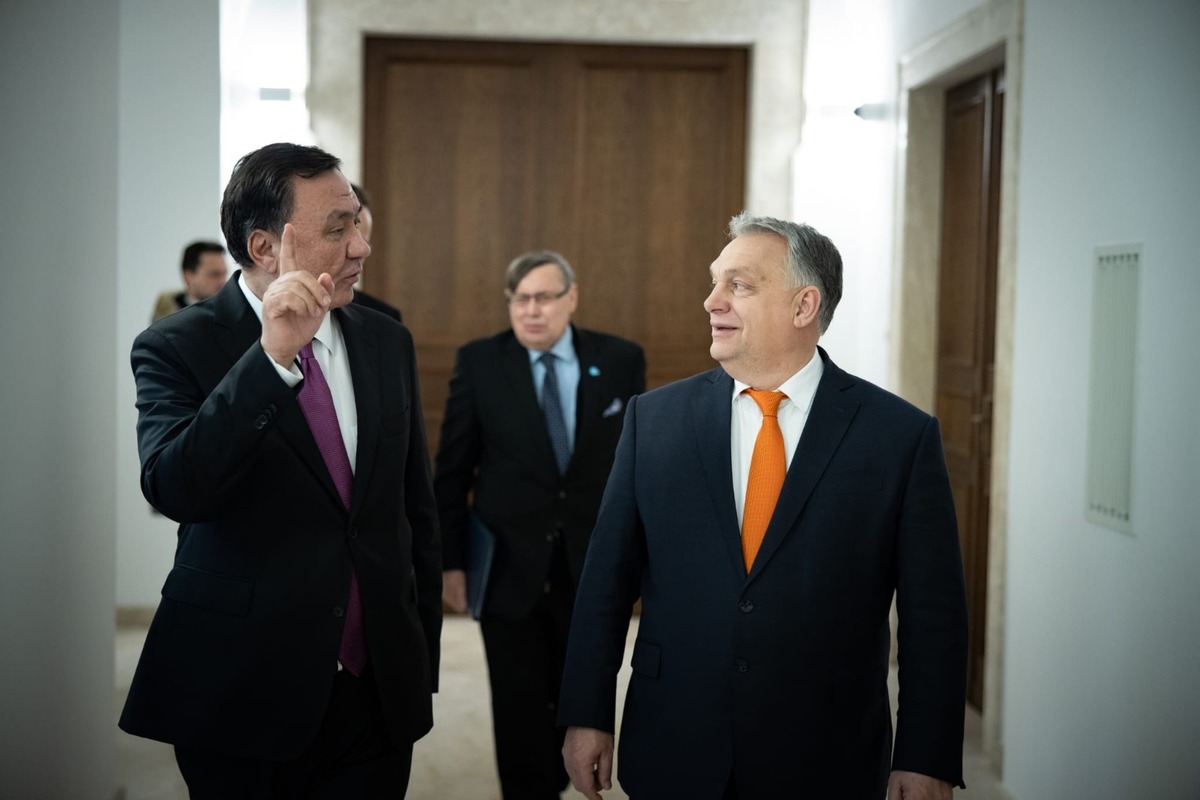
One of the most symbolic milestones in Hungary’s OTS engagement was the opening of the OTS Representation Office in Budapest. This marked a major step in deepening ties between the Turkic States and Europe, reinforcing Hungary’s unique position as a bridge between these regions.
Hungary also plays a significant role in environmental projects within the OTS. The establishment of the OTS Drought Prevention Institute, operating under the OTS Budapest Office, aims to enhance regional cooperation by leveraging expertise and resources from Hungary together with OTS member states. This institute focuses on addressing the pressing challenges posed by drought in the Turkic States, developing strategies for drought prevention, and promoting sustainable water management practices.
As a member of the European Union, Hungary plays a crucial role in expanding dialogue between the OTS and the EU. In this regard, a landmark event was the signing of the Joint Work Plan in 2024 between the OTS and the Hungarian Ministry of Foreign Affairs and Trade to foster relations between the OTS and the EU.
A key area where we are making significant strides is economic cooperation. Trade turnover between Hungary and the OTS Member States has increased by more than almost 4 times in the last couple of years, surpassing $5 billion for the first time. Budapest actively participates in regional energy projects, becoming the first non-neighboring country to import natural gas from Türkiye, as well as receiving gas from Azerbaijan and engaging in oil production in Kazakhstan.
A particularly notable step was Hungary’s accession to the Turkic Investment Fund in 2024 with a contribution of $100 million, demonstrating its commitment to supporting small and medium-sized enterprises, infrastructure projects, and innovation in the region.
Additionally, Hungary’s Eximbank has allocated nearly $1 billion in loans to Hungarian companies pursuing business initiatives in Turkic countries, further strengthening economic ties.
Beyond economics, Hungary has become an important partner in education and culture. Through the Stipendium Hungaricum program, it offers scholarships to students from OTS member states. Last year, more than 5 000 students applied for admission to Hungarian universities, reflecting the growing interest of young people in educational opportunities in Hungary.
Hungary places much emphasis on traditional sports and cultural festivities representing our common heritage. It has been holding the Turan Kurultaj in Bugac every two years and attending the World Nomad Games (WNG) with strong teams. Hungary is a candidate country to host the WNG in the future, which presents our common culture to the world.
Furthermore, Hungary is actively engaged in key bodies of the OTS. In November 2024, Budapest hosted the 16th Meeting of the OTS Council of Elders, where parties reviewed the successful implementation of past Summit initiatives and set the stage for future priorities. Looking ahead, Hungary will host an Informal OTS Summit in May 2025, bringing together Heads of State to define the strategic direction of the Organization.
Thus, Hungary’s role within the OTS has grown remarkably, evolving from an observer to an indispensable strategic partner. Hungary’s contributions through consistent participation in OTS meetings, initiatives, and its active European Office—have strengthened OTS’s European ties, laying a solid foundation for future cooperation. This relationship promises to expand, promoting cultural, economic, and strategic alignment between Hungary, the Turkic States, and the wider European community.
Read also:
- “The omnipresent elegance of Budapest” – Interview with H.E. Emmanouil Apostolakis, Greece’s ambassador in Hungary
- Hungary the one to foster cooperation between EU and Organisation of Turkic States



