Budapest’s public transport faces potential significant price hikes

Change language:
Budapest’s public transport system, managed by the Budapest Transport Centre (BKK), is facing significant challenges, including rising costs and increasing demand. In response, the BKK has proposed several changes, including a potential 10% fare increase and enhancements to its services.
Rising demand and financial constraints
The BKK is anticipating a modest 0.7% increase in performance this year, but it faces financial constraints, with only about HUF 500 million (EUR 1.25 million) available for developments. This budget is insufficient to cover all the expansions planned by the city council, such as increasing the capacity of the 100E airport bus.
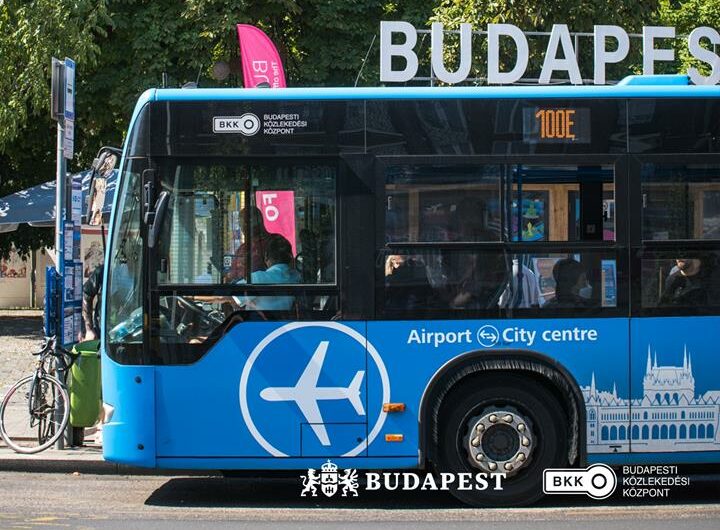
The demand for this service is expected to rise by 15% this year, which can be managed with more frequent services but will reach capacity limits. As we wrote before, if discounts are offered to season ticket holders, the demand could increase by as much as 35%, necessitating the extension of the route to Nyugati railway station and requiring 11 new buses by the end of 2026.
Proposed fare increase
To address financial challenges, the BKK suggests a 10% fare increase for single and daily tickets, which would come into effect from June this year, Népszava reports. This increase is expected to generate an additional HUF 880 million (EUR 2.21 million) annually. Despite this rise, Budapest’s public transport remains one of the cheapest in Europe, second only to Bucharest. For comparison, a single ticket in Budapest would still be significantly lower than in cities like Vienna, Paris, or Stockholm.