


Restoration brings monumental trophies back to Buda Castle’s northern wing

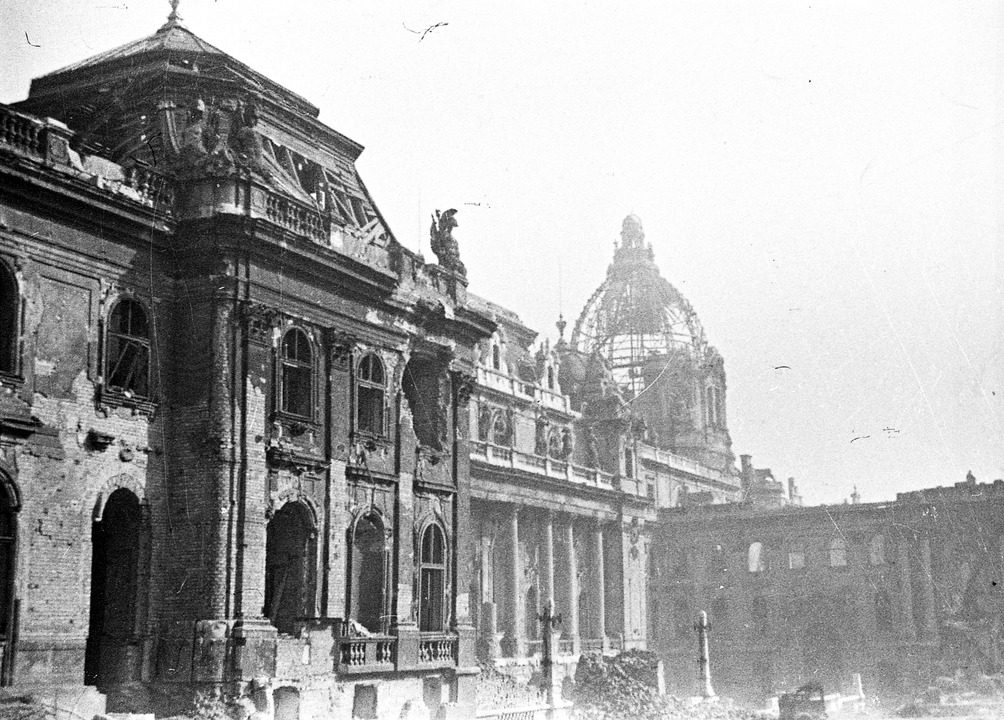
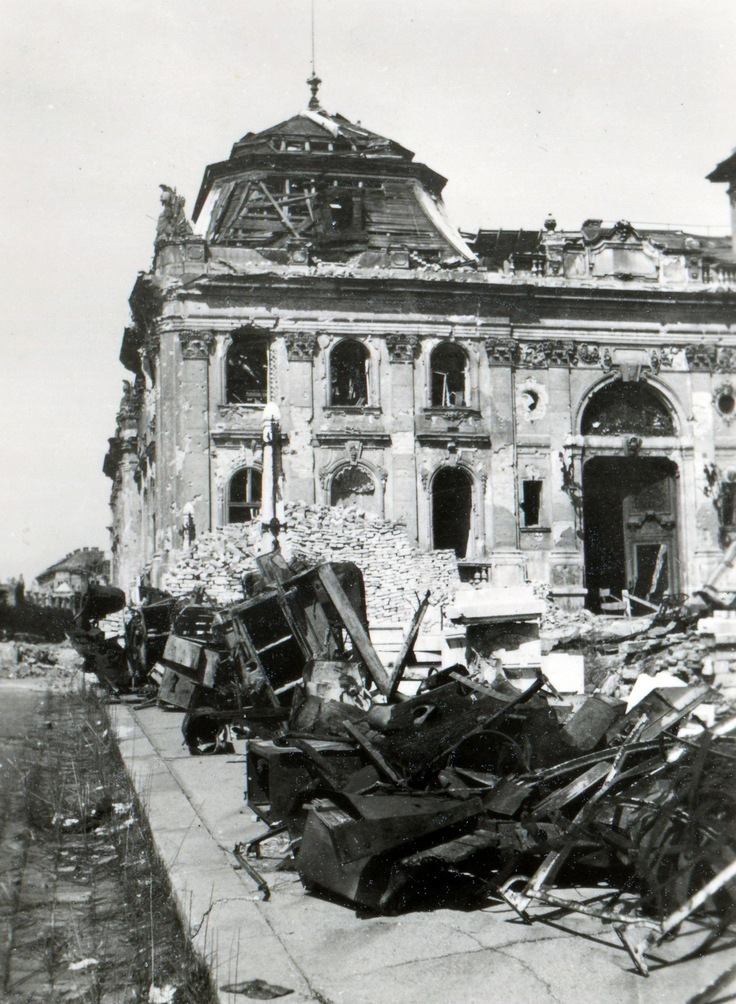
The northern façade of Buda Castle’s Royal Palace was once richly adorned with monumental trophies—also known as military emblems—installed during Alajos Hauszmann’s grand reconstruction at the end of the 19th century.
These artistically crafted sculptures, inspired by ancient culture, depicted an array of weapons, helmets, shields, and war banners.
According to a post by the National Hauszmann Programme, the original designs for the Royal Palace envisaged the northern wing housing the guard units. In line with this plan, Hauszmann designed military emblems for the balustrades on the corners of the mansard domes, symbolising the wing’s intended function.
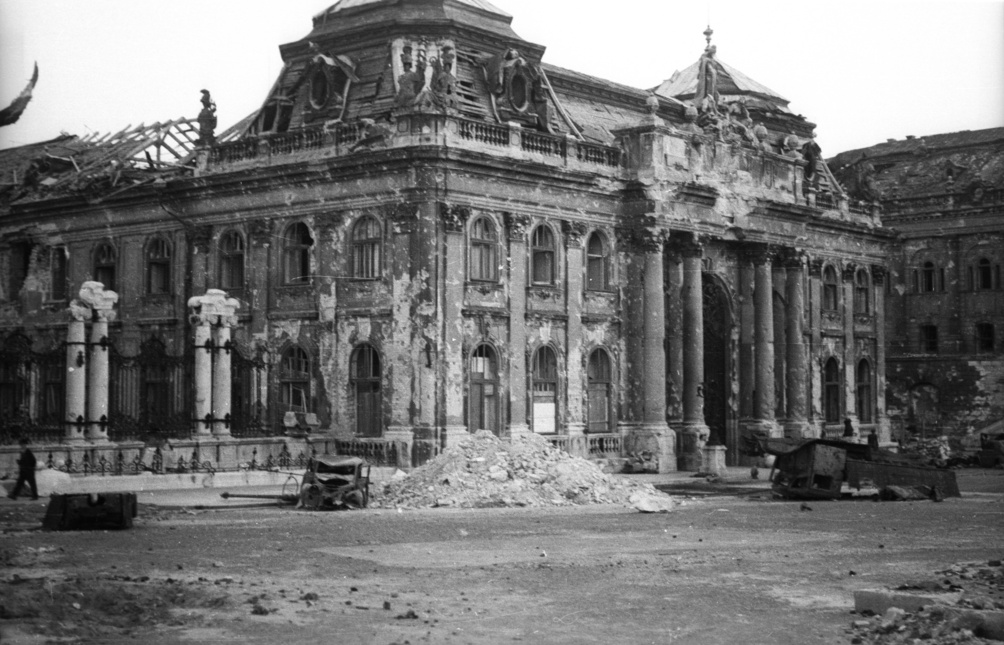
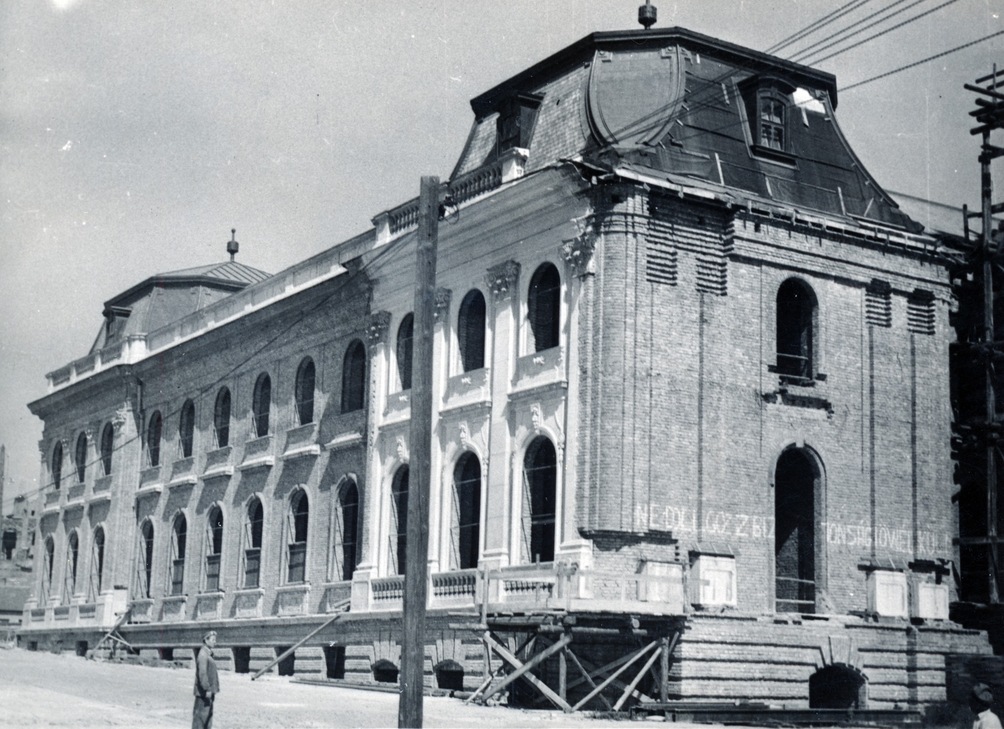
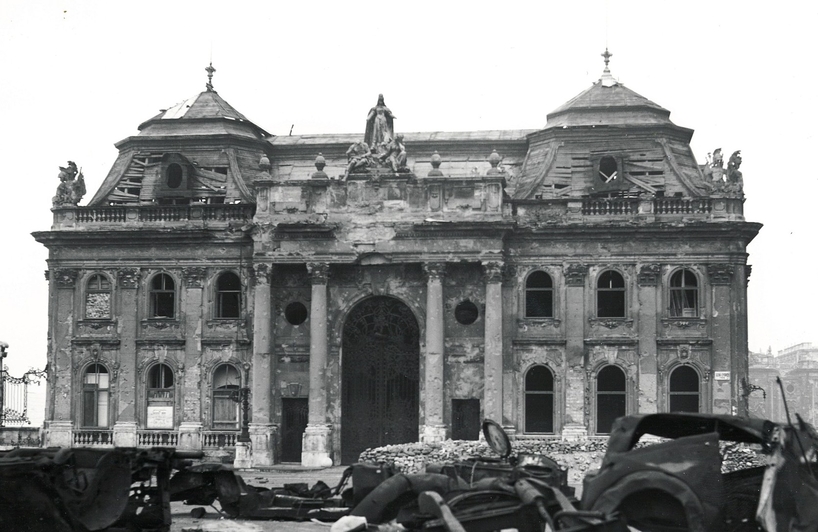
Although the plans were later modified—with a separate Guardhouse eventually being constructed—Hauszmann retained the decorative concept, believing that without the trophies, the façade would appear incomplete.
Five pairs of military emblems, each rotated 90 degrees relative to one another, were placed along the eastern, northern, and western façades of the wing.
From street level, these decorations appeared diverse, but in reality, they were identical—an effect achieved through clever architectural composition.
Based on plaster models by sculptor Antal Szabó, the Zellerin factory produced the emblems from zinc castings, finished with a stone-coloured glaze to harmonise with the façade.
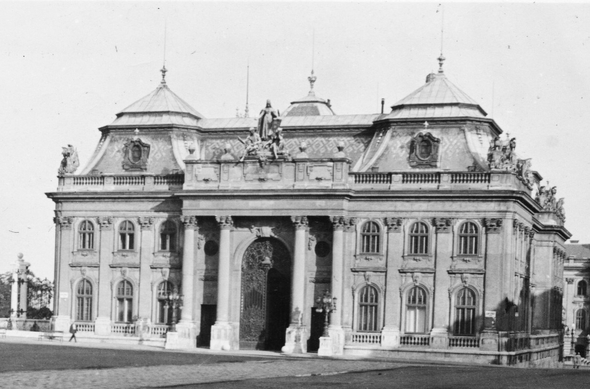
A separate trophy was also created for the section facing the ballroom wing along the Danube façade. This piece was manufactured by the Imperial Metal Goods Factory of Ármin and Ferenc Steiner, styled to match the ballroom wing’s existing emblems.
The Royal Palace suffered major damage during the Second World War, and in the decades that followed, ideological motives led to significant alterations to the building’s appearance—the façade trophies among the many elements lost to simplifications and demolitions.
The current restoration efforts aim to return Buda Castle to its original Hauszmann-era condition. The recreation of the façade trophies is based on period architectural plans, photographs, and surviving samples.
To read or share this article in Hungarian, click here: Helló Magyar
Read more about Hungarian history HERE.
Read also: