Subscribe to our social channels to get the latest news about Hungary!


Archaeologists in Hungary have uncovered more than 900 Bronze and Iron Age artefacts on Somló Hill, a striking volcanic formation in western Hungary better known today for its vineyards. The discovery, made with the help of metal detectorists and advanced surveying methods like lidar, sheds new light on a mysterious society that thrived in the region between 1400 and 900 B.C., during a poorly understood transitional period between the Late Bronze Age and Early Iron Age.
The finds—comprising jewellery, weapons, military decorations, and tools—were buried in at least six distinct hoards, indicating ritualistic or symbolic metal deposition practices. Many of the artefacts were recovered from a plateau on the southeastern side of the hill, and researchers believe the items likely belonged to elite warrior clans who ruled the area more than 3,000 years ago, LiveScience reports.
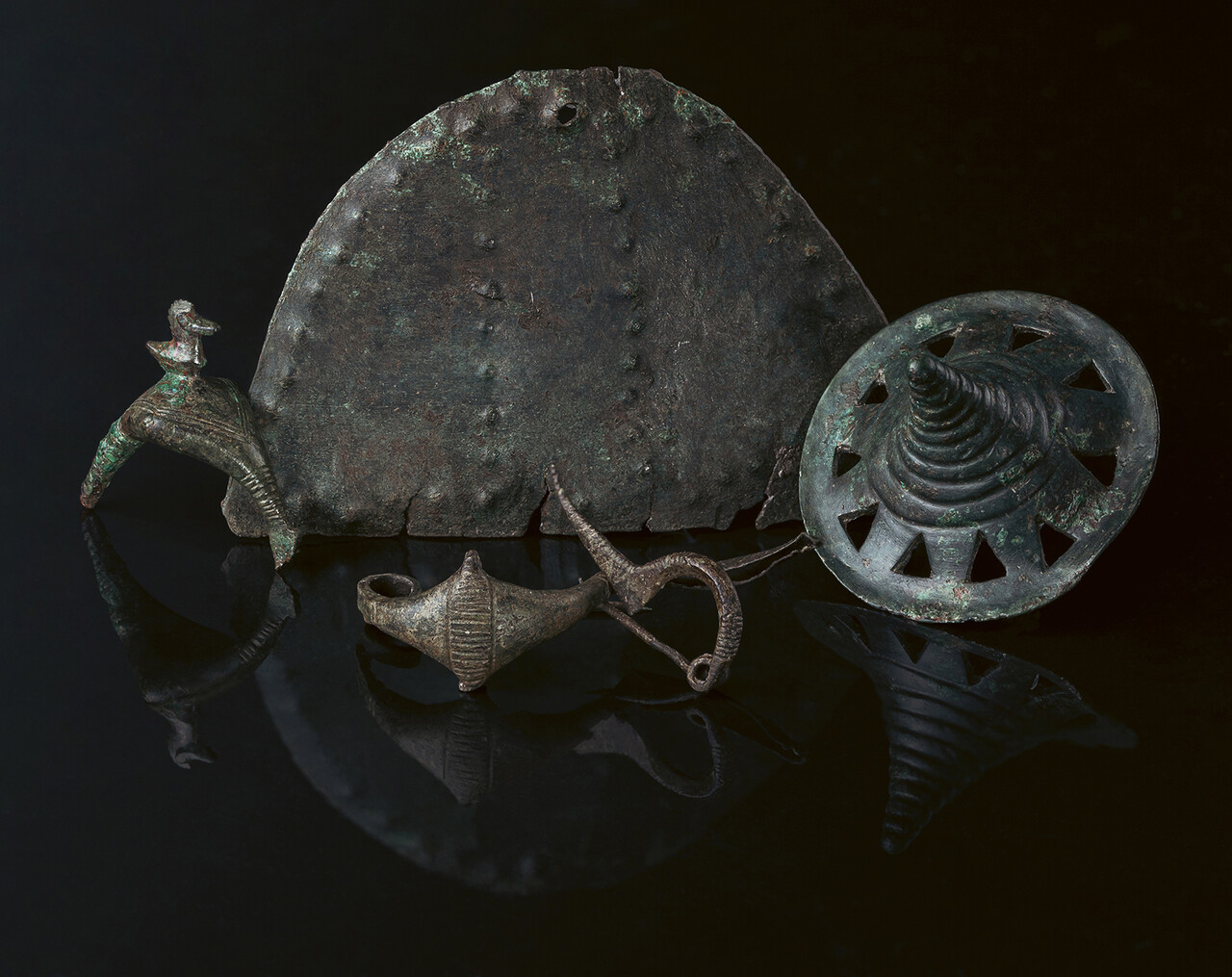
Though Somló is now synonymous with wine production, its archaeological importance has been known since the 19th century, when farmers and vintners began accidentally unearthing ancient objects. According to Bence Soós, archaeologist and museologist at the Hungarian National Museum, those early discoveries hinted at a long history of human activity on the hill, particularly between the 13th and 6th centuries B.C. However, since no records were kept of where the artefacts were originally found, many questions remained unanswered.
To address this gap, Soós and his team launched a systematic excavation and surveying campaign, combining field walking with metal detection and lidar scanning. Their goal: to understand who lived on Somló and what role the hill might have played in ancient Hungarian prehistory.
According to the study published in Antiquity, most of the newly discovered artefacts date from 1080 to 900 B.C., but some are even older—dating back to 1400 B.C. The assemblages include not only metal items but also amber beads, remnants of fabric and leather, and animal remains such as boar and pig tusks. These diverse materials point to a complex society engaged in craftsmanship, trade, and symbolic practices.
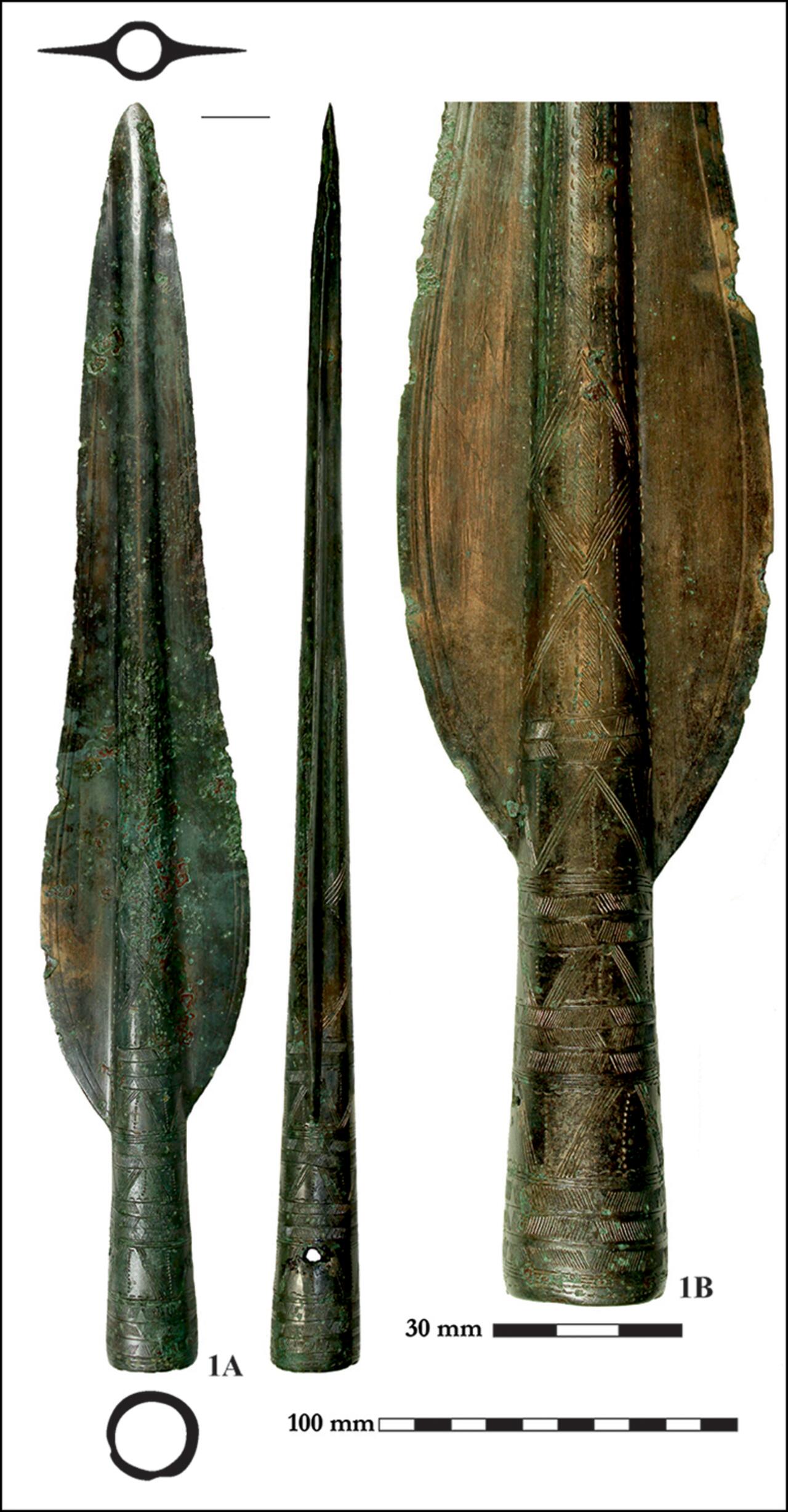
Among the most important finds is “Hoard V,” the first known example from western Hungary of metal objects stored inside a ceramic vessel and deliberately buried. This marks significant evidence of a local tradition of hoarding metal, a practice that may have held religious or social significance.
Although the researchers have not yet found direct proof of a metalworking workshop, many of the objects suggest they were produced locally. The presence of architectural remains also hints at a permanent or semi-permanent settlement, possibly linked to a ruling elite.
Despite the wealth of new evidence, the identity of the people who inhabited western Hungary during this period remains a mystery. The region lacks clear cultural or ethnic markers from the time, complicating efforts to assign the finds to a known group.
Still, the scale and richness of the Somló artefacts—particularly the elaborate burial goods found in monumental graves nearby—support the theory that the hill served as a centre of power for tribal or clan-based societies led by high-status warrior elites.
Soós and his team hope that continued excavation will clarify the chronology and social structures of these ancient communities, and further illuminate a little-known chapter of Central European prehistory.
Read more about archaeology in Hungary HERE!
Read also:


