Subscribe to our social channels to get the latest news about Hungary!


Hungary stands out as a welcoming destination for students from around the world, offering high-quality education, a vibrant campus atmosphere, and generous scholarship opportunities. Thinking about studying in Hungary? Good choice: the country’s academic environment combines tradition with innovation in the heart of Europe.
Students from the European Economic Area (EEA) can reside in Hungary for more than three months if enrolled in an accredited program. Within 93 days of arrival, they must register with the regional directorate of the National Directorate-General for Aliens Policing, presenting proof of admission and student status. The registration certificate is valid indefinitely, provided the student holds a valid travel or identification document, Study in Hungary writes.
International students outside the EU/EEA must apply for a long-term student visa (Type D) before arriving in Hungary, educations.com writes. The application must be submitted at the Hungarian consulate or embassy in the applicant’s home country, and the process typically takes one month or longer, so early application is crucial.
Upon arrival, all students (EU and non-EU) planning to stay over 90 days must apply for a residence permit within 15 days. The permit allows students to work up to 24 hours per week during the semester and up to 90 days or 66 working days per year during holidays.
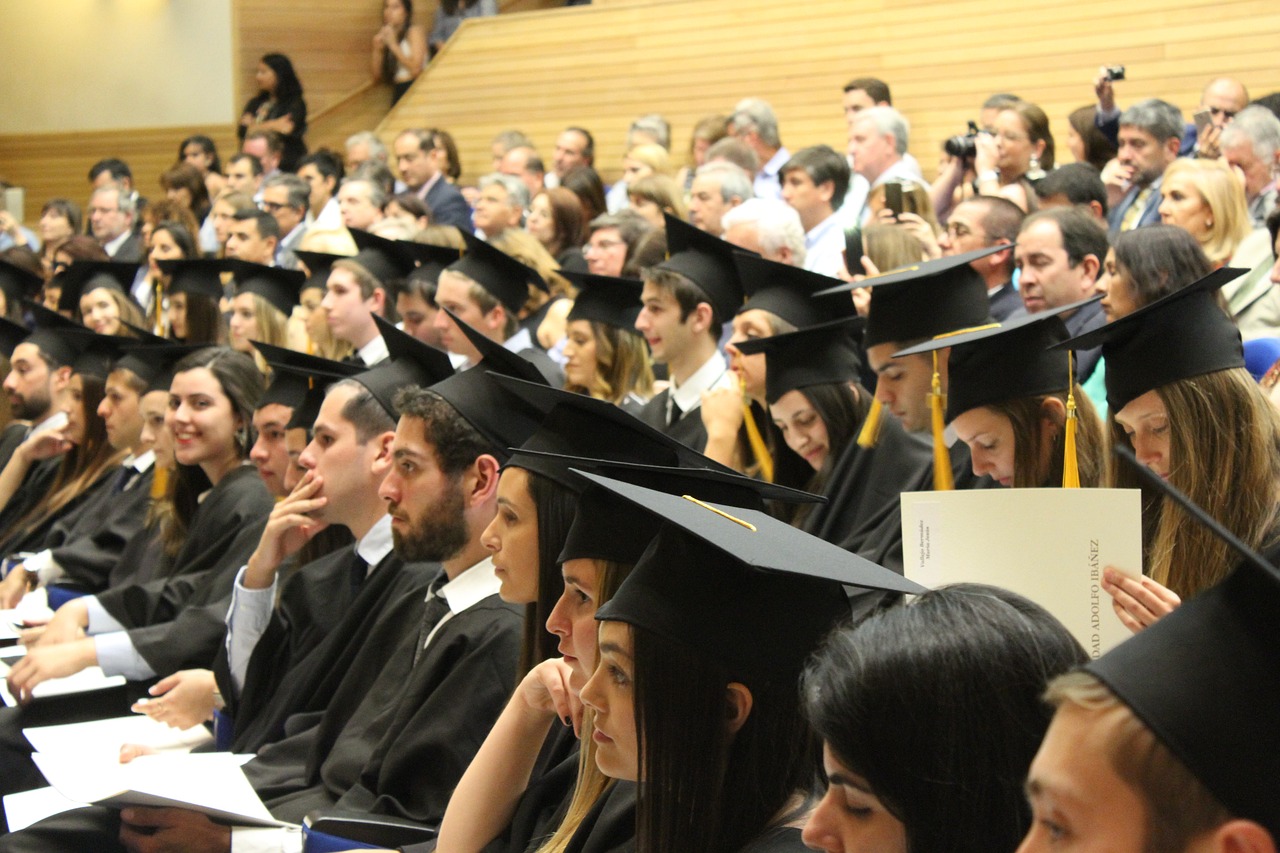
Hungarian universities are known for their lively and inclusive campus communities. Students can expect a blend of rigorous academics and a rich social life, with opportunities to join clubs, societies, and participate in various events.
Hungarian higher education follows the Bologna Process, ensuring degrees are recognised across Europe, Oktamam writes. Courses are available in Hungarian, English, and other languages, and universities emphasise both theoretical knowledge and practical training.
Hungary’s cities, especially Budapest, offer a dynamic mix of tradition and modernity, with a rich cultural scene, historic architecture, and diverse culinary traditions. Students enjoy a multicultural environment and easy access to travel within Europe.
Hungary offers several prestigious scholarships aimed at attracting talented students from around the world.
This flagship scholarship program, established by the Hungarian government, covers:
The Stipendium Hungaricum is open to applicants from nearly 80 countries for full-degree or partial studies. The application process is competitive and involves nomination by the applicant’s home country and assessment by the Tempus Public Foundation.
Managed by the Tempus Public Foundation, these scholarships are available for foreign students, graduates, researchers, and lecturers. They cover tuition fees and may include living and accommodation allowances. Programs are available in both Hungarian and English, depending on the type of study.
Many universities in Hungary offer their own merit-based or need-based scholarships, as well as Erasmus+ and other mobility programs for EU and international students.
Hungary’s blend of academic excellence, supportive campus life, and accessible scholarships makes it a top choice for students worldwide. Studying in Hungary is an opportunity to gain a world-class education, build lifelong friendships, and immerse yourself in a vibrant European culture.
Read more of our guides for expats HERE.
Read also:


