Subscribe to our social channels to get the latest news about Hungary!


Hungary’s gold reserves are remarkably large both in international comparison and per capita, and not all of it is stored in Budapest. We’ve gathered 5+1 surprising facts about Hungary’s gold that you probably didn’t know!
The Hungarian National Bank holds gold reserves that rank high internationally. Within the Central and Eastern European region, Hungary boasts the highest per capita gold reserve.
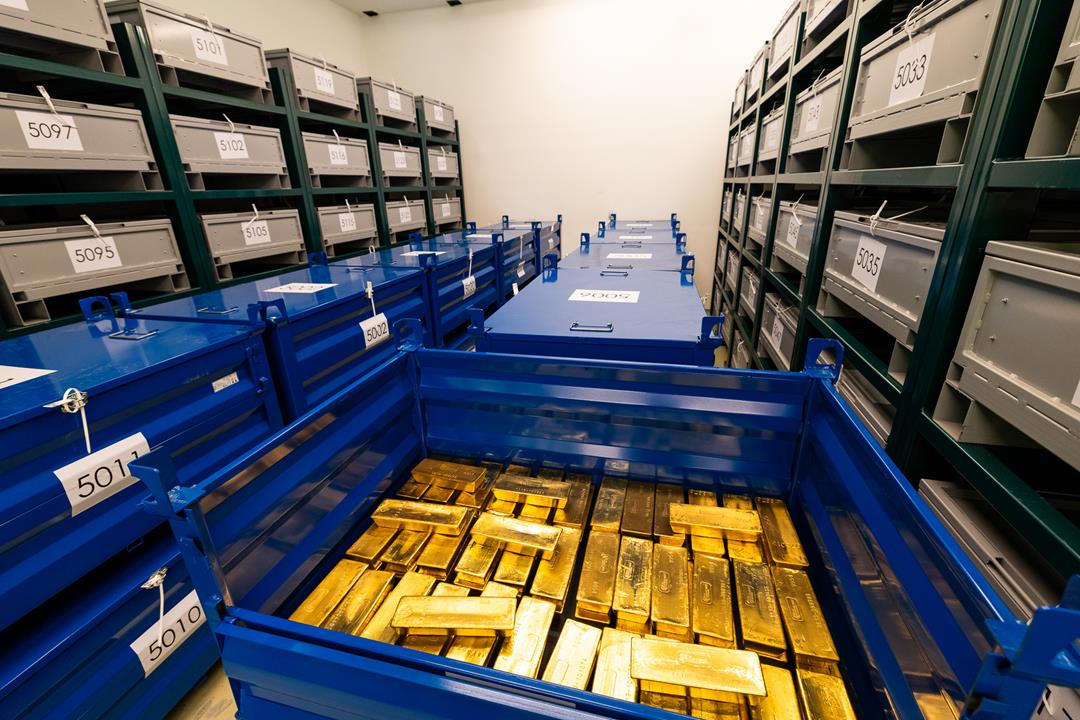
Following a major gold purchase last year, Hungary’s total gold reserves rose to 110 tons. However, only part of it is actually stored in the vaults of the Hungarian National Bank. Specifically, 94.73 tons are readily accessible, while the remaining 15.5 tons are kept much farther away: in London, at the Bank of England vault.
Policymakers at the time believed that gold had lost its monetary importance and decided to minimise the central bank’s holdings. As a result, the reserves shrank from 46 tons to a mere 3.1 tons. Simultaneously, it was decided that the remaining gold would be stored in the Bank of England’s vaults.
In 2018, the leadership of the National Bank decided to increase gold holdings significantly. The reserves expanded from 3.1 tons to 110 tons. As a result, Hungary’s gold per capita rose to 0.37 ounces.
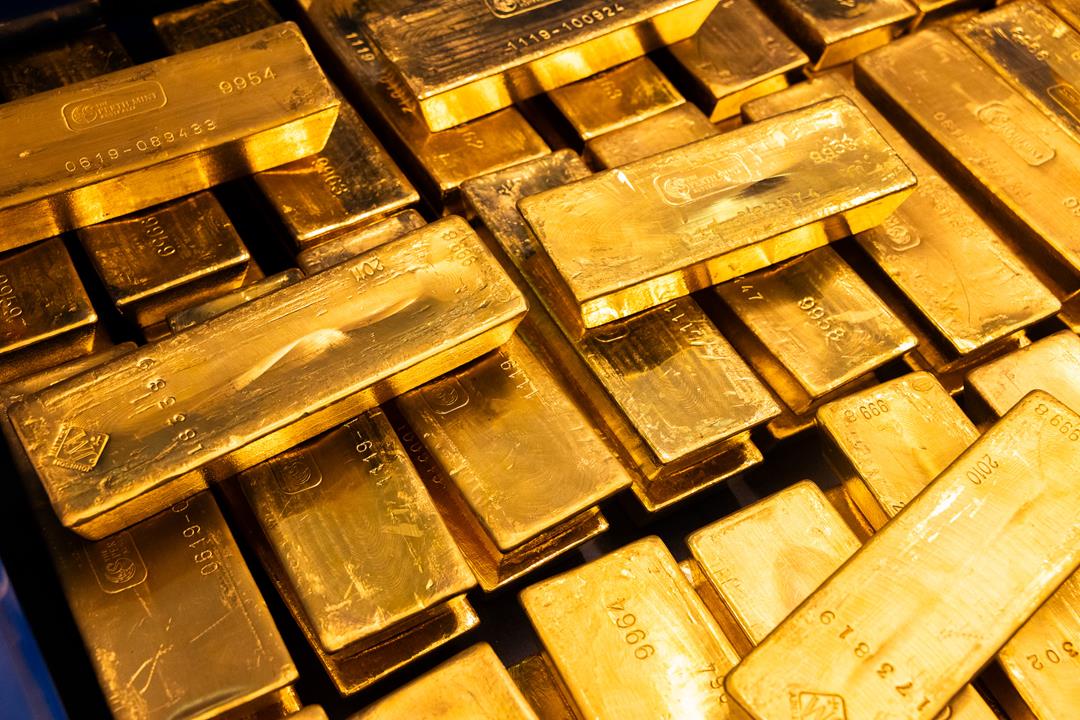
At the start of the 20th century, paper money required gold backing. For example, 1 forint was worth 0.0757575 grams of gold when introduced in 1946. Hungary moved away from the gold standard during the centrally planned communist era of the 1950s, and since then, printing forints has not been tied to the amount of gold in the central bank.
During World War II, National Bank officials decided to evacuate the gold reserves. They loaded 33 tons of gold into hundreds of crates and transported it to Spital am Pyhrn in Austria on what became known as the “gold train”. The gold was eventually seized by American forces and remained in U.S. custody until August 6, 1946. Its return helped stabilise the newly introduced forint that same month.
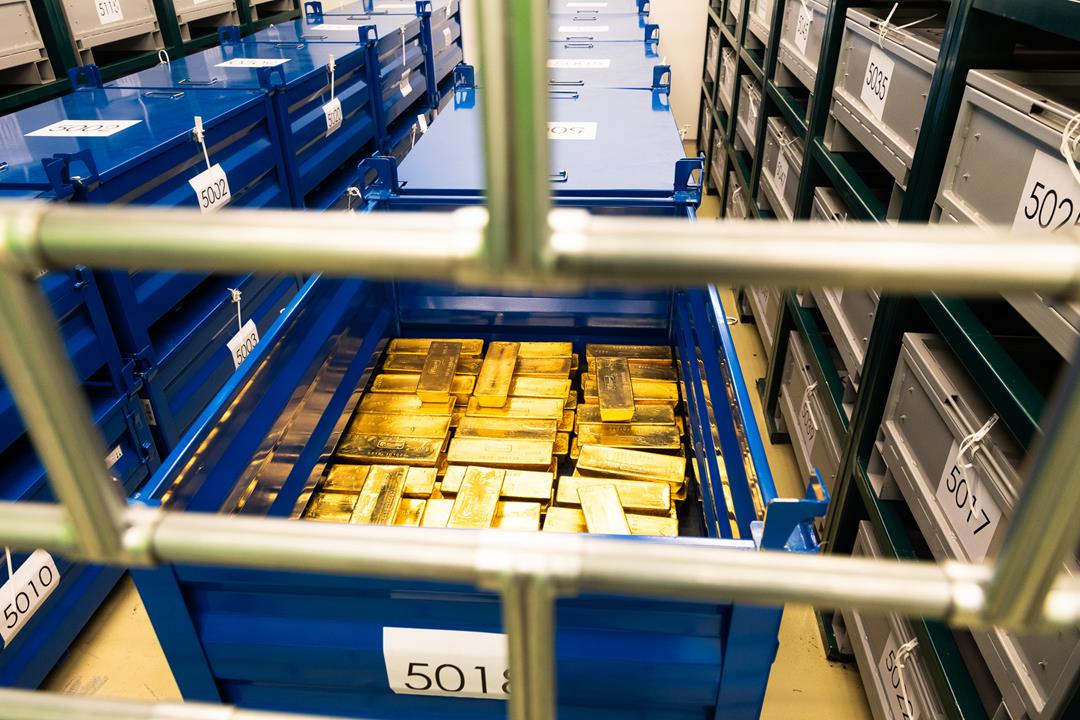
Last year, the Hungarian National Bank stated that, “amid growing uncertainty in the global economy, gold plays an increasingly important role as a safe-haven asset and a store of value. It boosts confidence in the country and supports financial stability. Gold remains one of the most important global reserve assets.”
“The true value of a country’s gold reserves lies in their stability: they not only help maintain the financial system’s reliability but also play a key role in bolstering investor confidence,” the Bank noted on Facebook.
Dr. László György Lukács, a parliamentary representative from Jobbik, recently complained on Facebook that although he wishes to see the country’s gold reserves, he is not allowed to take photos or videos. The National Bank has scheduled a private viewing for him this Friday, but he is not permitted to bring any accompanying staff.
To read or share this article in Hungarian, click here: Helló Magyar
More news concerning the National Bank of Hungary.


