Is it a misconception that Hungarians did not eat horse meat? Here’s what archaeologists say

Change language:
New research shows that Hungarians continued to eat horse meat for centuries after adopting Christianity, and that its decline was driven more by social and economic changes than by religious bans.
What ended horse meat consumption?
Horse meat played a significant role in the medieval Hungarian diet for many centuries, far longer than previously thought. According to a new archaeological study by Hungarian researchers, the adoption of Christianity did not immediately lead to the disappearance of horse meat from Hungarian meals. In fact, rural communities continued to consume it regularly during the Árpád era, from the 11th to the 13th centuries. The study, published by Cambridge University Press in the journal Antiquity, concludes that the decline of horse meat consumption was due to social and economic factors, not religious prohibitions.
198 sites, hundreds of thousands of bones
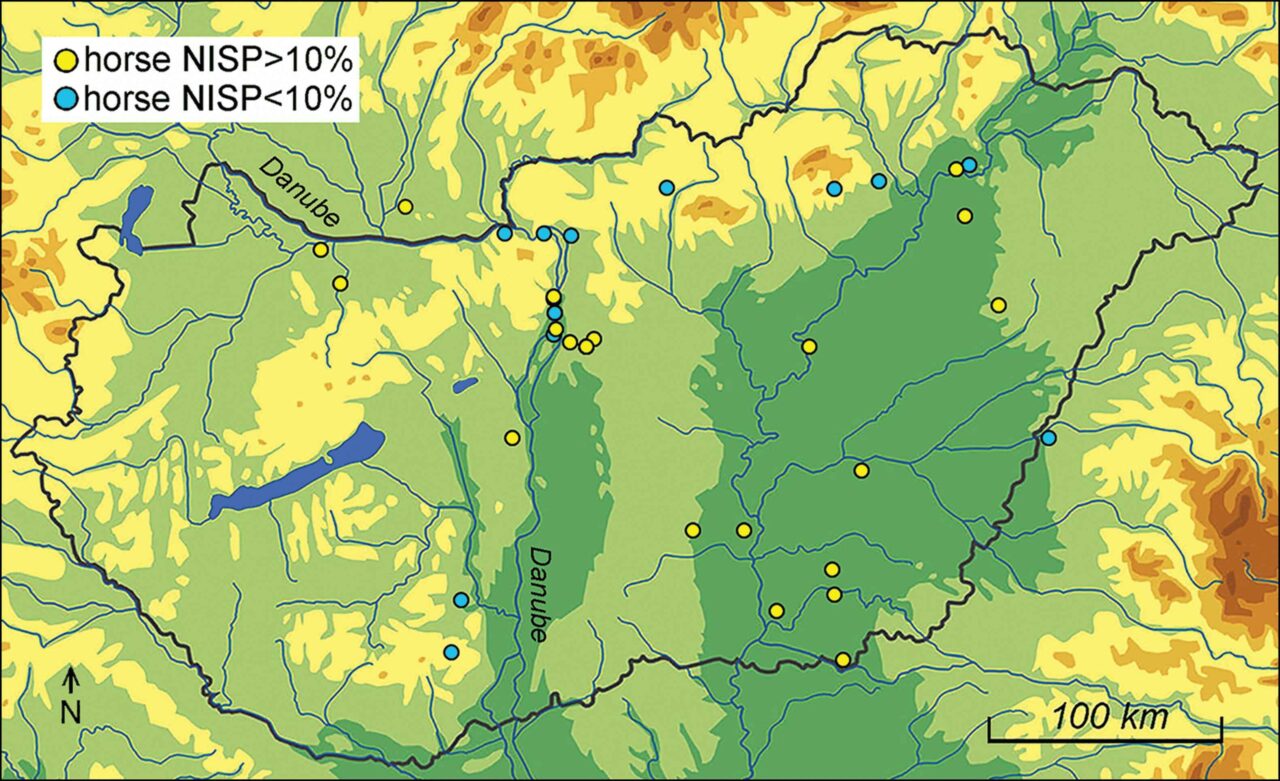
Researchers analysed the animal bone remains from 198 archaeological sites across present-day Hungary. Their goal was to chart the frequency of horse meat consumption throughout different periods of the Middle Ages using quantitative methods. The proportion of horse bones found in food waste was surprisingly high: in dozens of settlements, they made up 10–30% of all domesticated animal bones. This strongly indicates that eating horse meat wasn’t just a rare, lingering pagan custom but a regular part of daily life at the time.
The turning point: the Mongol Invasion
According to the study, a major shift occurred in the mid-13th century, particularly after the Mongol Invasion (1241–1242). The invasion caused massive loss of life and widespread destruction, and also decimated the country’s horse population. Many horses were either taken or killed, making the remaining stock increasingly valuable. Horses began to be seen as strategic assets—for military and economic purposes, or as status symbols—rather than sources of food. As a result, horse meat gradually disappeared from everyday meals.