Subscribe to our social channels to get the latest news about Hungary!


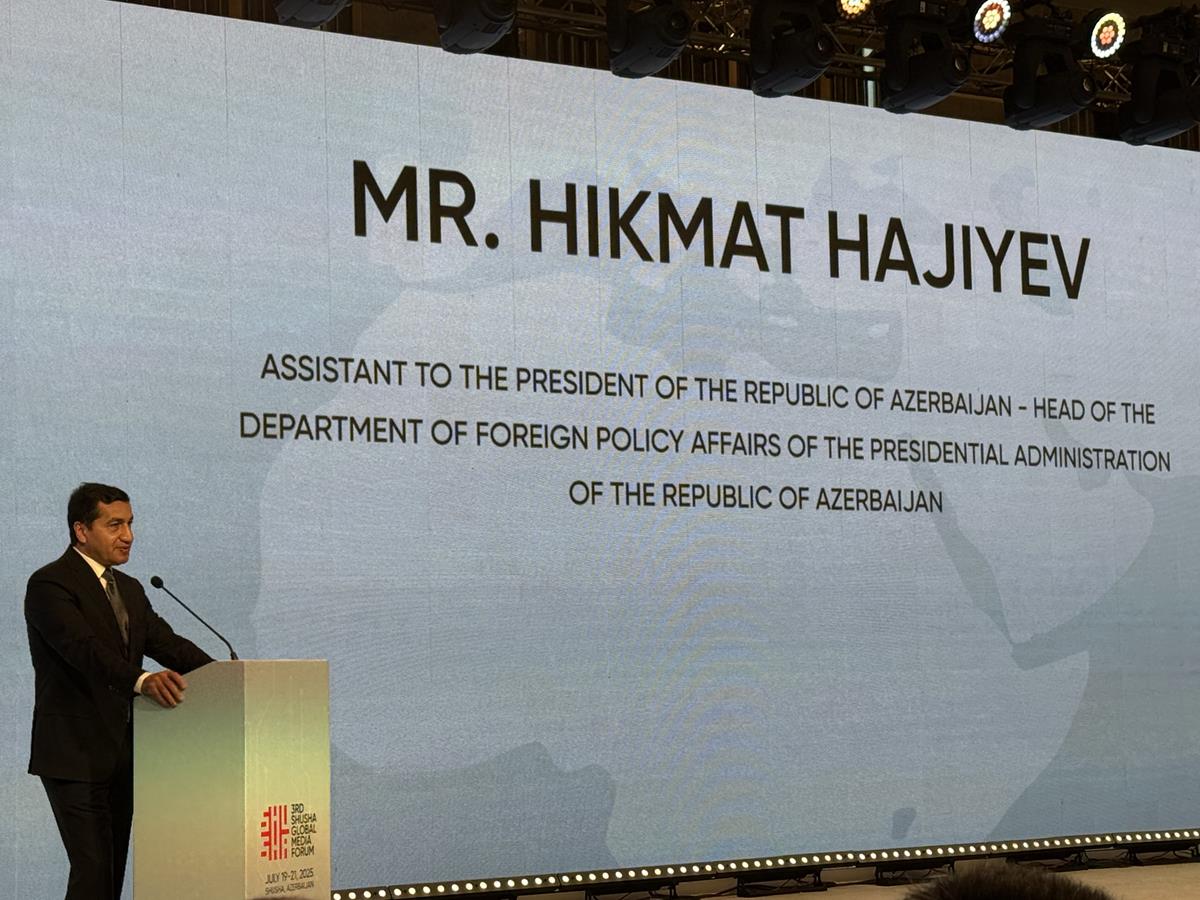
Thanks to a recent press tour from Shusha to Agdam, we gained a comprehensive view of how Azerbaijan is reconstructing both its past and future. The central feature of the visit was the 3rd Shusha Global Media Forum, held July 19–21, 2025, under the theme “Digital Pathways: Strengthening Information and Media Resilience in the Age of AI.”
The Nagorno-Karabakh region remains a subject of intense debate, like all former conflict zones. After the fall of the Soviet Union and during the first Nagorno-Karabakh war, Armenian forces took control of the area, displacing an estimated 800,000 Azerbaijanis. In the 2020 war, Azerbaijan swiftly reclaimed the territory. In the nearly five years since, Azerbaijan has launched an ambitious redevelopment effort in a region long neglected and underdeveloped. Huge sums are being invested to make the area livable again—drawing a parallel to East Germany after the fall of the Iron Curtain, united in support from the broader German nation.
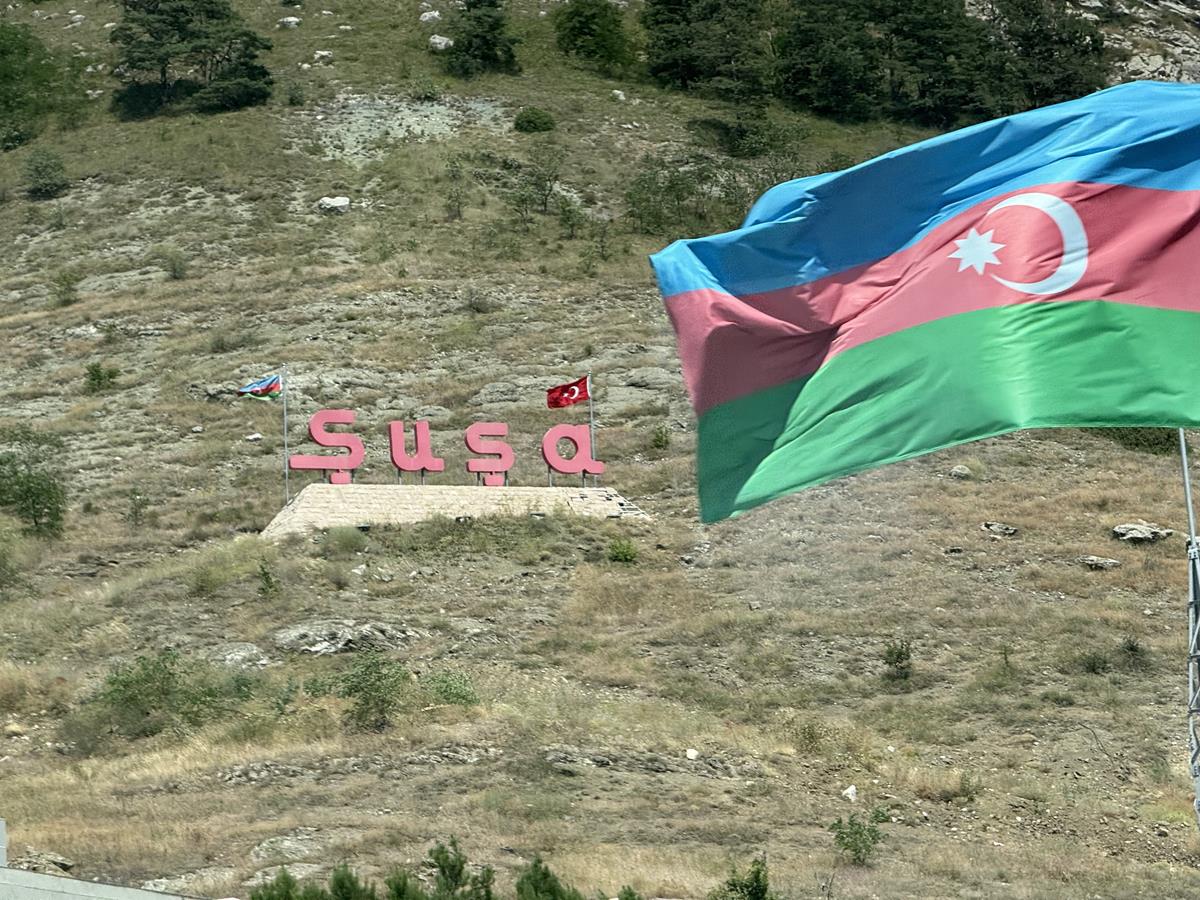
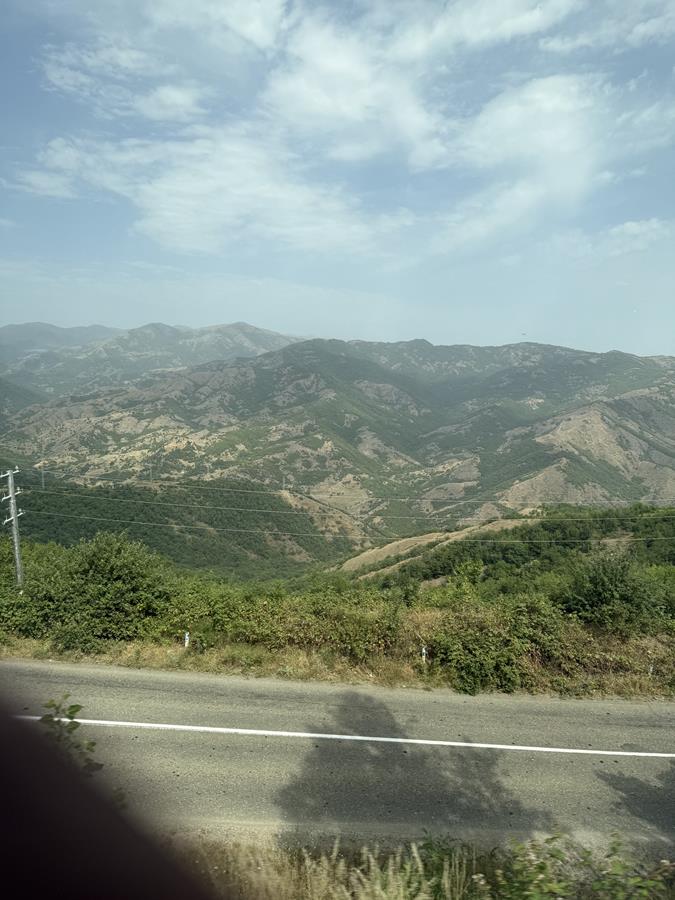
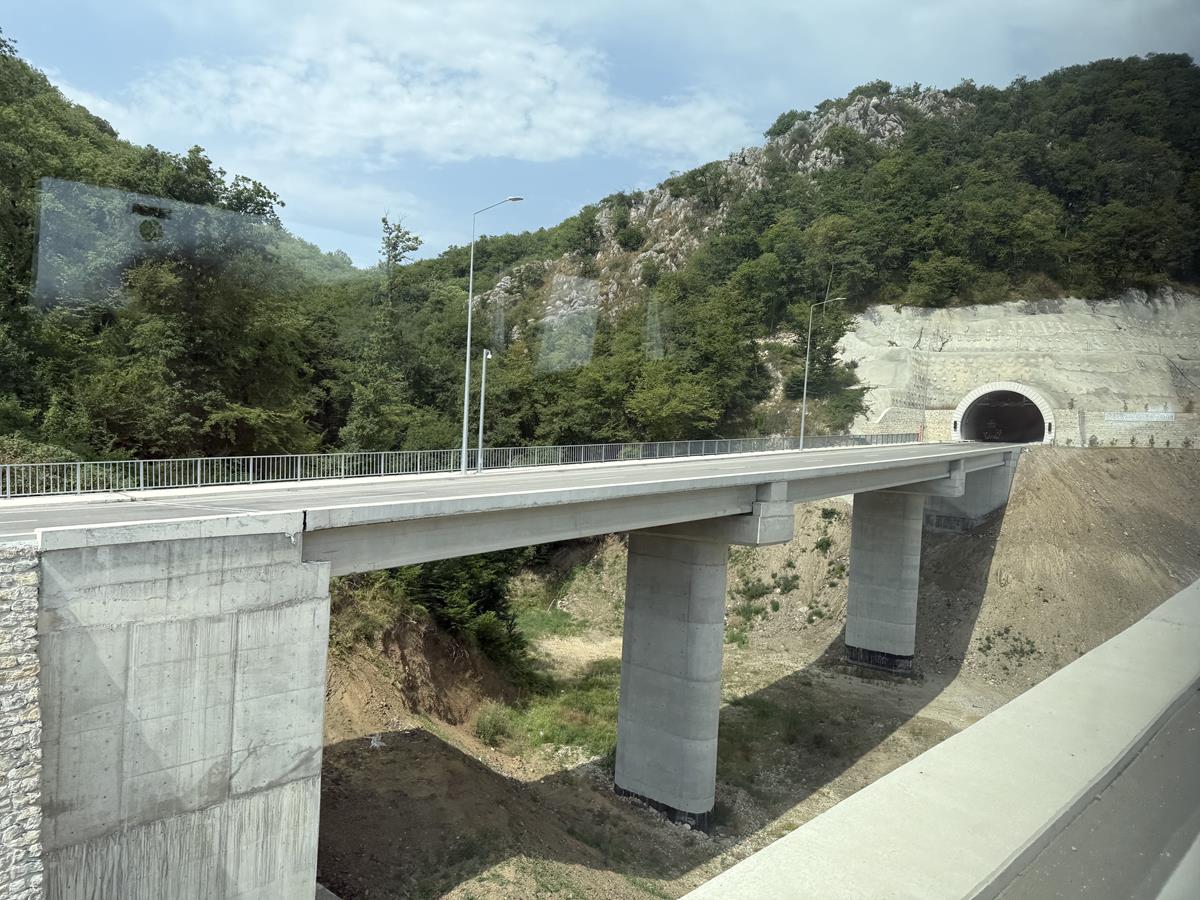
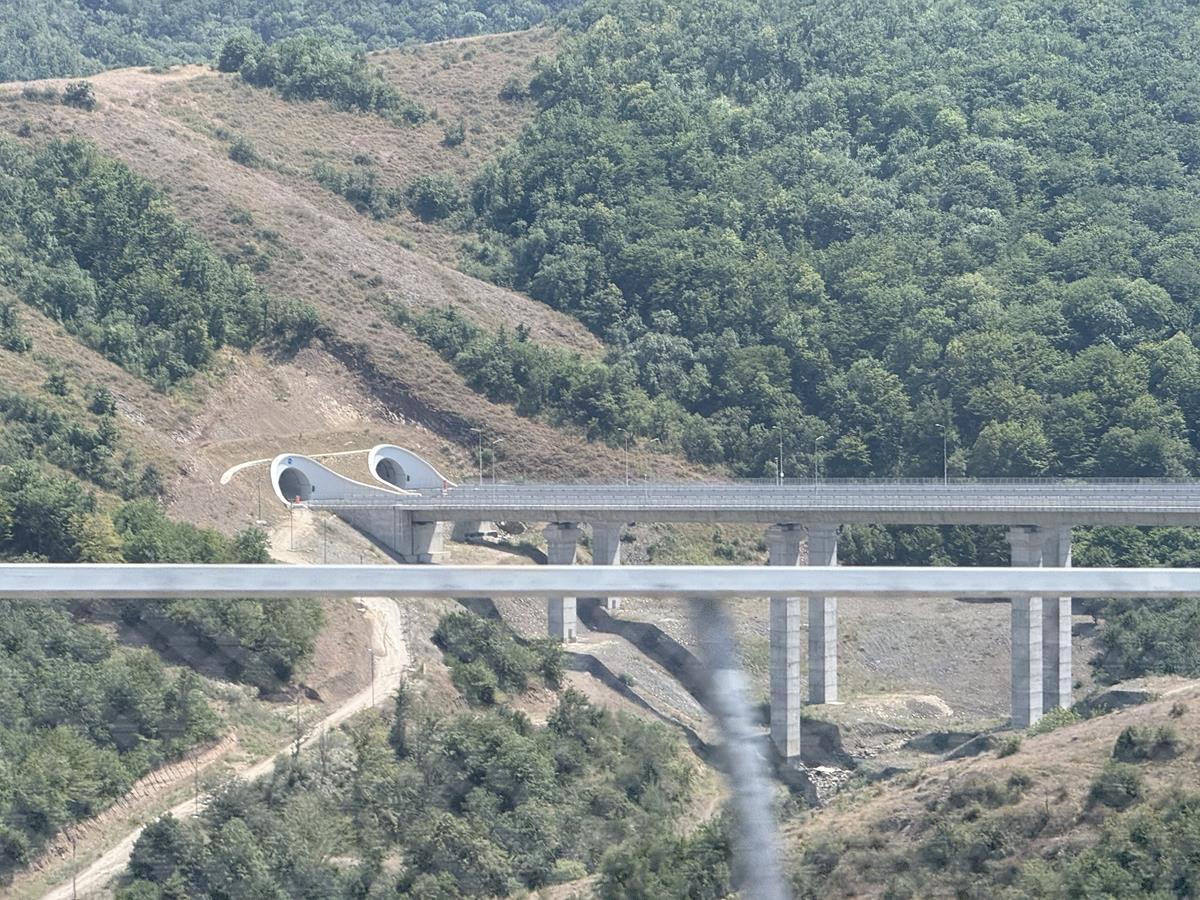
Rich in energy resources, Azerbaijan is now focused on this area, grappling with the colossal challenge of rebuilding a vast territory nearly from scratch—no how-to guide exists for such an undertaking. Roads, highways, and railways are needed for transportation, while basic infrastructure like electricity, water, sewage, and internet is crucial for everyday life. Hospitals, schools, and public institutions must also be built to encourage tens of thousands of Azerbaijanis to move back. Currently, 50,000 people live in the region, but that number is expected to rise sharply in the coming years as living conditions improve.
Culture also plays a key role in redevelopment. Abandoned mosques have been restored over the past thirty years, and during our journey, we encountered three Christian churches—including one in Shusha that we viewed up close. Its exterior renovation is already complete, and it’s expected to open to visitors next year.
I won’t dive into who did what to whose church or mosque; war affects people on all sides, and unfortunately, some soldiers commit inhumane acts when given unchecked power. Atrocities likely occurred on both sides during these wars, and I trust that courts have held perpetrators accountable.
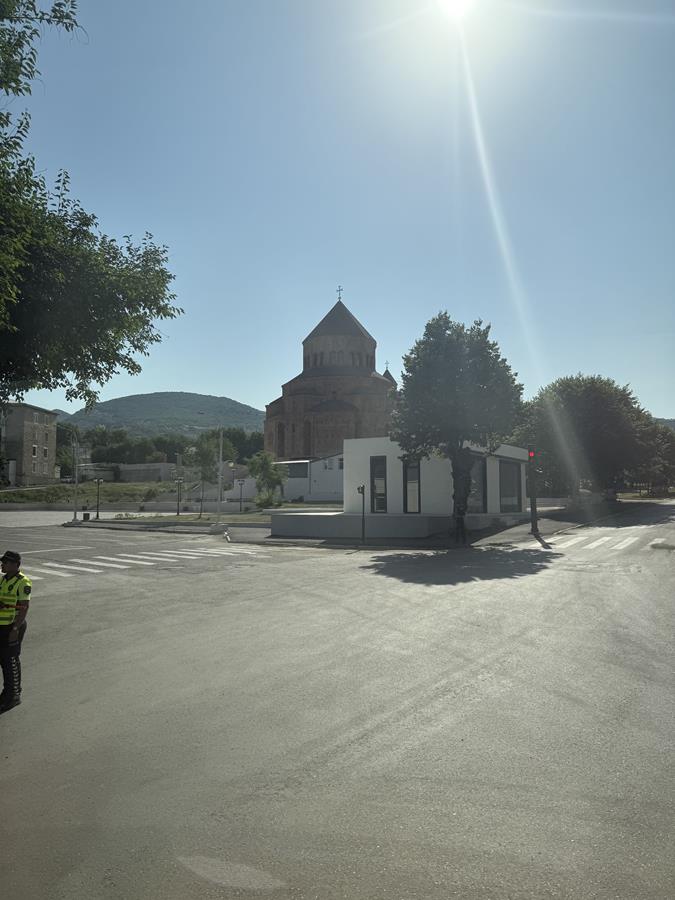
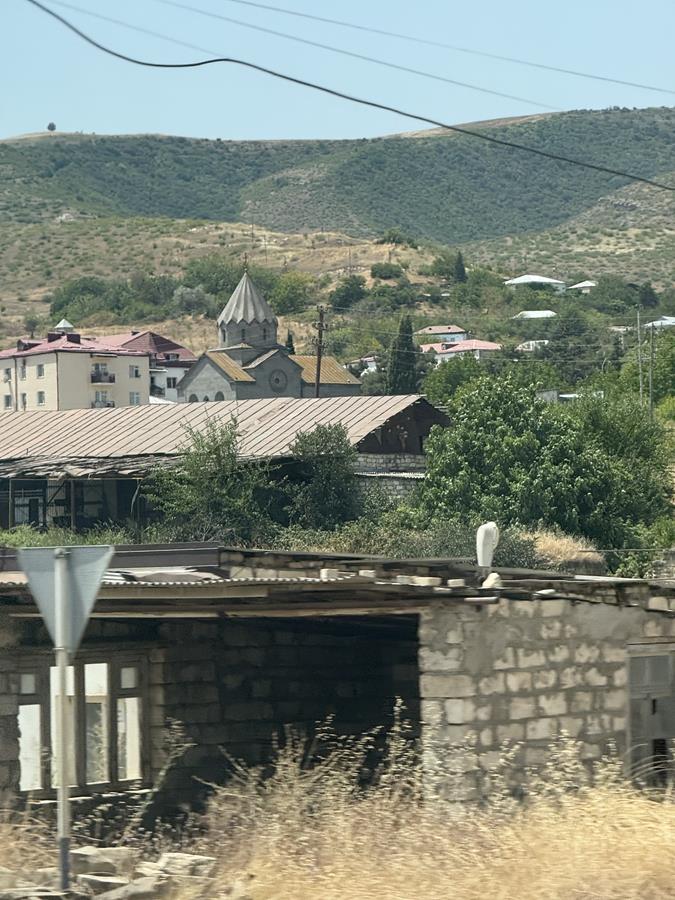
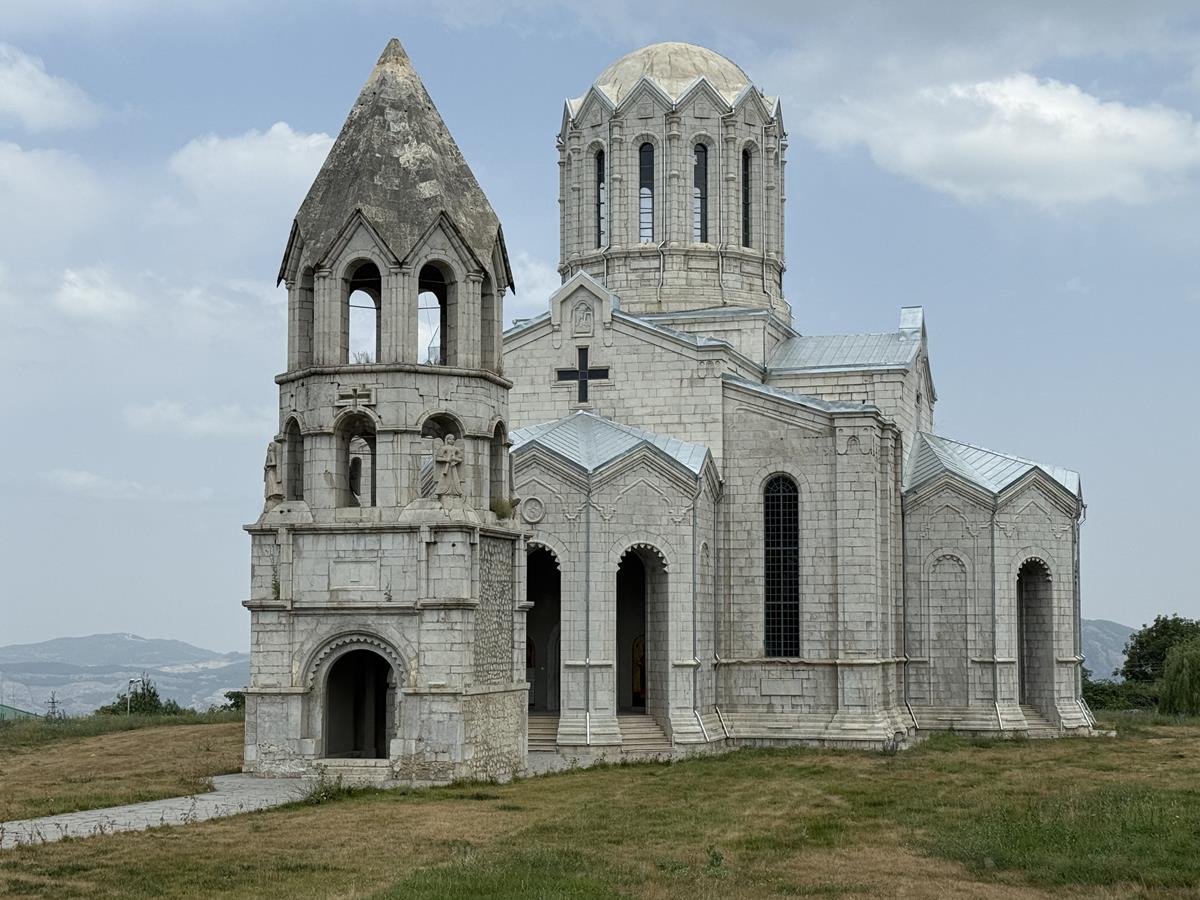
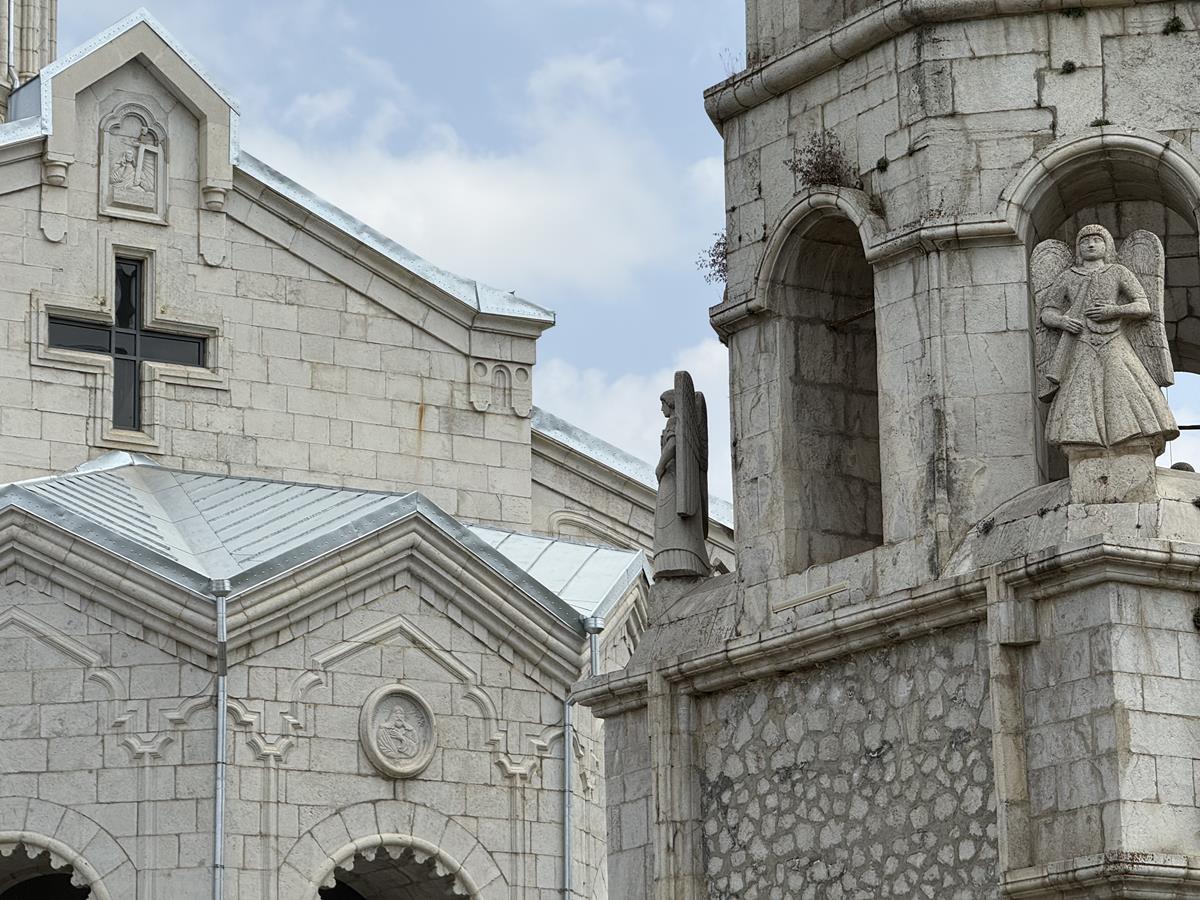
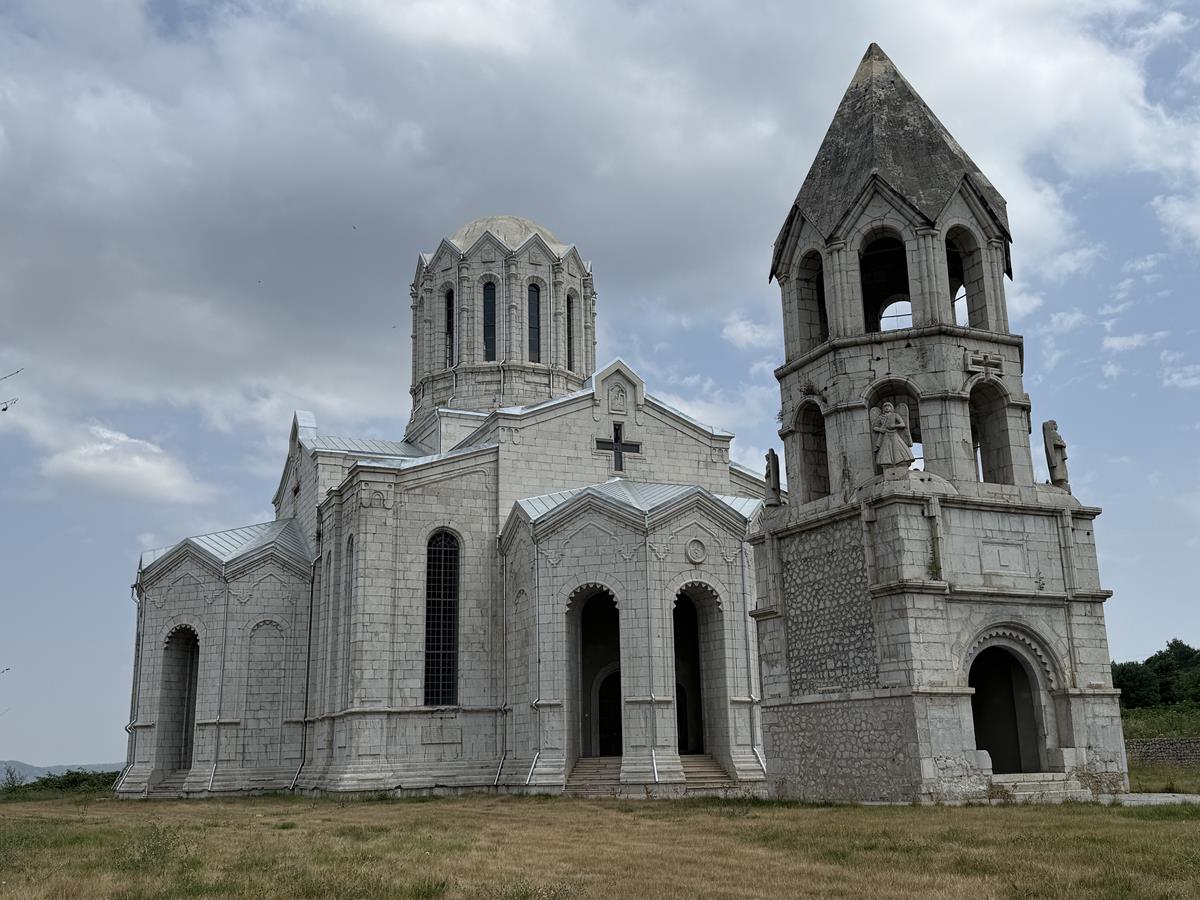
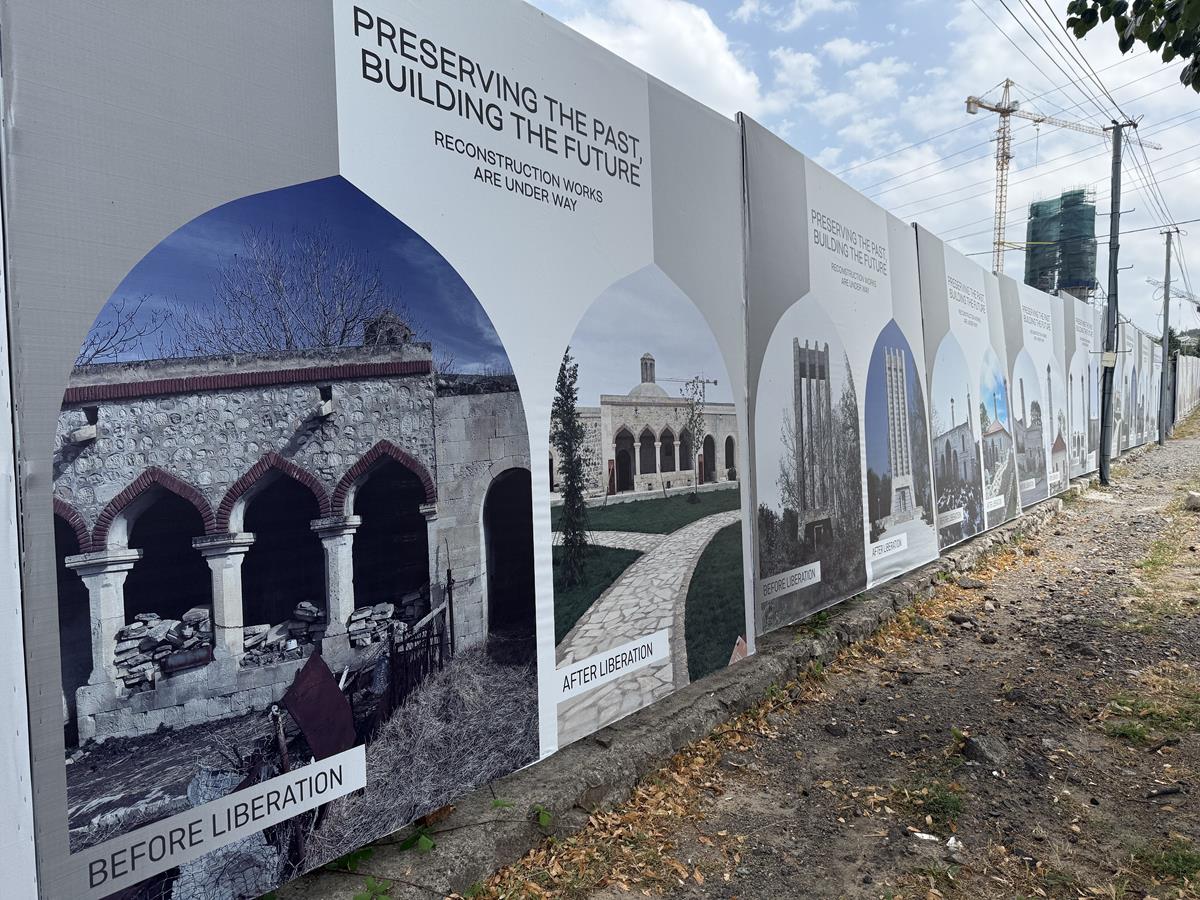
Overall, based on our experience, Azerbaijani authorities are paying attention to the preservation and maintenance of Christian churches—a priority not only for Christian nations like Hungary, but also for international observers and organizations focused on safeguarding cultural heritage.
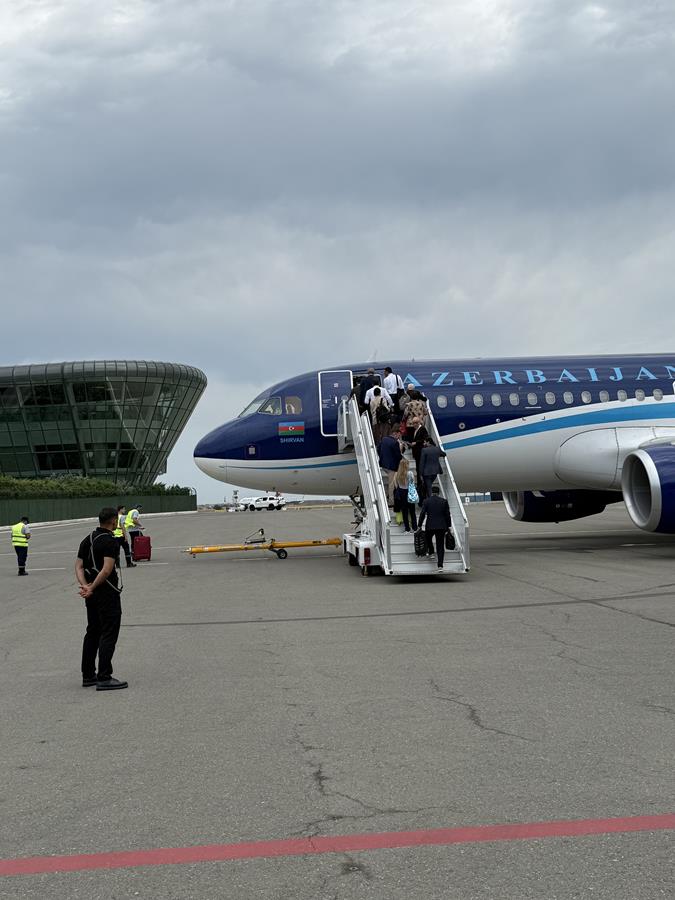
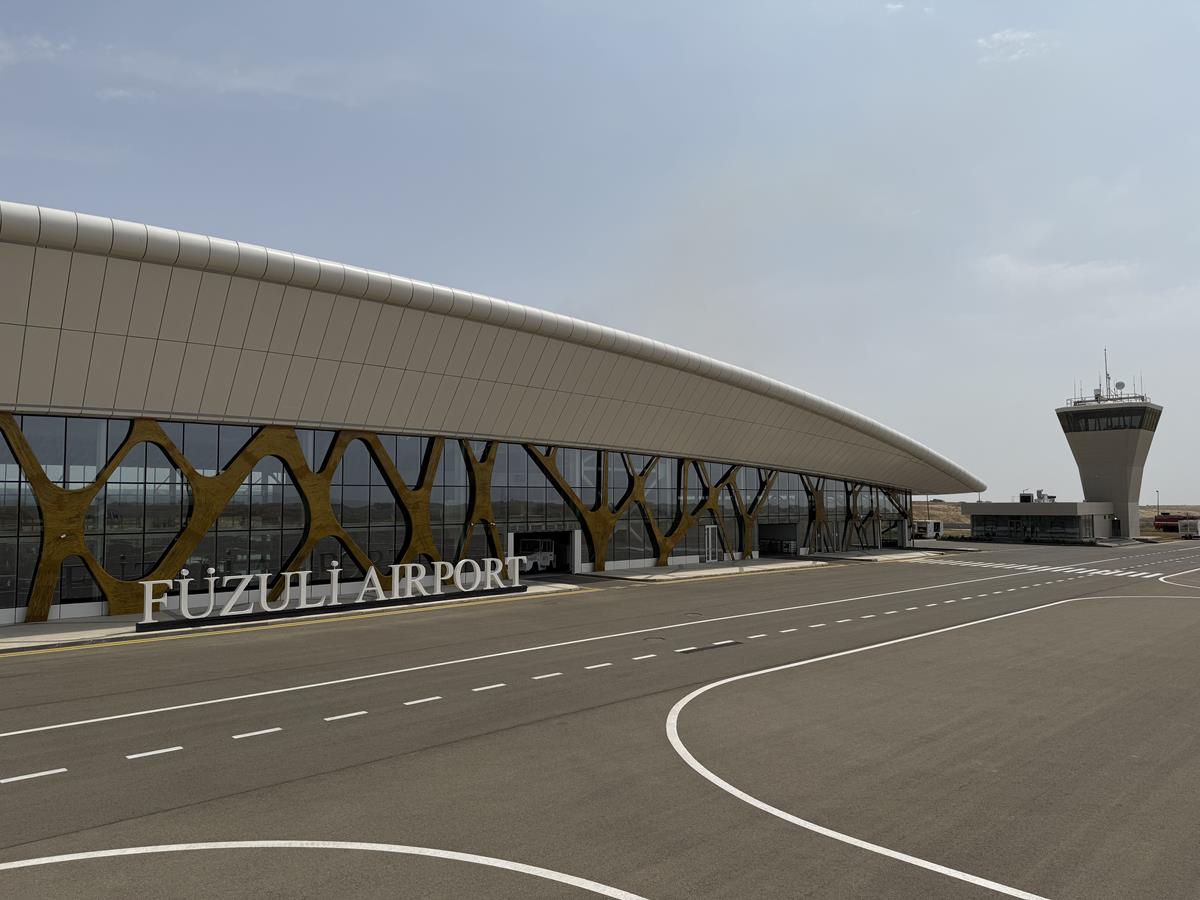
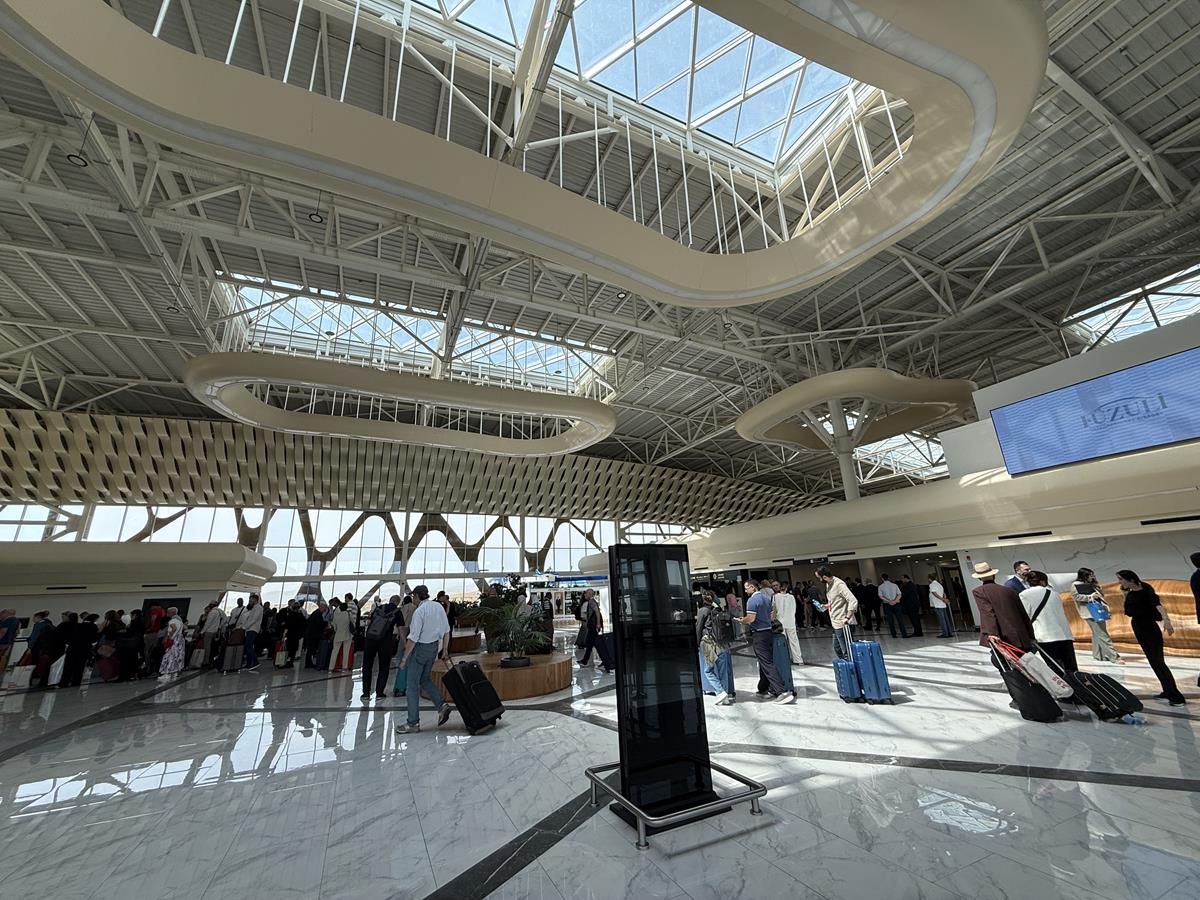
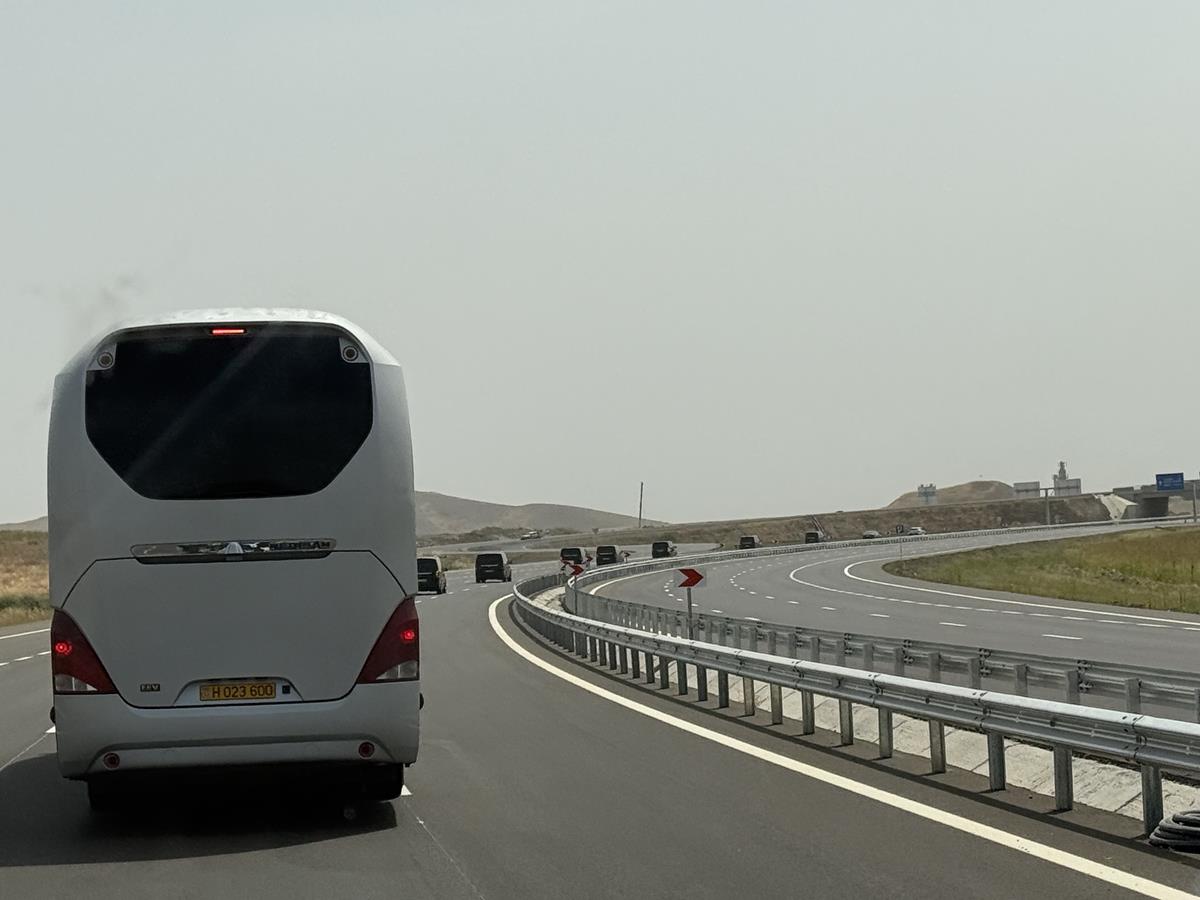
An international delegation from around the world arrived via a special flight from Baku to the newly constructed airport in Fuzuli. This facility serves as the gateway to Azerbaijani territories now undergoing reconstruction in the post-conflict phase. From there, we traveled by a brand-new highway to Shusha, where we stayed as guests of the forum—the primary venue of the event.
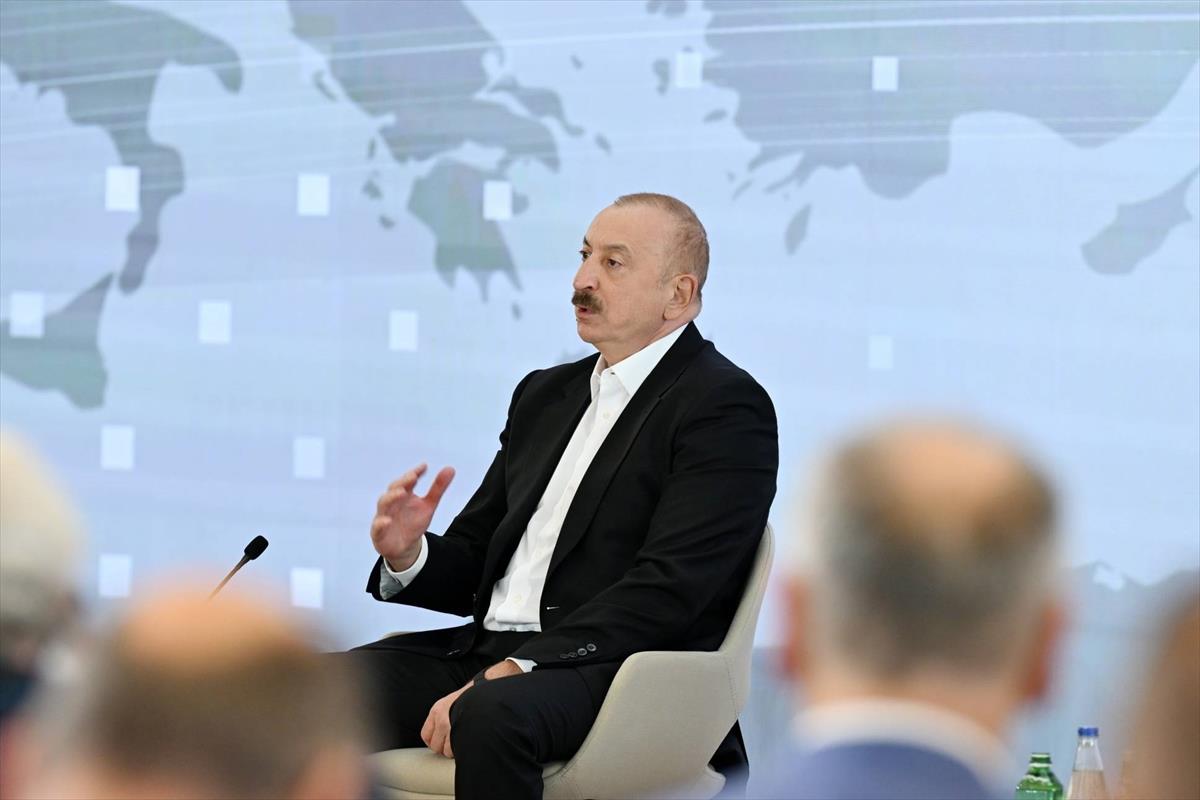
On the forum’s opening day, Azerbaijani President Ilham Aliyev hosted members of the international press in Xankəndi (also known as Stepanakert) during a high-profile, live-streamed press conference. The most headline-grabbing announcement was Azerbaijan’s intention to file a lawsuit against Russia over the downing of an Azerbaijani military aircraft—a statement that carried major political implications across the region. More details can be found here: “Never give up” – Aliyev sends a message to Ukraine and delivers a blow to Moscow
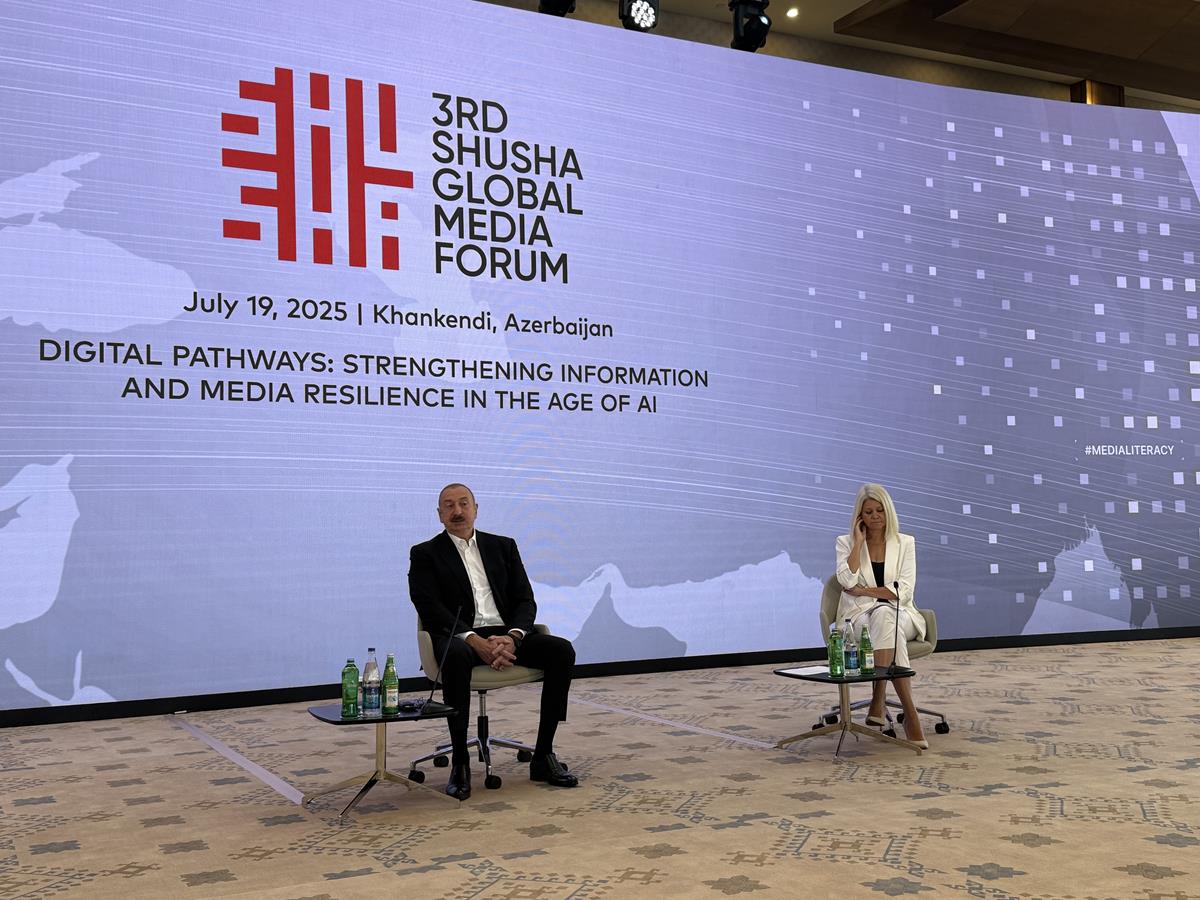
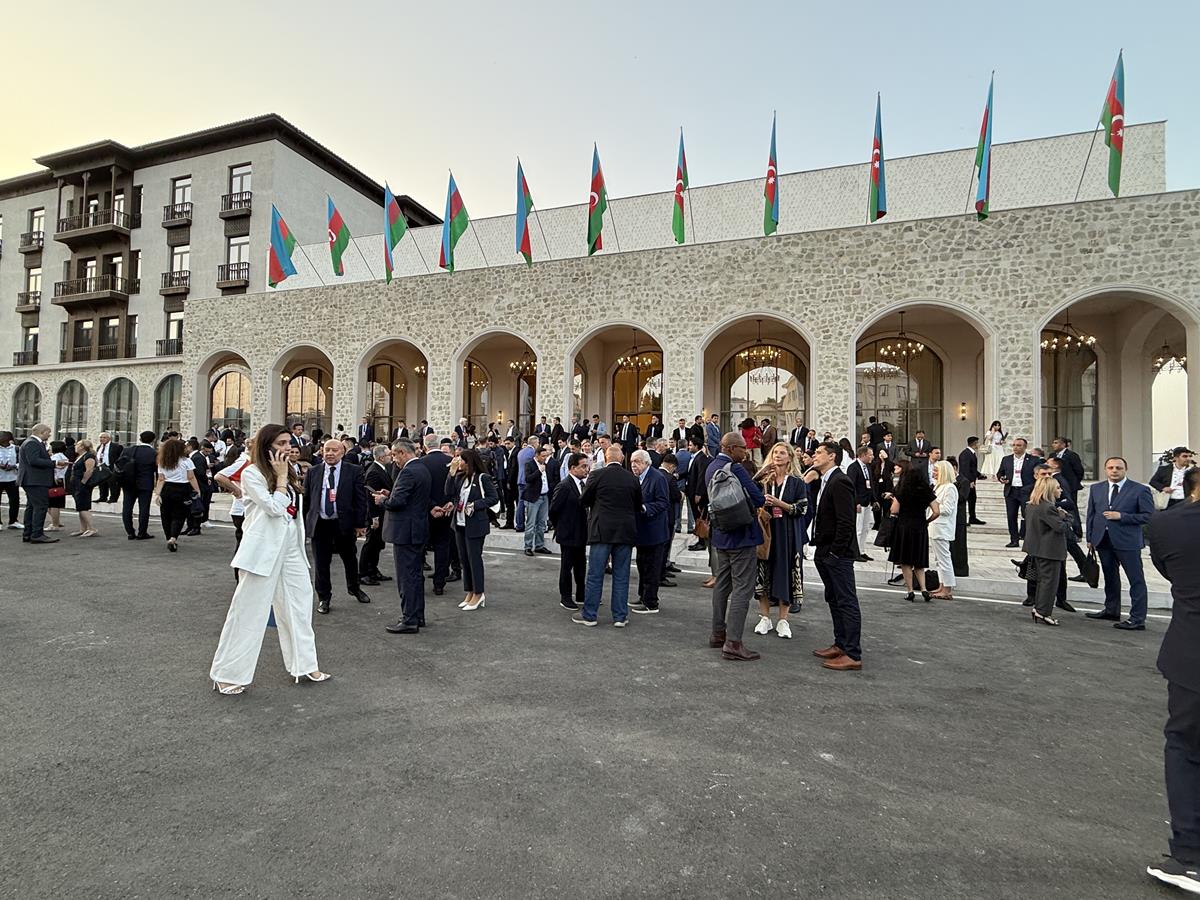
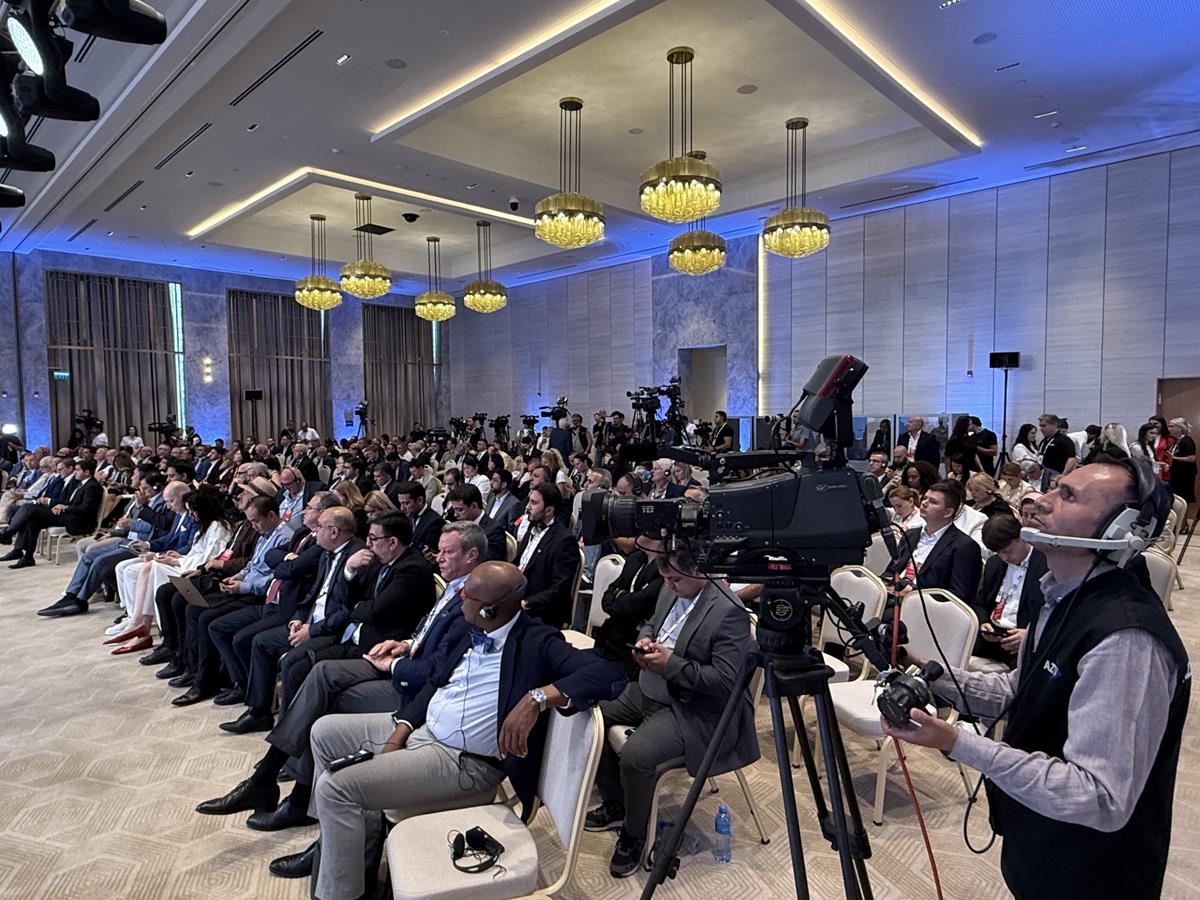
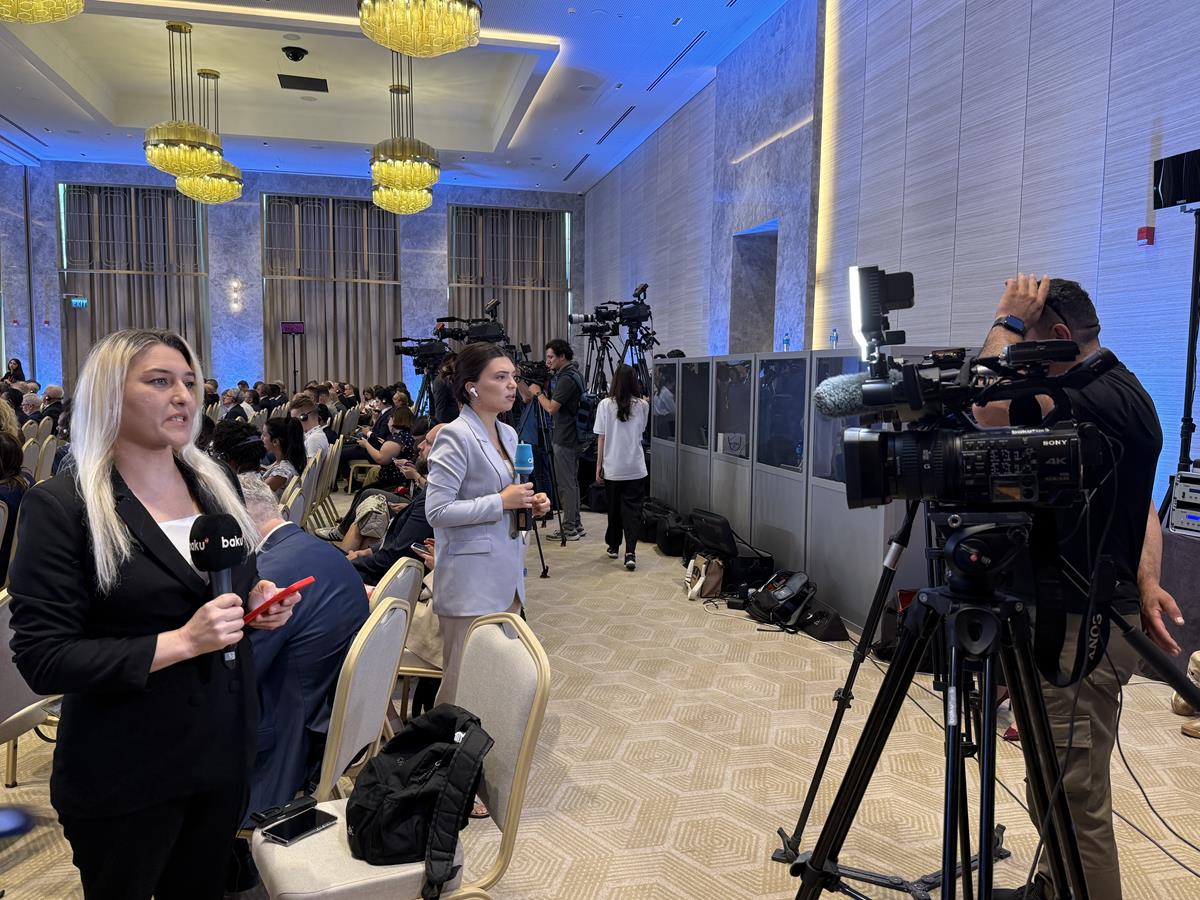
The 3rd Shusha Global Media Forum welcomed more than 140 international guests from 52 countries, including representatives from 30 news agencies, seven international organizations, and nearly 80 media outlets. The event focused on artificial intelligence (AI), information security, media literacy, and the fight against disinformation.
The goal: to shape the future of digital media, rebuild societal trust, and strengthen journalists’ resilience against the challenges of the digital world.


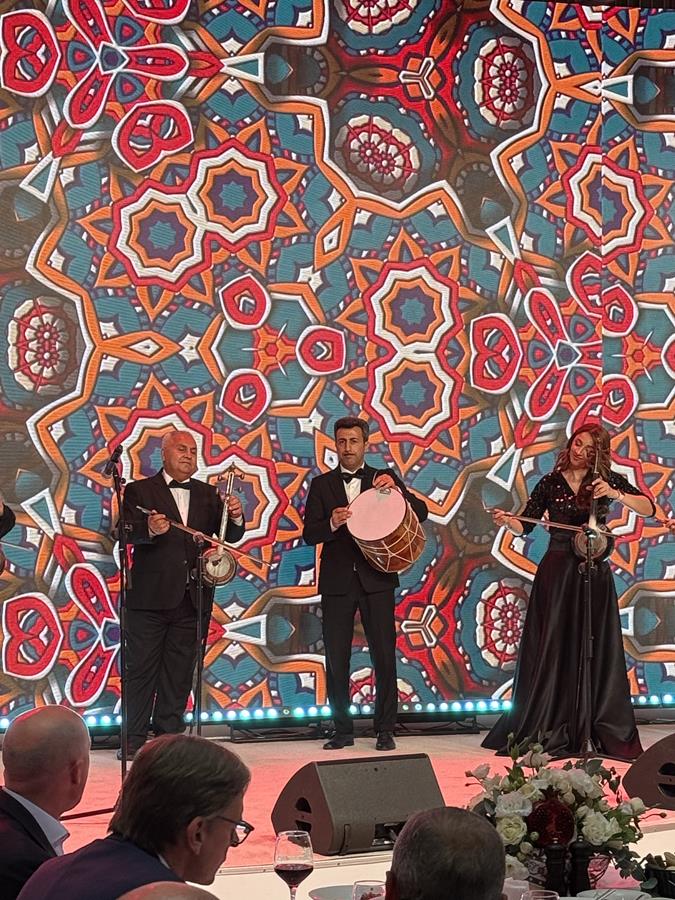
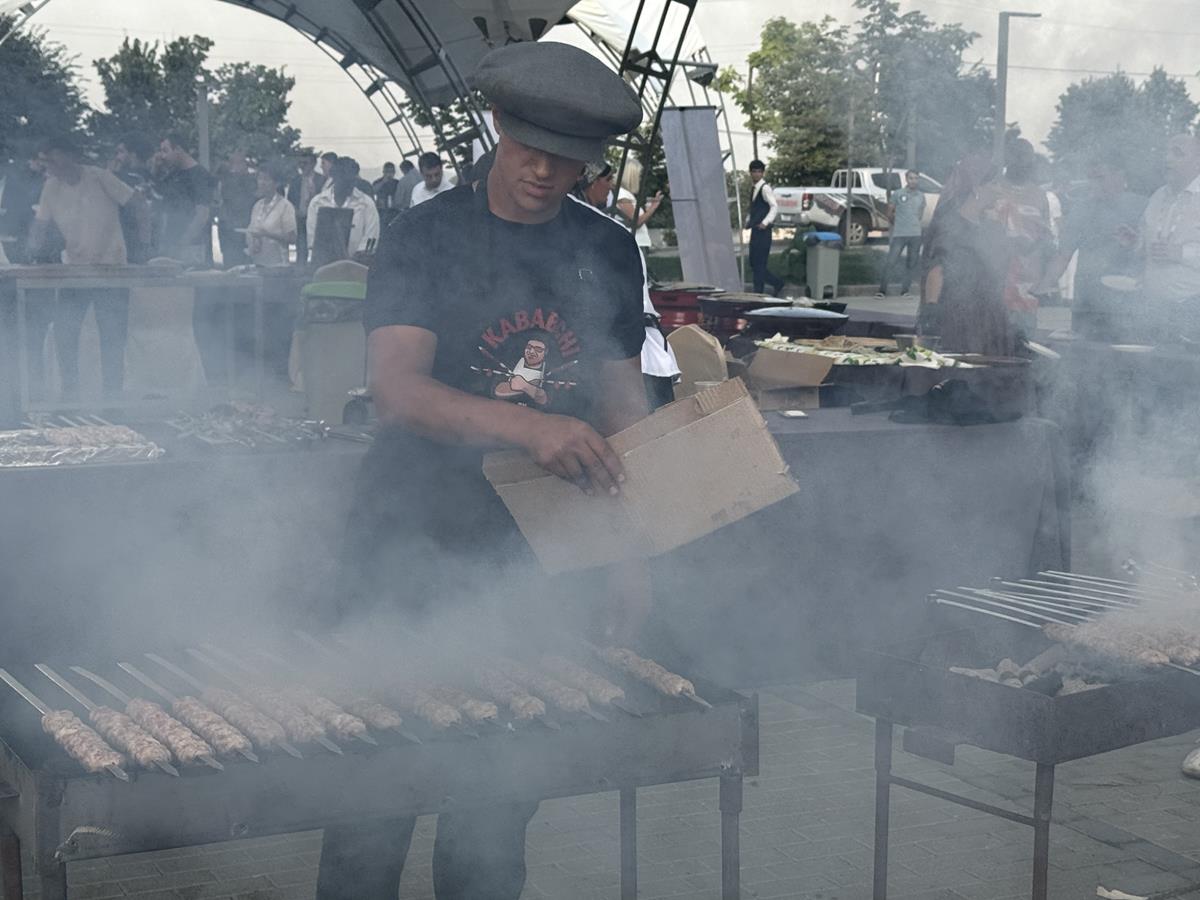
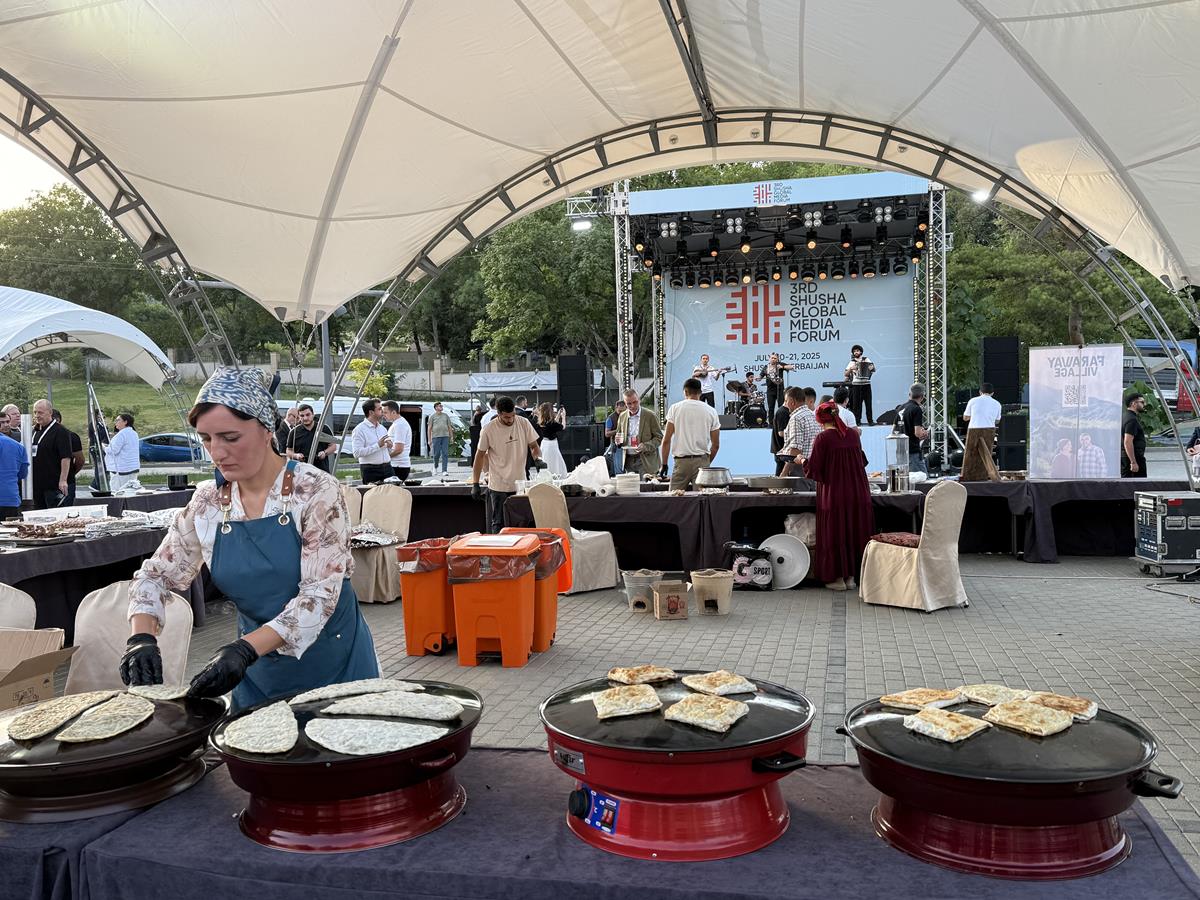
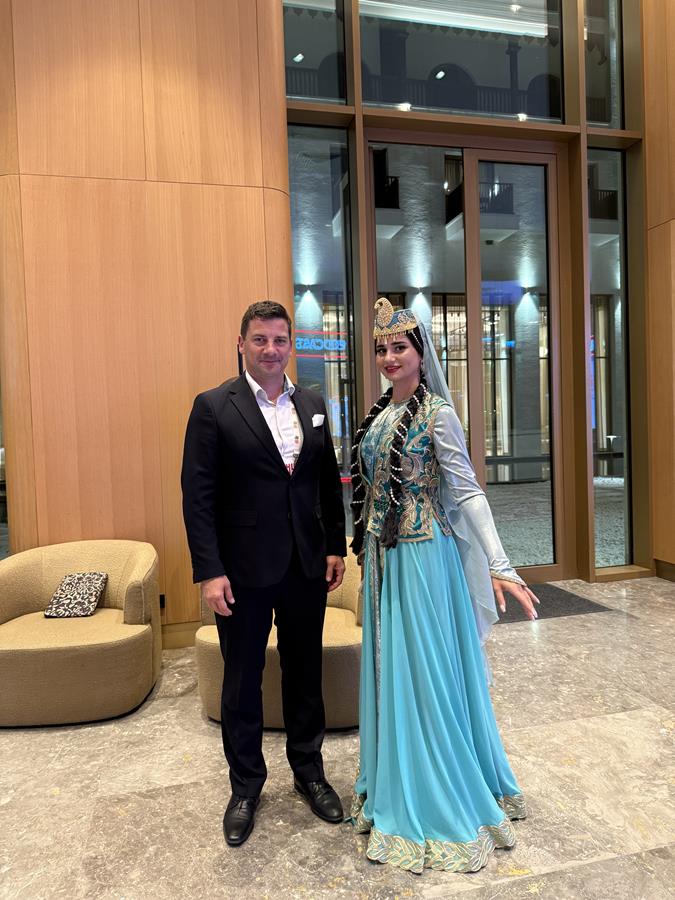
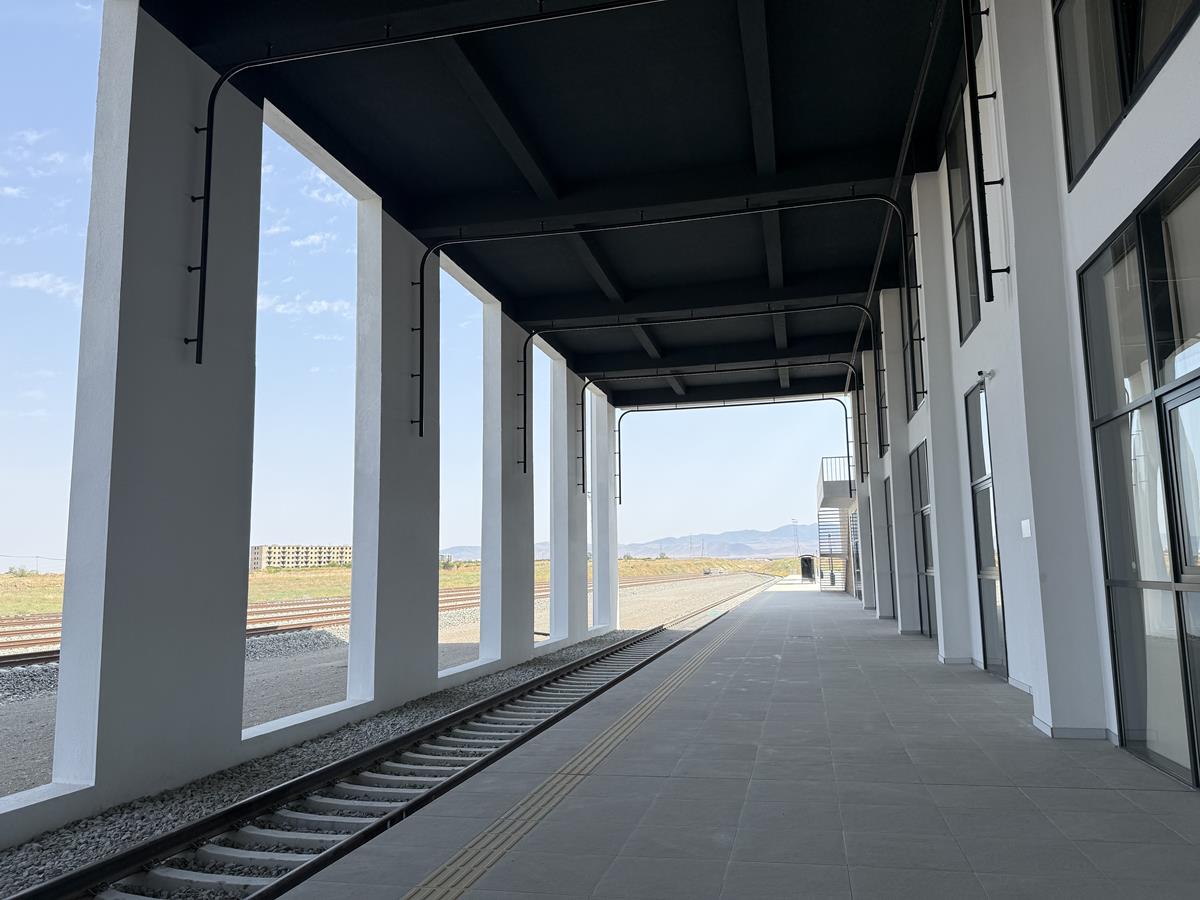
As part of the forum’s agenda, we visited Agdam—one of the most devastated cities of the Nagorno-Karabakh war. Under Armenian control for three decades, it had become virtually uninhabited. Now, the Azerbaijani government is pursuing massive reconstruction plans: a rail line, highway, residential districts, and public services are being developed with the aim of transforming Agdam into a city of hundreds of thousands in just a few years.
We toured a brand-new transportation hub so fresh it hadn’t opened to the public yet, where the train and bus stations are integrated with spaces for restaurants, libraries, and shops. Soon, a train ride from Baku to Agdam will take just a few hours—another cornerstone in Azerbaijan’s redevelopment efforts.
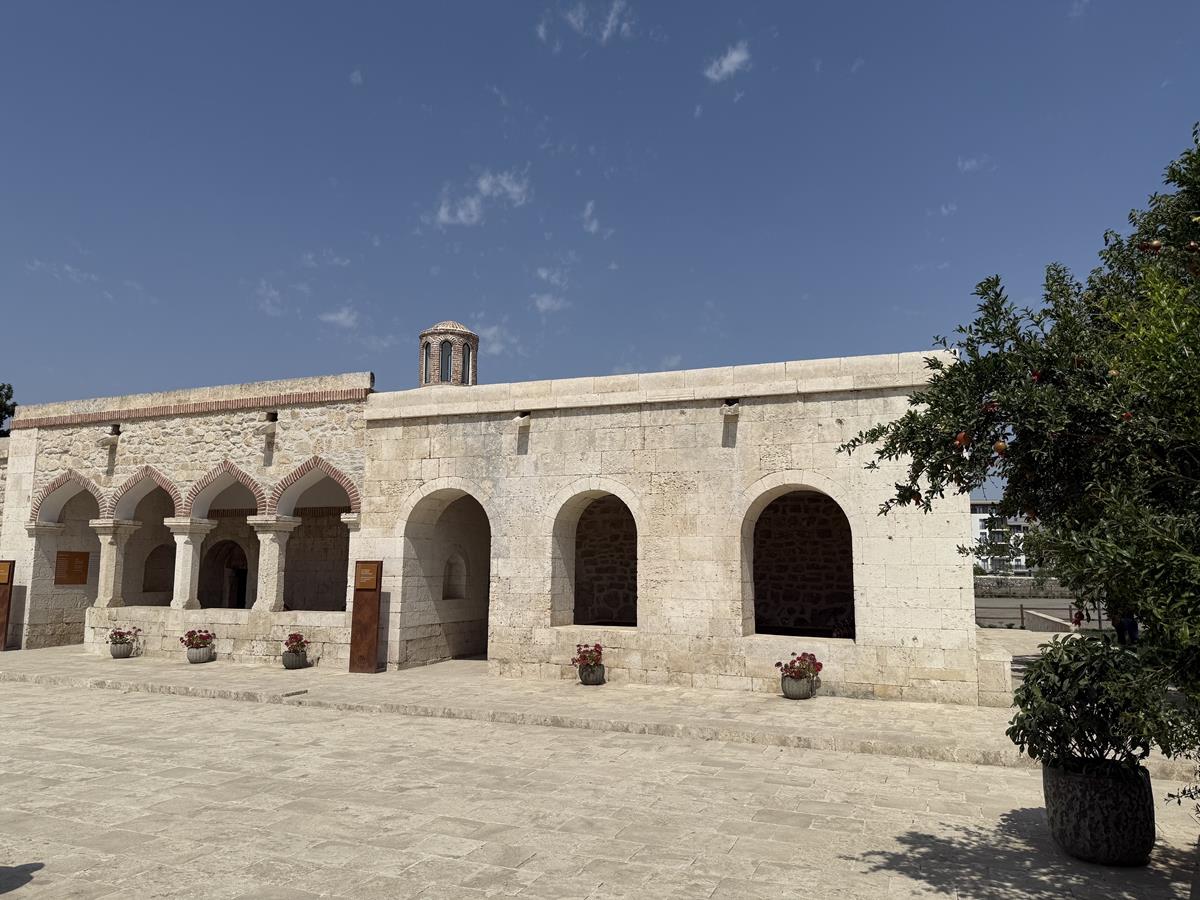
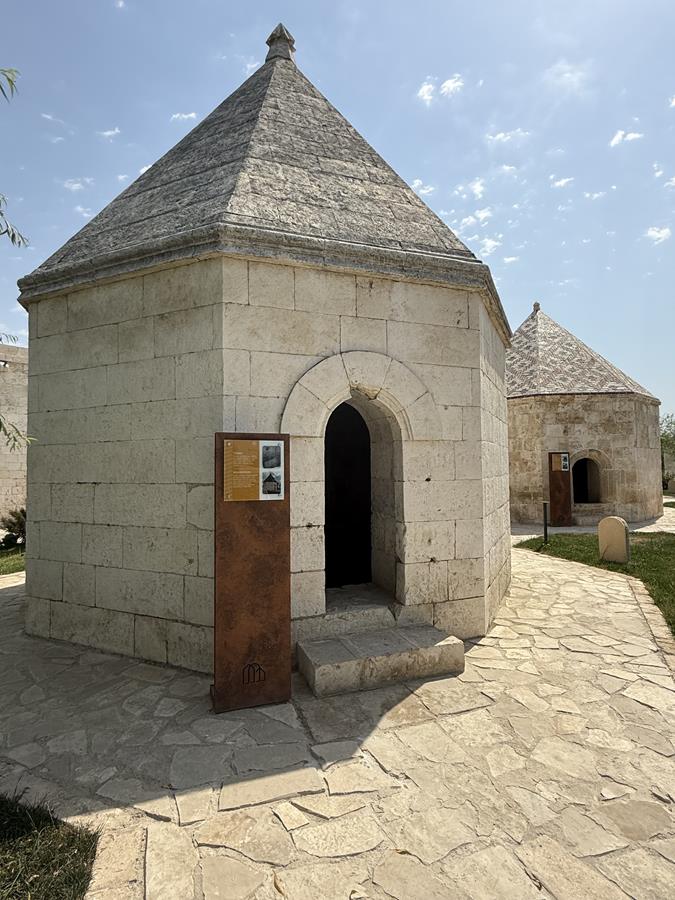
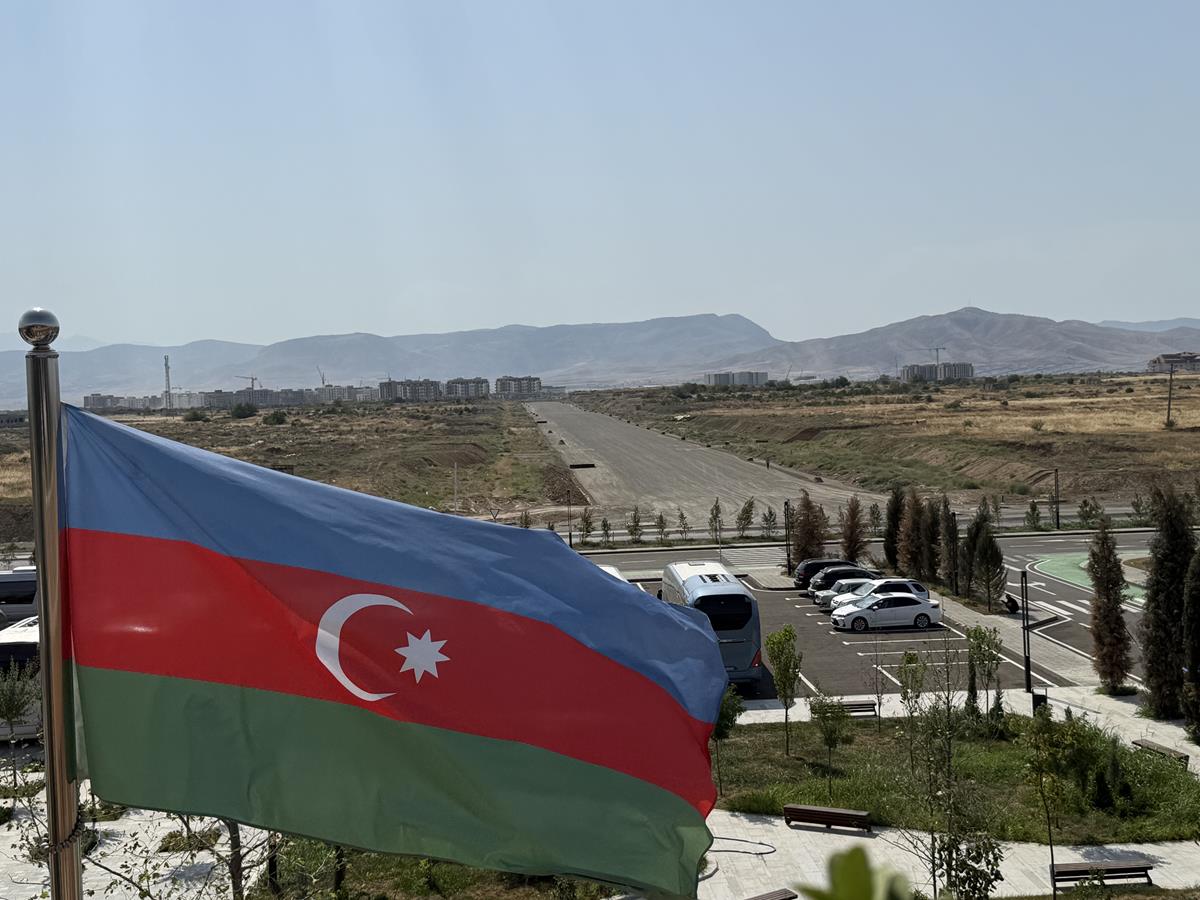
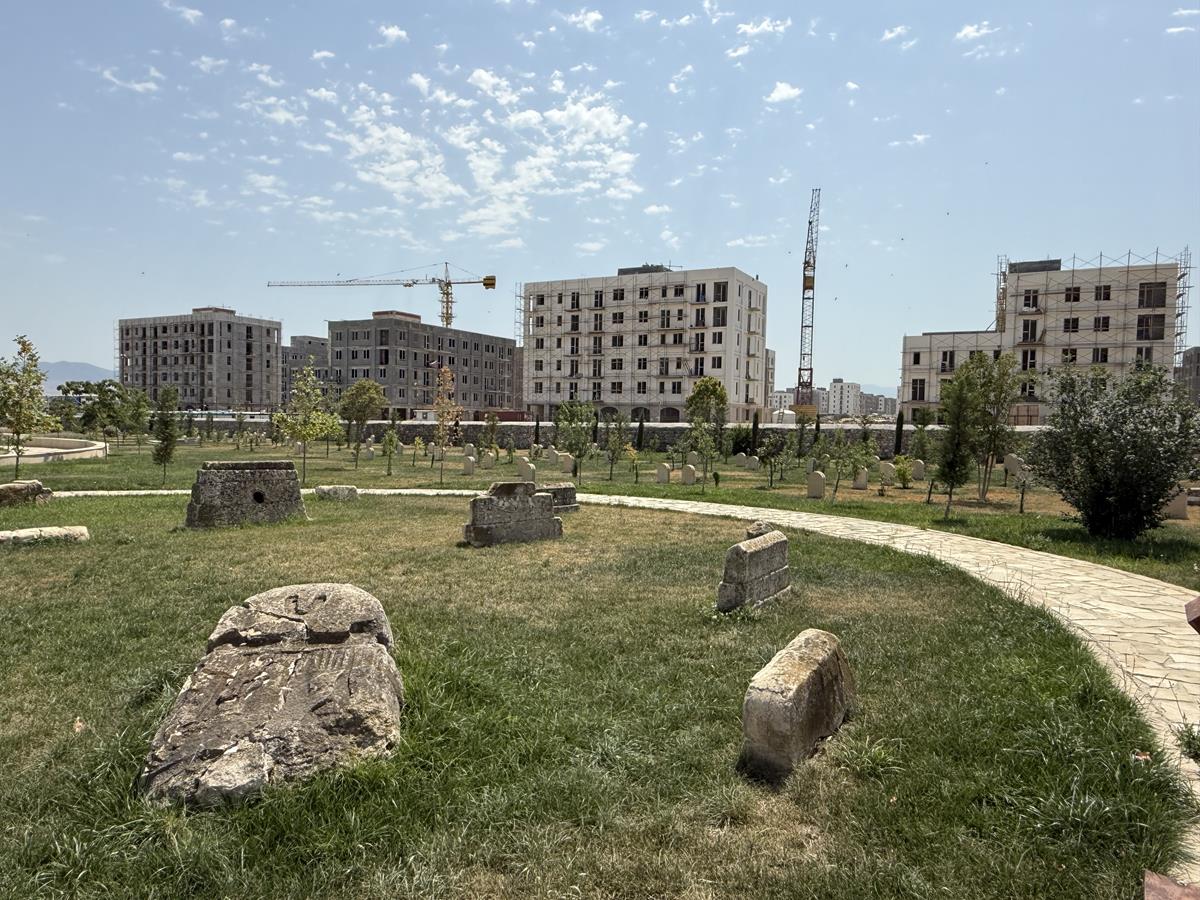
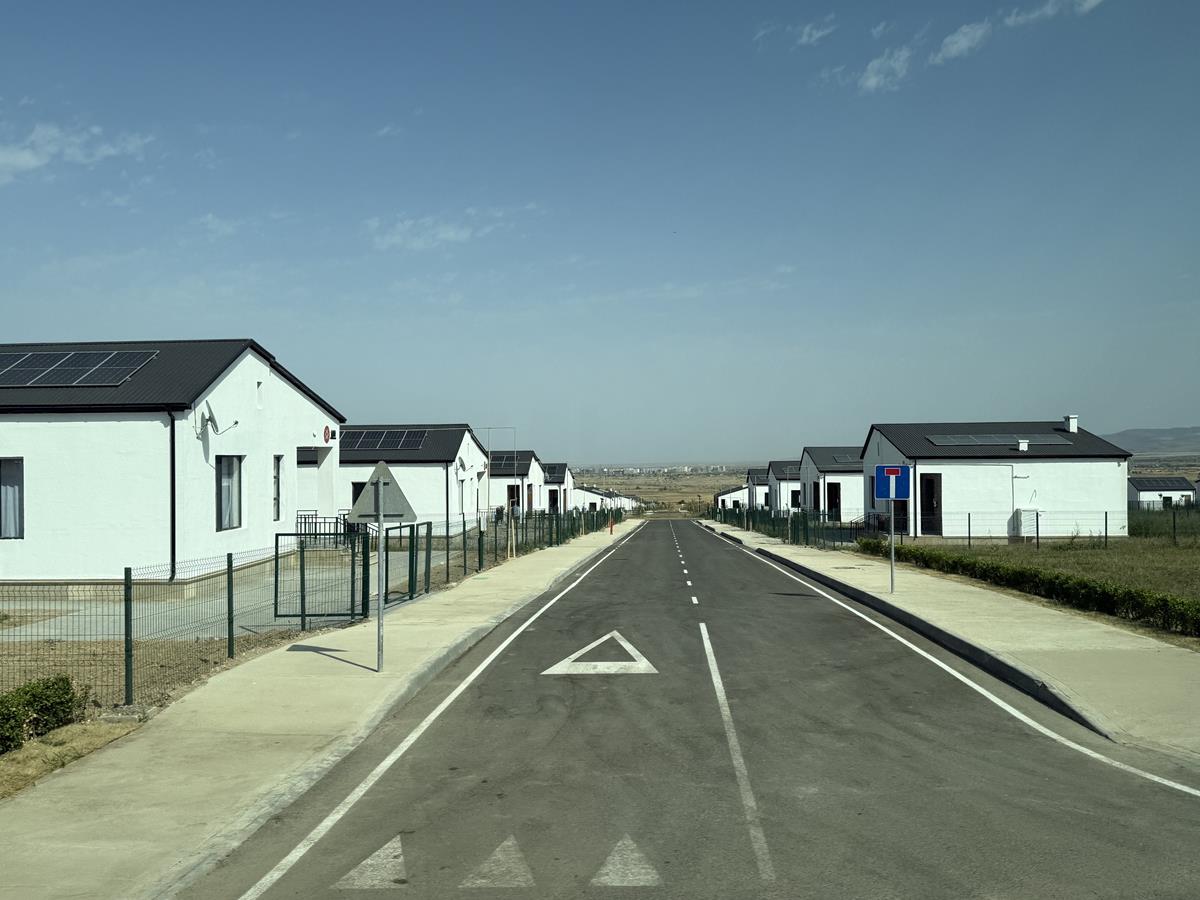
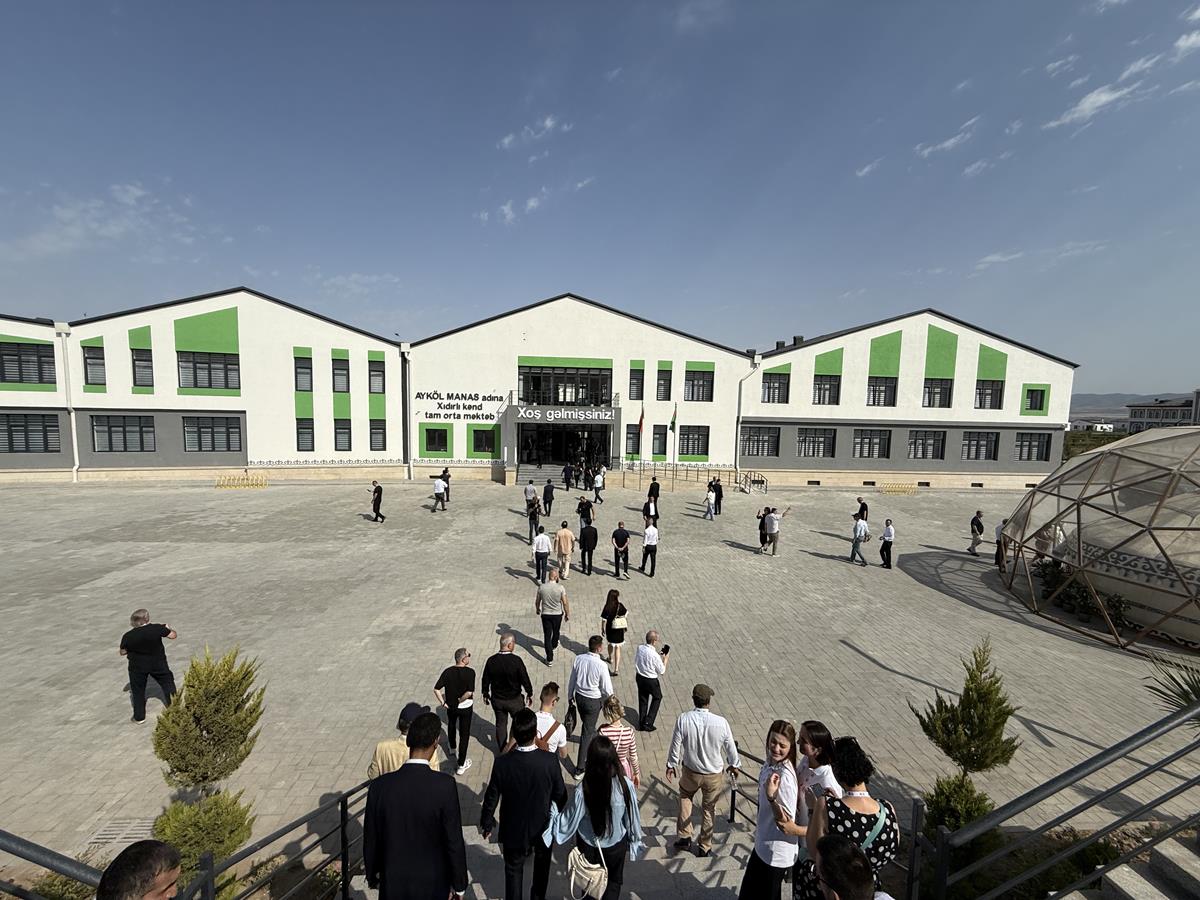
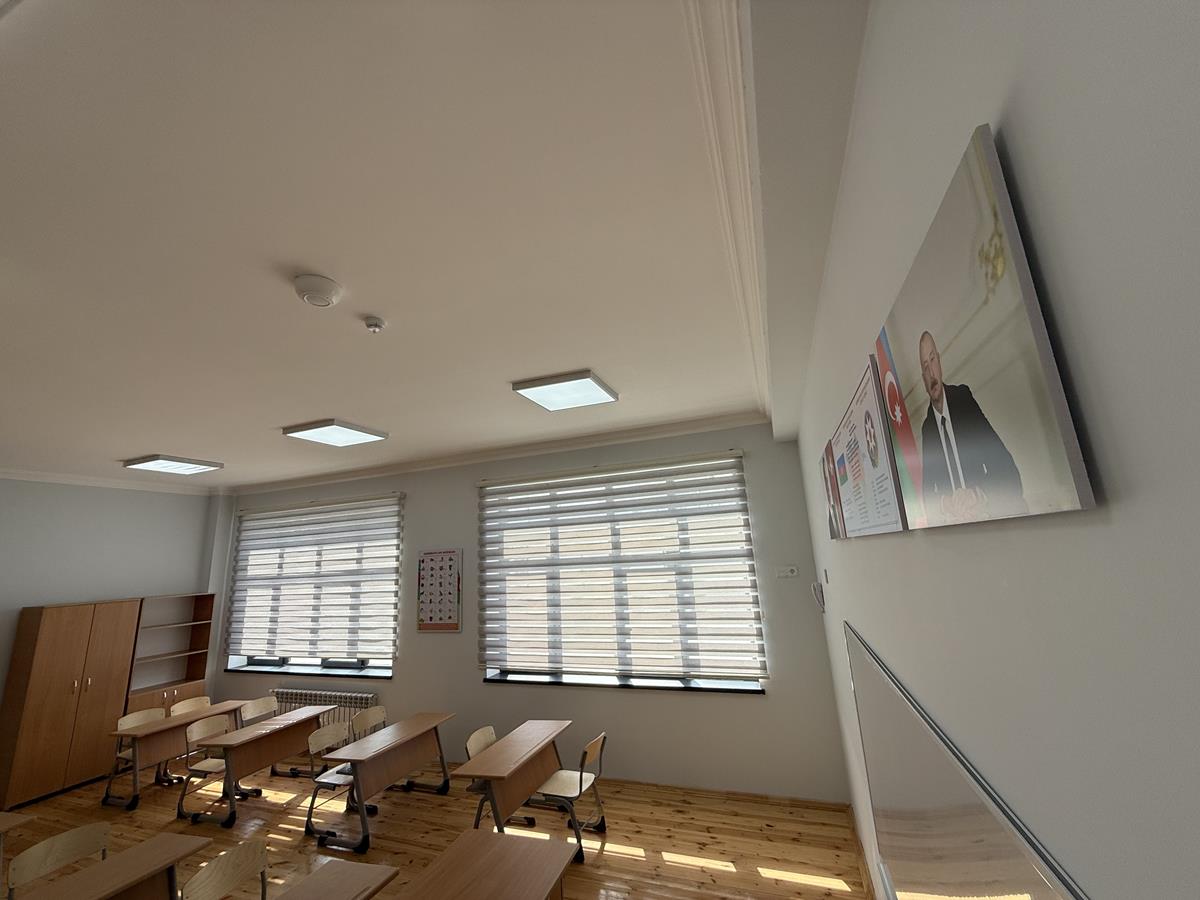
Nearby in Xidili Kendi, we also visited a newly built town that has emerged from nothing. In addition to housing, schools and community centers have been constructed to make returning residents feel at home. The school is equipped with state-of-the-art technology, and the two-bedroom homes are ready with tidy gardens and modern finishes.
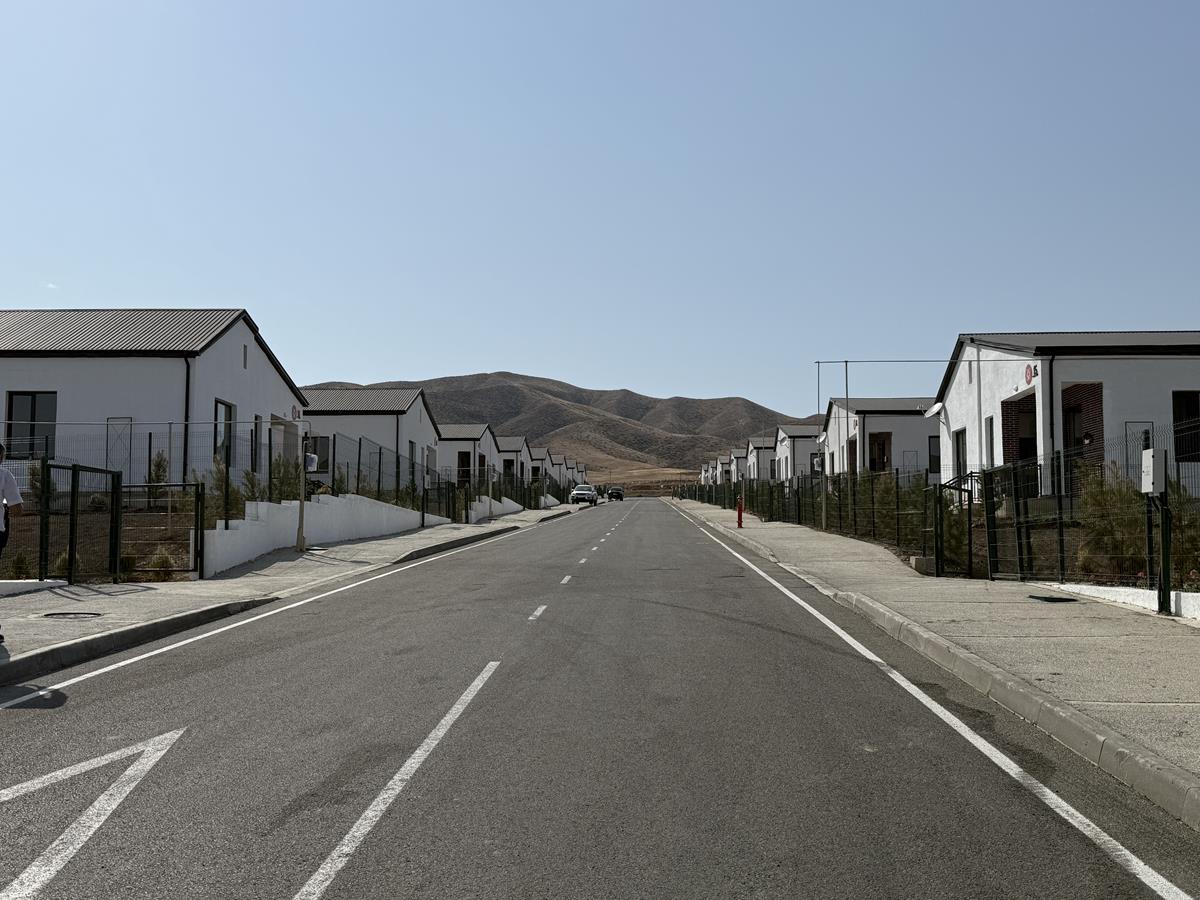
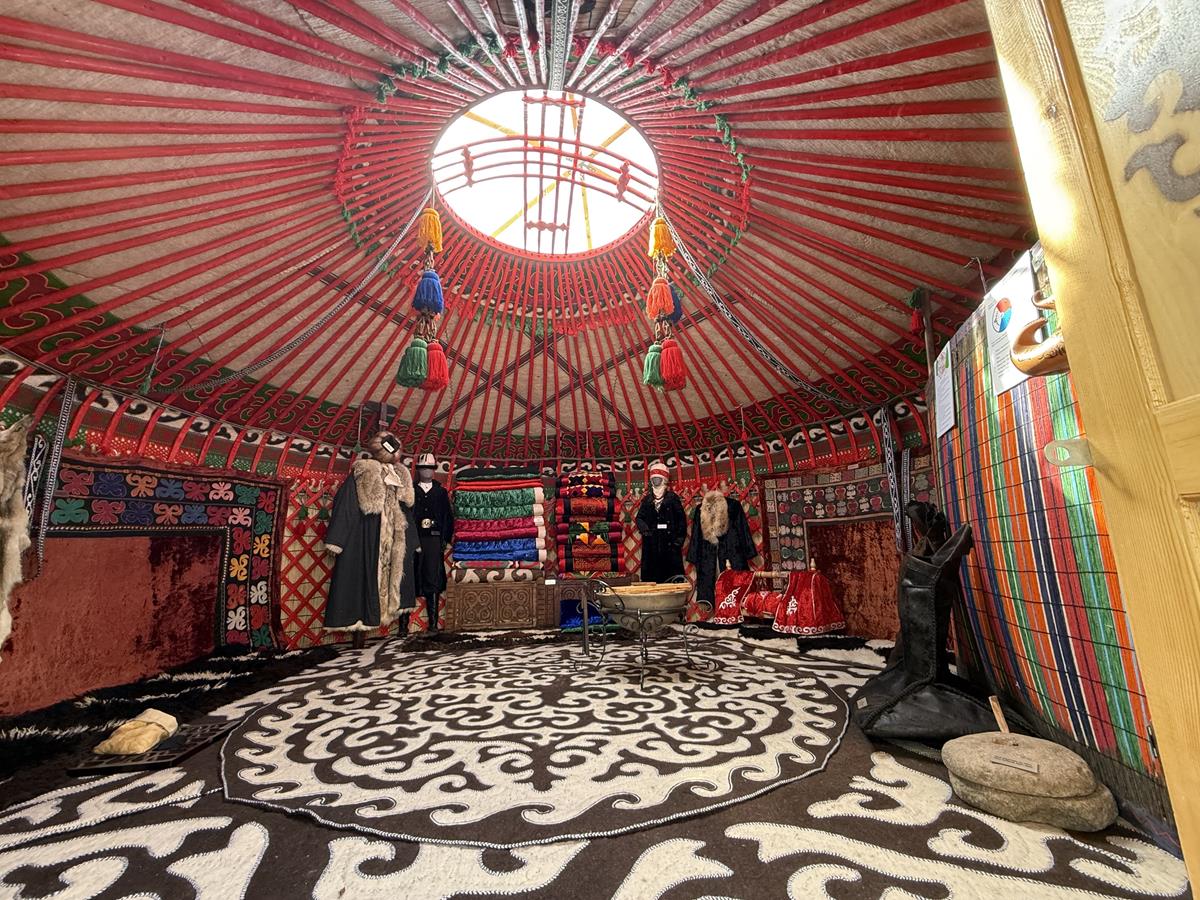
These groundbreaking projects may offer a blueprint for rebuilding war-torn cities in other parts of the world, such as post-war Ukraine.
@dailynewshungary We visited #Karabakh – this is what #Azerbaijan looks like after the war Hegyi-Karabahban jártunk – így néz ki most a háború utáni #Azerbajdzsán @shushamediaforum #agdam #shusha #presstrip #hellomagyar #dailynewshungary ♬ eredeti hang – Daily News Hungary – Daily News Hungary
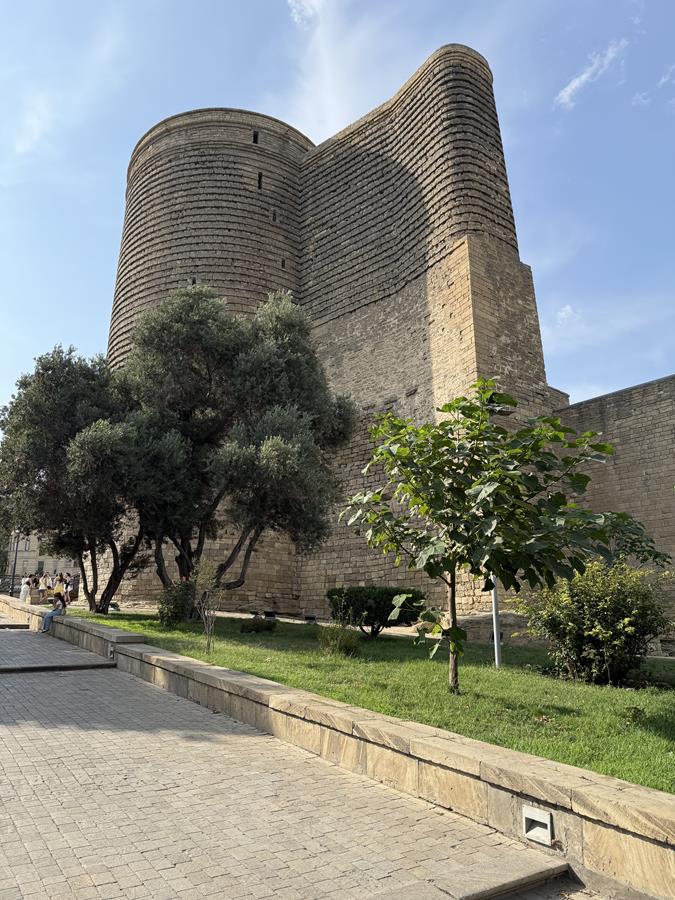
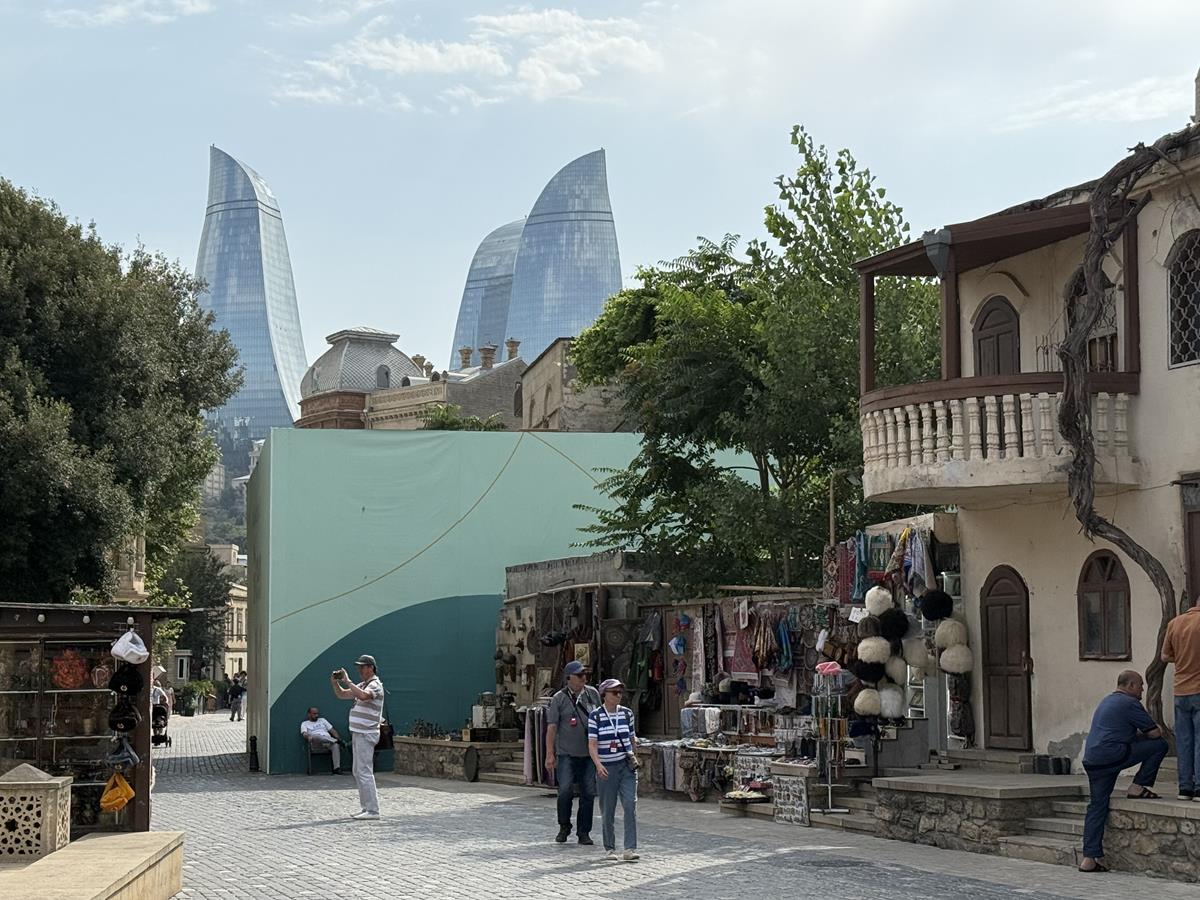
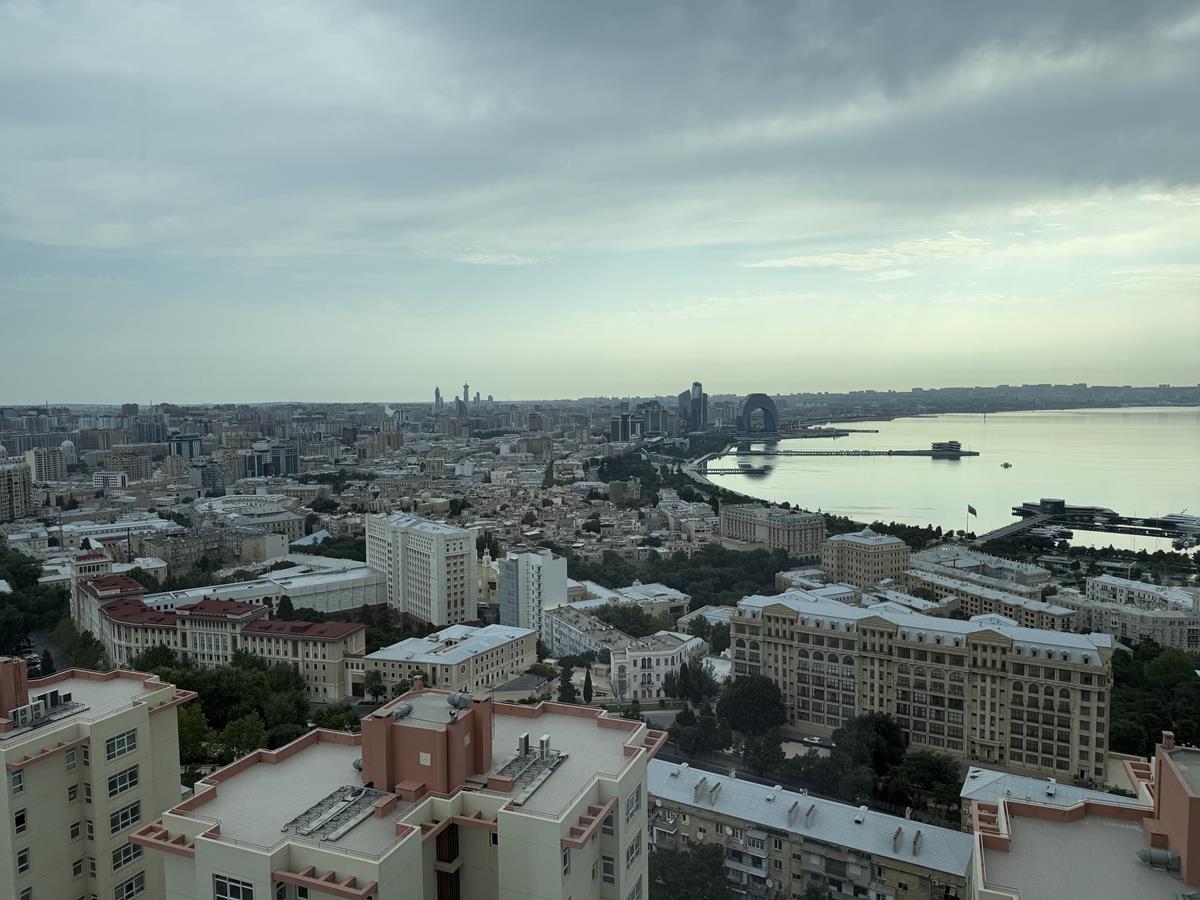
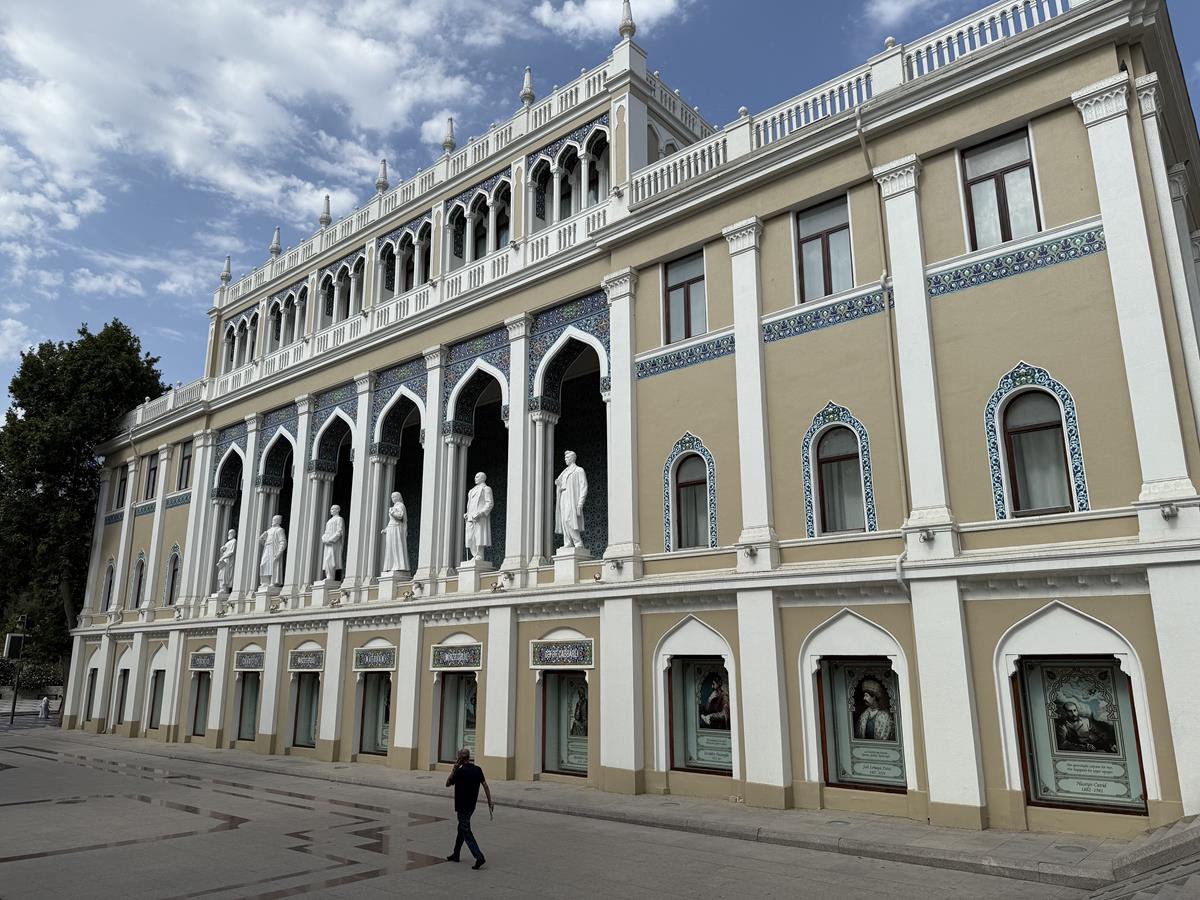
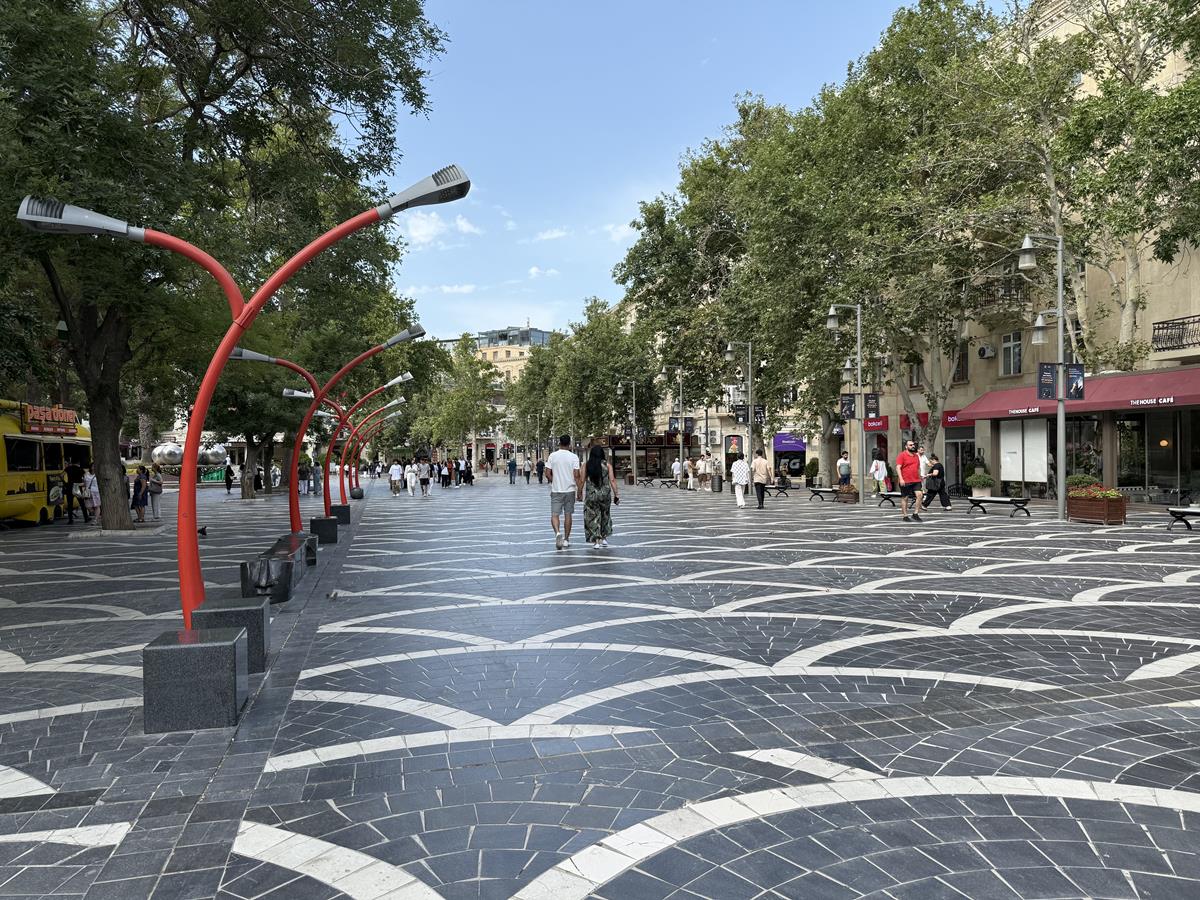
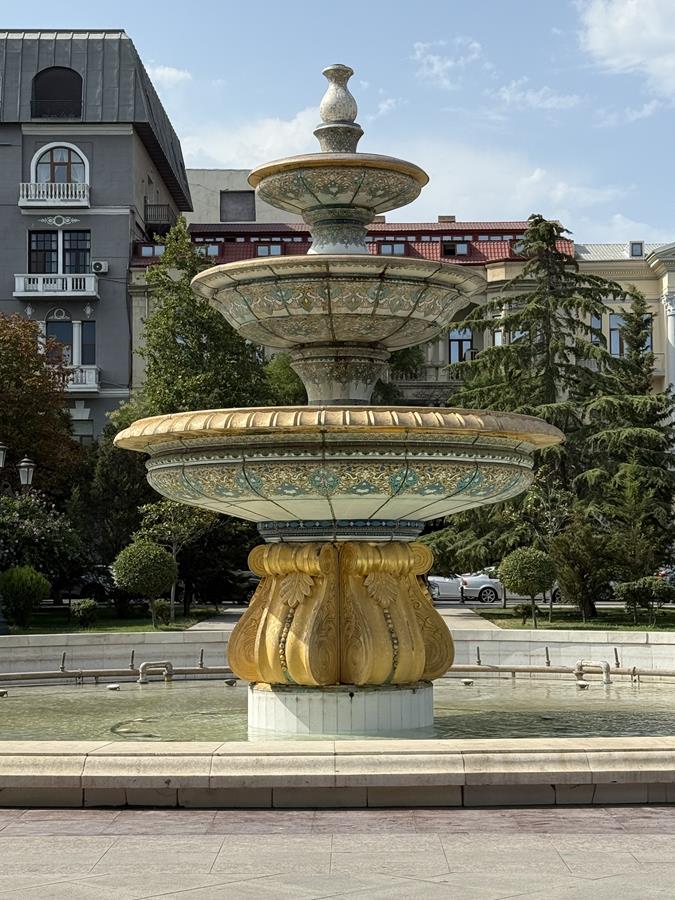
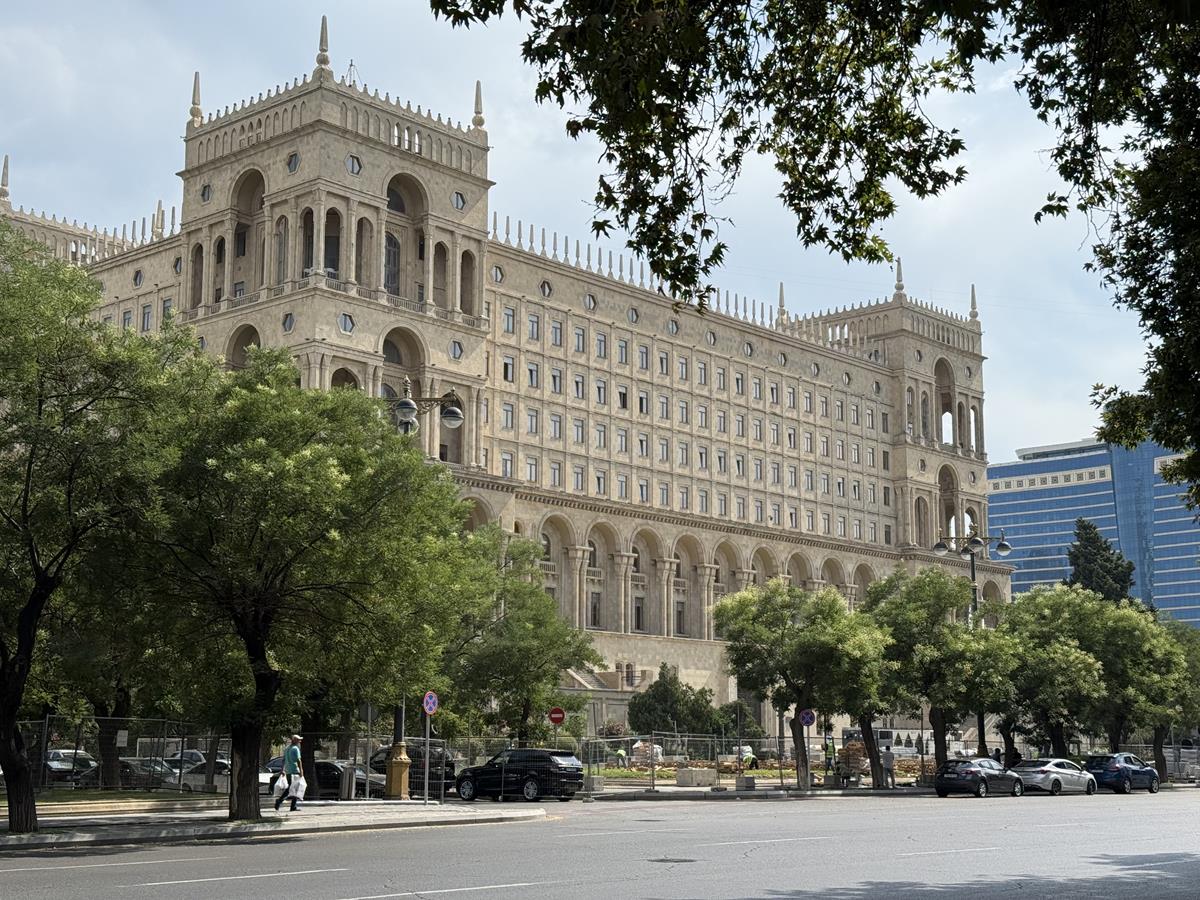
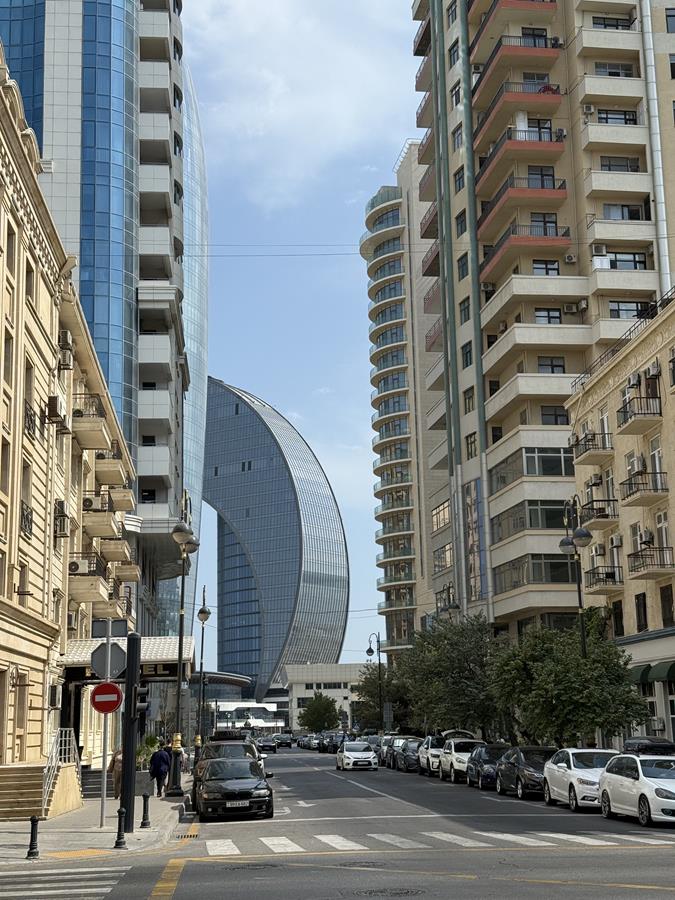
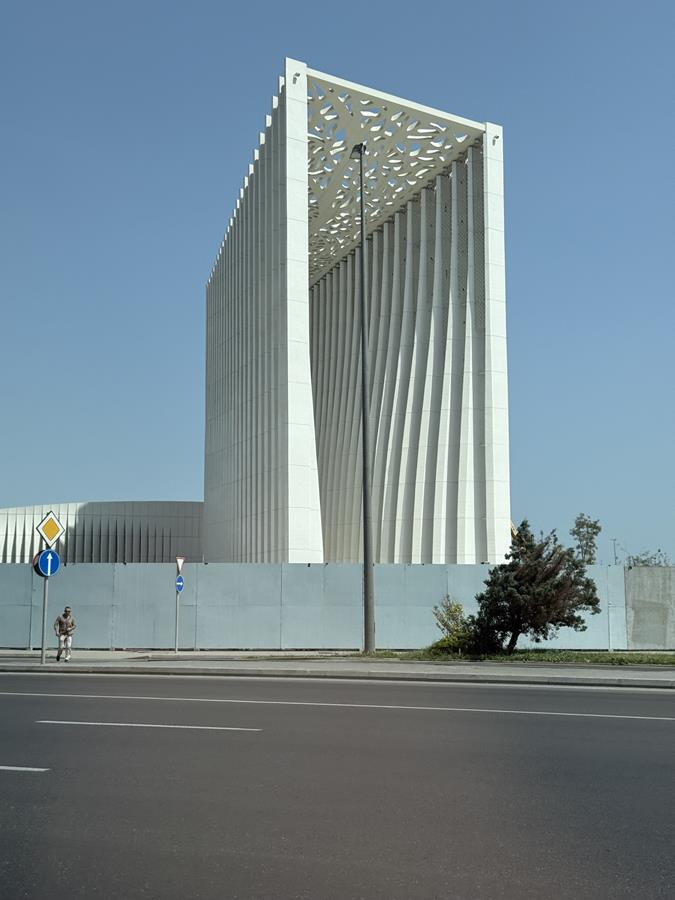
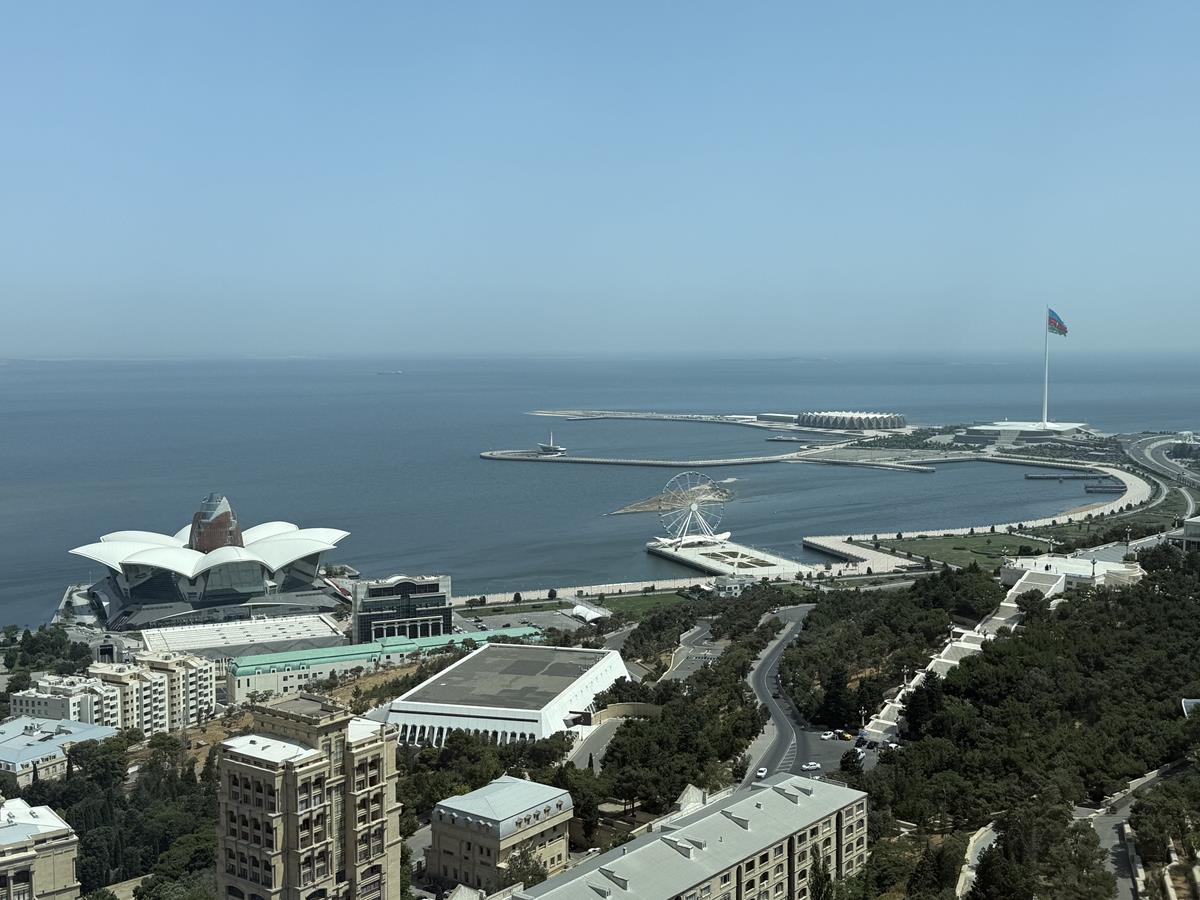
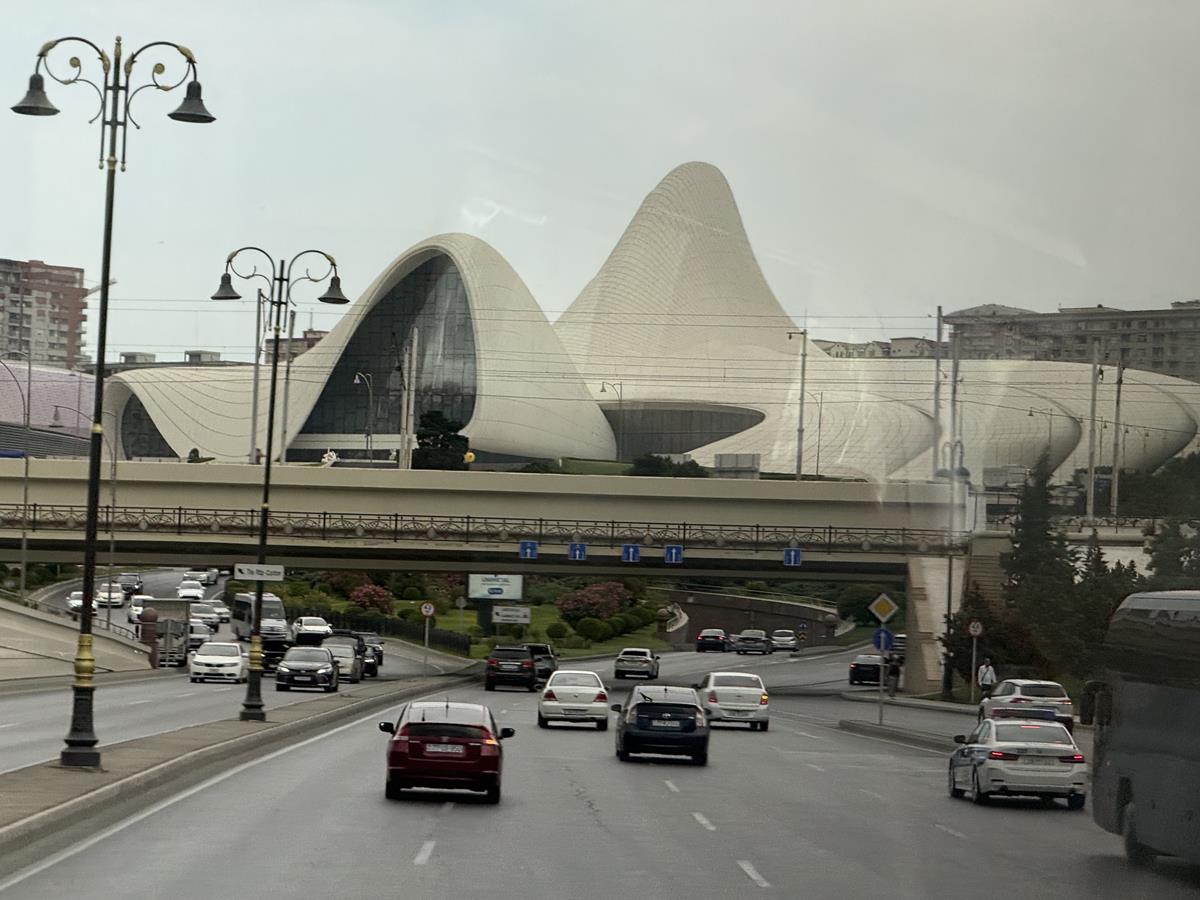
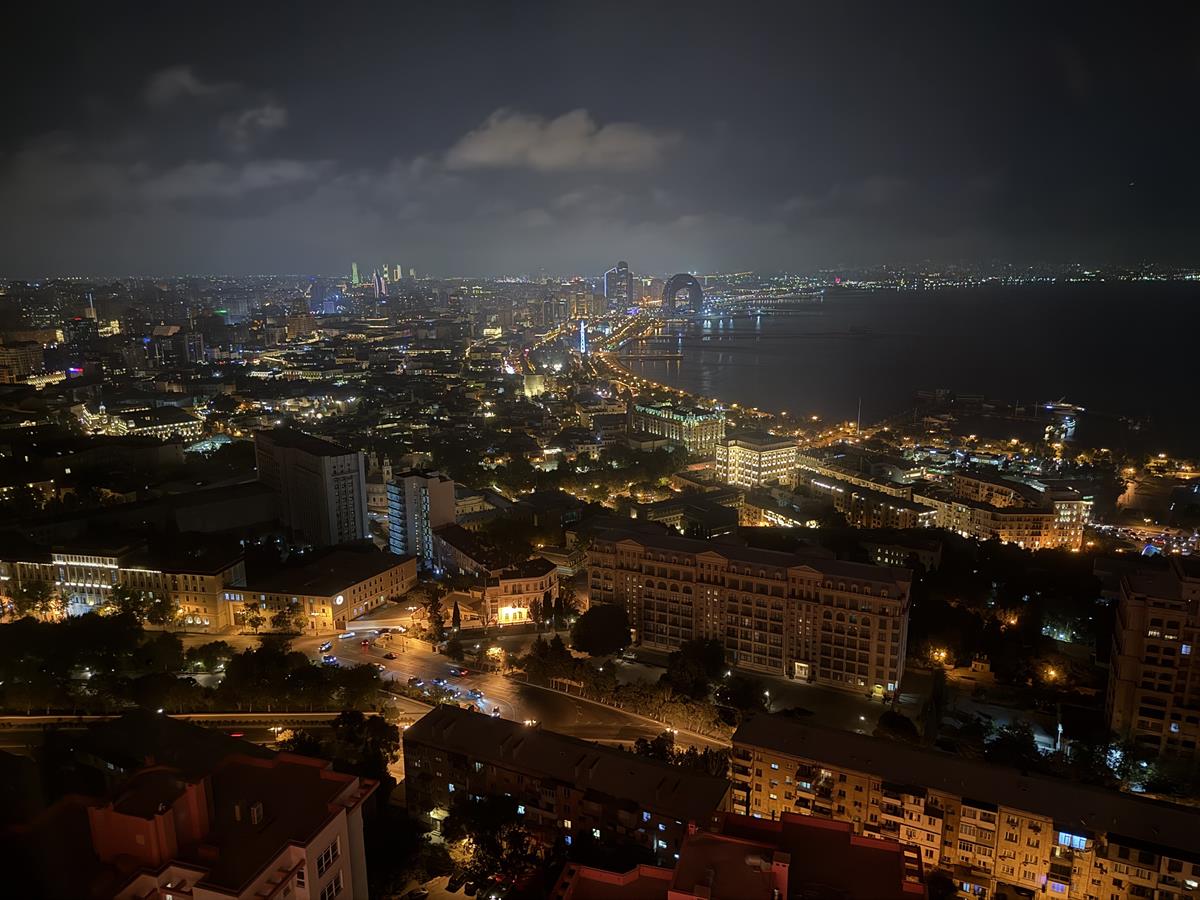
The press tour concluded in Baku, where we spent an afternoon and evening exploring the city. The Maiden Tower, the cobbled streets of the old town, and the Caspian Sea promenade reinforced my impression of Baku as one of the most inspiring and rapidly evolving cities in the region. I had visited before, but the city always manages to offer something new.
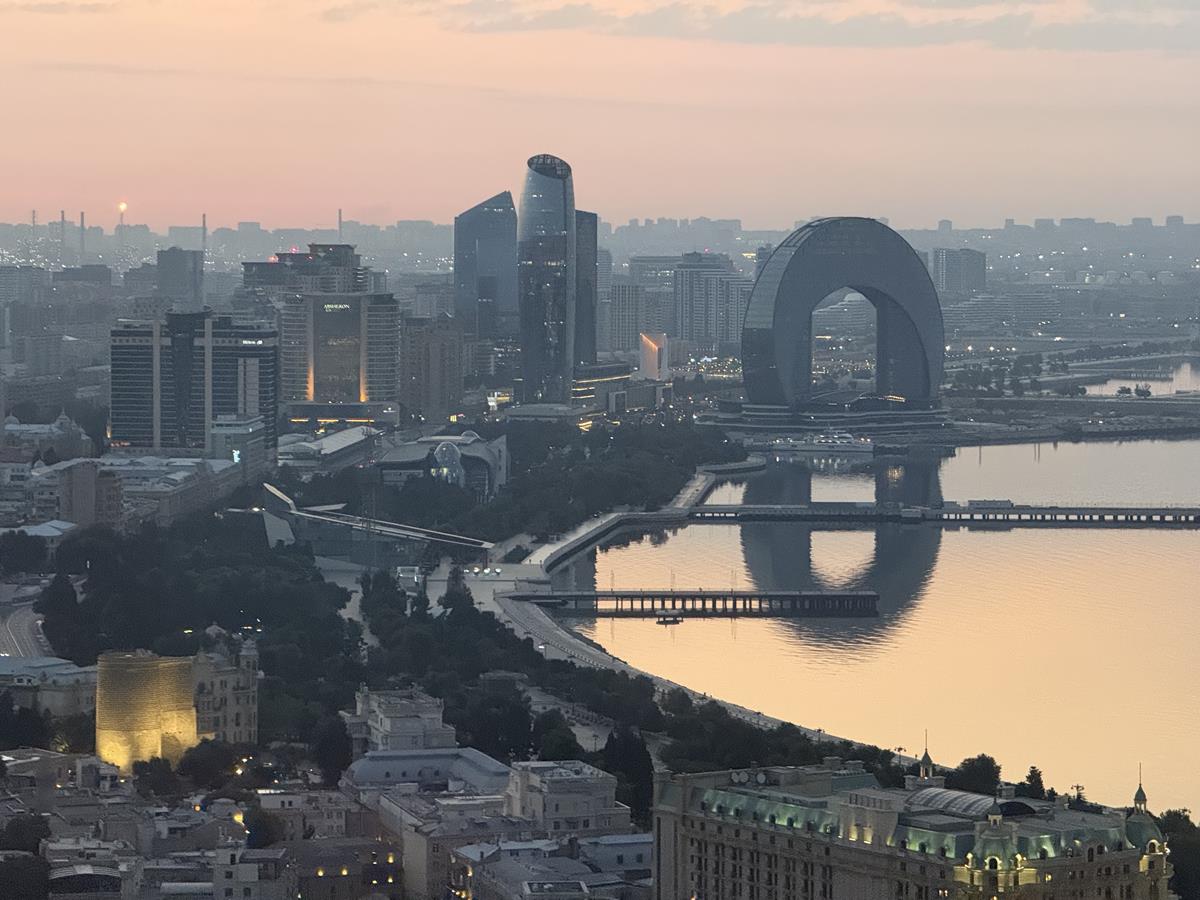
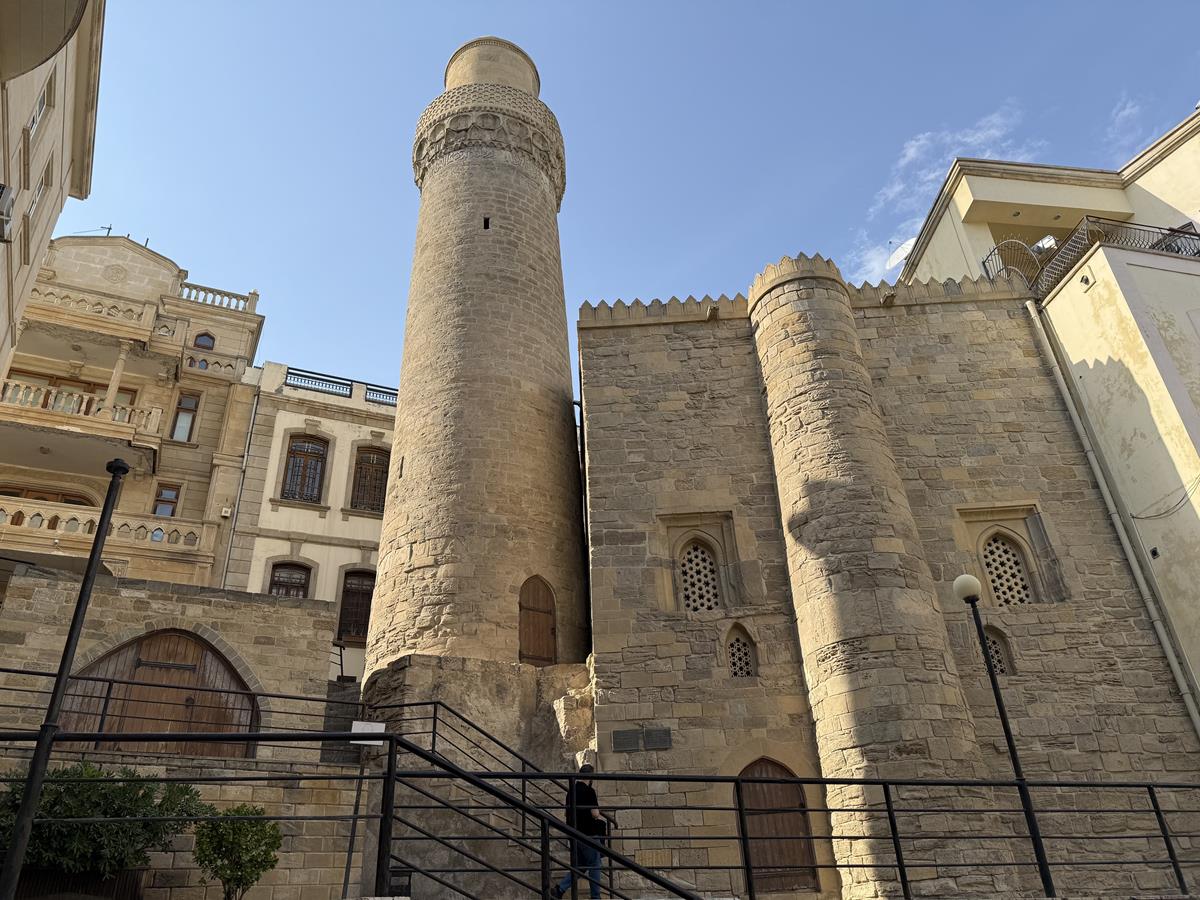
Read more news about the relationship between Azerbaijan and Hungary
read also:
MOL signs agreement for onshore exploration opportunity in Azerbaijan
To read or share this article in Hungarian, click here: Helló Magyar

 IT
IT HR
HR NL
NL FR
FR JA
JA RO
RO RU
RU ES
ES TR
TR

