Subscribe to our social channels to get the latest news about Hungary!


The question of tipping often leaves travellers and diners puzzled. Hospitality is especially complex in this regard: in some places it’s expected, in others it’s merely a gesture, and in some cases, it’s already included in the bill.
By definition, a tip is a voluntary amount of money given by the customer to the service provider in recognition of quality service, on top of the price of the service. In practice, however, tipping isn’t always that straightforward. It’s often governed by local customs and varies depending on whether it’s a direct, personal gratuity or a fee managed by the establishment, like a service charge listed on the bill.
While a service charge on the bill may seem like it replaces tipping, it’s actually part of the establishment’s revenue, which the employer then distributes among staff. So if you want to thank your server specifically for attentive and prompt service, the service charge alone may not suffice.
The clearest way to show appreciation is through cash tipping, either left on the table or included with the check. The amount is up to individual judgment, but there’s undeniably a kind of social pressure: even if the service wasn’t outstanding, it’s customary to leave something.
Typically, the tip is about 10% of the total bill, though it can range from 5–20%, depending on satisfaction. In Hungary, this has become a common practice, especially at places that don’t include a service charge.
General tipping guidelines:
Across the board, one international rule stands out: tipping is not mandatory, but a form of recognition for service quality and staff effort. That’s why it’s always smart to consider both local customs and service quality—and tip fairly when the check arrives.
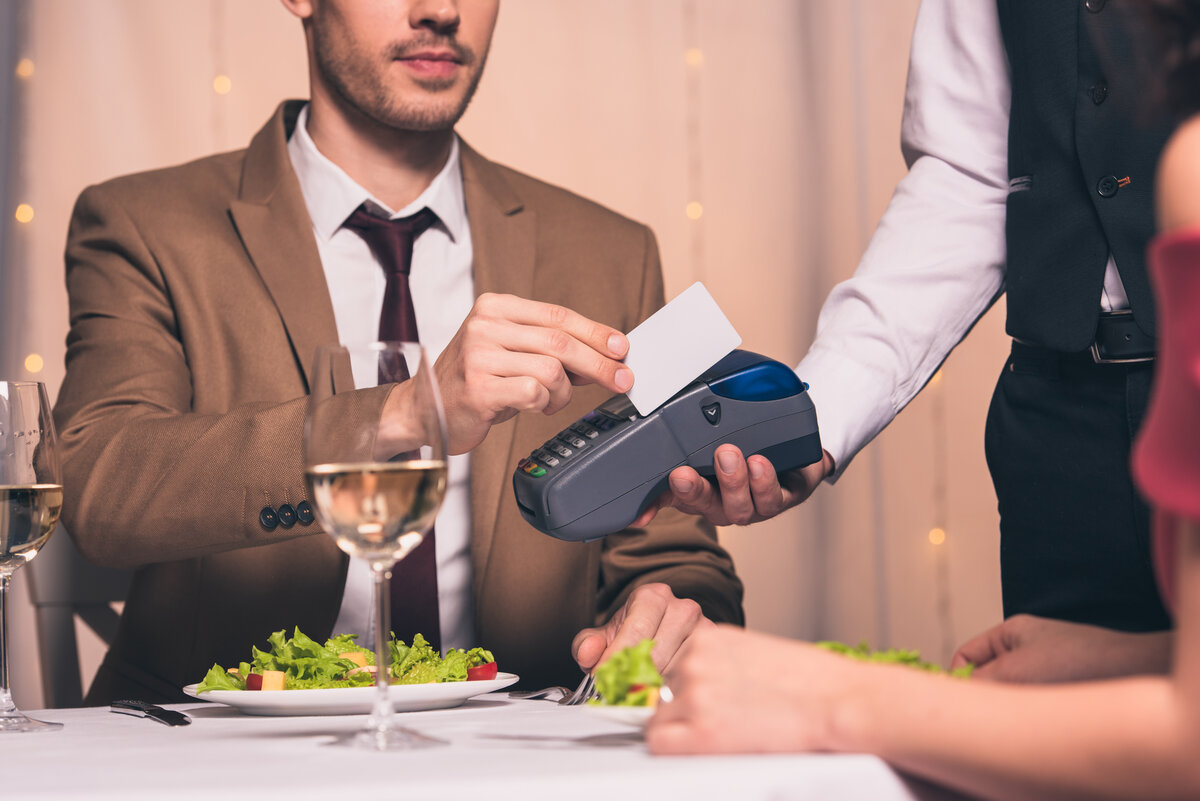
In fast food spots, counter-service venues, cafés, and some restaurants, card readers sometimes prompt customers to add a tip before completing payment. Since 1 January 2025, credit card or bank transfer tips can also be tax-free with proper documentation, prompting more establishments to adopt this digital tipping option.
The appeal of digital tipping lies in its convenience and transparency, making it easier for hospitality businesses to manage gratuities. The new tax exemption rules could help push more providers to support and promote card-based tipping, especially as more customers opt for cards or mobile payments over cash.
Still, many guests and staff remain sceptical. Card tips lack the personal, face-to-face gesture of handing over cash, and disputes may arise over how digital tips are distributed. Not all venues are equipped with the necessary technology either. Some guests also feel pressured when the card terminal prompts for a tip, especially if the service offered didn’t go above and beyond.
There are various ways to tip: with cash directly, digitally via card payments, or through amounts collected and distributed by the establishment. Some places now list recommended tip percentages directly on the bill. If not, 10% of the total is a generally accepted baseline, which can be adjusted depending on service quality. It’s important to always check whether a service charge is included, as this significantly impacts how much additional tip should be given.
Read also:
To read or share this article in Hungarian, click here: Helló Magyar


